championlounge06
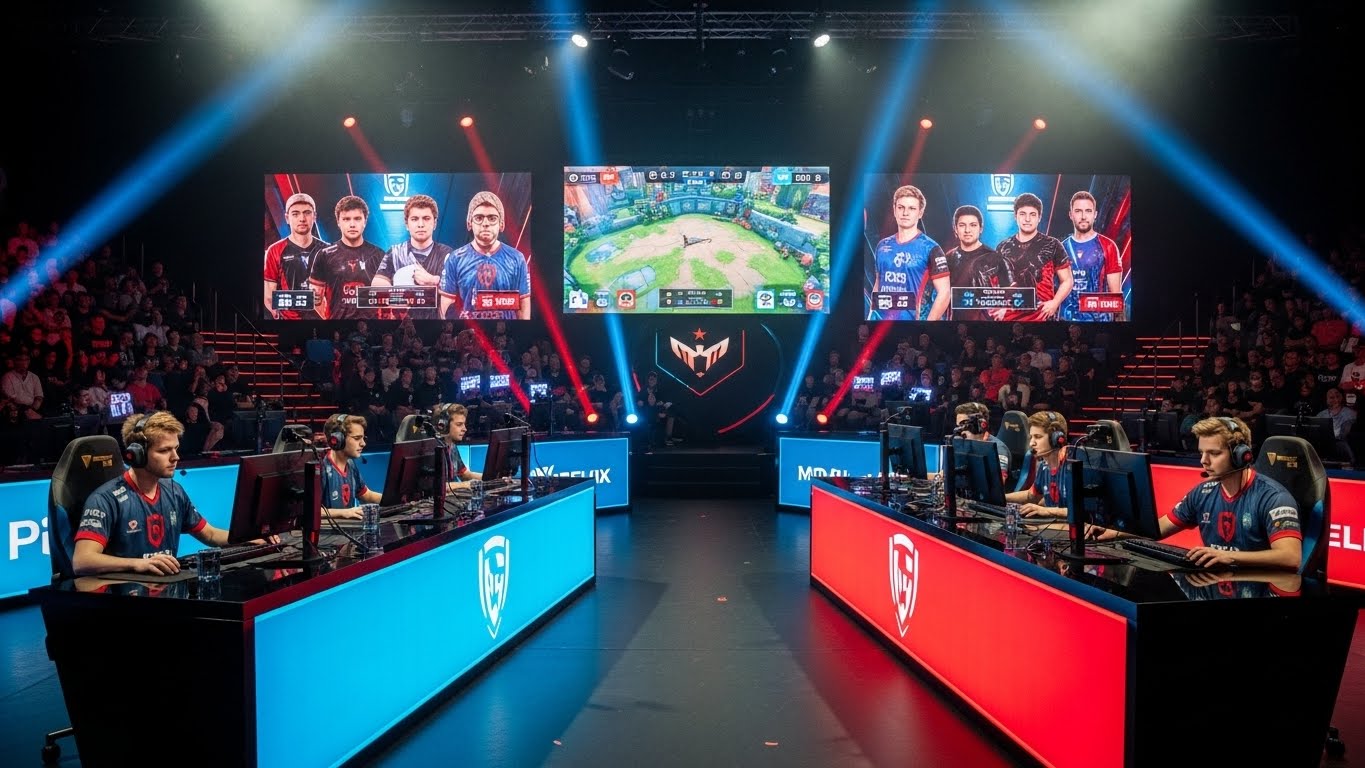
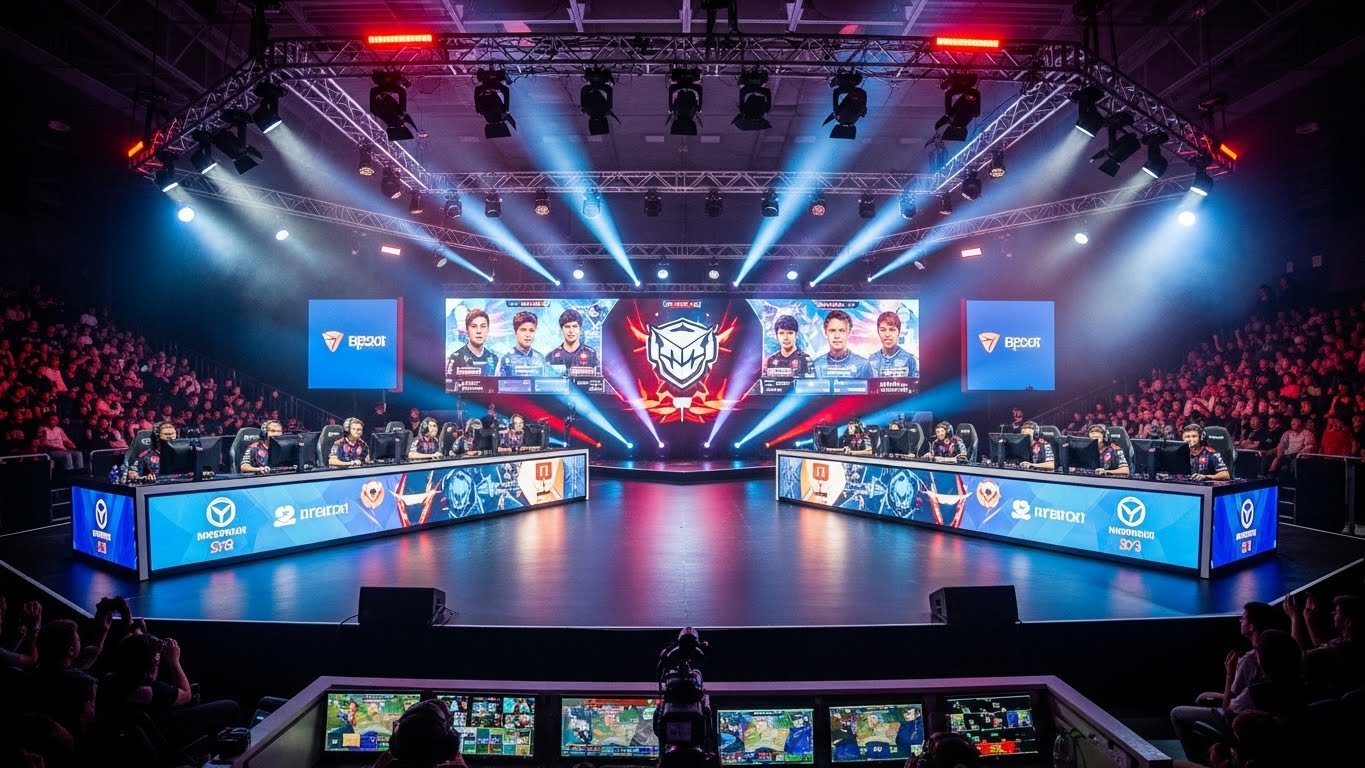
Esports, or electronic sports, has emerged as one of the fastest-growing entertainment phenomena in the modern era. With roots tracing back to the early days of arcade competitions and simple video game tournaments, esports has evolved into a multi-billion-dollar industry that captivates millions of viewers worldwide. This digital revolution has transformed the way we perceive competition, entertainment, and even professional careers in gaming.
The Origins of Esports
The origins of esports can be traced to the late 1970s and 1980s when arcade gaming became a popular pastime among youth. Early competitions, such as the Space Invaders Championship in 1980, marked the first attempts at organized competitive gaming. Players would compete in person, showcasing their skills on arcade machines, often drawing local crowds fascinated by this emerging form of competition.
As home computers and gaming consoles became more accessible in the 1980s and 1990s, the landscape of competitive gaming began to expand. Games like Street Fighter, Super Mario Bros., and Doom cultivated communities that thrived on mastery, speed, and strategy. By the late 1990s, the internet began connecting players in ways never before possible, giving birth to online competitive gaming. This marked the true beginning of esports as we recognize it today.
The Evolution of Esports Games
Over the years, the types of games that dominate esports have evolved dramatically. Initially, fighting games and first-person shooters led the scene, but the scope of competitive gaming has since expanded to encompass multiple genres.
First-Person Shooters and Tactical Strategy
Games like Counter-Strike, Call of Duty, and Overwatch have brought first-person shooters into the competitive spotlight. These games require split-second reflexes, deep strategic thinking, and impeccable teamwork. The intensity of these competitions is heightened by the fact that professional matches are often broadcast to millions of viewers, adding immense pressure on players.
Multiplayer Online Battle Arenas (MOBAs)
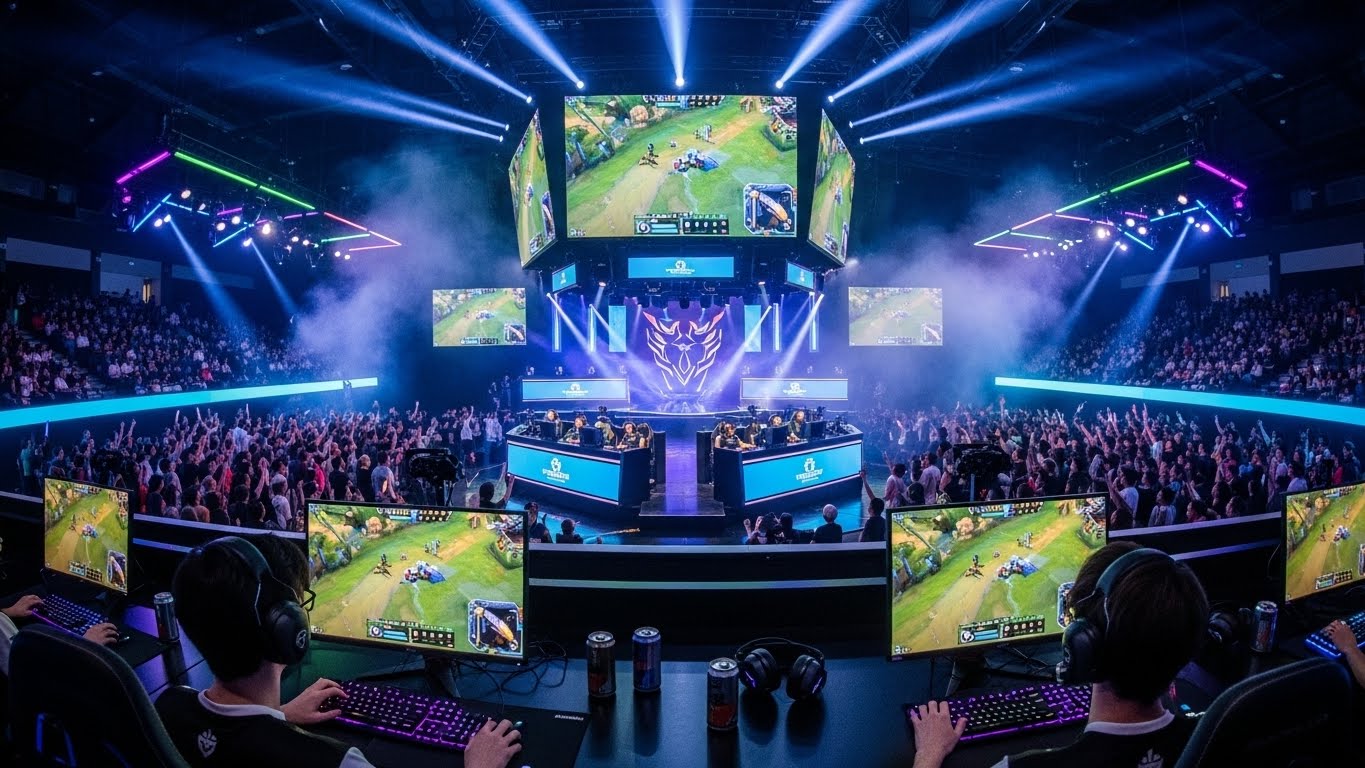
Another cornerstone of esports is the MOBA genre, exemplified by games such as League of Legends and Dota 2. These games combine fast-paced action with strategic depth, demanding precise coordination among team members. MOBAs have helped elevate esports into mainstream culture, with tournaments filling stadiums and offering prize pools in the tens of millions of dollars.
Sports Simulation and Racing Games
Sports simulation games like FIFA and racing games such as Gran Turismo have also carved a niche in esports. These games allow players to recreate real-world sports competitions digitally, attracting both casual fans and professional players. With realistic graphics and sophisticated game mechanics, these titles offer a unique bridge between traditional sports and the digital competitive scene.
The Professionalization of Esports
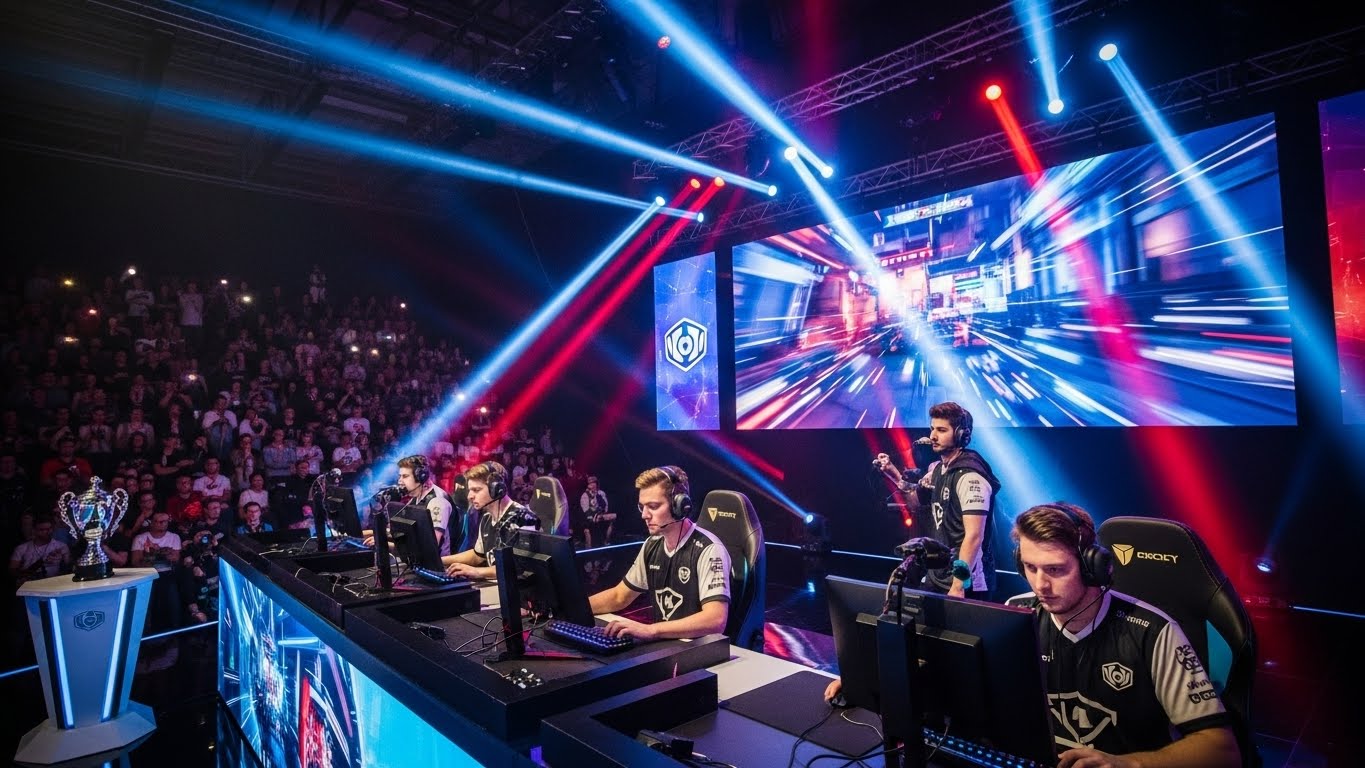
One of the most remarkable aspects of esports is the professionalization of the industry. What was once considered a hobby has transformed into a legitimate career path for many players. Professional esports athletes now train rigorously, often following schedules similar to traditional sports teams.
Training and Team Dynamics
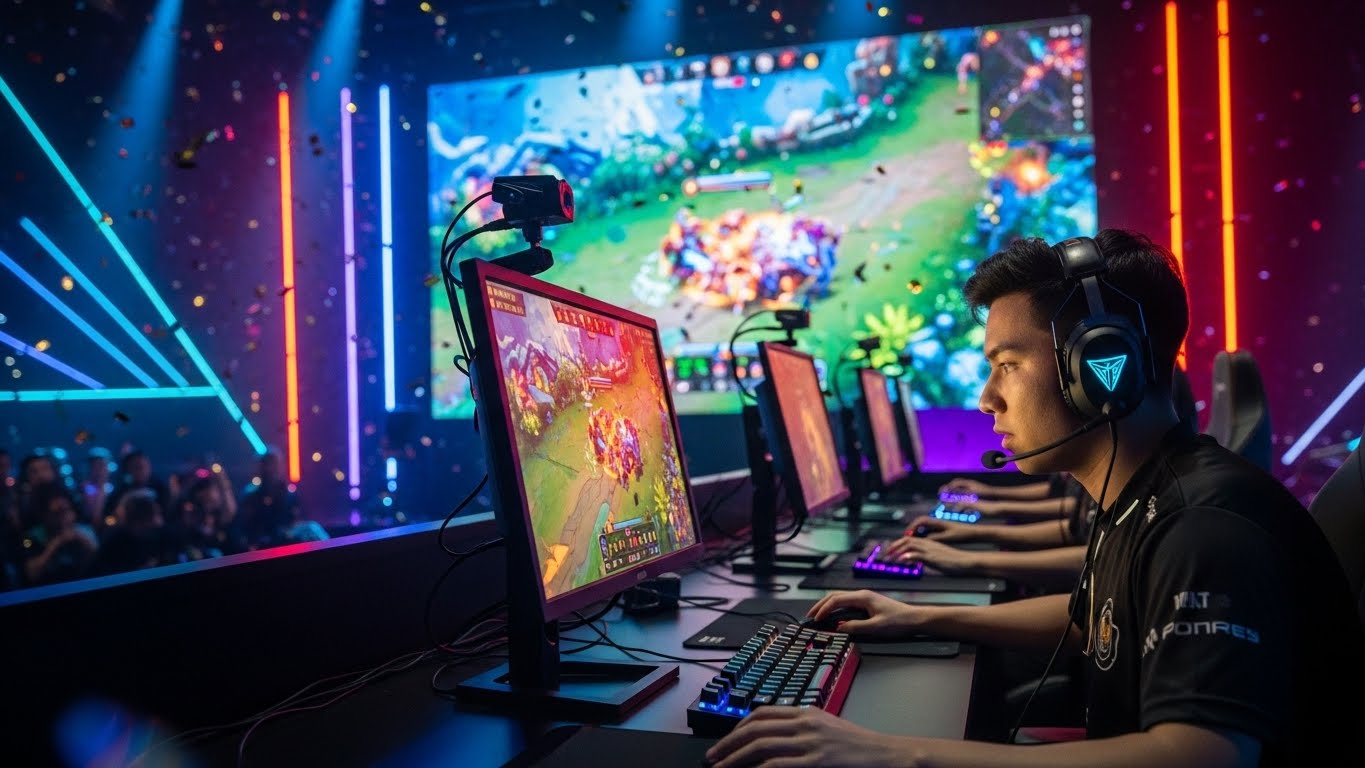
Professional esports teams adopt highly structured training regimens, emphasizing both physical and mental conditioning. Long hours are spent practicing game mechanics, studying opponent strategies, and improving communication skills. Coaches and analysts play critical roles in guiding players, much like in conventional sports. The focus on teamwork, discipline, and strategy underscores the complexity of modern esports.
Sponsorships and Brand Partnerships
As the esports industry has grown, corporate sponsorships and brand partnerships have become major revenue streams. Companies invest heavily in professional teams, tournaments, and streaming platforms, seeing esports as a valuable marketing opportunity. This influx of funding has not only increased prize pools but has also enhanced production quality, creating highly engaging and polished broadcasts for global audiences.
Tournaments and Prize Pools
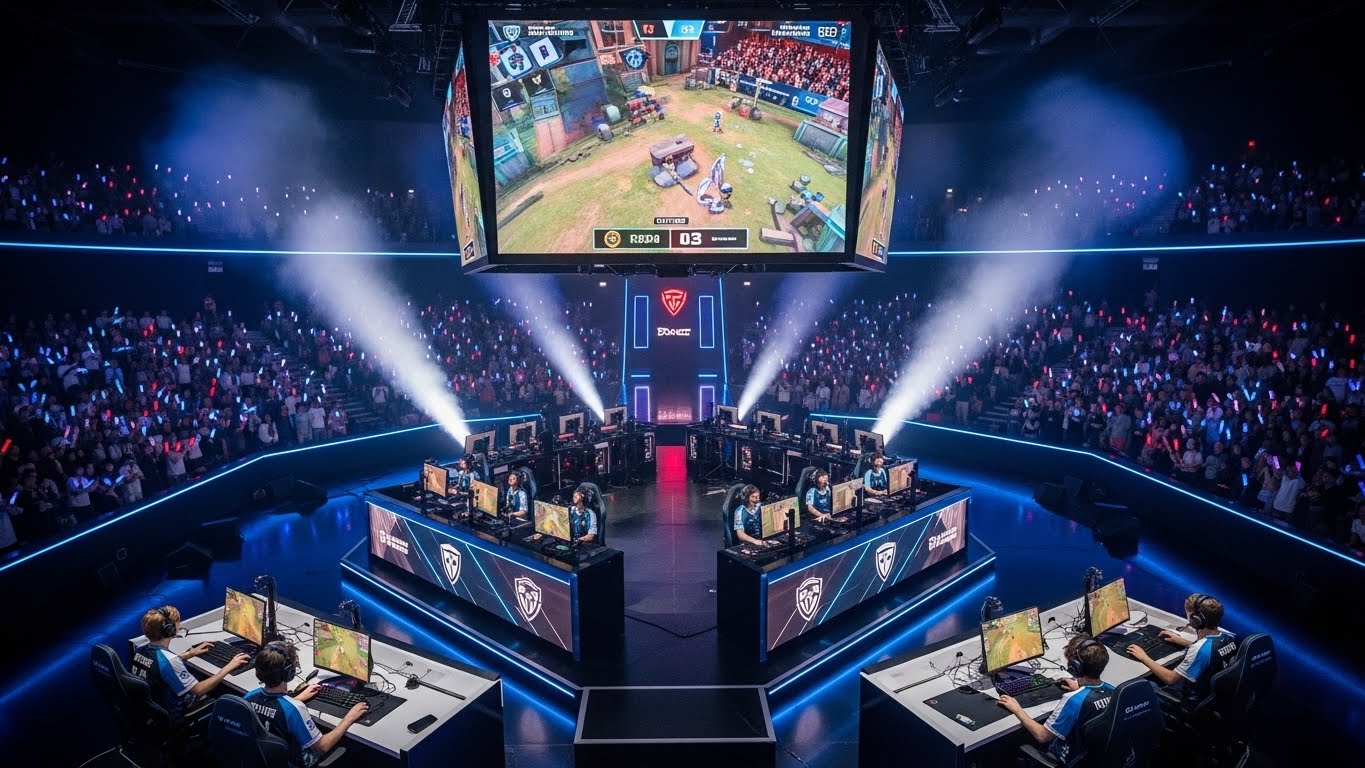
The competitive structure of esports is heavily tournament-based. Annual events such as The International for Dota 2, League of Legends World Championship, and Fortnite World Cup attract millions of viewers both online and in arenas. Prize pools for these tournaments can exceed tens of millions of dollars, demonstrating the enormous economic potential of the industry. The excitement of high-stakes competitions has also inspired amateur players to pursue professional careers, fueling the growth of the esports ecosystem.
The Role of Streaming Platforms
Streaming platforms have been a cornerstone in the rise of esports, allowing fans to watch live matches, interact with players, and engage with gaming communities. Platforms like Twitch, YouTube Gaming, and other regional streaming services have democratized access to esports content, enabling viewers from all corners of the world to participate in the excitement.
Interaction and Community Engagement
One of the unique features of esports streaming is the level of interactivity it offers. Fans can comment in real-time, participate in polls, and even influence aspects of live content. This interactive component has helped create tight-knit communities around specific games, teams, and players, fostering a sense of belonging and shared enthusiasm.
Impact on Game Development
Streaming has also influenced game development. Developers monitor streaming trends to understand which mechanics resonate with players and viewers. This feedback loop allows for rapid adjustments, patches, and updates, ensuring that games remain competitive and entertaining over extended periods. In this way, esports has reshaped not just how games are played but also how they are designed.
Cultural Impact of Esports
The cultural impact of esports is undeniable. From fashion collaborations and music partnerships to mainstream media coverage, esports has seeped into everyday culture. Professional players are now celebrated as celebrities, with fans idolizing their skills, personalities, and achievements.
Changing Perceptions of Gaming
Esports has helped shift societal perceptions of gaming. Once dismissed as a frivolous pastime, gaming is now recognized as a legitimate competitive discipline requiring skill, strategy, and dedication. Educational institutions have even begun to offer esports scholarships, providing opportunities for talented players to pursue higher education while honing their gaming skills.
Influence on Youth and Education
The rise of esports has also impacted youth culture. Schools and universities are increasingly incorporating esports programs, recognizing the potential for developing teamwork, strategic thinking, and problem-solving skills. Esports clubs and leagues provide a constructive outlet for students, merging entertainment with skill-building in an educational context.
Globalization and Cultural Exchange
Esports transcends borders, creating a global stage where players from different countries compete and collaborate. International tournaments foster cultural exchange and mutual understanding, as fans and players alike engage with diverse communities. The global reach of esports highlights its power as a unifying force in a digitally connected world.
Economic Significance of Esports
The economic footprint of esports has expanded significantly in recent years. Beyond the revenue generated by tournaments, esports has catalyzed growth in related sectors, including streaming, merchandise, gaming hardware, and digital content creation.
Job Creation and Career Opportunities
Esports has created numerous career opportunities beyond professional players. Analysts, commentators, event organizers, marketing specialists, game developers, and content creators all contribute to the ecosystem. The diversity of roles illustrates the multifaceted nature of esports as both an entertainment industry and a professional domain.
Sponsorships and Investment
Corporate investment in esports continues to surge. Brands from technology, fashion, food, and beverage industries recognize the marketing potential of engaging with a younger, tech-savvy audience. Sponsorship deals, advertising partnerships, and collaborative merchandise have transformed esports into a commercially viable ecosystem with sustainable growth prospects.
Technology and Innovation
Esports drives technological innovation as well. High-performance gaming hardware, cutting-edge streaming technology, and virtual reality platforms are constantly evolving to meet the demands of competitive gaming. This continuous push for innovation has broader implications, influencing related fields such as software development, artificial intelligence, and digital media production.
Challenges Facing Esports
Despite its rapid growth, esports faces several challenges that could impact its trajectory. These challenges span from player welfare to regulatory concerns and sustainability.
Health and Well-Being of Players
Professional players often face long hours of practice, intense competition, and high levels of stress. Physical and mental health issues, such as repetitive strain injuries, eye strain, and burnout, are prevalent. Ensuring player well-being through proper scheduling, medical support, and mental health resources is essential for the long-term sustainability of the industry.
Regulatory and Ethical Concerns
As esports grows, regulatory frameworks must keep pace. Issues such as gambling, cheating, doping, and fair compensation for players demand careful oversight. Establishing ethical guidelines and transparent governance structures will be critical in maintaining the integrity of competitive gaming.
Market Saturation and Sustainability
The rapid proliferation of esports titles and tournaments presents challenges related to market saturation. Not every game or tournament can sustain a long-term competitive scene, making it essential for developers and organizers to innovate continuously and maintain audience engagement. Ensuring sustainability requires strategic planning, community support, and adaptability.
The Future of Esports
The future of esports looks promising, with continued growth expected across multiple dimensions. Emerging technologies, increasing mainstream acceptance, and expanding global audiences are likely to shape the next phase of this digital phenomenon.
Virtual Reality and Immersive Experiences
Virtual reality (VR) and augmented reality (AR) are poised to redefine competitive gaming. These immersive technologies offer new ways to engage players and spectators, creating dynamic and interactive esports experiences that blur the lines between physical and digital competition.
Integration with Traditional Sports
Esports is increasingly intersecting with traditional sports, with collaborations between professional leagues and esports tournaments becoming more common. These integrations broaden the audience base, enhance entertainment value, and create hybrid experiences that appeal to both gamers and sports enthusiasts.
Expanding Accessibility and Inclusivity
As esports grows, there is a strong emphasis on inclusivity and accessibility. Efforts to accommodate players of different abilities, genders, and backgrounds are expanding, ensuring that esports continues to be a welcoming and diverse community. Technology, online platforms, and educational initiatives play key roles in fostering equitable participation.
Conclusion
Esports has transformed from humble arcade competitions into a global phenomenon with profound cultural, economic, and technological impact. It represents a unique convergence of entertainment, competition, and community, attracting millions of fans and creating viable career paths for professional players. Despite challenges related to health, regulation, and sustainability, the future of esports is bright, fueled by innovation, inclusivity, and global engagement.
As technology advances and gaming culture continues to evolve, esports is likely to maintain its position at the forefront of digital entertainment. It is not just a form of competition; it is a lifestyle, a community, and a testament to the limitless potential of human creativity in the digital age. The journey of esports is far from over—it is only just beginning, and the world is watching as this digital revolution unfolds.