championlounge06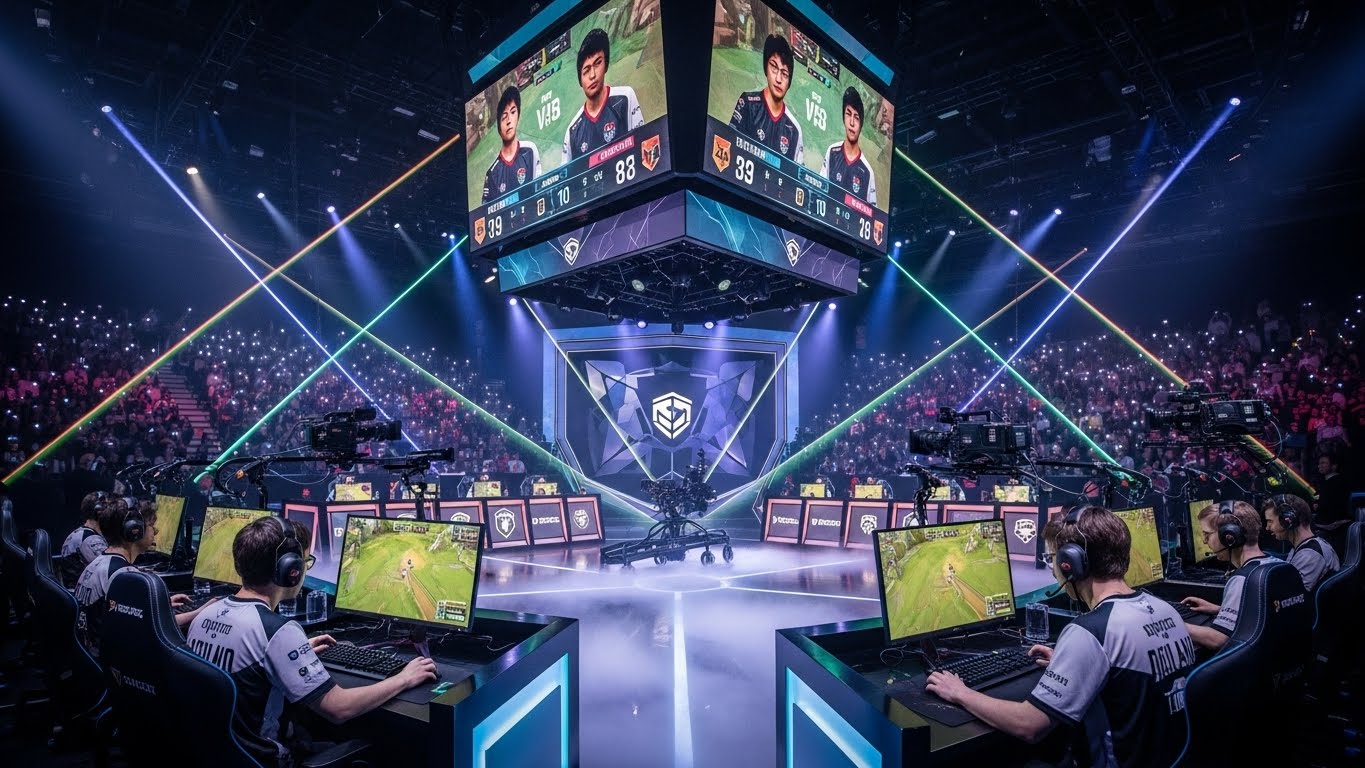
Esports is no longer just a niche activity confined to basements and college dorm rooms. Over the past decade, the competitive gaming industry has surged in popularity, evolving from a pastime enjoyed by a few to a multibillion-dollar global phenomenon. Whether you’re a casual gamer, a dedicated esports fan, or someone new to the scene, the world of esports has something exciting to offer. In this post, we will dive deep into the world of esports, examining its rise, its current state, and the future of competitive gaming.
What is Esports?
Esports, short for “electronic sports,” refers to competitive video gaming where individuals or teams compete against each other in various video game titles, often for cash prizes, sponsorships, or the prestige of being the best. Esports encompasses a wide range of genres including real-time strategy (RTS), first-person shooters (FPS), multiplayer online battle arena (MOBA), and sports simulation games. Titles like League of Legends, Counter-Strike: Global Offensive, Dota 2, and Fortnite have become household names, each supporting massive competitive scenes and global tournaments.
The key differentiator between casual gaming and esports is the professional level of play. Esports players undergo rigorous training, much like athletes in traditional sports, and participate in events that are broadcast to millions of viewers worldwide. These tournaments have evolved into huge spectacles with massive production value, often rivaling the scale of traditional sports events like the Super Bowl or the Olympics.
The Evolution of Esports
Esports has come a long way since its humble beginnings. Competitive gaming dates back to the early 1990s when tournaments like the Red Annihilation tournament for Quake drew attention from gamers. But it wasn’t until the early 2000s when online multiplayer games began to dominate that the concept of esports began to take shape. The release of StarCraft in 1998 and its subsequent rise in South Korea is often cited as the beginning of modern esports.
In South Korea, StarCraft became a cultural phenomenon. The country’s government and major media outlets recognized the potential of esports, and the first professional gaming leagues were formed. The Korean e-Sports Association (KeSPA), founded in 2000, played a pivotal role in organizing and promoting competitive gaming as a legitimate sport.
The global spread of broadband internet in the mid-2000s further accelerated the growth of esports, as it allowed players from around the world to connect and compete with each other. The introduction of streaming platforms like Twitch in 2011 gave fans unprecedented access to live broadcasts of esports events. This accessibility was crucial in turning esports into a mainstream entertainment industry.
The Current State of Esports
Today, esports has grown into a multi-billion dollar industry with millions of fans and players worldwide. Some of the most significant developments in esports include:
- Professional Teams and Leagues
Professional esports teams have become major players in the business, attracting big-name sponsors and generating significant revenue. These teams operate similarly to traditional sports franchises, with coaches, analysts, managers, and players. Popular teams like Cloud9, T1, G2 Esports, and Fnatic have loyal fan bases and compete in top-tier leagues and tournaments. The creation of organized esports leagues, such as the Overwatch League (OWL), Call of Duty League, and League of Legends Championship Series (LCS), has added structure and visibility to the industry. These leagues allow teams to compete in regular seasons, leading to playoffs and ultimately the championship event. - Massive Tournaments and Prizes
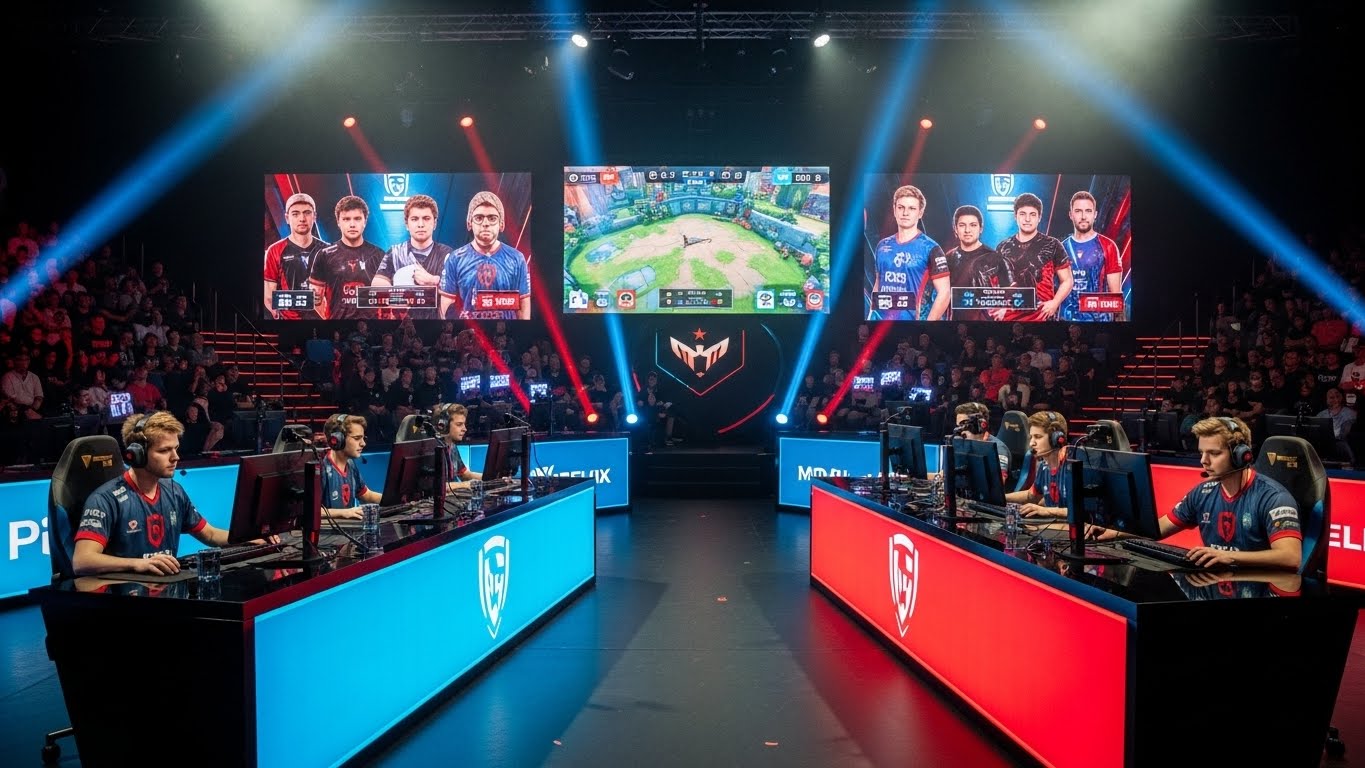
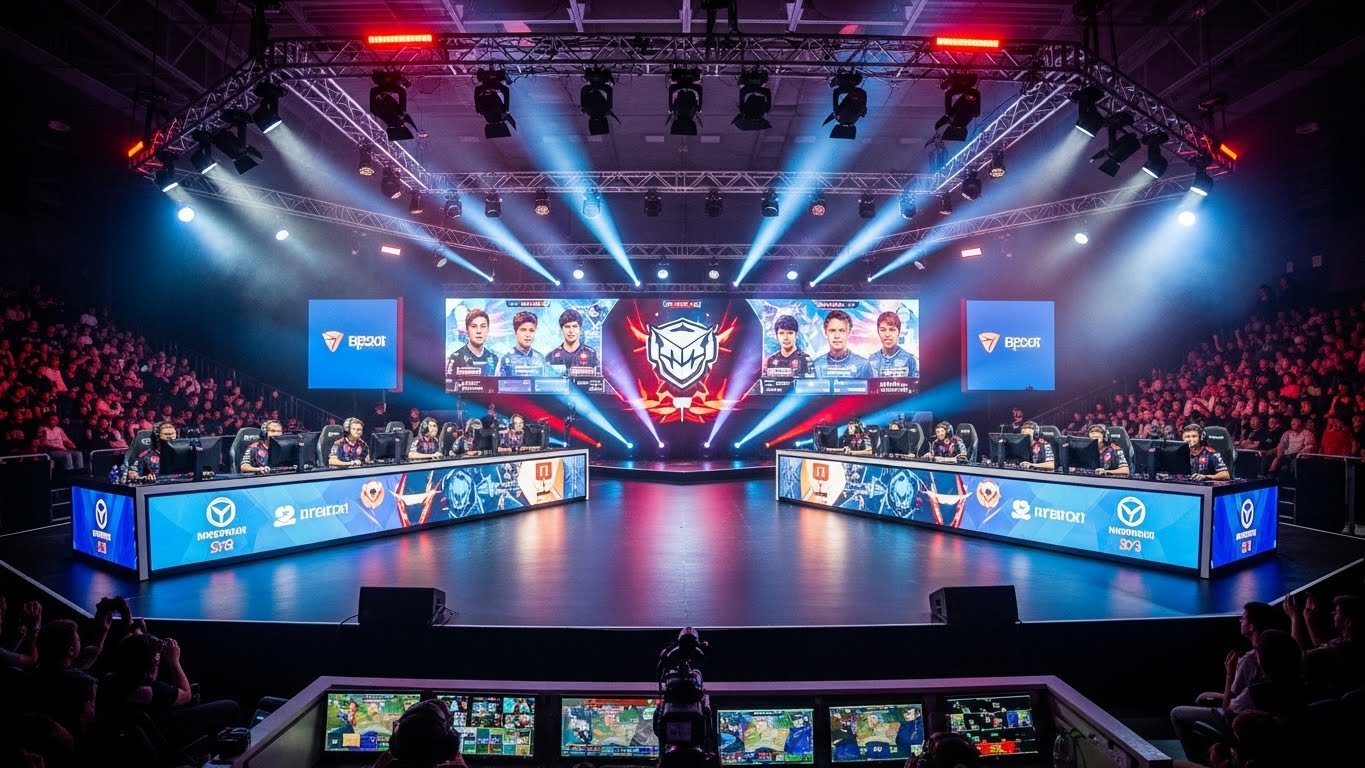
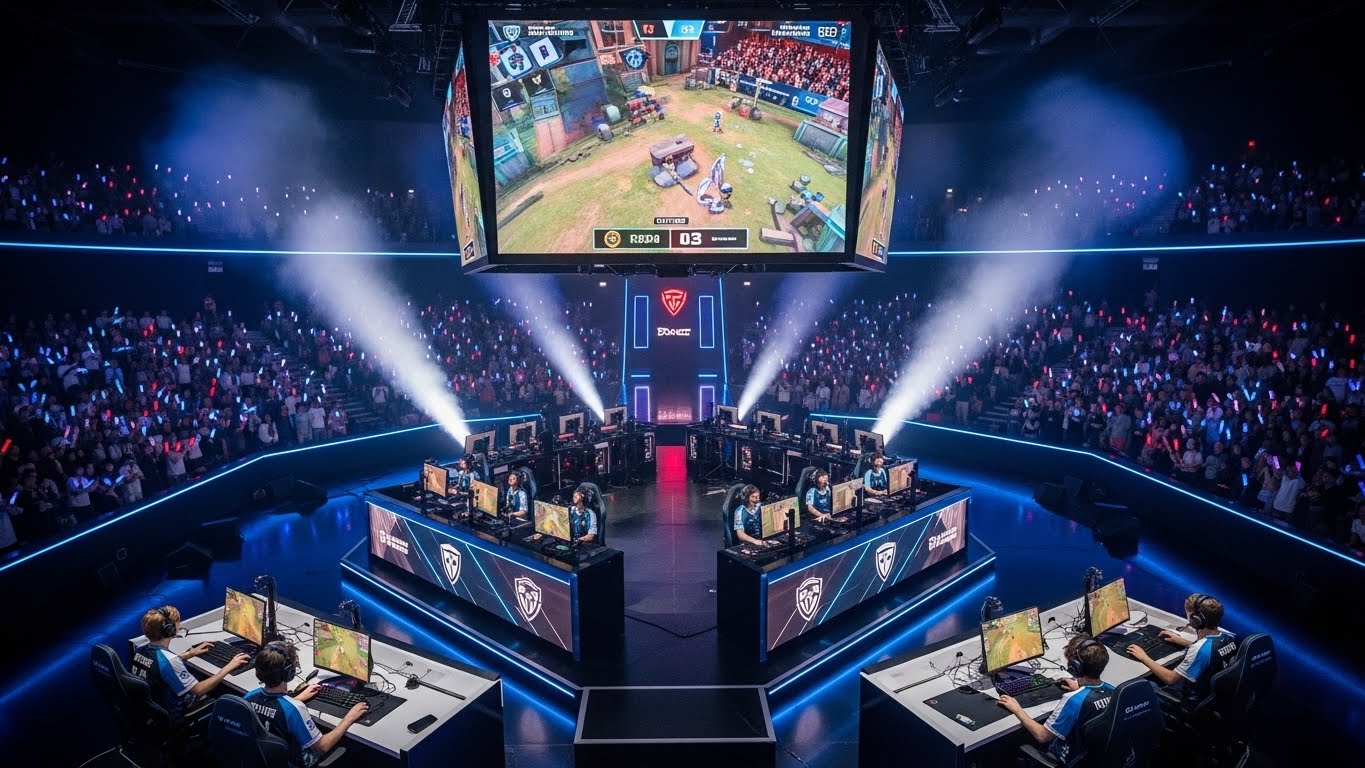
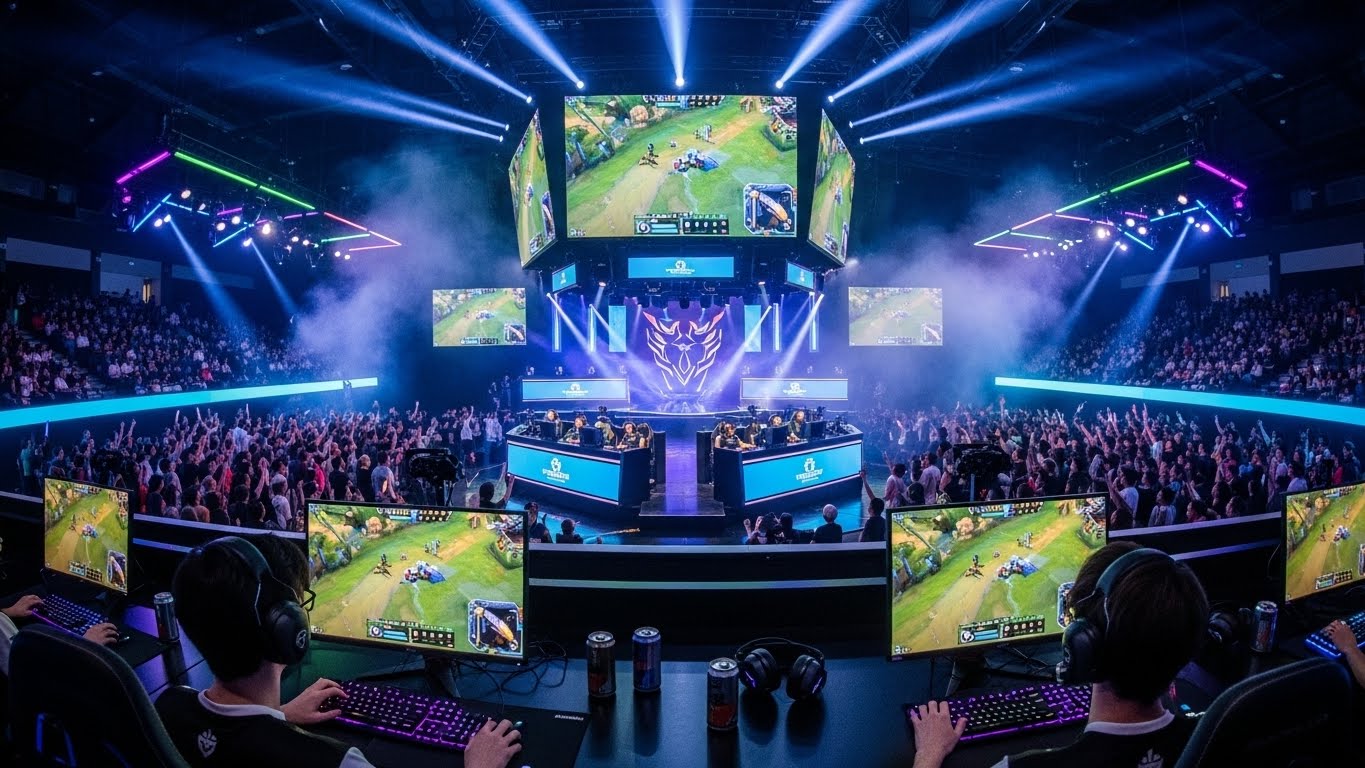
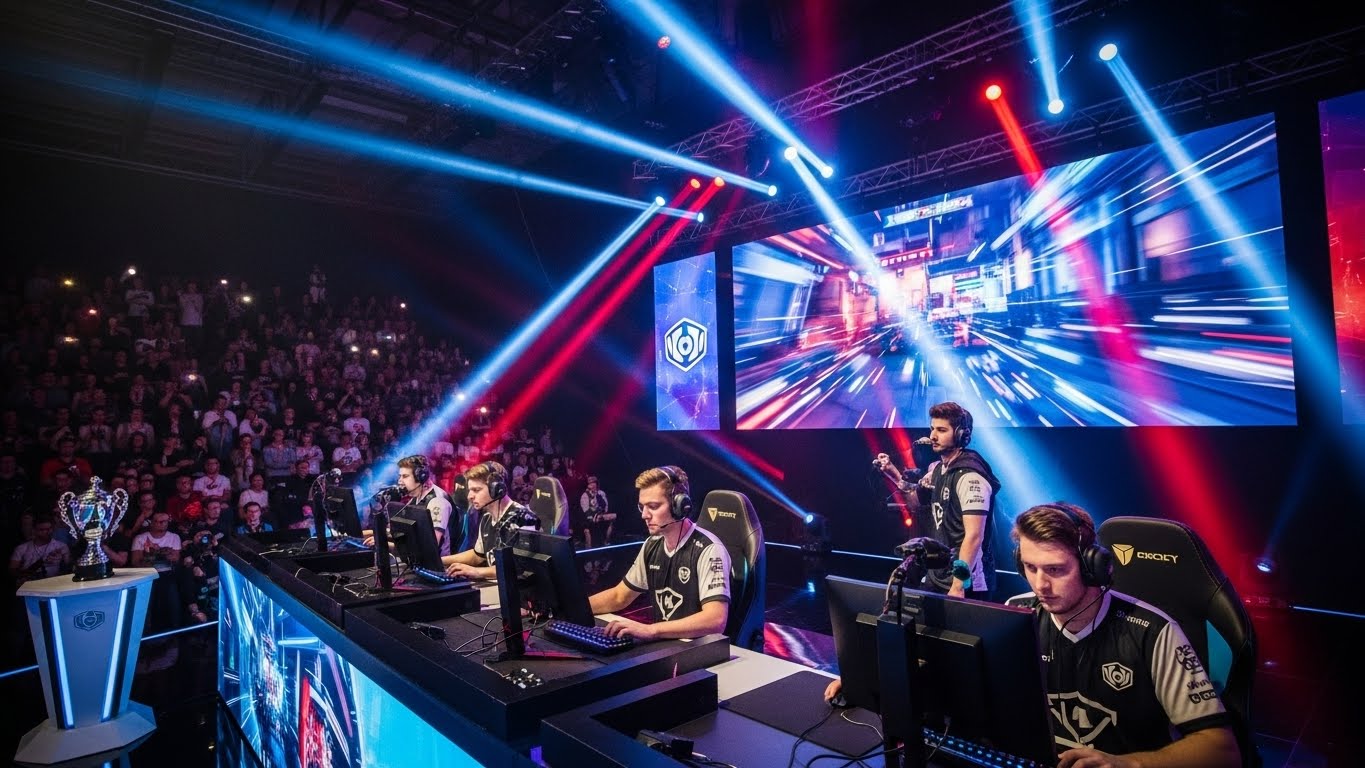
Esports tournaments have grown in scale, with events often filling arenas and stadiums with thousands of spectators. The International, the premier Dota 2 tournament, offers some of the largest prize pools in esports, often exceeding $30 million. The League of Legends World Championship attracts millions of viewers, with the 2020 finals reaching a peak viewership of 3.8 million concurrent viewers. These tournaments are also broadcast live on streaming platforms, allowing millions more to watch remotely. Companies like Riot Games, Valve, and Blizzard Entertainment have invested heavily in creating high-quality productions, ensuring that viewers receive an entertaining experience that mirrors traditional sports broadcasts. - Esports Viewership
The global audience for esports continues to grow, with estimates suggesting that there are over 450 million esports enthusiasts worldwide, a number that is expected to increase significantly in the coming years. Streaming platforms like Twitch and YouTube Gaming have become essential for fans to stay connected to their favorite games and players. In fact, Twitch alone has more than 15 million daily active users, with hundreds of thousands of live streams at any given time. These platforms not only serve as the primary means of watching esports, but they also offer a way for fans to engage with players through live chat, donations, and subscriptions. This level of interactivity has created a strong bond between players and their fanbases. - Diversity and Inclusion
As esports grows, it is becoming more inclusive, with players from diverse backgrounds entering the scene. Gender, race, and nationality no longer serve as barriers to entry. While esports has historically been male-dominated, the rise of women’s leagues and organizations like Women in Games is helping to create a more inclusive environment. Additionally, grassroots organizations have emerged to support underrepresented communities, ensuring that esports is open to all. This inclusivity is helping esports reach a broader audience and gain legitimacy as a global entertainment medium. The representation of various cultures, both within the games themselves and in the tournaments, makes esports a truly international and cross-cultural phenomenon.
The Impact of Esports on Traditional Sports
Esports has had a profound impact on traditional sports, influencing everything from broadcasting to sponsorship deals. Many major sports organizations have started to invest in esports teams, recognizing the potential for synergy between the two industries.
For example, traditional sports teams like the Dallas Cowboys and Paris Saint-Germain have launched their own esports teams to compete in games like FIFA and League of Legends. These investments signal the growing recognition of esports as a legitimate part of the global sports ecosystem.
In addition, traditional sports broadcasters such as ESPN and Fox Sports have started to feature esports content, including tournament coverage and player interviews. This crossover has helped to normalize esports in mainstream media and attract new fans who may not have previously engaged with gaming culture.
The Business of Esports
Esports is not just a cultural and entertainment phenomenon; it is also a booming business. The industry is driven by multiple revenue streams, including:
- Sponsorships and Advertising
Major brands like Intel, Coca-Cola, and Nike have invested heavily in esports sponsorships. These brands recognize the value of reaching younger, tech-savvy audiences who spend significant time watching esports content. The advertising opportunities within esports are vast, from in-game ads to sponsored content during live broadcasts. - Merchandising
Teams and game developers sell a wide range of merchandise, from jerseys and hats to collectibles. Fans are eager to support their favorite teams, and the esports merchandising market has become a significant source of revenue. - Streaming and Media Rights
The sale of media rights for esports tournaments is another lucrative revenue stream. Platforms like Twitch and YouTube pay for the exclusive rights to broadcast certain events, allowing game developers and tournament organizers to profit from the growing demand for esports content. - Esports Betting
Similar to traditional sports, esports betting has become a popular activity among fans. Betting on esports tournaments is now a multi-million-dollar industry, with fans placing wagers on outcomes, match results, and even individual player performances.
The Future of Esports
The future of esports looks incredibly promising. Here are a few trends to watch in the coming years:
- Virtual Reality (VR) and Augmented Reality (AR)
With the continued development of VR and AR technologies, it’s only a matter of time before esports becomes even more immersive. VR esports events could provide players with a more lifelike experience, while AR could enhance broadcasts by providing viewers with real-time data and stats overlaid on the gameplay. - Mobile Esports
Mobile gaming is on the rise, and mobile esports tournaments are quickly gaining traction. Titles like PUBG Mobile and Free Fire have already proven to be incredibly popular, particularly in regions like Southeast Asia and India. The growth of mobile esports could help further globalize the industry, as more people can participate and watch esports on their smartphones. - Esports Integration into Education
Many schools and universities are beginning to offer esports scholarships and have started to establish their own esports programs. This could lead to the rise of esports academies that nurture future professional players. Additionally, some schools have integrated esports into their curriculum, teaching students about the business, production, and marketing of esports events. - Global Expansion
As the esports industry continues to grow, it is likely that new regions, such as Africa and the Middle East, will see a rise in competitive gaming. The global expansion of esports will help to further diversify the player base and audience, making esports an even more inclusive and global activity.
Conclusion
Esports is more than just a trend—it’s a cultural shift. From a niche hobby to a global entertainment industry, esports has revolutionized how we view competition and gaming. With its professional infrastructure, growing fanbase, and ever-increasing investment, esports is here to stay. As technology continues to evolve and new players and teams emerge, esports will continue to grow, creating even more exciting opportunities for players, fans, and businesses alike.