championlounge06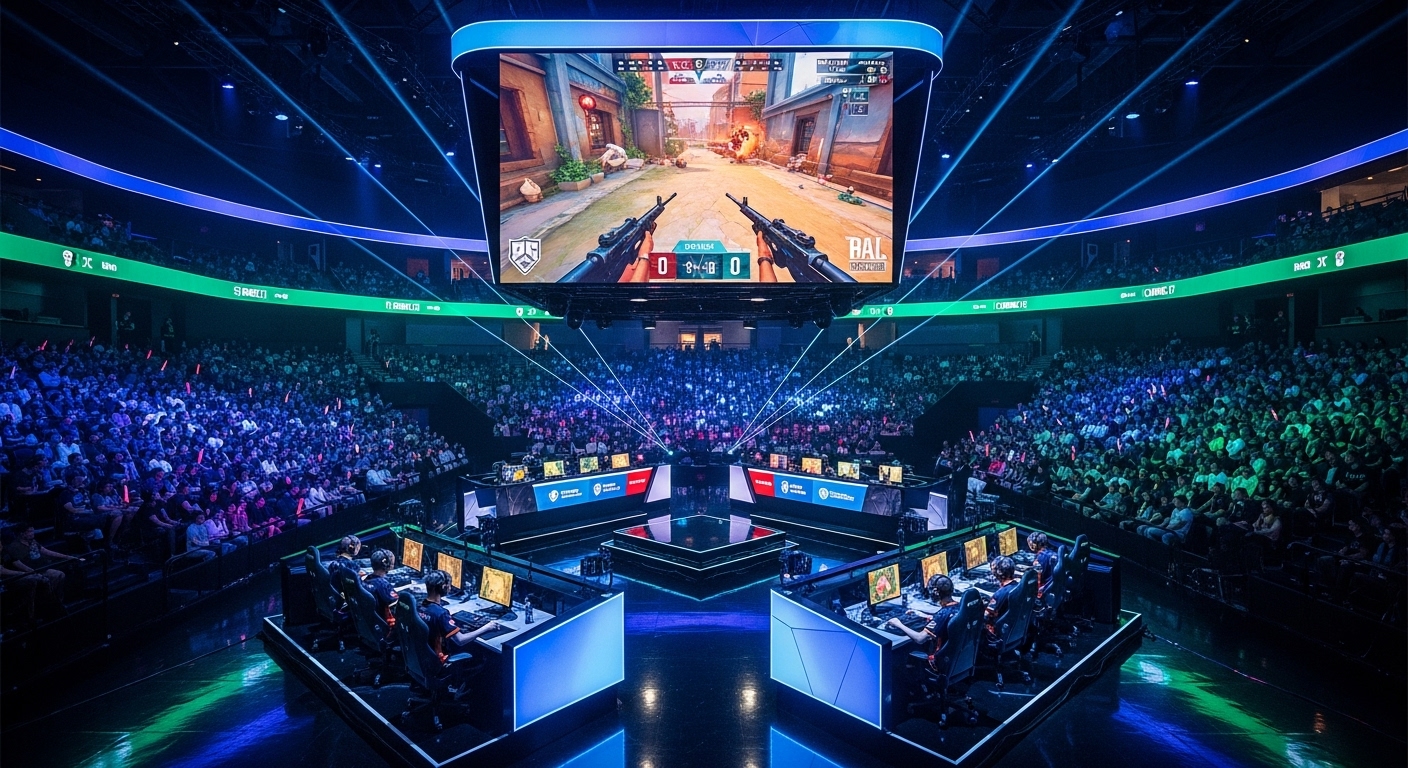
Introduction: The New Era of Competitive Gaming
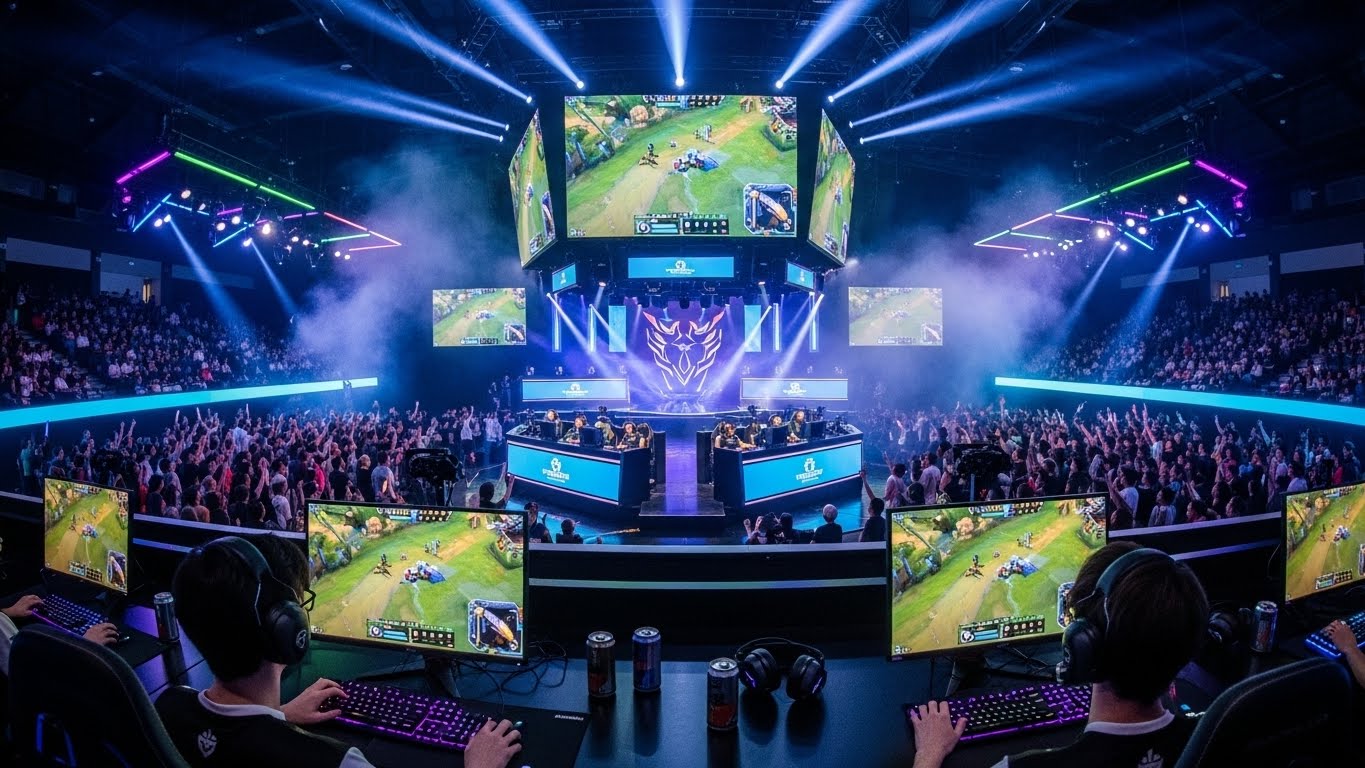
Esports, once a niche hobby enjoyed by a small group of enthusiasts, has now evolved into a global phenomenon. Today, millions of people watch, play, and even make a living through competitive gaming. What started as casual play in basements and local tournaments has grown into a multi-billion-dollar industry, with professional leagues, sponsorships, and international events attracting thousands of viewers both in-person and online.
This surge in popularity has sparked a shift in how we perceive gaming, turning it from a mere pastime into a legitimate career path and a form of entertainment on par with traditional sports. But what’s driving this meteoric rise, and where is esports headed in the future? Let’s dive deeper into the world of esports and explore why it’s more than just a game.
The Growth of Esports: A Multi-Billion Dollar Industry
Over the past decade, the esports industry has exploded in both size and scope. In 2023, the global esports market was valued at over $1.5 billion, and experts predict this figure will continue to grow in the coming years. What was once limited to small-time tournaments is now a thriving ecosystem with professional teams, streaming platforms, sponsorships, and dedicated fanbases.
Big corporations, such as Coca-Cola, Intel, and Red Bull, have recognized the potential of esports and have poured millions into sponsorship deals, advertisements, and partnerships. Esports is no longer confined to the gaming community; it’s now firmly embedded in mainstream entertainment. The rise of platforms like Twitch and YouTube Gaming has further fueled this growth, allowing gamers to showcase their skills, build communities, and connect with fans around the world.
The Esports Ecosystem: Teams, Leagues, and Events
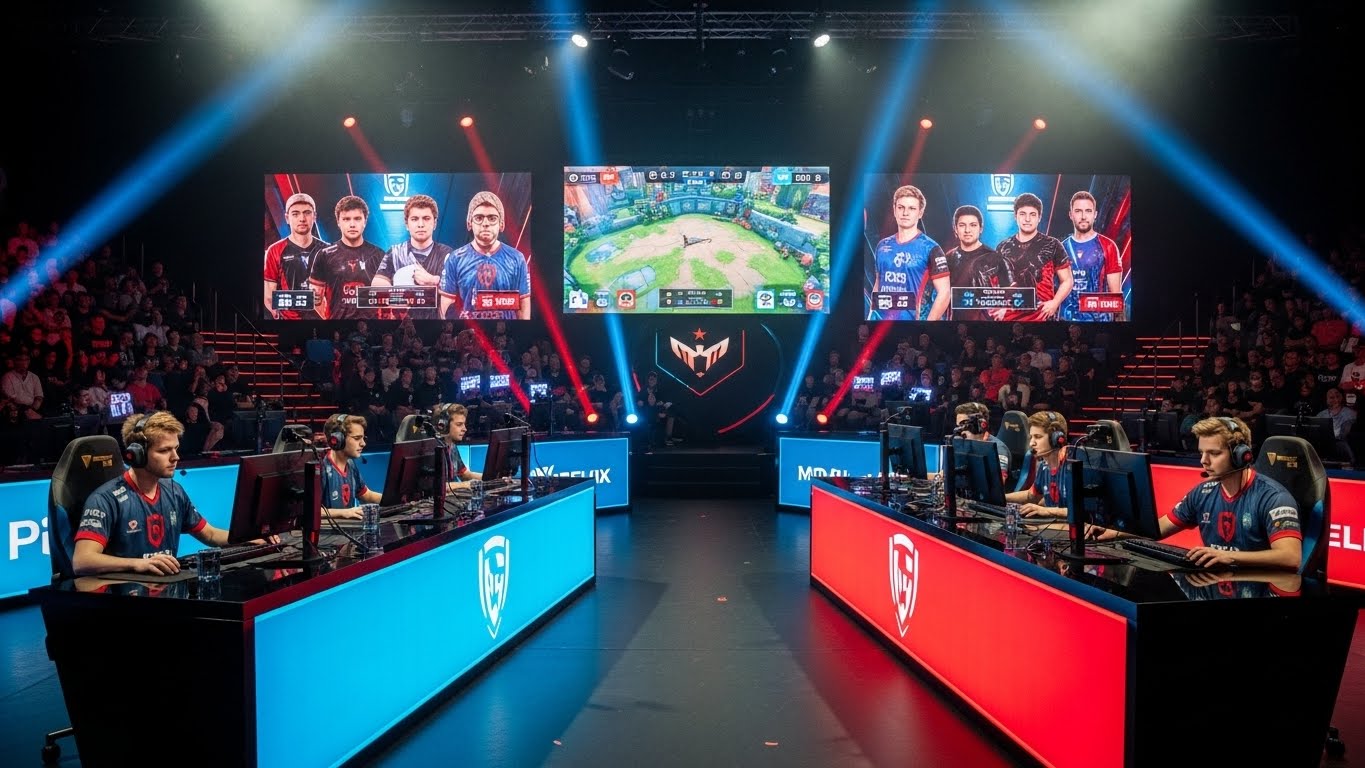
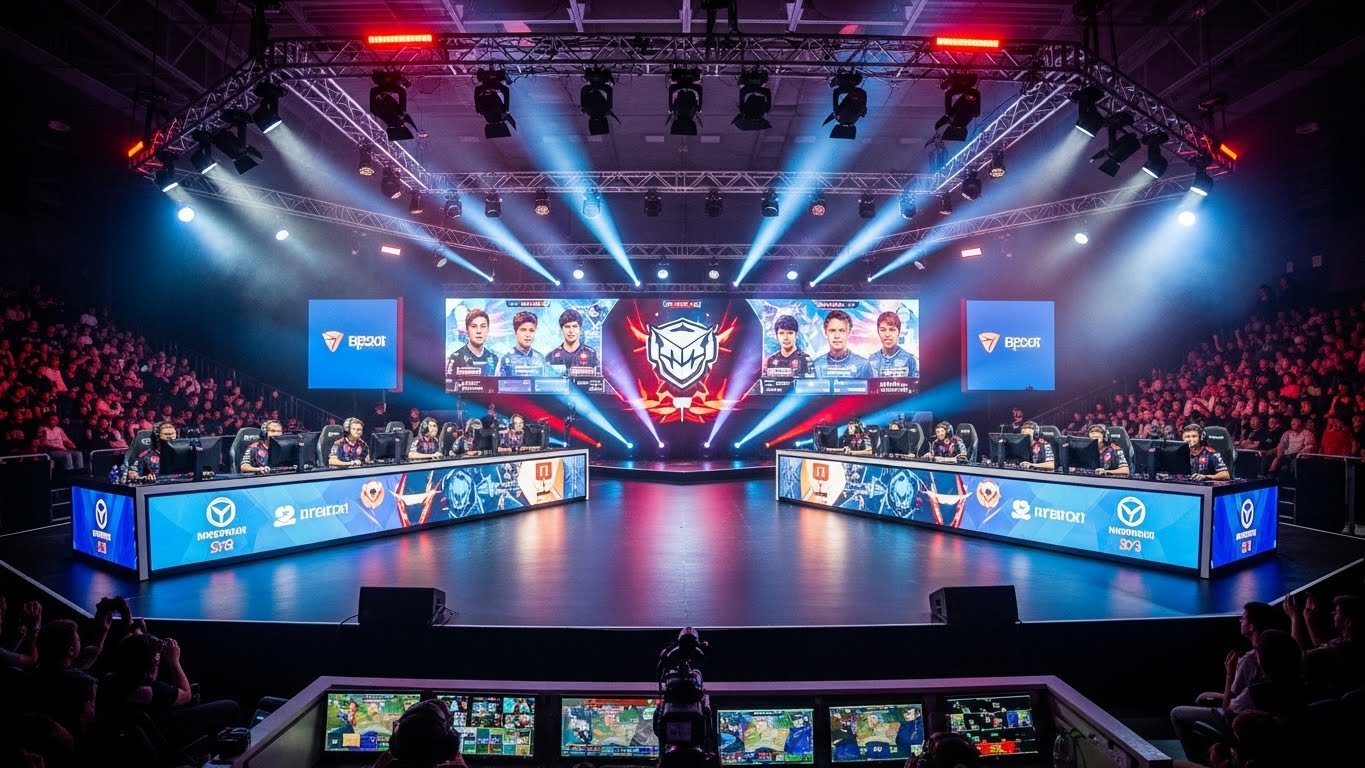
At the heart of the esports industry lies a complex ecosystem consisting of professional teams, leagues, and tournaments. Major esports titles such as League of Legends, Dota 2, Counter-Strike: Global Offensive, and Fortnite have spawned international leagues and competitions, with players battling for massive cash prizes and global recognition.
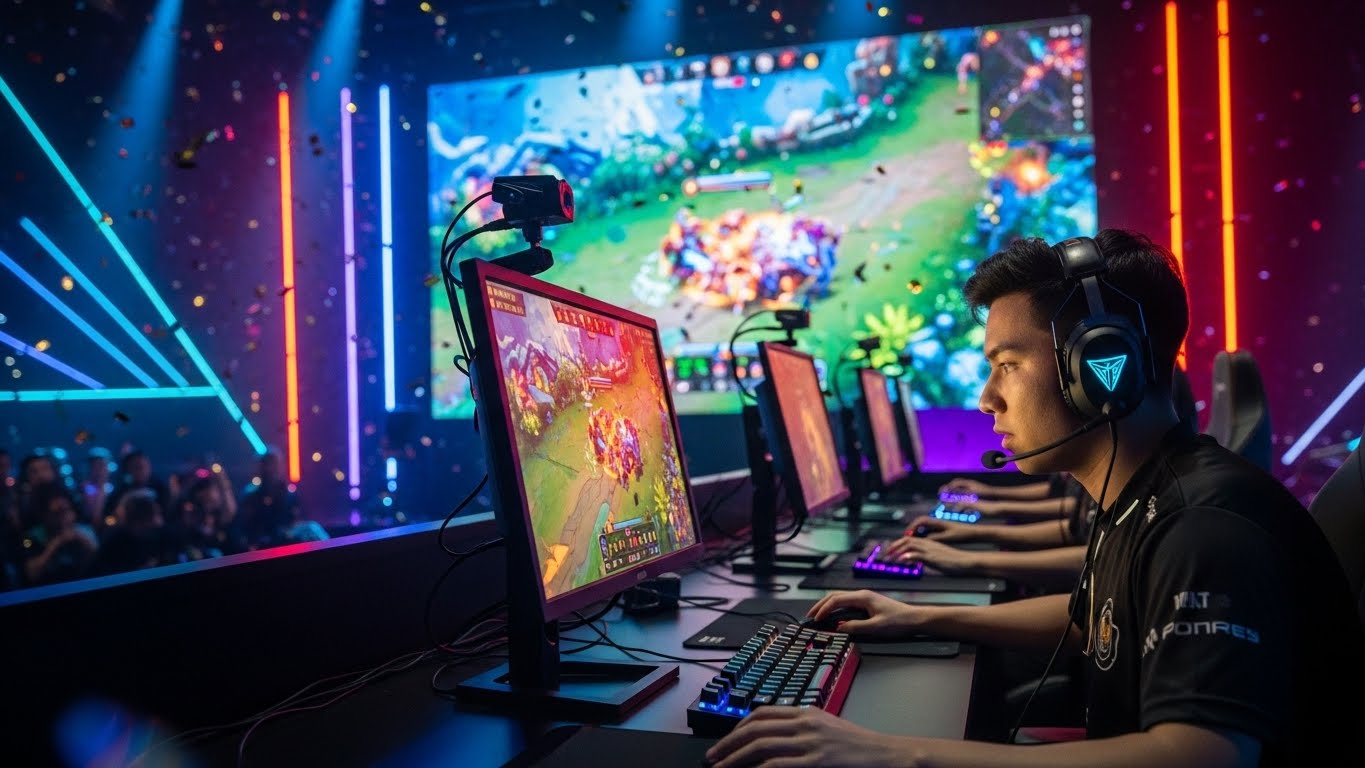
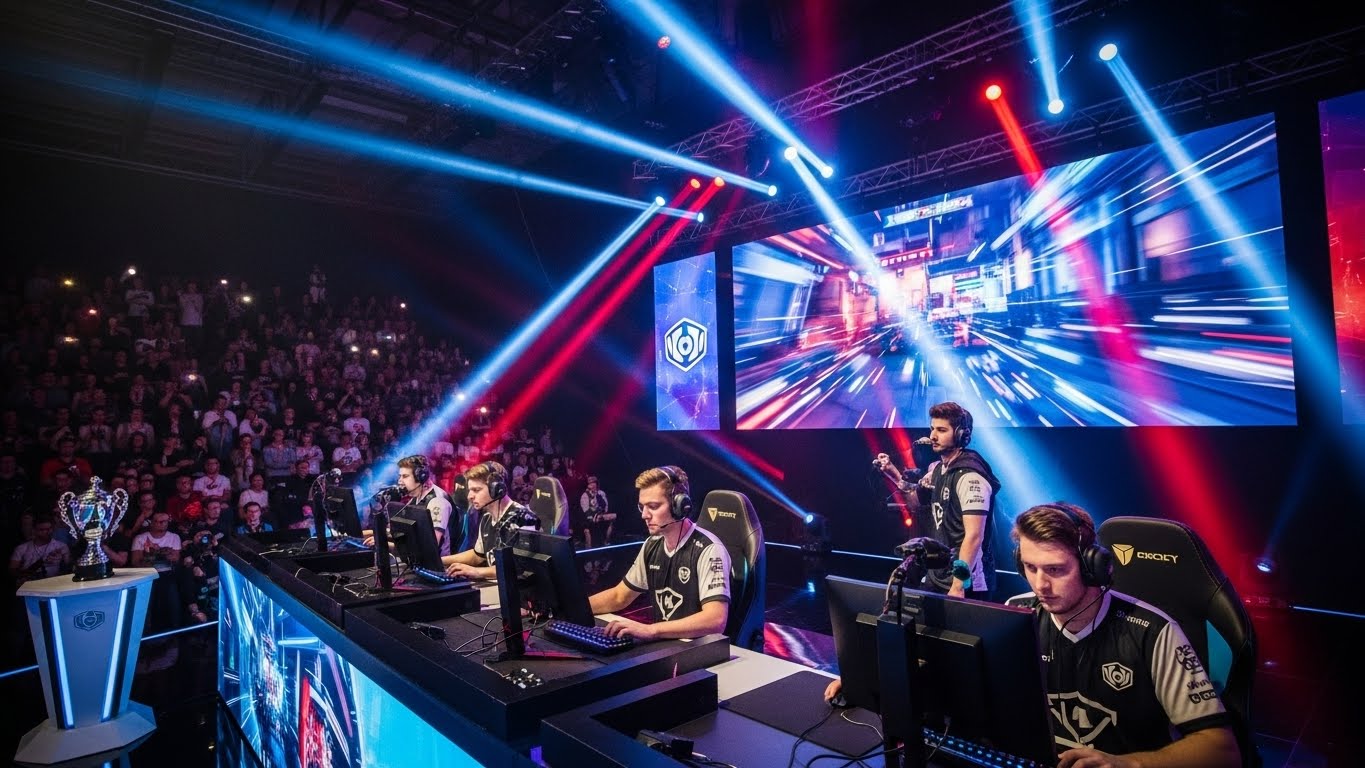
Teams and players in the esports world are treated like their traditional sports counterparts. They train intensively, develop strategies, and work with coaches to hone their skills. Esports athletes compete in online and offline tournaments, with some events drawing millions of viewers. For example, The International, an annual Dota 2 tournament, boasts prize pools that can reach tens of millions of dollars, making it one of the richest esports competitions in the world.
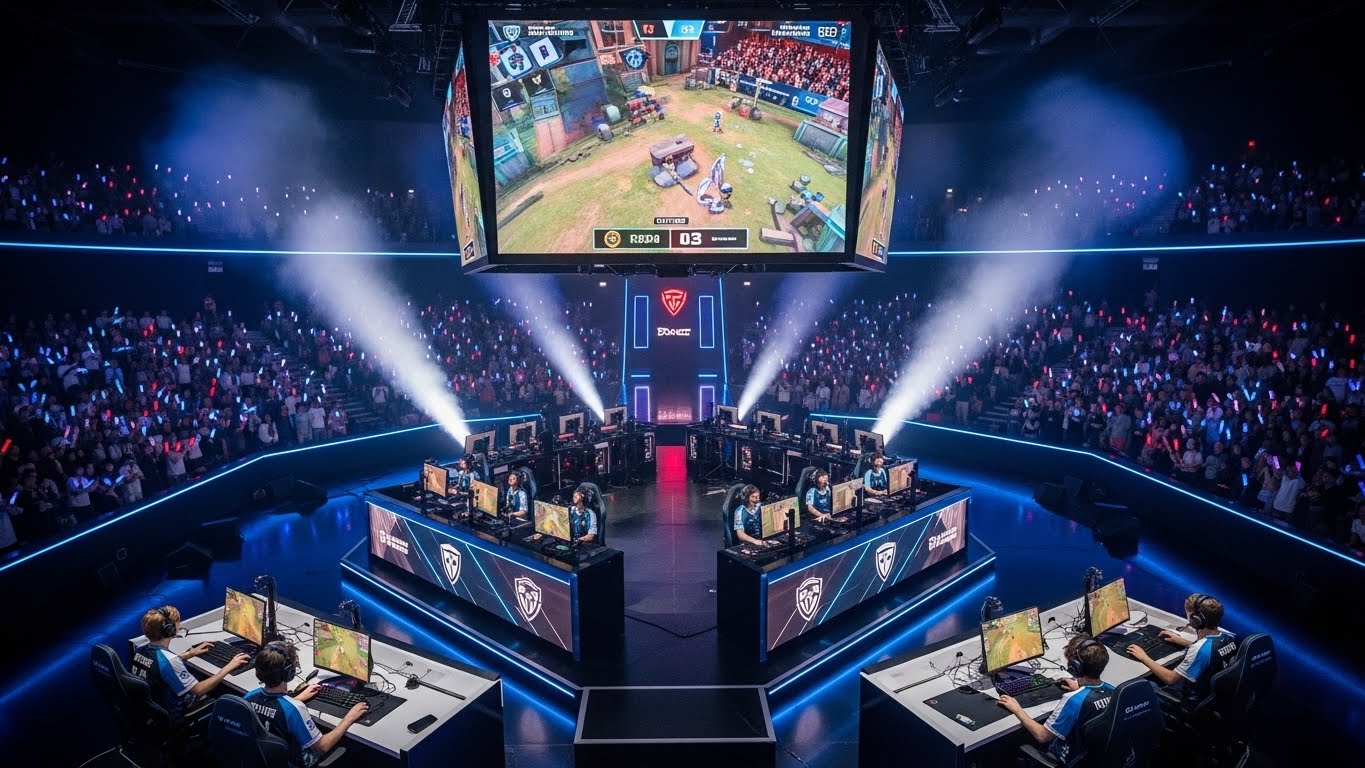
Just like in traditional sports, esports fans follow their favorite teams and players, buying merchandise, tuning in for live streams, and even attending live events in stadiums. This passionate fanbase creates a sense of community and loyalty that drives the industry forward.
The Role of Streaming Platforms: Making Esports Accessible
Streaming platforms like Twitch and YouTube Gaming have played a pivotal role in the rise of esports. These platforms allow players to stream their gameplay live, engage with their audience, and build personal brands. The accessibility of streaming has democratized the gaming world, giving anyone with the right skills and equipment the chance to become a content creator or professional player.
Twitch, in particular, has become the epicenter of esports content. It’s where players showcase their competitive matches, stream “watch parties” of live events, and interact with fans in real-time. In 2023, Twitch saw over 15 million active daily users, with many tuning in to watch esports tournaments and gameplay sessions. The ability to engage directly with viewers has made streaming not only a form of entertainment but also a lucrative career path for top streamers and pro gamers alike.
The Esports Audience: A New Generation of Fans
Esports has attracted a new generation of sports fans—millennials and Gen Z—who are more inclined to engage with digital content than traditional media. The gaming audience is younger, diverse, and tech-savvy, often seeking fast-paced, interactive experiences rather than passive viewing. This shift in viewing habits has made esports a perfect fit for the digital age.
Unlike traditional sports, which often require fans to attend physical events or watch games on TV, esports can be accessed anytime, anywhere. With global streaming options, fans from different countries can tune in to the same tournament in real-time, creating an unprecedented sense of global unity among viewers.
The accessibility of esports has also helped break down barriers. Unlike traditional sports, which often require expensive equipment or physical prowess, gaming can be enjoyed by anyone with a computer or gaming console. This inclusivity has led to a more diverse fanbase and player pool, allowing esports to grow rapidly across different regions of the world.
Esports as a Career: Opportunities Beyond Playing
For many, the ultimate dream in esports is to become a professional player, competing on an international stage. However, the esports industry offers a wide range of career opportunities beyond just playing. From coaching and team management to broadcasting, event production, marketing, and game design, esports has created a booming job market.
In fact, the rise of esports has led to the creation of college and university programs that focus on esports management, coaching, and content creation. Colleges across the U.S. and Europe are now offering scholarships and degree programs for aspiring esports professionals, recognizing the industry as a legitimate and valuable career path.
Additionally, esports influencers and streamers have turned their online presence into full-fledged businesses. Top personalities can make significant revenue through sponsorships, brand deals, merchandise sales, and donations from their fans. This has resulted in a new wave of digital entrepreneurs who are capitalizing on the growing demand for esports-related content.
The Challenges Ahead: Legitimacy and Sustainability
Despite its growth, esports still faces a few challenges. One of the primary concerns is the issue of legitimacy. While esports has gained mainstream attention, some critics argue that it lacks the physicality and traditional sportsmanship associated with more conventional sports. Additionally, the mental and physical toll that constant gaming can have on players is a growing concern, with players experiencing burnout, injuries, and mental health challenges.
Another challenge is the sustainability of the industry. As the esports ecosystem grows, so does the pressure to maintain long-term success. While sponsorships and viewership continue to rise, the industry must continue to innovate and adapt to changing trends, especially as younger audiences seek new ways to consume content and engage with their favorite teams and players.
Conclusion: The Future of Esports
The future of esports looks incredibly bright, with new technological innovations, increased investment, and a rapidly expanding audience. The industry is set to continue evolving, becoming more integrated into mainstream culture and attracting even more global recognition.
As esports continues to gain legitimacy, it will likely become a staple in the entertainment industry alongside traditional sports. With its unique combination of skill, strategy, and community, esports is redefining what it means to be a competitive athlete in the 21st century.
Whether you’re a casual gamer or a die-hard fan, one thing is clear: esports is here to stay, and it’s only going to get bigger and more exciting as the years go on.