championlounge06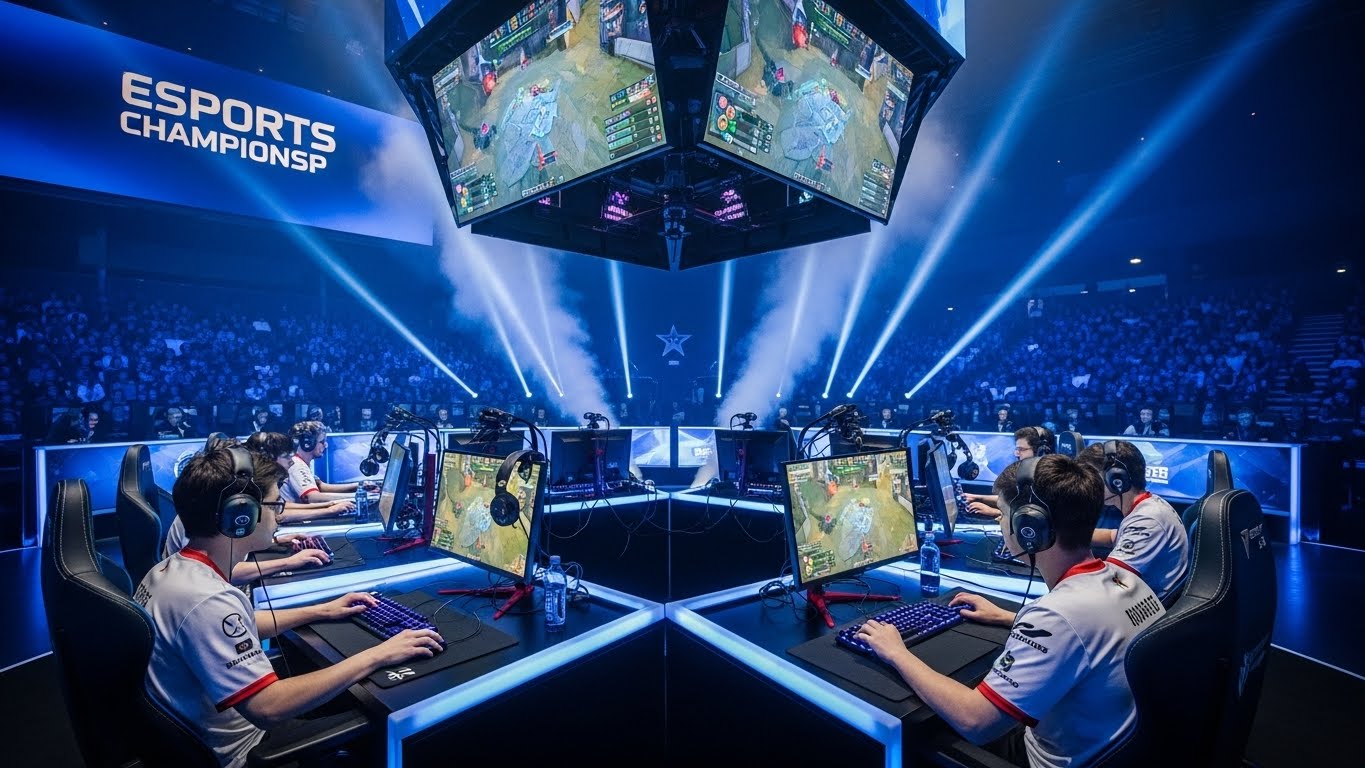
Introduction: The Digital Playground Becomes a Global Stage
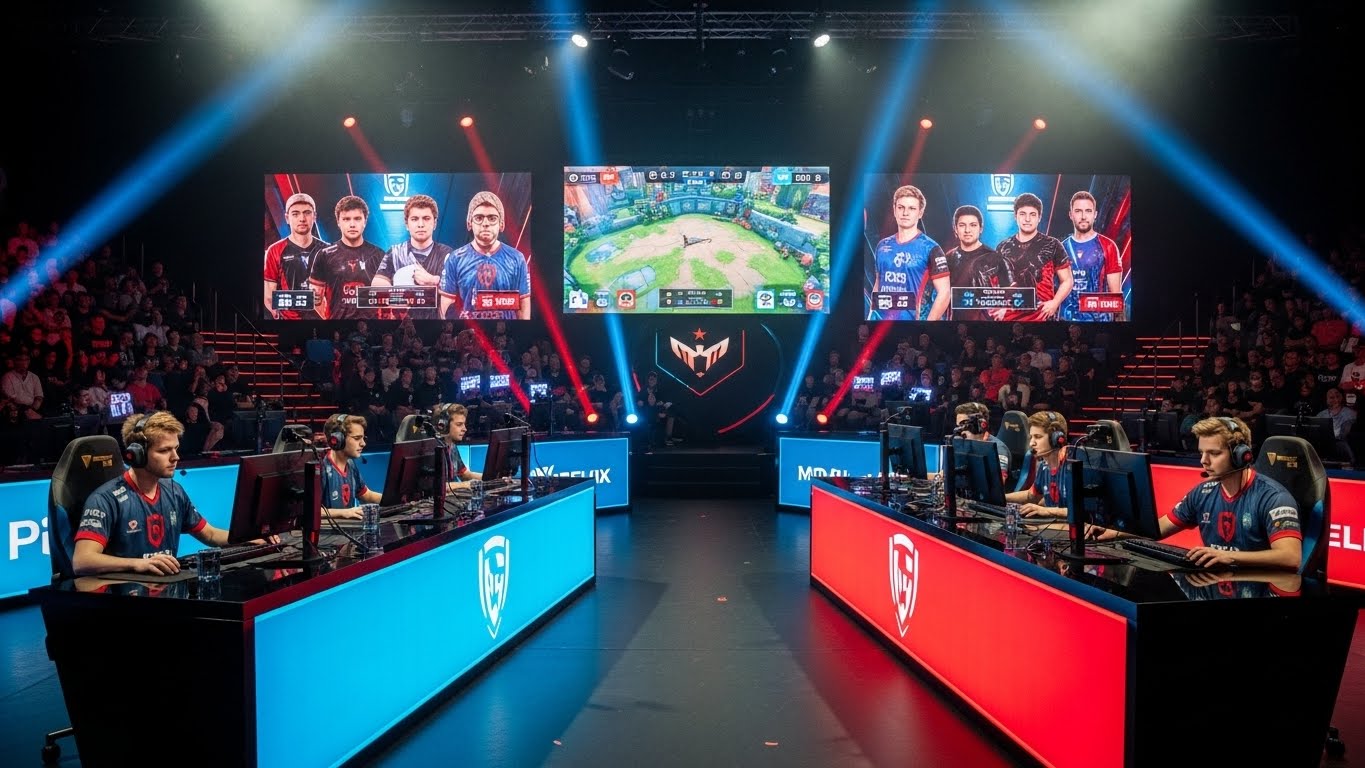
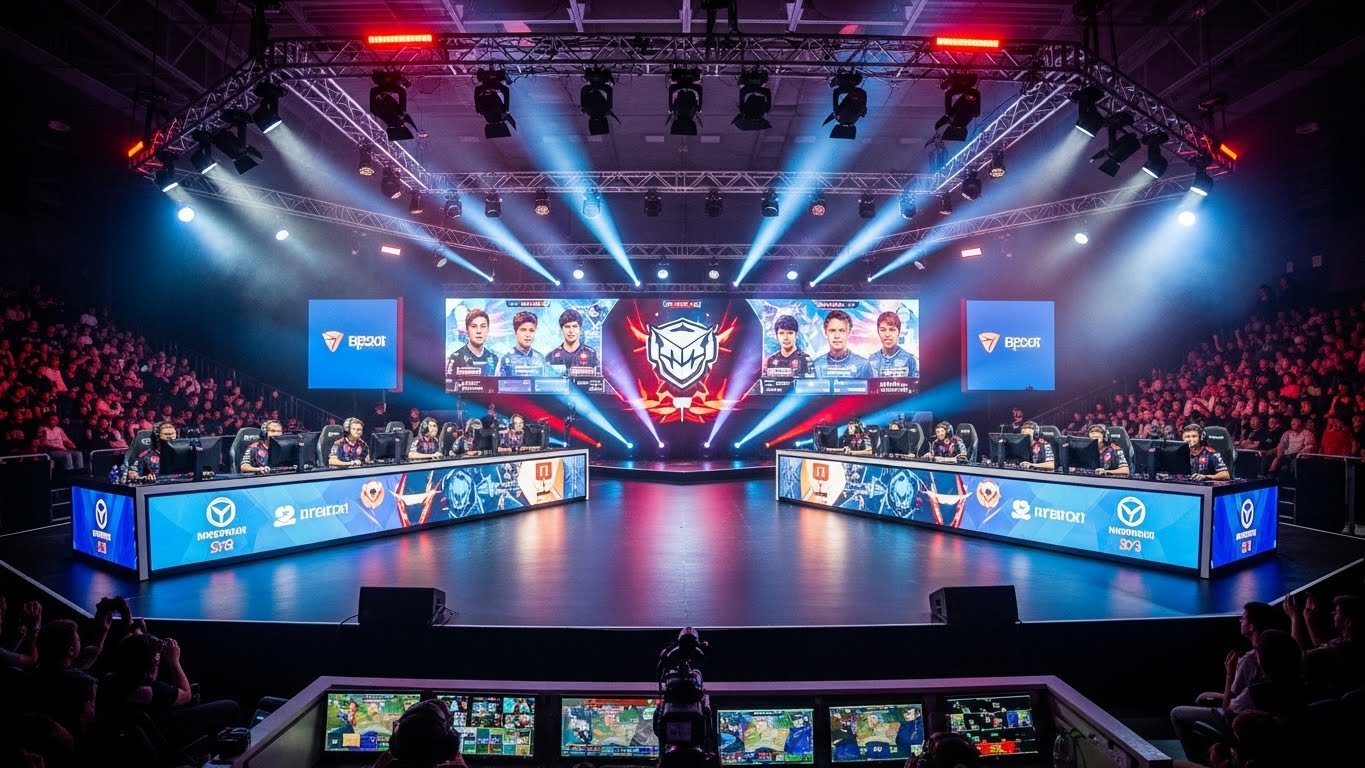
In the past decade, esports has transformed from a niche activity for gamers into a global cultural and economic force. What began as small, localized tournaments for video game enthusiasts has now blossomed into a multi-billion-dollar industry. With major leagues, professional teams, celebrity gamers, and millions of fans, esports has taken its place alongside traditional sports as a mainstream form of entertainment. This rapid rise has sparked debates, attracted massive investment, and captivated the attention of millions across the globe. But what exactly is driving this phenomenon, and how has esports achieved such rapid success?
In this blog post, we will explore the rise of esports, its cultural impact, the business side of the industry, and what the future holds for this rapidly growing digital arena.
The Roots of Esports: How Gaming Became Competitive
The roots of esports can be traced back to the early days of competitive gaming. While people have been playing video games for entertainment since the 1970s, it wasn’t until the late 1990s and early 2000s that competitive gaming truly began to take shape. Games like “Quake” and “StarCraft” laid the groundwork for esports competitions, with players competing in regional tournaments. These early competitions were a far cry from the massive, global spectacles we see today, but they were a starting point.
The real transformation came with the rise of the internet and digital platforms, which allowed players to compete against each other online. This shift created the foundation for larger, more organized tournaments and leagues. The creation of platforms like Twitch in 2011 revolutionized how esports was consumed. Gamers could now broadcast their play, interact with their audience, and build a community around their gameplay. This accessibility and the ability to connect players and fans across the world were game-changers for the esports industry.
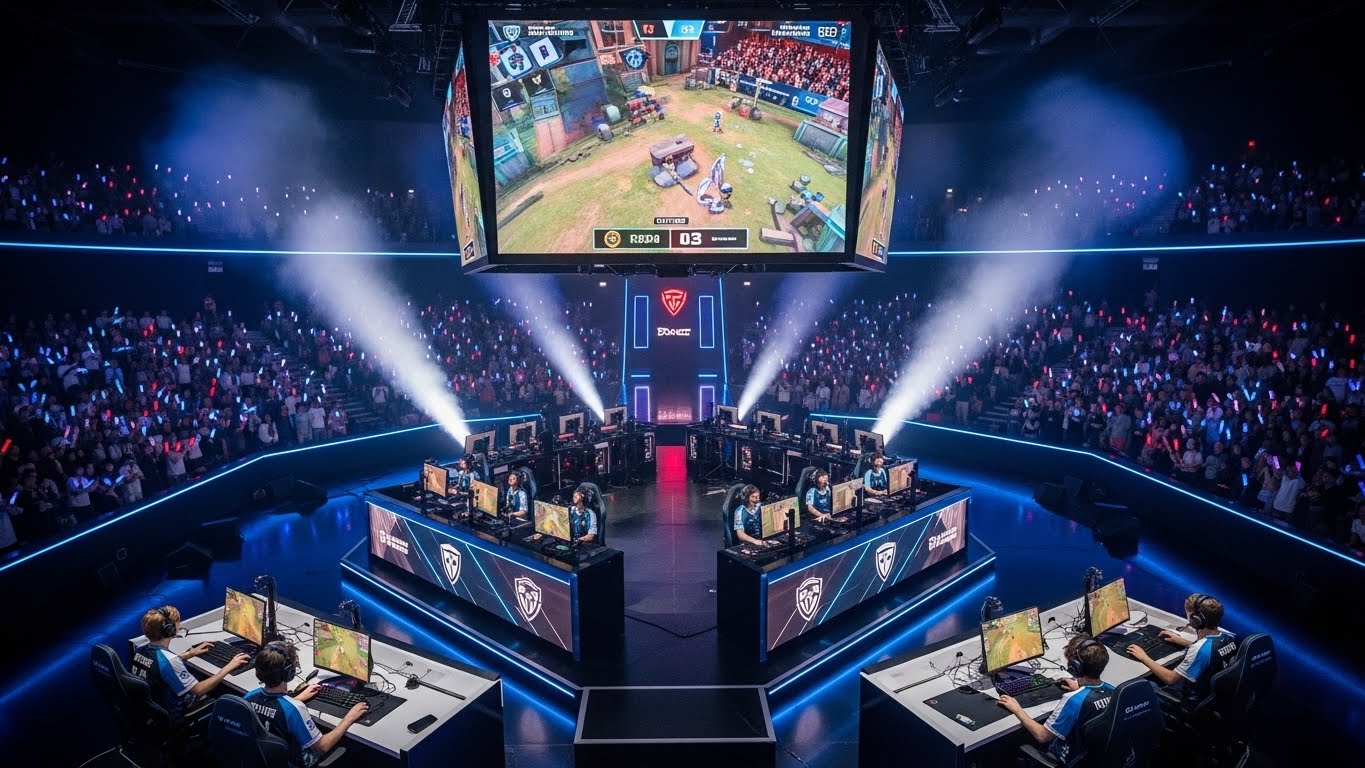
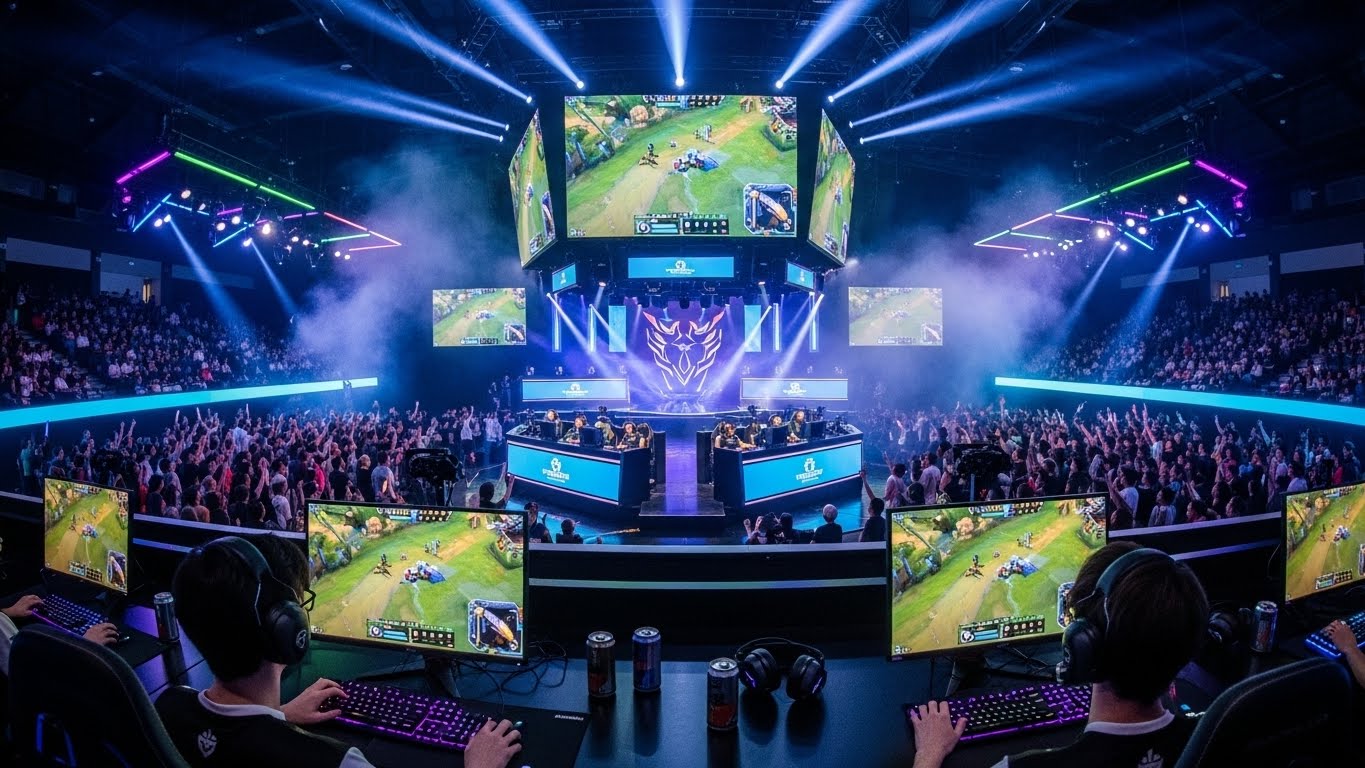
In parallel, game developers like Riot Games (with “League of Legends”) and Valve Corporation (with “Dota 2”) began organizing larger-scale tournaments, offering substantial cash prizes and attracting sponsorships from major global brands. These tournaments drew large, global audiences, both online and in live stadiums. As esports gained more visibility, it attracted attention from traditional sports franchises, media companies, and advertisers, all of whom saw the potential of this burgeoning industry.
Esports and its Global Popularity: What Makes it So Addictive?
At its core, the rise of esports can be attributed to its ability to engage, entertain, and unite a global audience. But what is it about competitive gaming that has captured the attention of millions of people worldwide?
One key factor is accessibility. Unlike traditional sports, esports does not require physical space or large amounts of equipment. All that’s needed is a device, an internet connection, and a passion for gaming. This accessibility allows people from all walks of life to participate, whether they are playing or simply watching.
Moreover, esports thrives in the digital age. The internet enables fans to watch live competitions, chat with players, and participate in fan-driven content creation, such as streaming, blogs, and social media channels. Twitch, YouTube Gaming, and Facebook Gaming have become central hubs for streaming esports tournaments and gaming content. These platforms give fans the opportunity to immerse themselves in the action, feel connected to the players, and even engage with their favorite teams and personalities.
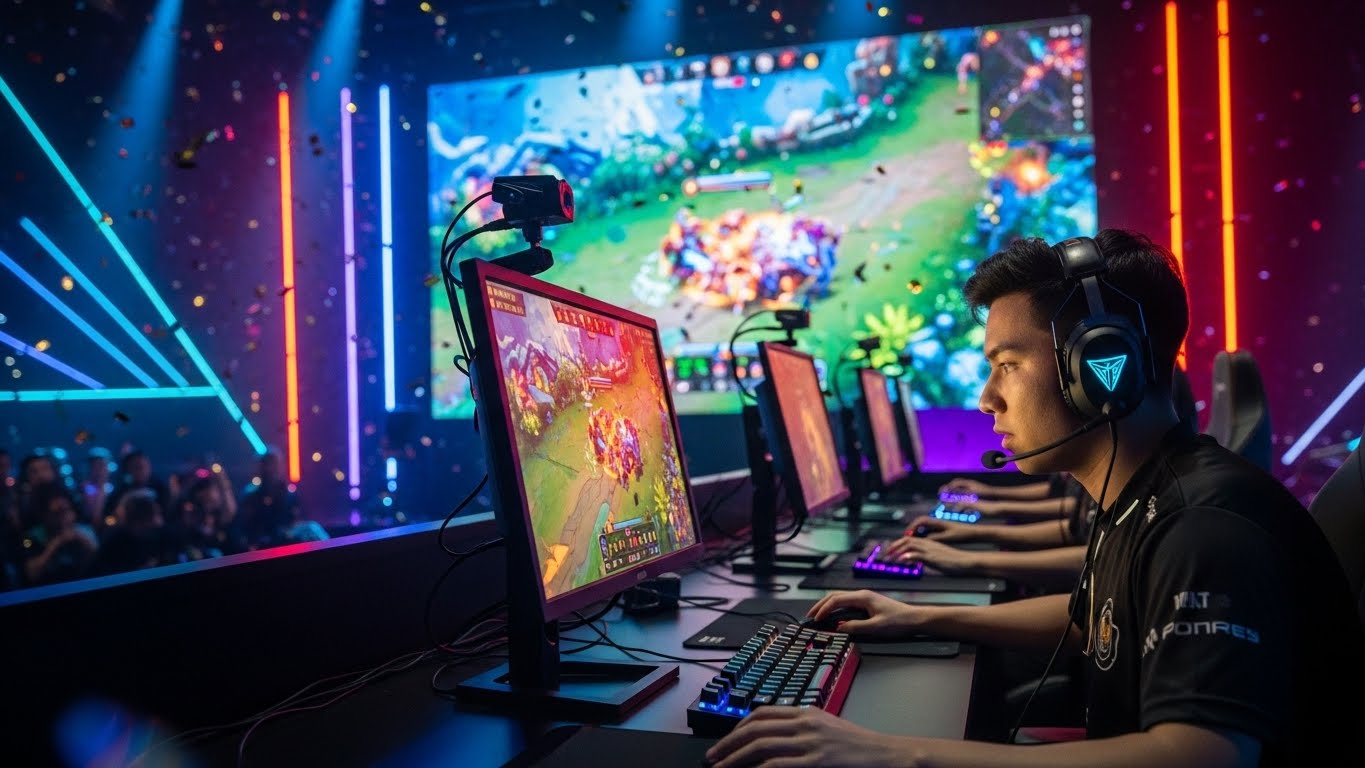
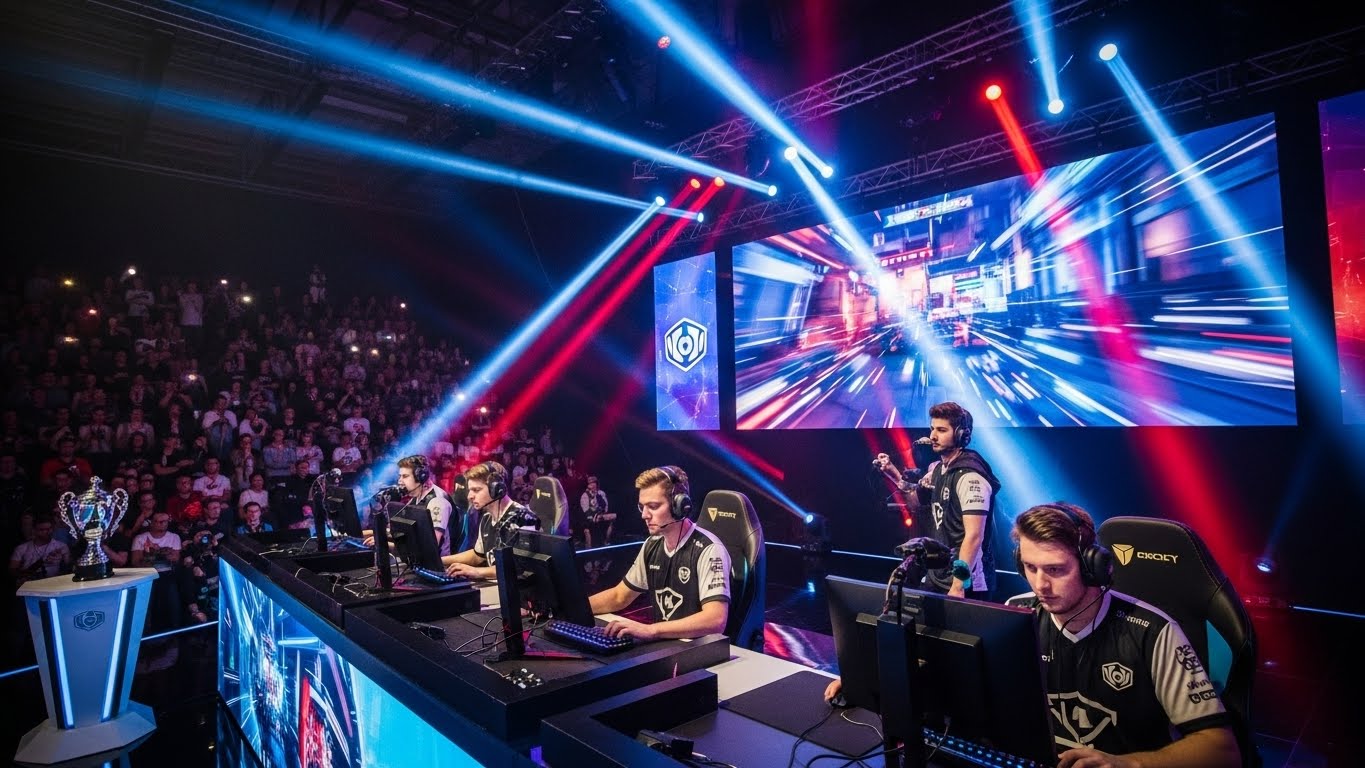
Esports also has an inherent “game within a game” quality. The most popular esports titles, such as “League of Legends,” “Counter-Strike: Global Offensive,” and “Fortnite,” are all strategy-based, requiring players to develop skill, reflexes, and tactics. Just like traditional sports, watching an esports match is not just about the gameplay, but about the narrative that unfolds in real-time. The thrill of witnessing an underdog team defeat a powerhouse, the excitement of a last-minute comeback, and the intensity of tight matches keep viewers on the edge of their seats.
The Business Side of Esports: A Multi-Billion Dollar Industry
One of the most fascinating aspects of esports is its business model. What started as an underground culture has evolved into a multi-billion-dollar industry, complete with sponsorships, advertising revenue, media rights, and merchandise sales. Major companies are now investing heavily in esports, eager to tap into the massive potential of this booming sector.
Corporate sponsors like Coca-Cola, Intel, Red Bull, and Nike have partnered with esports organizations and tournaments to market their products to an engaged and highly targeted demographic. These brands recognize the immense popularity of esports and the ability to reach a younger, tech-savvy audience that traditional sports may struggle to connect with.
Moreover, media rights have become one of the most significant sources of revenue for esports organizations. Major esports tournaments, such as “The International” (Dota 2’s world championship) and the “League of Legends World Championship,” are broadcast globally, with millions of viewers tuning in. These events often feature sponsorships, advertisements, and exclusive streaming deals with platforms like Twitch, YouTube, and Facebook. The media rights to these events have become highly lucrative, helping to fuel the continued growth of esports.
Another key revenue stream for esports comes from merchandise sales. From jerseys and hats to game skins and collectibles, esports organizations and tournaments are now generating significant revenue through branded products. For many esports teams, merchandise sales are a core part of their business strategy, allowing them to build a loyal fanbase and capitalize on the global reach of their brands.
Esports as a Cultural Phenomenon: Beyond the Screen
Esports is not just a digital competition—it has become a major cultural phenomenon. Professional gamers have achieved celebrity status, attracting millions of followers on social media platforms and sponsorship deals from major brands. Many esports players have turned their passion for gaming into full-fledged careers, with some earning salaries that rival those of professional athletes.
The esports community is a global one. People from all corners of the world come together to compete, watch, and celebrate their favorite games. This cultural aspect has made esports a platform for cross-cultural exchange. Fans from different countries engage with each other through social media, stream chat rooms, and online forums, sharing experiences, discussing strategies, and supporting their teams.
Esports has also fostered a sense of inclusivity, offering a space for marginalized groups to come together and participate in gaming. Women in particular have increasingly found a voice in esports, with female gamers gaining recognition in the competitive scene and leading the charge for greater representation and equality.
Furthermore, esports has made gaming a mainstream activity, helping to remove the stigma once associated with being a “gamer.” Today, gaming is seen as a legitimate hobby and career choice, with many universities and colleges offering esports scholarships and dedicated programs to train the next generation of professional gamers, coaches, and event organizers.
Esports and Traditional Sports: A Symbiotic Relationship
While esports and traditional sports may seem worlds apart, there are significant similarities between the two. Both require dedication, training, and teamwork to succeed. Both have fanbases that are passionate and loyal, and both have professional leagues that offer substantial financial rewards.
In fact, the lines between esports and traditional sports are becoming increasingly blurred. Traditional sports teams and organizations have recognized the value of esports, with many entering the scene through sponsorships, partnerships, or by forming their own esports teams. For example, major football clubs like Manchester City and Paris Saint-Germain have established their own esports divisions, competing in games like “FIFA” and “League of Legends.”
The growing integration of esports into mainstream sports has brought esports to new heights, expanding its viewership and mainstream recognition. Esports has been embraced by traditional sports media outlets, and esports tournaments are now regularly broadcast on sports channels and networks. The increasing convergence of esports and traditional sports will only continue to solidify the position of esports as a leading form of entertainment.
The Future of Esports: What Lies Ahead?
The future of esports is incredibly bright. With increasing investments, technological innovations, and a rapidly growing fanbase, esports is set to continue its upward trajectory in the coming years. One of the most exciting developments is the growing accessibility of esports. As mobile gaming becomes more powerful and cloud gaming platforms evolve, even more players will be able to compete at a high level, regardless of their physical location or the type of device they use.
Esports is also moving toward even more immersive experiences, with virtual reality (VR) and augmented reality (AR) technologies making their way into gaming. These technologies will allow players and viewers to engage with games in entirely new ways, providing a more interactive and exciting experience for fans.
There is also the potential for esports to become an official Olympic sport. While this idea is still in its early stages, the inclusion of esports in the Olympic Games could further elevate its status and reach a global audience. As esports continues to grow, it is likely that we will see more recognition and institutional support for competitive gaming.
Conclusion: The Digital Future of Entertainment
Esports has emerged as one of the most significant entertainment phenomena of the 21st century. What started as a hobby for gamers has evolved into a global, multi-billion-dollar industry with millions of fans and professional players. With its accessibility, engaging gameplay, and deep sense of community, esports has captured the attention of a diverse, global audience.
As technology continues to advance and more people engage with esports in new ways, the future of competitive gaming looks incredibly bright. With the backing of major brands, traditional sports organizations, and a passionate fanbase, esports is poised to redefine what it means to compete and entertain in the digital age. In many ways, esports is not just the future of gaming—it is the future of entertainment itself.