championlounge06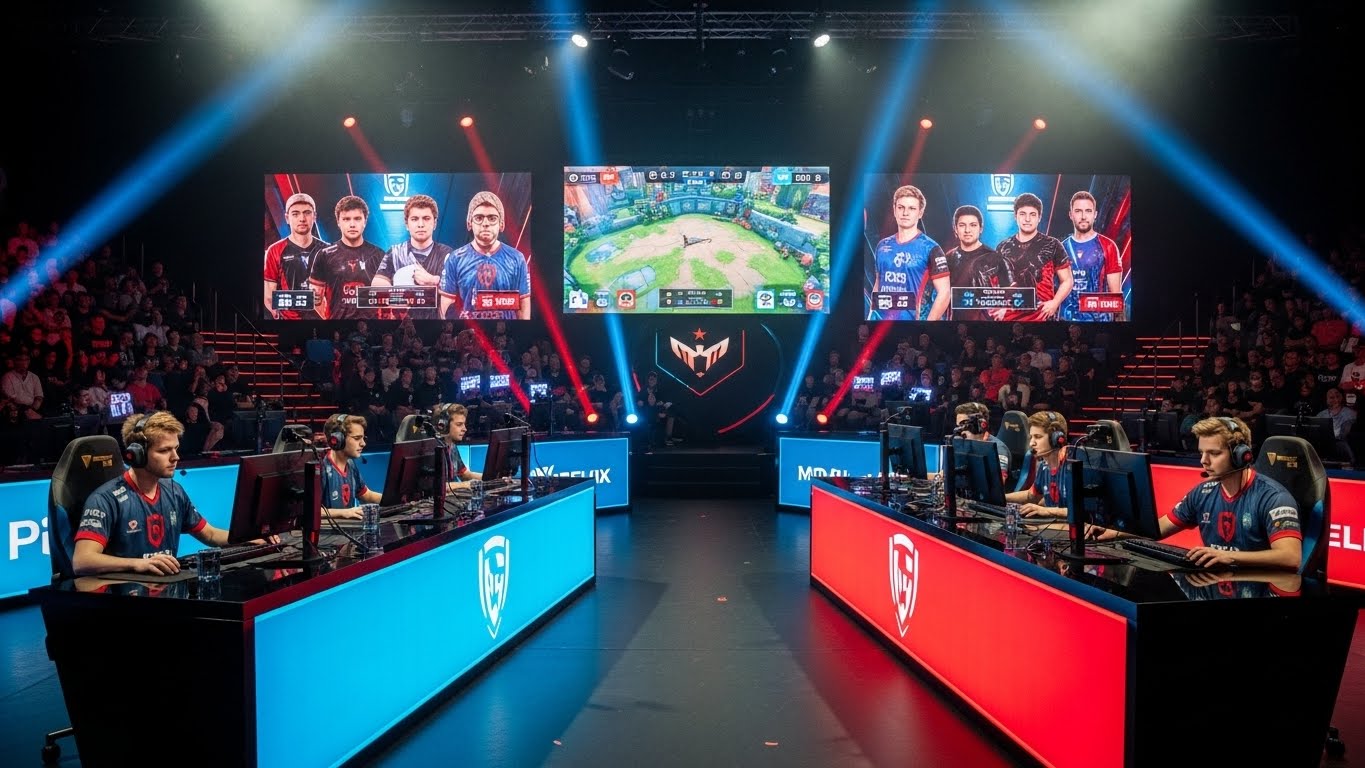
Introduction: The Rise of a Digital Sporting Revolution
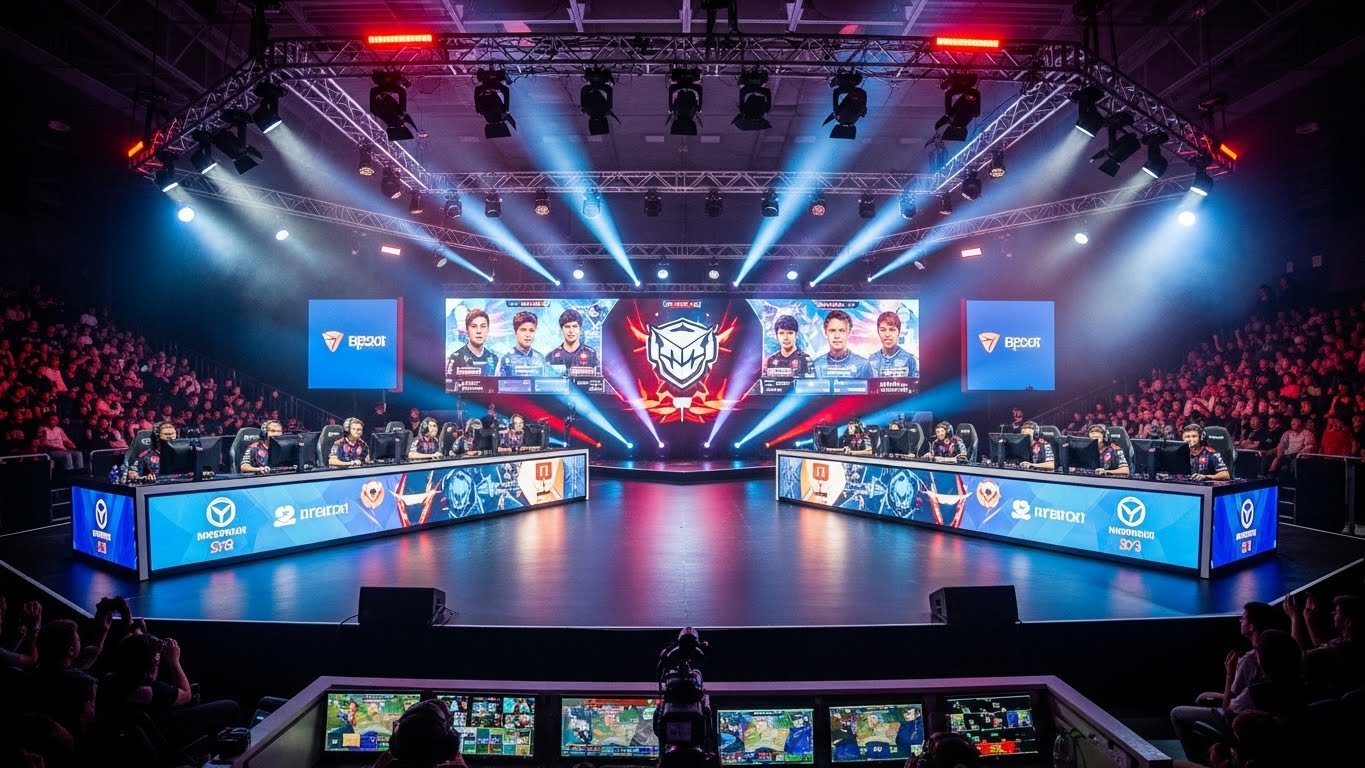
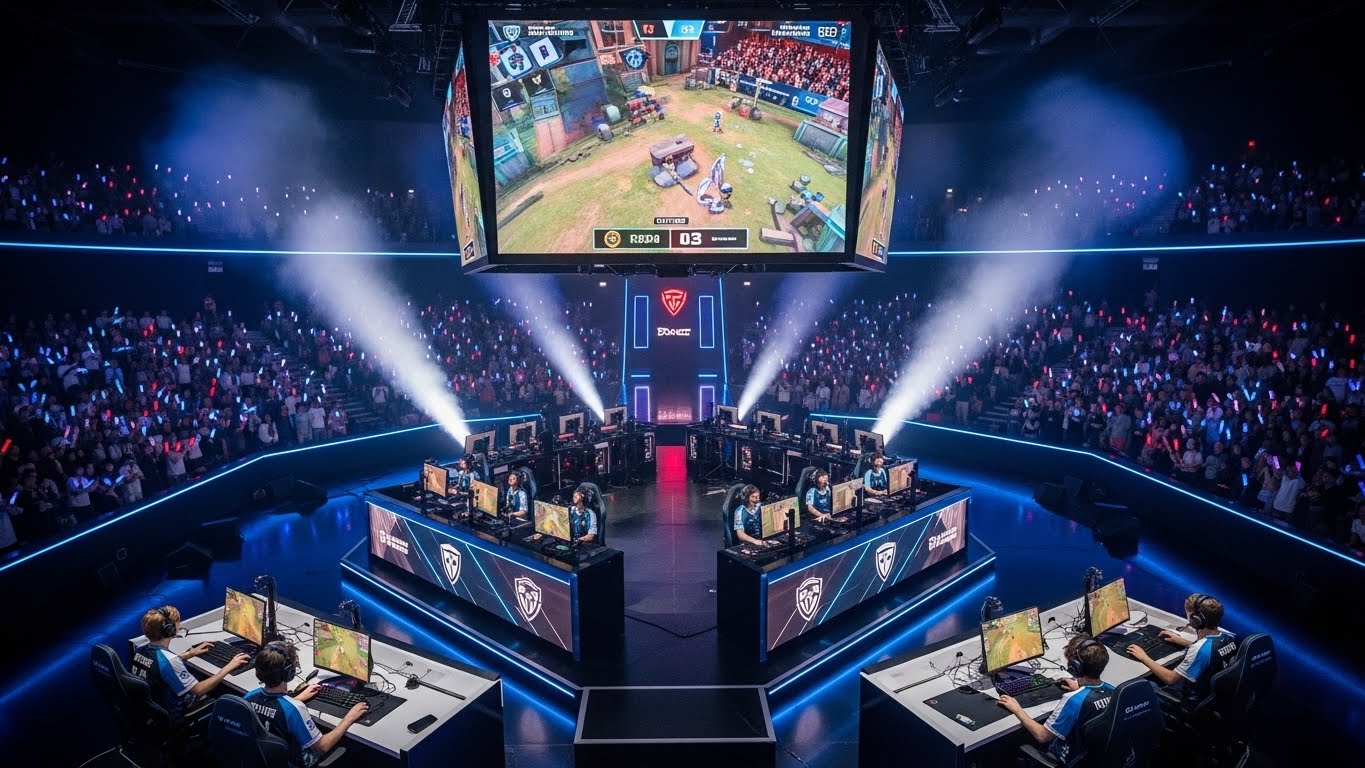
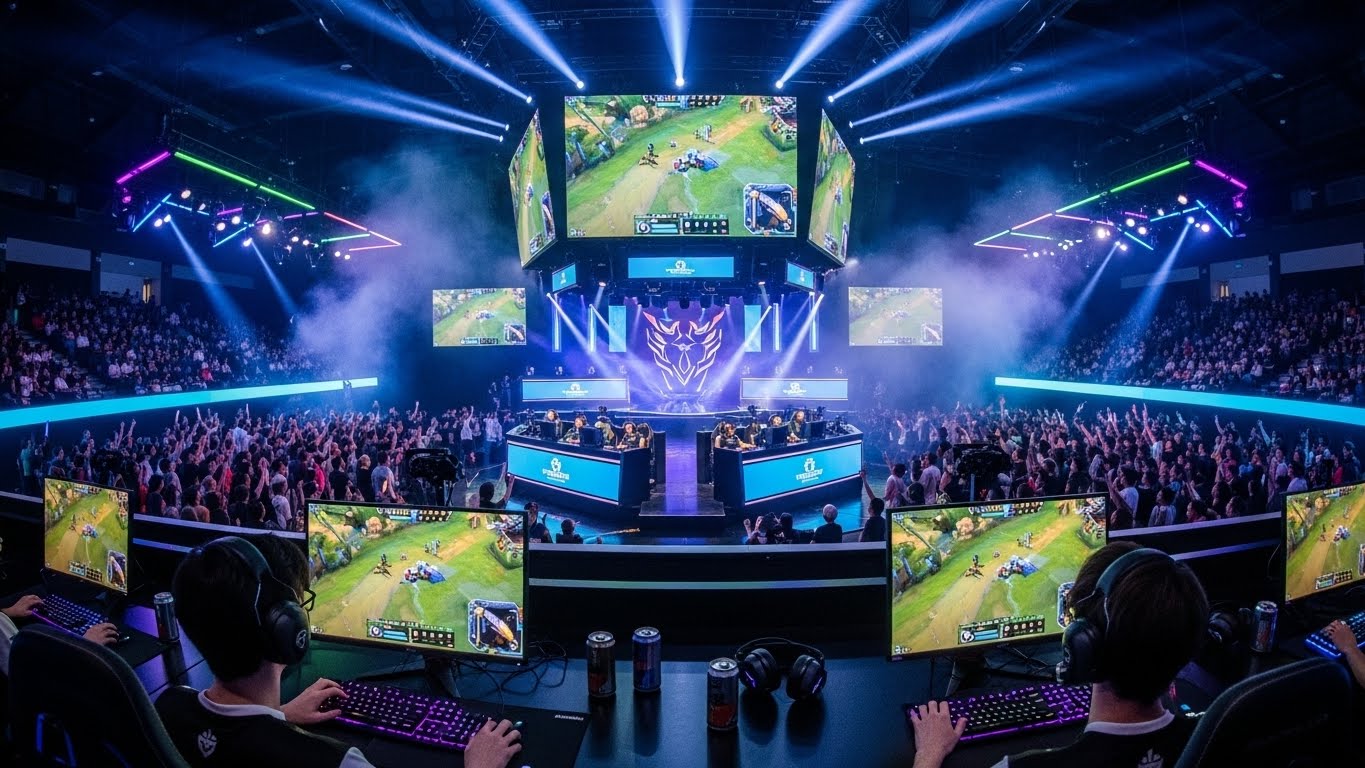
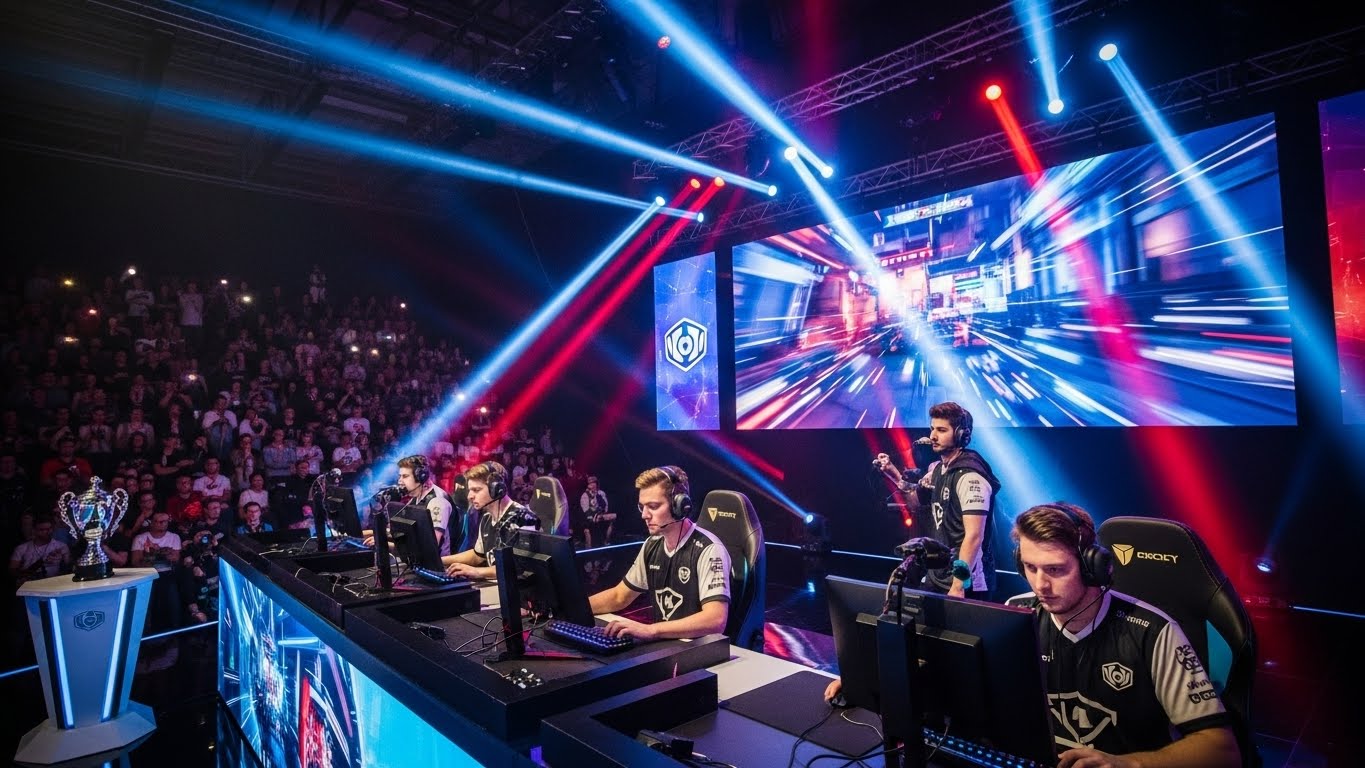
Esports has rapidly transformed from a niche hobby into one of the most dynamic and influential forms of modern entertainment. What once involved small groups of gamers competing for fun has evolved into a global industry with professional athletes, massive audiences, and structured competitive systems. Esports now fills stadiums, attracts international sponsors, and commands the attention of millions of viewers worldwide. More than just gaming, esports represents a shift in how competition, technology, and culture intersect in the digital era.
What Esports Truly Represents
Esports, or electronic sports, refers to organized competitive video gaming where individuals or teams compete under formal rules and professional conditions. Unlike casual gaming, esports demands a high level of skill, strategic understanding, teamwork, and mental discipline. Players train rigorously, study opponents, and refine techniques to perform at elite levels. Esports mirrors traditional sports in its competitive spirit, ranking systems, fan loyalty, and professional standards, making it a legitimate and respected form of competition.
The Early Journey of Competitive Gaming
The origins of esports can be traced back to early arcade competitions and computer gaming tournaments where players competed for recognition and high scores. These early events were small and community-driven, but they ignited a passion for competitive play. With the growth of home computers, consoles, and internet connectivity, competitive gaming expanded beyond local spaces. Online multiplayer gaming allowed players from different regions to compete, laying the foundation for global esports communities and professional tournaments.
Games That Built the Esports Ecosystem
Certain video games have played a crucial role in shaping the esports landscape. Multiplayer strategy games emphasize tactical planning, adaptability, and teamwork. First-person shooters highlight reflexes, accuracy, and communication. Fighting games showcase individual skill, timing, and psychological resilience. Sports simulation games recreate real-world athletic competition in a digital environment, attracting fans of traditional sports. Each genre brings its own audience and competitive style, contributing to the diversity and depth of esports as an industry.
Professional Players: Athletes of the Digital Era
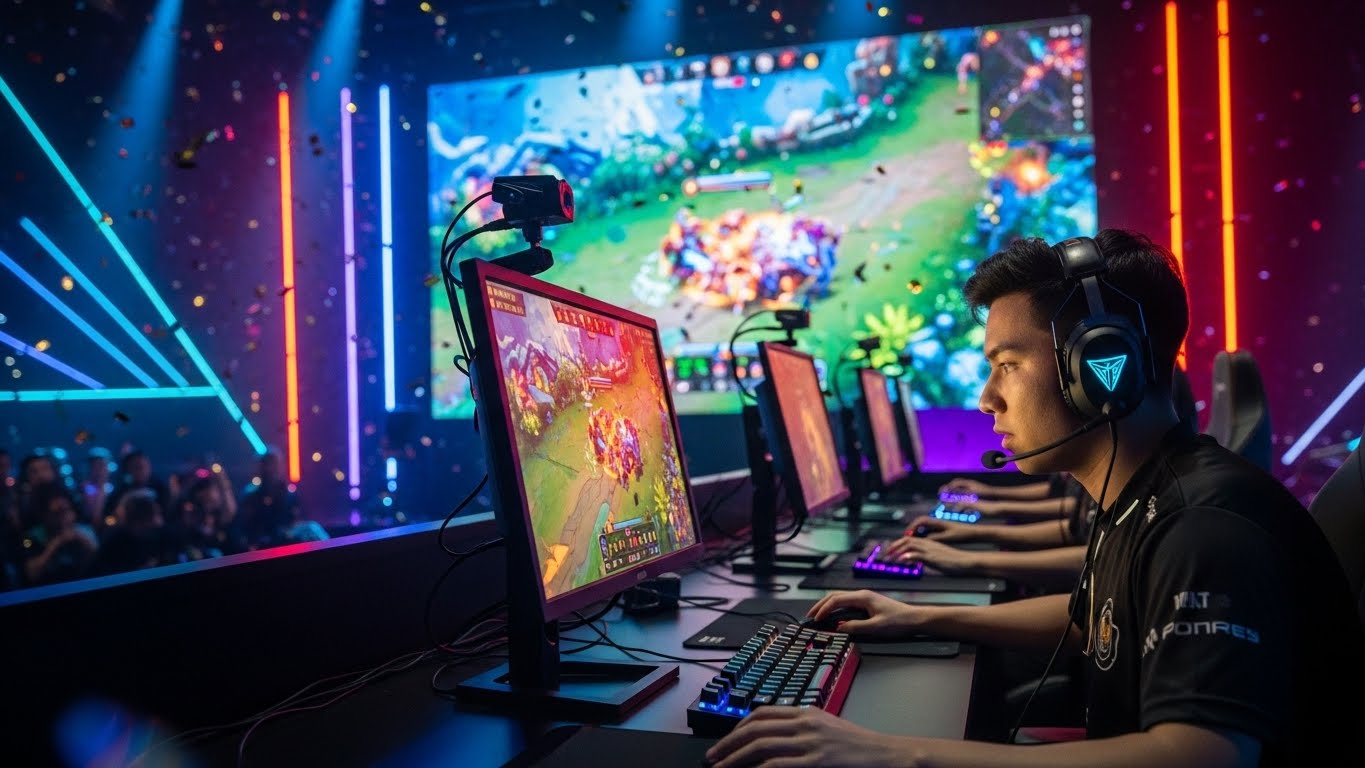
Esports professionals are far from casual gamers. They are highly disciplined competitors who dedicate countless hours to practice, analysis, and improvement. Training routines often include mechanical drills, strategy discussions, physical fitness, and mental conditioning. Reaction time, hand-eye coordination, communication, and emotional control are essential skills. The pressure of performing on a global stage, often in front of millions of viewers, requires resilience and focus comparable to that of traditional athletes.
The Importance of Teams and Organizations
Behind every successful esports player is an organization that provides structure, resources, and support. Esports teams operate similarly to traditional sports clubs, managing player contracts, training facilities, coaching staff, and sponsorships. Organizations help players focus on performance while handling logistics, branding, and media responsibilities. Competitive formats vary across regions and games, including seasonal leagues, open tournaments, and franchise-based systems, all designed to ensure fairness and long-term growth.
Streaming and Fan Engagement
Streaming platforms have been instrumental in the growth of esports. Fans can watch live matches, follow their favorite players, and interact in real time through chats and community features. This direct engagement creates a strong bond between players and audiences. Content creators and streamers further enrich the ecosystem by sharing educational content, entertainment, and personal insights. Esports thrives because it is not only watched but actively experienced by its global community.
Economic Impact and Career Pathways
The esports industry has grown into a powerful economic sector, generating revenue through sponsorships, advertising, merchandise, ticket sales, and media rights. This growth has opened doors to numerous career opportunities beyond professional play. Roles in coaching, event management, broadcasting, marketing, analytics, game development, and content creation are increasingly in demand. Educational institutions and training programs now recognize esports as a legitimate career field, offering specialized courses and certifications.
Technology as the Core of Esports
Technology is the backbone of esports. High-performance hardware, responsive peripherals, and reliable internet connections are essential for competitive integrity. Advanced broadcasting tools enhance the viewing experience through detailed statistics, replays, and immersive visuals. Data analytics and artificial intelligence help teams analyze performance and develop strategies. As technology continues to advance, it will further elevate the level of competition and accessibility within esports.
Cultural Influence and Global Acceptance
Esports has become a significant cultural force, particularly among younger generations. Professional players are gaining celebrity status, and esports teams collaborate with fashion, music, and entertainment industries. International tournaments bring together diverse cultures, promoting global interaction and shared experiences. Esports reflects modern digital culture, where creativity, competition, and community coexist, making it an influential part of contemporary society.
Challenges Within the Esports Industry
Despite its rapid growth, esports faces several challenges. Player burnout is a serious concern due to long practice hours and intense competition. Ensuring fair play and preventing cheating requires constant technological and regulatory efforts. Financial sustainability can be difficult for smaller teams and regional leagues. Additionally, fostering inclusivity and positive behavior within online communities remains an ongoing challenge. Addressing these issues is crucial for maintaining the credibility and long-term success of esports.
Health and Well-Being in Competitive Gaming
Modern esports organizations increasingly prioritize player health and well-being. Training programs now include physical exercise, mental health support, proper nutrition, and structured rest schedules. Awareness of issues such as posture-related injuries, eye strain, and stress has led to improved gaming environments. Responsible gaming initiatives aim to educate players, especially younger ones, about maintaining a healthy balance between competition and personal life.
The Future of Esports
The future of esports is filled with innovation and opportunity. Advances in technology will create more immersive and interactive experiences for both players and spectators. Grassroots programs and school-level competitions will nurture new talent and expand the player base. Esports is likely to continue integrating with traditional sports, education, and entertainment, creating hybrid forms of competition and storytelling. As infrastructure improves and audiences grow, esports will further solidify its place on the global stage.
Conclusion: A Lasting Digital Legacy
Esports represents a powerful evolution in how competition and entertainment are experienced. It combines human skill, strategic depth, technological innovation, and global community into a single dynamic industry. Beyond the screens and tournaments, esports tells stories of dedication, teamwork, and perseverance. As it continues to grow and mature, esports will not only redefine gaming but also influence how future generations perceive competition, achievement, and connection in an increasingly digital world.