championlounge06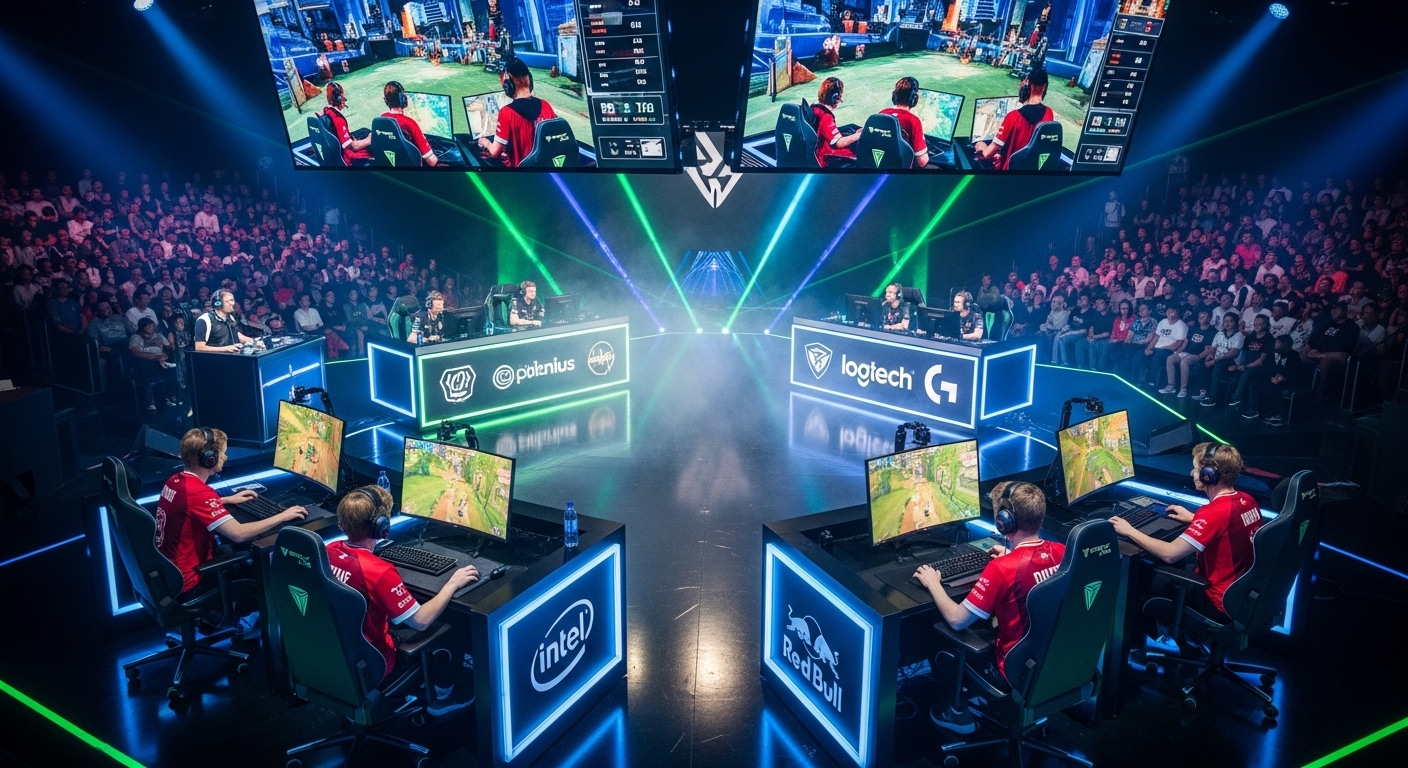
Esports, short for electronic sports, has emerged as one of the most dynamic and fast-growing industries in the world. From humble beginnings in small local tournaments to grand spectacles featuring millions of viewers and multi-million dollar prize pools, esports has firmly established itself as a global phenomenon. With dedicated teams, star players, and even fan bases akin to traditional sports, the esports world is evolving at a rapid pace, transforming how we perceive competitive gaming.
In this blog post, we’ll explore the evolution of esports, its impact on global culture, the financial boom, the rise of esports in mainstream media, and its future trajectory. Whether you are a casual gamer or a sports enthusiast, understanding the significance of esports is essential to grasp the future of entertainment and competition.
What is Esports?
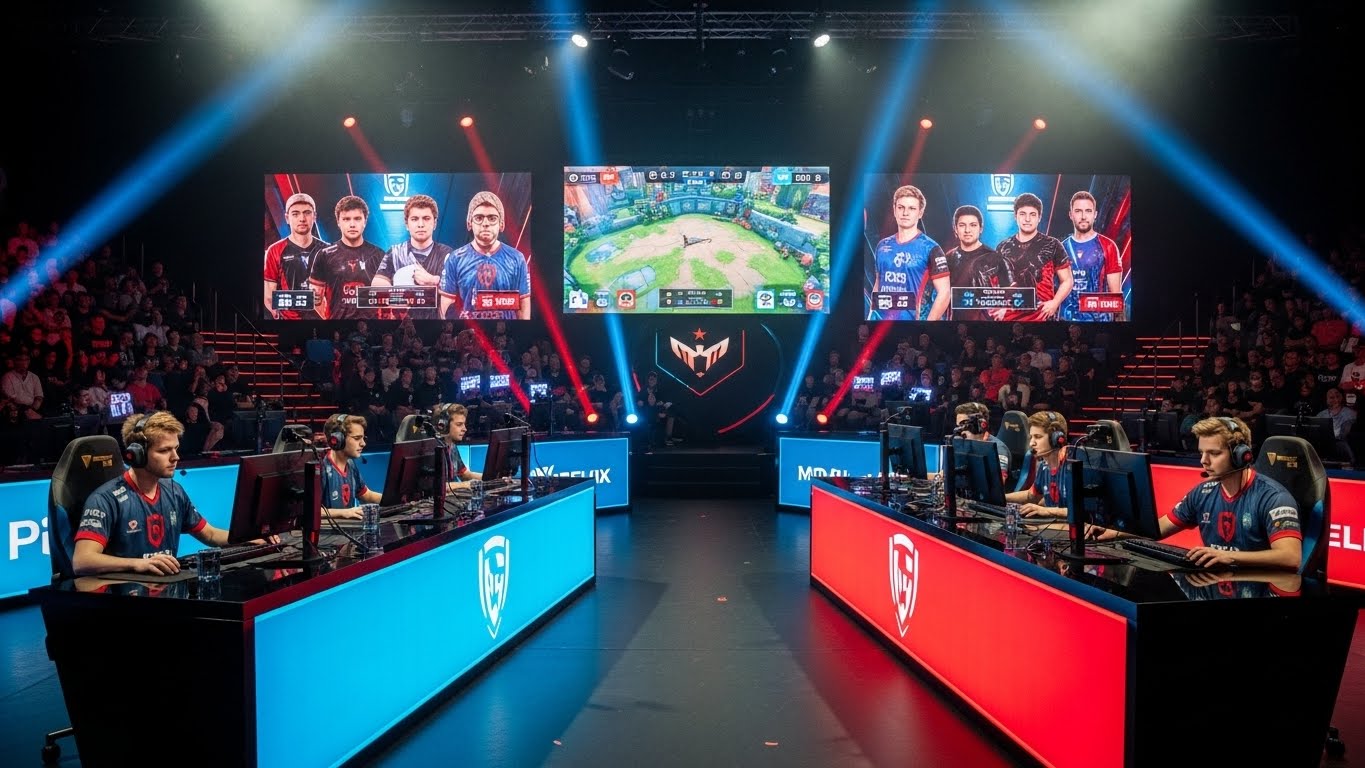
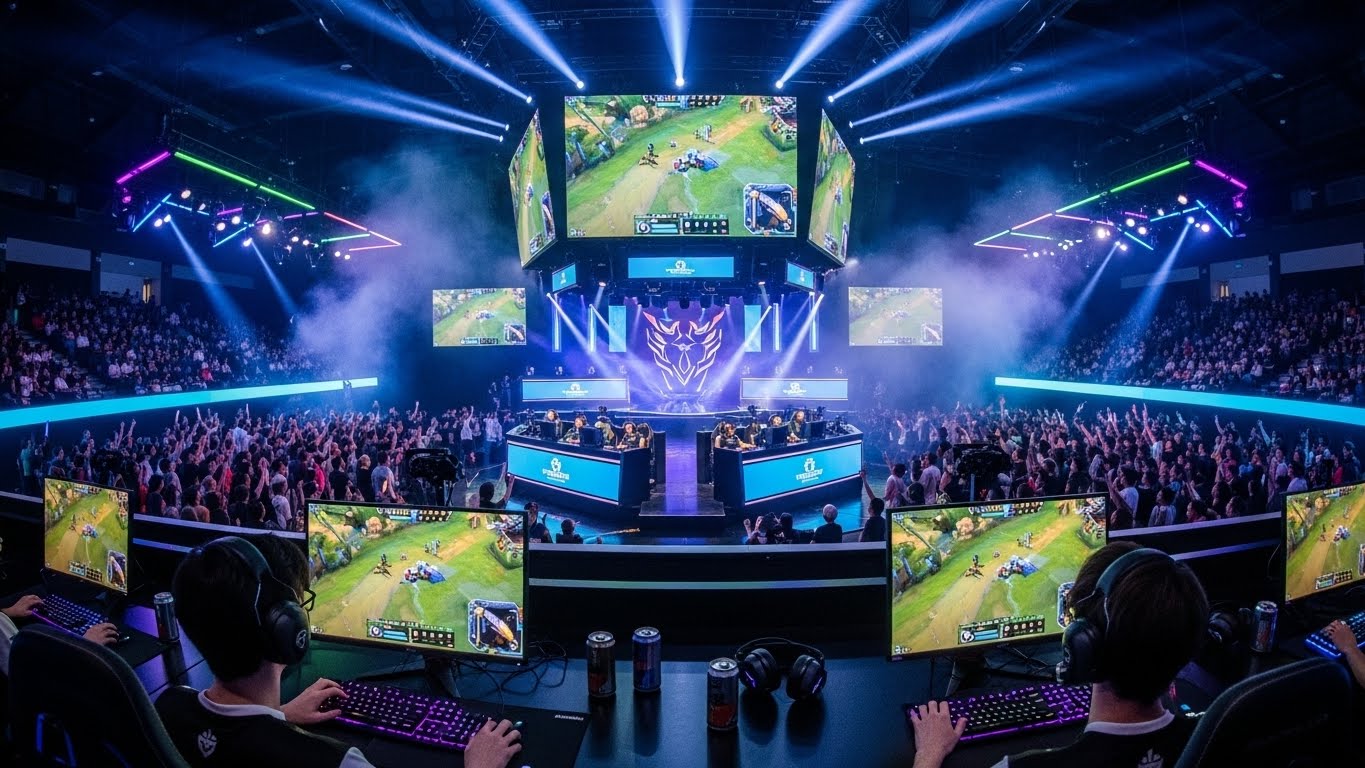
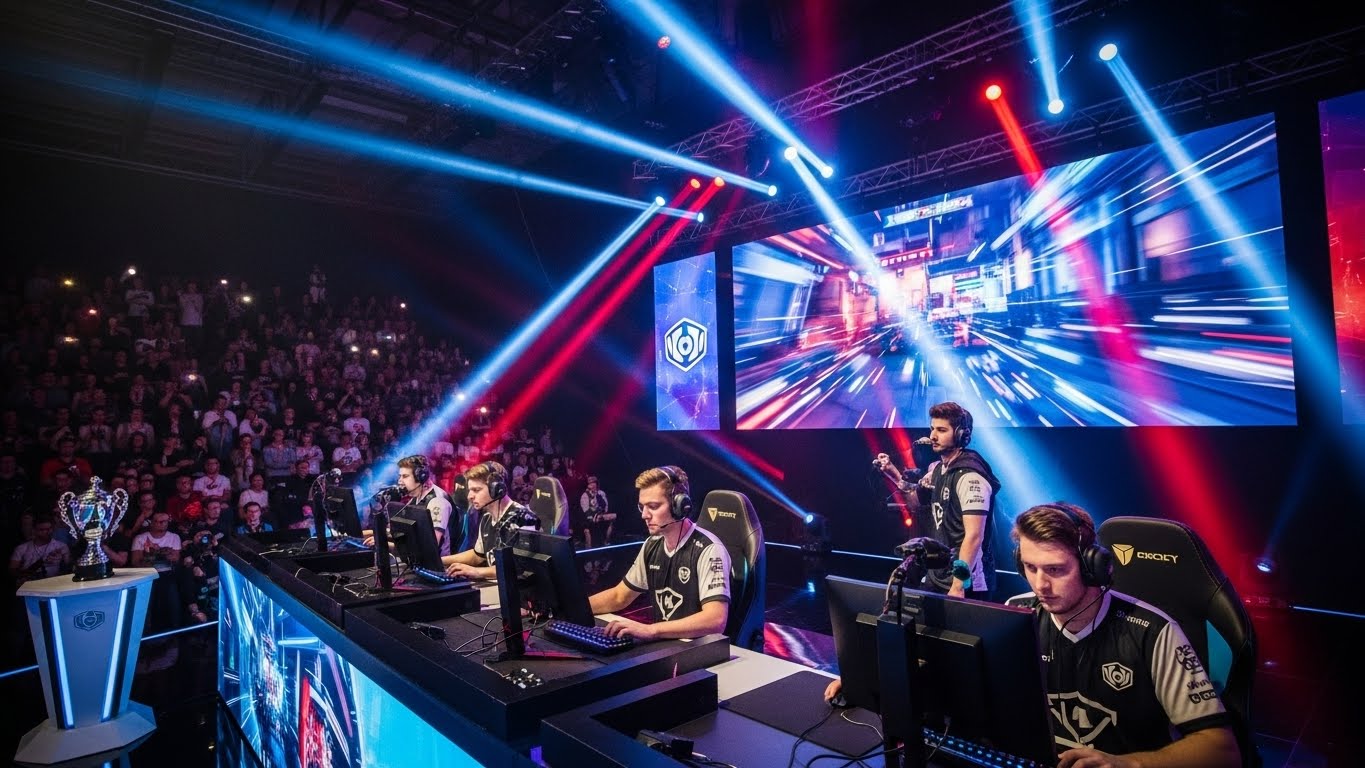
At its core, esports refers to competitive video gaming, where professional players, teams, or even amateurs compete in organized, multiplayer video game competitions, often for a monetary prize. While the term “esports” might conjure images of large arenas filled with fans cheering on their favorite teams, the origins of esports lie in small-scale competitions, often held in gaming cafes or local community centers.
Games like StarCraft, Counter-Strike, League of Legends, Dota 2, and Overwatch are among the most well-known titles in the esports ecosystem. Esports can span a wide variety of game genres, including first-person shooters (FPS), multiplayer online battle arena (MOBA) games, real-time strategy (RTS) games, and sports simulation games, each offering unique challenges and forms of competition.
The Growth of Esports: A Journey from Niche to Mainstream
Early Beginnings and Grassroots Communities
The roots of competitive gaming can be traced back to the 1990s when local LAN (Local Area Network) parties became a regular hobby for gamers. These informal tournaments, often involving Quake, Warcraft, and Street Fighter, helped establish the competitive gaming culture. The first recorded esports tournament, the Red Annihilation Tournament in 1997, attracted a modest crowd of 2,000 participants, where the winner took home a Ferrari. This marked the start of what would become a multi-billion-dollar industry.
As internet infrastructure improved and broadband access became more widespread, esports began to take off in the 2000s. The launch of platforms like Battle.net (for StarCraft and Warcraft) and Steam provided players with easy access to games and online multiplayer features. Tournaments such as World Cyber Games (WCG) and Electronic Sports World Cup (ESWC) further fueled the competitive gaming scene.
The Rise of Professional Leagues and Sponsorship
By the early 2010s, esports had entered a new phase. Professional esports leagues began forming, and top players started to make a career out of competitive gaming. The creation of the League of Legends Championship Series (LCS) and The International for Dota 2 solidified the future of esports as a major competitive arena. These events were broadcast to millions of viewers, creating a new audience of fans, who weren’t just gamers but also avid spectators of the competitions.
The backing of major corporations, including brands from the tech, energy drink, and telecommunications industries, propelled esports into the mainstream. Sponsorship deals with big names such as Intel, Coca-Cola, and Red Bull introduced esports to a wider audience, and investments from traditional sports teams (such as the NBA’s Golden State Warriors investing in Team Liquid) further legitimized esports in the public eye.
From Niche to Global Phenomenon
Fast forward to today, and esports has evolved into a billion-dollar industry, with massive global tournaments offering multi-million dollar prize pools. Games like League of Legends and Fortnite boast viewership numbers that rival traditional sports events. The League of Legends World Championship, for example, regularly attracts over 100 million viewers worldwide. The esports ecosystem now includes not only professional players and teams but also content creators, coaches, analysts, broadcasters, and even esports journalists.
The Financial Boom of Esports
Sponsorship and Advertising
Sponsorship and advertising play a crucial role in the financial success of esports. Companies across a wide range of industries see the potential of reaching a highly engaged, youthful audience through esports events and streaming platforms. Sponsorships come in the form of team and player partnerships, event sponsorships, and even product placements within games themselves.
Streaming platforms such as Twitch, YouTube Gaming, and Facebook Gaming provide platforms for live broadcasts, allowing fans to engage with their favorite teams and players. These platforms generate significant revenue through ads, subscriptions, and donations. In fact, streamers themselves are often able to make a living by simply broadcasting their gaming sessions and interacting with their fans, while teams and leagues generate revenue through media rights deals, ticket sales, and merchandise.
Prize Pools and Salaries
Another major financial aspect of esports is the rise of lucrative prize pools. Major tournaments like The International (for Dota 2) have shattered records with prize pools that reach over $40 million, the bulk of which comes from community crowdfunding. Players in top-tier esports competitions can earn salaries in the six-figure range, with potential for even higher earnings through sponsorships, streaming, and content creation.
Many esports professionals also capitalize on endorsement deals, which can significantly boost their earnings. For example, top players like Ninja (who made his name with Fortnite) have become household names, securing lucrative partnerships with companies like Red Bull, Samsung, and even the streaming platform Mixer. This ecosystem has allowed esports athletes to diversify their income streams, much like traditional sports players.
The Esports Betting Industry
Esports betting has also grown significantly, with fans able to bet on matches, tournaments, and even individual player performance. Just like traditional sports, the legalization and regulation of esports betting have become a critical part of its financial ecosystem. Bookmakers now offer odds on a variety of esports competitions, and betting on esports has become one of the fastest-growing sectors in the gambling industry.
Esports and Mainstream Media
Media Coverage and Broadcasting
While esports was once considered a niche interest, it is now regularly covered by mainstream media outlets. Major broadcasters like ESPN, Fox Sports, and BBC have started airing esports events, while sports networks like ESL and Blizzard Entertainment’s Overwatch League broadcast competitions with professional commentary and analysis, much like traditional sports.
Streaming services like Netflix and Amazon Prime Video have also started producing documentaries and series about esports, further pushing the boundaries of esports visibility. Netflix’s High Score series, which documents the history of video games, and Free to Play, a film focusing on the journey of Dota 2 players, have brought esports to a broader audience outside of the gaming community.
Esports in Traditional Sports Venues
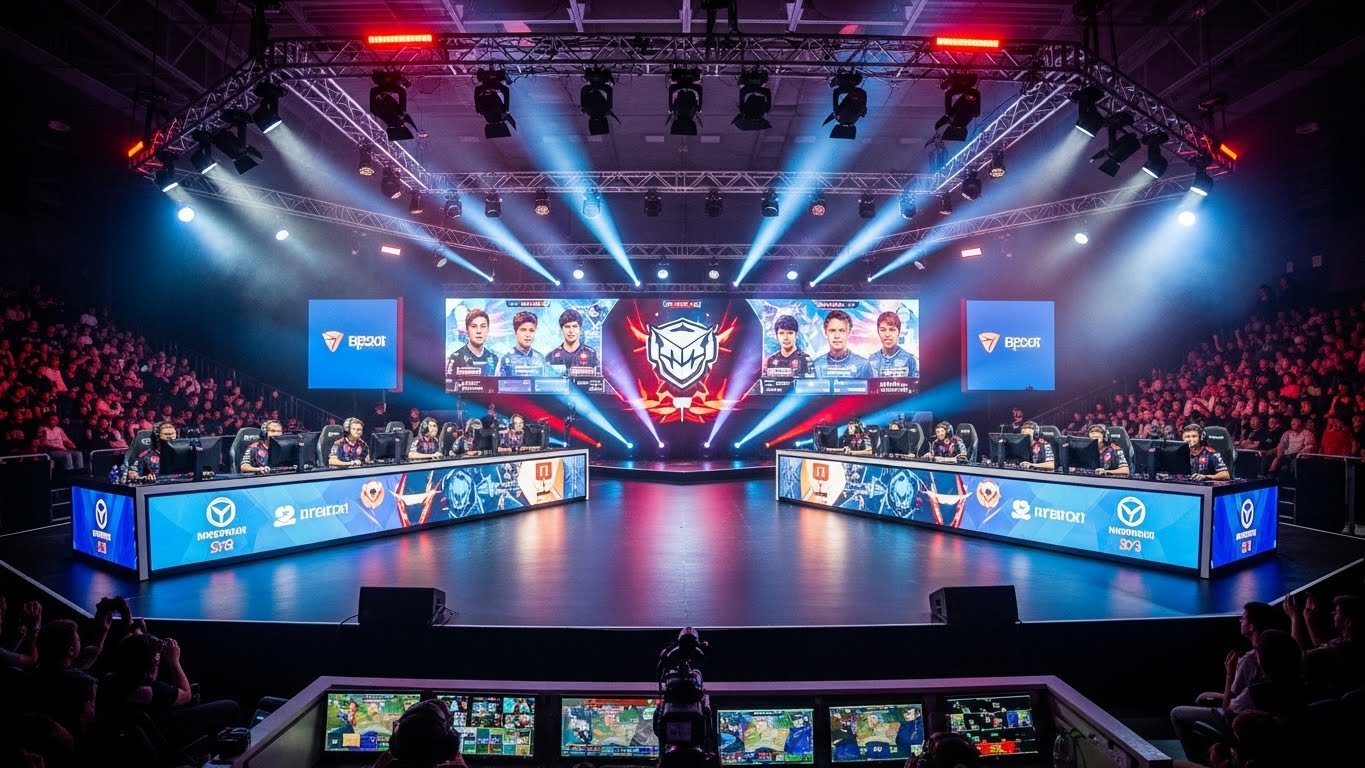
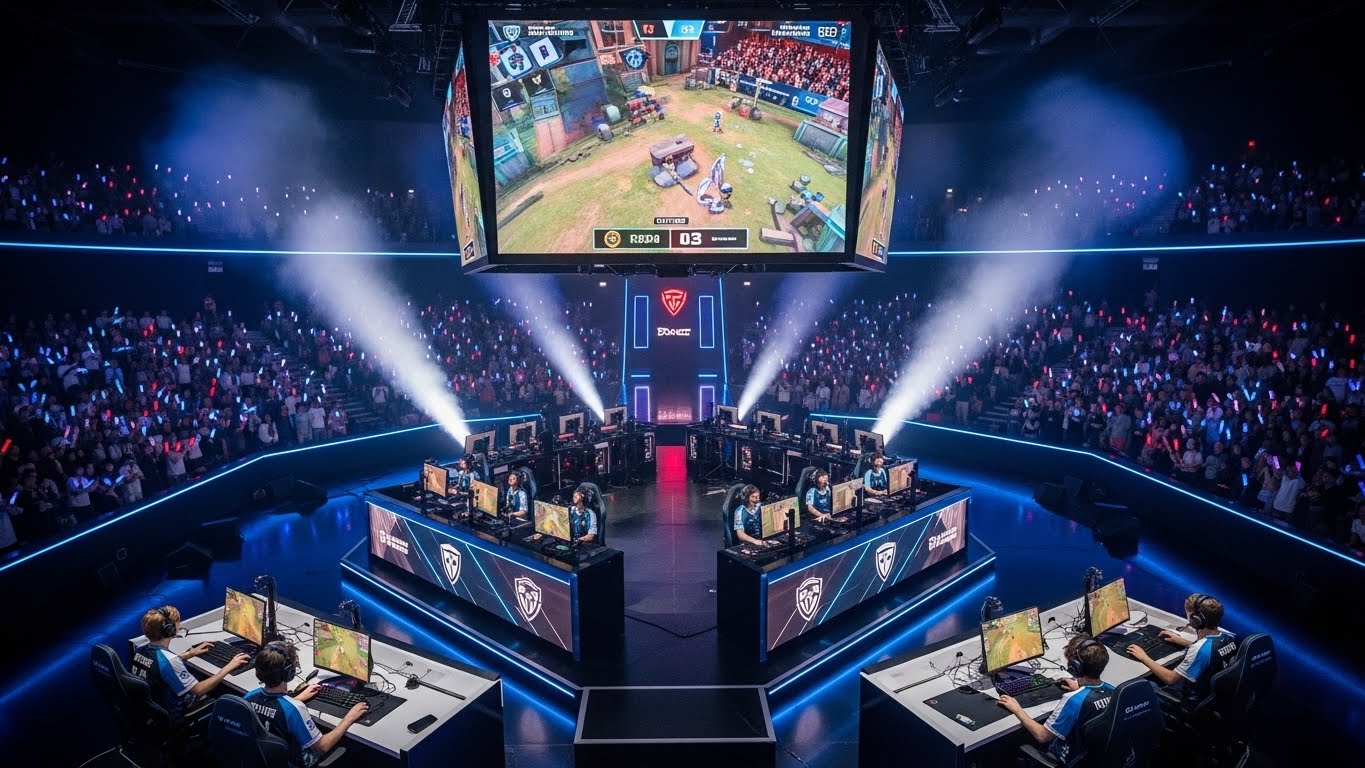
Another sign of esports’ mainstream acceptance is the growing trend of esports events being held in traditional sports venues. Large arenas, such as Madison Square Garden in New York or the Mercedes-Benz Arena in Berlin, now regularly host esports events, attracting tens of thousands of fans. These events are often broadcast live, with thousands more tuning in online.
The Impact of Esports on Youth Culture
Shaping New Career Paths
For many young people, esports has become not just a hobby but a potential career path. Players can now aspire to become professional athletes, analysts, coaches, and streamers, all of which offer new opportunities in the entertainment and tech industries. Universities and colleges across the globe have begun offering scholarships for esports players, further legitimizing esports as a viable career option.
The esports industry has also led to a broader understanding of gaming as more than just entertainment. Game design, digital marketing, and event management are all thriving sub-industries, with talented individuals finding work behind the scenes. Esports is shaping the future of job creation in the tech and media sectors.
Social Impact and Community Building
Esports has fostered a sense of community among gamers, connecting individuals across the world through shared interests. Esports tournaments and gaming communities provide a sense of belonging and identity, particularly among younger generations who may feel isolated in traditional social environments. The global nature of esports means that players and fans can form relationships regardless of geographical boundaries.
Esports also promotes skills such as teamwork, communication, strategic thinking, and time management. Competitive gaming is not just about fast reflexes; it’s about collaborating with teammates, adapting to changing situations, and making quick decisions under pressure. These skills are highly transferable to other professional fields and can be valuable assets in any career.
The Future of Esports: What’s Next?
Esports is in a constant state of evolution, and its future seems brighter than ever. Here are a few trends that will likely shape the next chapter of the esports industry:
The Emergence of Virtual Reality (VR) and Augmented Reality (AR)
As technology continues to improve, we can expect to see the integration of virtual reality (VR) and augmented reality (AR) in esports. These technologies will enable more immersive experiences for both players and fans, creating new forms of gameplay and spectating. Imagine being able to experience a League of Legends match from the perspective of your favorite player or watch a live tournament unfold in your living room using AR glasses.
Increased Investment from Traditional Sports
Traditional sports organizations will continue to invest in esports as the lines between physical and virtual sports become increasingly blurred. Sports teams, leagues, and networks are recognizing the potential of esports to engage younger audiences, and this trend will likely continue to grow.
Mobile Gaming and Global Expansion
Mobile gaming is another area where esports will see tremendous growth. Games like PUBG Mobile and Mobile Legends have already gained massive popularity, especially in regions like Southeast Asia and India. As mobile gaming technology continues to improve, we can expect to see more mobile-based esports tournaments attracting global audiences.
Conclusion
Esports has come a long way from its humble beginnings and is now a major cultural force with millions of fans, a growing global infrastructure, and a bright future ahead. The financial success of the industry, combined with its mainstream media presence and cultural influence, shows that esports is here to stay. With more opportunities for players, creators, and fans to get involved, esports will continue to reshape the way we think about sports and entertainment in the digital age. Whether you’re a casual gamer or a dedicated esports fan, the future looks promising for competitive gaming.