championlounge06
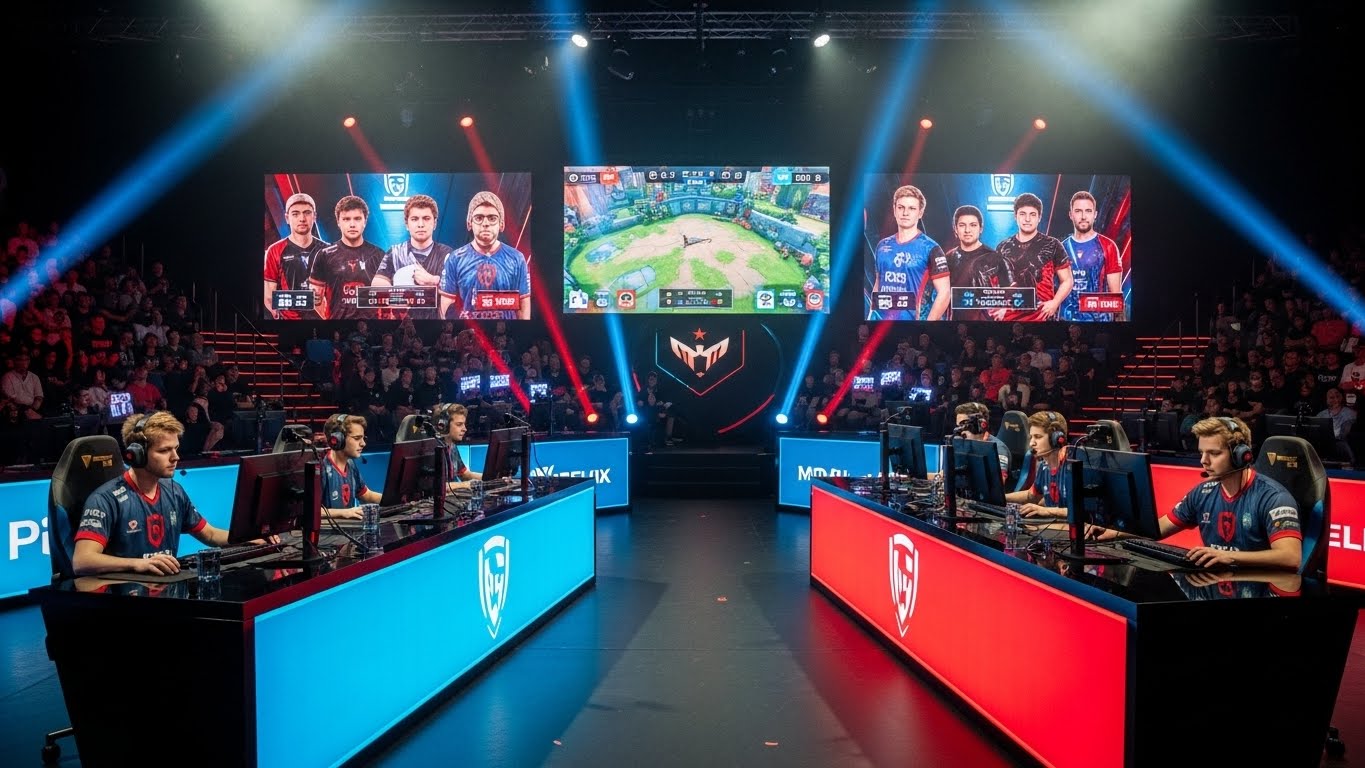
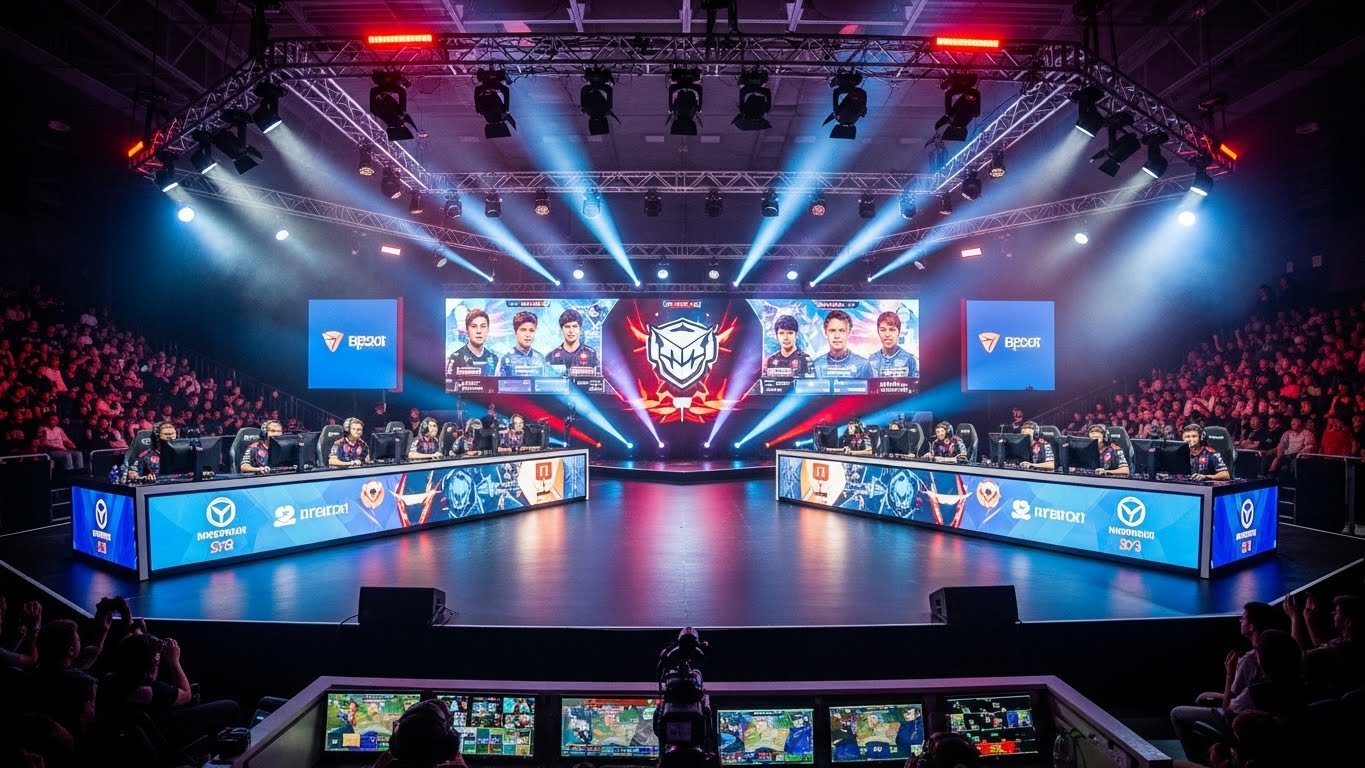
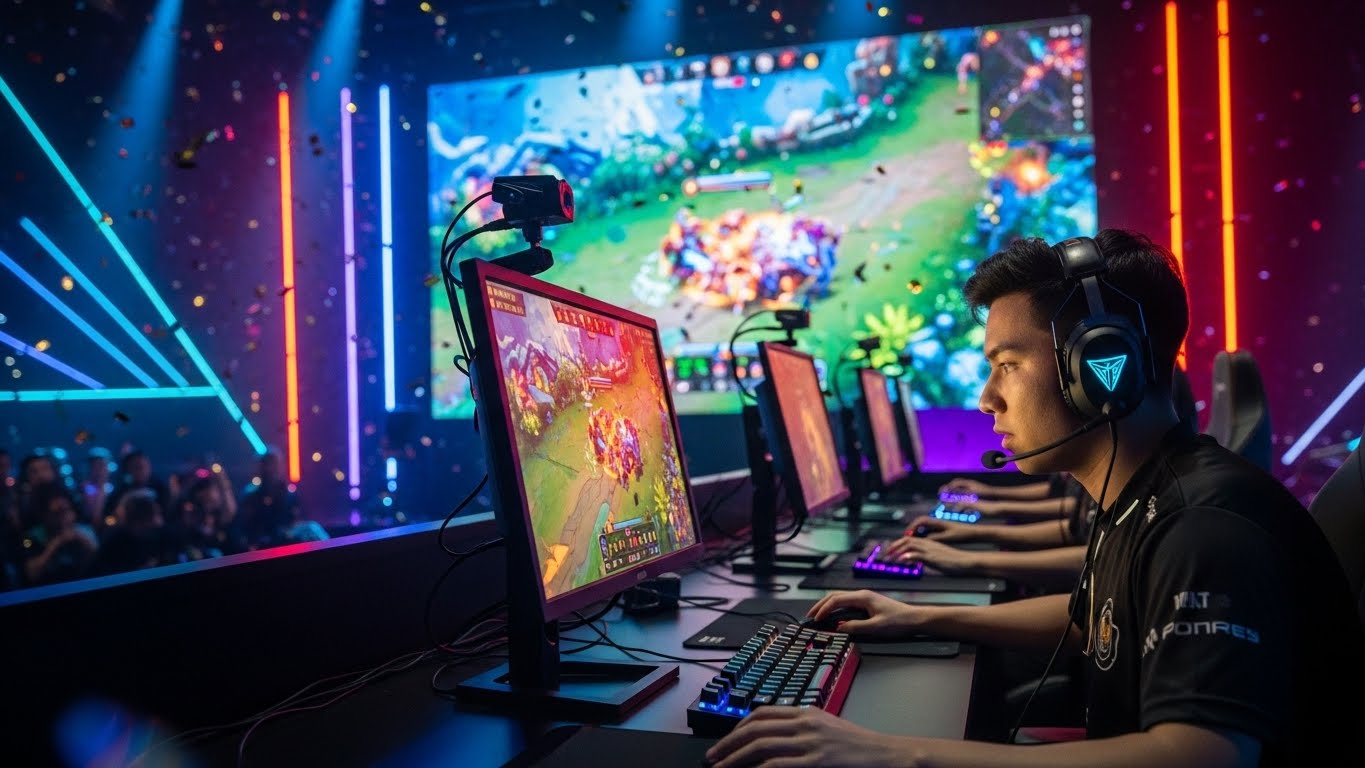
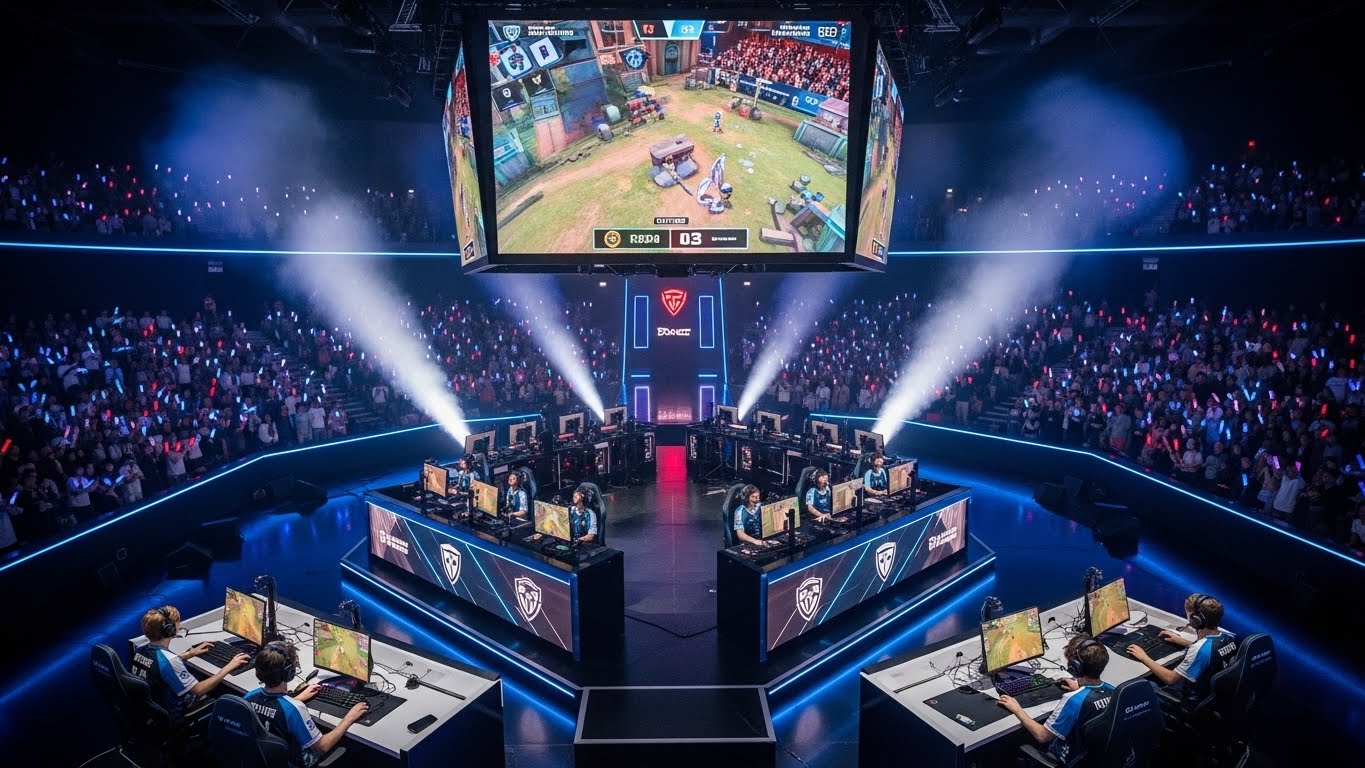
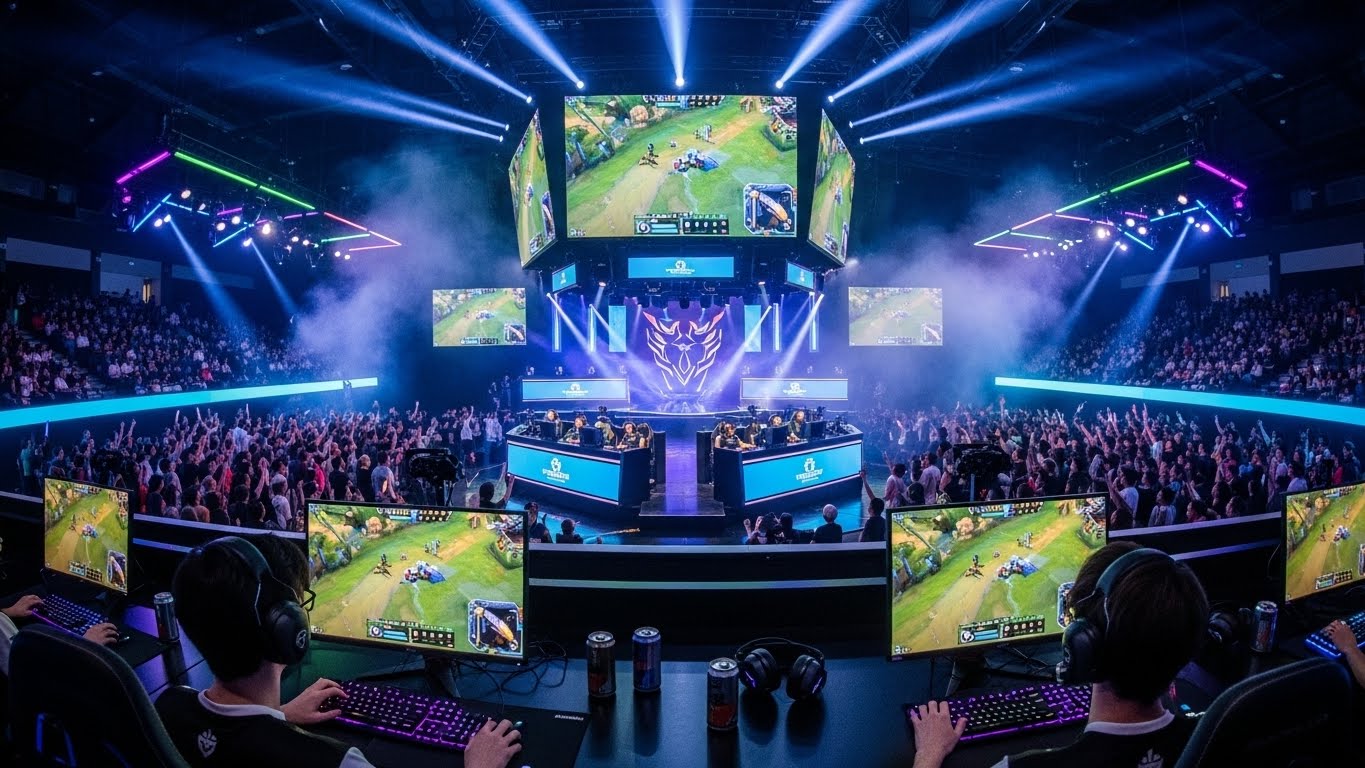
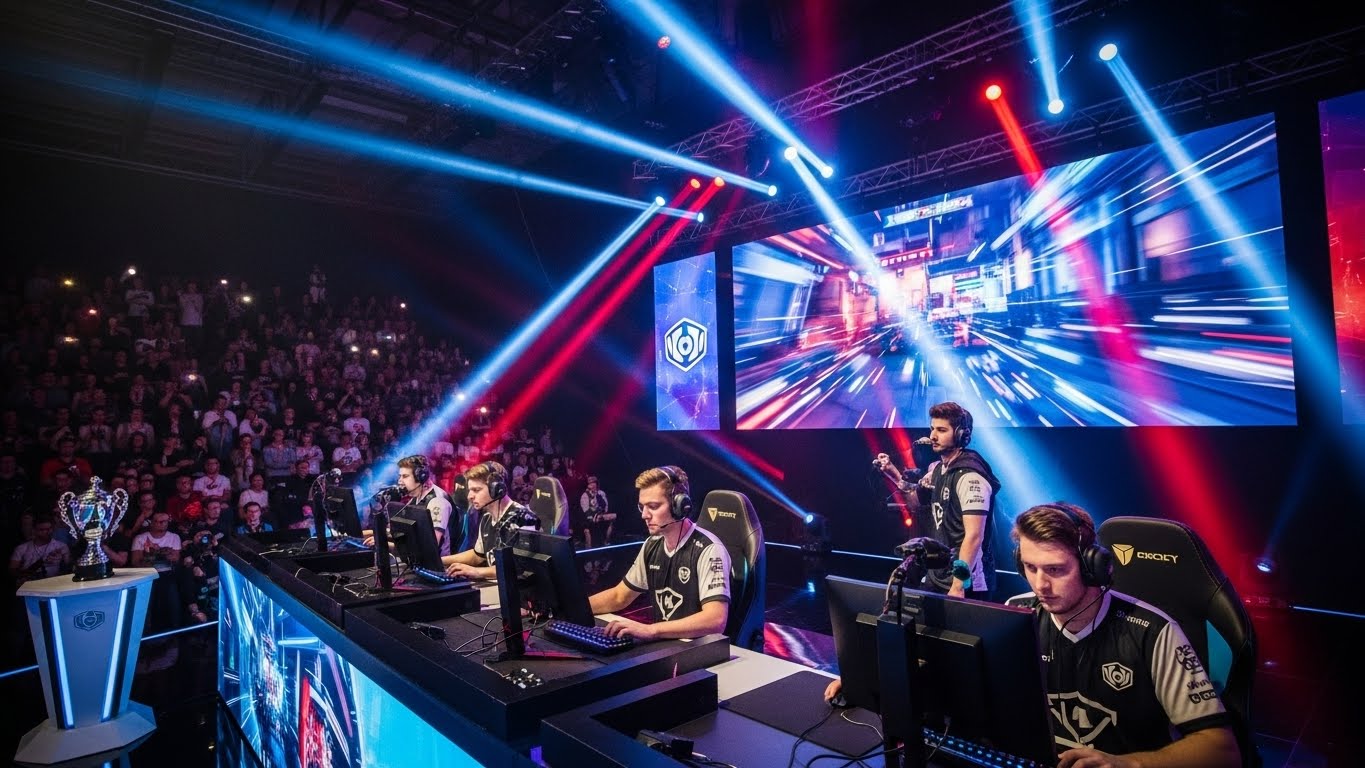
Esports, short for electronic sports, has transformed from a niche hobby into a multi-billion-dollar global industry. What was once considered casual gaming has evolved into competitive, organized tournaments attracting millions of fans worldwide. Today, professional gamers are celebrated athletes, and esports events rival traditional sports in viewership, sponsorships, and cultural impact.
The journey of esports began decades ago, with simple arcade competitions and early PC gaming tournaments. Over the years, technological advancements, the rise of online streaming, and increasing investment have propelled esports into mainstream entertainment. This blog delves into the history, development, major games, competitive structures, cultural impact, and future of esports.
The Origins of Competitive Gaming
Competitive gaming is not a recent phenomenon. It can be traced back to the late 1970s and 1980s, when arcade games like Space Invaders and Pac-Man inspired high-score competitions. One of the first widely recognized esports events was the Space Invaders Championship in 1980, which drew thousands of participants across the United States. These early tournaments laid the groundwork for organized competitive gaming, showing that players could engage in serious competition while attracting public attention.
The rise of personal computers in the 1990s brought a new wave of competitive gaming. Titles like Doom, Quake, and StarCraft allowed players to compete online, creating the first real communities around competitive gaming. Internet cafés became popular meeting points for players, and local tournaments gained traction. South Korea, in particular, embraced esports early on, transforming gaming into a professional pursuit and establishing infrastructures for training and broadcasting competitions.
The Evolution of Esports in the 21st Century
The 21st century marked a turning point for esports. The introduction of broadband internet made online multiplayer gaming more accessible, allowing competitive scenes to flourish globally. Games like Counter-Strike, Warcraft III, and DotA became staples in competitive gaming, leading to the creation of professional leagues and organized tournaments.
A significant factor in esports’ growth has been streaming platforms. Services like Twitch and YouTube Gaming allowed fans to watch live competitions from anywhere in the world, increasing visibility for players and teams. This exposure attracted sponsorships, creating a sustainable economic model. Today, major tournaments such as The International for Dota 2 or the League of Legends World Championship offer prize pools of tens of millions of dollars, rivaling traditional sports events.
Popular Esports Games and Genres
Esports encompasses a wide variety of games, each with its own community, strategies, and competitive scene. Some of the most popular genres include:
Multiplayer Online Battle Arenas (MOBAs)
Games like League of Legends and Dota 2 dominate the MOBA scene. These games are team-based, requiring strategy, coordination, and quick decision-making. MOBAs have extensive competitive leagues and world championships that attract millions of viewers globally.
First-Person Shooters (FPS)
FPS games like Counter-Strike: Global Offensive, Call of Duty, and Valorant are staples of the esports world. These games emphasize precision, reaction time, and tactical gameplay. Professional FPS tournaments often feature team-based competition with regional and international leagues.
Battle Royale
The battle royale genre exploded in popularity with games like Fortnite, PUBG, and Apex Legends. In these games, players compete to be the last person or team standing. Large-scale tournaments, often featuring massive prize pools and celebrity participation, have brought battle royale esports into mainstream culture.
Sports and Racing Simulations
Games like FIFA, NBA 2K, and Gran Turismo allow players to compete in virtual simulations of traditional sports. These games attract both casual and professional players and often mirror real-world sports leagues with official esports circuits.
Fighting Games
Titles such as Street Fighter, Tekken, and Super Smash Bros. have a longstanding competitive scene. Fighting games emphasize skill, reflexes, and knowledge of character matchups. Esports tournaments in this genre often have passionate fan communities and grassroots competitions.
Structure of Competitive Esports
Esports competitions vary in structure but generally follow a tiered system. Players often start in amateur or semi-professional leagues, gradually progressing to professional circuits. Teams and players earn rankings based on performance, which can lead to qualification for national and international tournaments.
Professional esports organizations resemble traditional sports clubs. They recruit players, provide training facilities, coaches, analysts, and sometimes even psychologists and nutritionists. Major tournaments are often broadcasted live with professional commentary, creating an immersive experience for fans.
Some of the most prestigious tournaments include:
- The International (Dota 2)
- League of Legends World Championship
- ESL One (Counter-Strike: Global Offensive)
- Fortnite World Cup
These tournaments offer multi-million-dollar prize pools, large live audiences, and worldwide streaming, cementing esports as a legitimate form of professional competition.
The Role of Esports Organizations and Teams
Professional esports organizations play a central role in the growth of the industry. Organizations like TSM, Fnatic, Team Liquid, and Cloud9 manage multiple teams across different games. They provide financial stability, coaching, marketing, and sponsorship opportunities for players. These organizations also cultivate fan engagement, merchandise sales, and brand partnerships, further expanding the esports ecosystem.
Teams often have a global presence, with fanbases spanning continents. Social media and streaming platforms allow fans to connect with players and teams directly, creating a culture of accessibility and interaction that sets esports apart from traditional sports.
The Cultural Impact of Esports
Esports has profoundly influenced modern culture. It has challenged traditional notions of athleticism, proving that mental skill, strategy, and reflexes can be as competitive as physical sports. Esports has also inspired new forms of entertainment, including live events, streaming content, and online communities.
Universities and schools have begun offering scholarships for esports players, recognizing their skill and potential. Additionally, esports has influenced mainstream media, with professional players appearing in commercials, documentaries, and even feature films. The industry has grown so significantly that esports celebrities now have millions of followers, comparable to traditional sports stars.
The Economics of Esports
Esports is a booming industry with diverse revenue streams. Key sources of income include:
- Sponsorships: Brands partner with teams, events, and players to reach a younger, tech-savvy audience.
- Media Rights: Streaming platforms pay for exclusive broadcasting rights to major tournaments.
- Merchandising: Teams and players sell branded merchandise, from apparel to in-game items.
- Prize Pools: High-profile tournaments offer substantial monetary rewards for top-performing players.
- Advertising: Online streaming and event promotions generate advertising revenue.
The industry’s growth has attracted venture capital and investors, further fueling expansion. Analysts predict esports will surpass several traditional sports in terms of audience size and revenue in the coming decade.
Challenges in Esports
Despite its rapid growth, esports faces challenges. Player burnout is a significant issue due to the high demands of practice and competition. Mental health concerns are increasingly recognized, and teams are implementing support systems to ensure player well-being.
Regulation is another challenge. Unlike traditional sports, esports lacks a centralized governing body, making standardization of rules and player rights inconsistent. Additionally, cheating, match-fixing, and account hacking are ongoing concerns in the competitive scene.
The Future of Esports
The future of esports looks promising. Advancements in technology, such as virtual reality and artificial intelligence, may create entirely new gaming experiences and competitive formats. As the industry matures, more countries are recognizing esports as a professional sport, with structured leagues, international competitions, and even potential inclusion in multi-sport events like the Olympics.
Educational institutions continue to invest in esports programs, providing pathways for aspiring professionals. Sponsorships and partnerships with mainstream media are likely to increase, further solidifying esports as a core part of global entertainment culture.
Conclusion
Esports has evolved from humble beginnings in arcades and internet cafés into a professional, global industry. Its growth is driven by technological innovation, dedicated communities, professional organizations, and mainstream recognition. With millions of players, viewers, and fans worldwide, esports has firmly established itself as a legitimate and influential form of competitive entertainment.
The rise of esports represents more than just gaming; it is a cultural shift that challenges traditional definitions of sports, entertainment, and professional achievement. As technology continues to evolve and the industry matures, esports will undoubtedly continue to shape the future of entertainment on a global scale.