championlounge06
Esports, once a niche pastime for a small group of passionate gamers, has grown into a global phenomenon. With its incredible evolution over the past two decades, it has reshaped the way we view sports, entertainment, and digital culture. The growth of esports has been nothing short of spectacular, transforming from a casual hobby into a multi-billion-dollar industry, capturing the attention of millions worldwide. From the early days of LAN parties to the rise of professional leagues and massive international tournaments, esports has become a cultural juggernaut.
In this blog, we will explore the evolution of esports, its impact on the global entertainment landscape, the key drivers behind its success, and its future trajectory. From the development of online gaming infrastructure to the emergence of esports as a legitimate career, the world of competitive gaming has come a long way. Let’s dive into the fascinating world of esports and understand how it became a global powerhouse.
The Early Days of Competitive Gaming
The origins of esports can be traced back to the early 1990s, when video games began to gain traction as a form of entertainment. However, it wasn’t until the advent of the internet and local area networks (LAN) in the late ’90s and early 2000s that competitive gaming truly began to take off.
LAN Parties: The Birth of Competitive Communities
During the late 1990s and early 2000s, LAN parties became the first true form of competitive gaming. These gatherings, where players would connect their computers via a local network to play multiplayer games, were the foundation for what would become a global competitive gaming culture. The games that dominated these early LAN parties were titles like Quake, Warcraft III, and StarCraft, which offered competitive multiplayer modes that allowed players to face off against one another in intense, head-to-head matches. These informal events quickly grew in popularity as players formed tight-knit communities centered around these games.
The Emergence of Online Gaming
In the early 2000s, the world saw the rise of online gaming platforms such as Battle.net (for StarCraft and Warcraft) and Xbox Live (for console players). These platforms connected players from all over the world, allowing them to compete against one another in real-time, regardless of geographic location. This accessibility, paired with the rise of more advanced gaming titles, led to the early stages of esports as we know it today.
Esports Professionalization: The Birth of Major Tournaments
As gaming became more mainstream and online gaming platforms grew in popularity, it wasn’t long before the first formal esports tournaments emerged. These tournaments were pivotal in transitioning competitive gaming from casual play to professional sports.
Early Esports Tournaments: Cyberathlete Professional League (CPL) and World Cyber Games (WCG)
The early 2000s saw the creation of some of the first major esports tournaments. The Cyberathlete Professional League (CPL), founded in 1997, was one of the first organizations to host large-scale, professional gaming tournaments. These events featured high-level competition for games like Quake, Counter-Strike, and Unreal Tournament, attracting significant attention from the gaming community.
In 2000, the World Cyber Games (WCG) was founded in South Korea and quickly became one of the most prestigious esports events in the world. WCG brought together the best players from all corners of the globe to compete for the title of world champion. These tournaments laid the groundwork for the future of esports by establishing the idea of professional gaming and paving the way for larger, more elaborate competitions in the years to come.
The Growth of League of Legends and MOBA Games
In 2009, Riot Games released League of Legends (LoL), a multiplayer online battle arena (MOBA) game that would change the face of esports forever. LoL’s combination of accessible gameplay and strategic depth made it incredibly popular among both casual and hardcore gamers. The game’s rapid rise led to the establishment of the League of Legends World Championship, which, over the course of a decade, grew to become one of the most-watched esports events in the world.
The success of LoL also highlighted the increasing importance of team-based games in esports. While early competitive games like Quake and Counter-Strike focused on individual skill, MOBAs and other team-based games would become the driving force behind many of esports’ biggest leagues and tournaments.
The Commercialization of Esports
By the mid-2010s, esports had moved beyond its grassroots roots and was firmly on the map as a legitimate form of entertainment. This transformation was fueled by several key factors: the rise of live-streaming platforms, lucrative sponsorships, media rights deals, and the increasing involvement of traditional sports organizations.
Live Streaming: Twitch and YouTube Gaming
In 2011, the launch of Twitch revolutionized the way esports was consumed. Twitch allowed players to stream their gameplay to a global audience, creating a new avenue for fans to watch their favorite players and teams compete in real-time. The platform also provided a space for esports organizations to broadcast their tournaments, further cementing the connection between competitive gaming and entertainment.
Twitch’s success caught the attention of major tech companies, and in 2014, Amazon acquired the platform for nearly $1 billion. This acquisition signaled the increasing commercial potential of esports, as Amazon saw the platform’s value not only as a tool for gaming content but also as a key part of the broader digital entertainment ecosystem.
In addition to Twitch, YouTube Gaming also played a significant role in promoting esports to a wider audience. The ability to watch full tournaments and individual matches on-demand helped boost the visibility of esports and further integrated competitive gaming into mainstream media.
Sponsorships and Partnerships
As esports gained popularity, it attracted sponsorships from major brands. Companies like Coca-Cola, Intel, Red Bull, and Nissan began investing heavily in esports sponsorships, recognizing the vast potential of the gaming demographic. These partnerships provided financial stability for esports organizations, players, and tournament organizers, allowing them to invest in better infrastructure, larger venues, and higher production values for their events.
Moreover, traditional sports organizations, such as the NBA and NFL, began to show interest in the esports industry. Many sports teams launched their own esports divisions, further legitimizing competitive gaming as a professional pursuit.
Media Rights and Esports Leagues
Another major factor in the commercialization of esports has been the sale of media rights. Major esports leagues and tournaments began to negotiate lucrative broadcasting deals with traditional media companies and streaming platforms. For example, the Overwatch League (OWL) secured a deal with Disney to broadcast its matches on ESPN, ABC, and Disney XD.
These deals provided the industry with a steady stream of revenue while also offering greater visibility to esports as a mainstream form of entertainment. With the influx of media coverage, esports gained even more credibility, attracting new fans and investors.
The Current State of Esports: A Multi-Billion Dollar Industry
By the late 2010s and into the 2020s, esports had firmly established itself as a multi-billion-dollar industry. According to Newzoo, a leading provider of market intelligence for the global gaming industry, the global esports industry was projected to generate over $1 billion in revenues by 2021. These revenues were driven by sponsorships, advertising, media rights, merchandise sales, and ticket sales to live events.
The Rise of Professional Esports Leagues
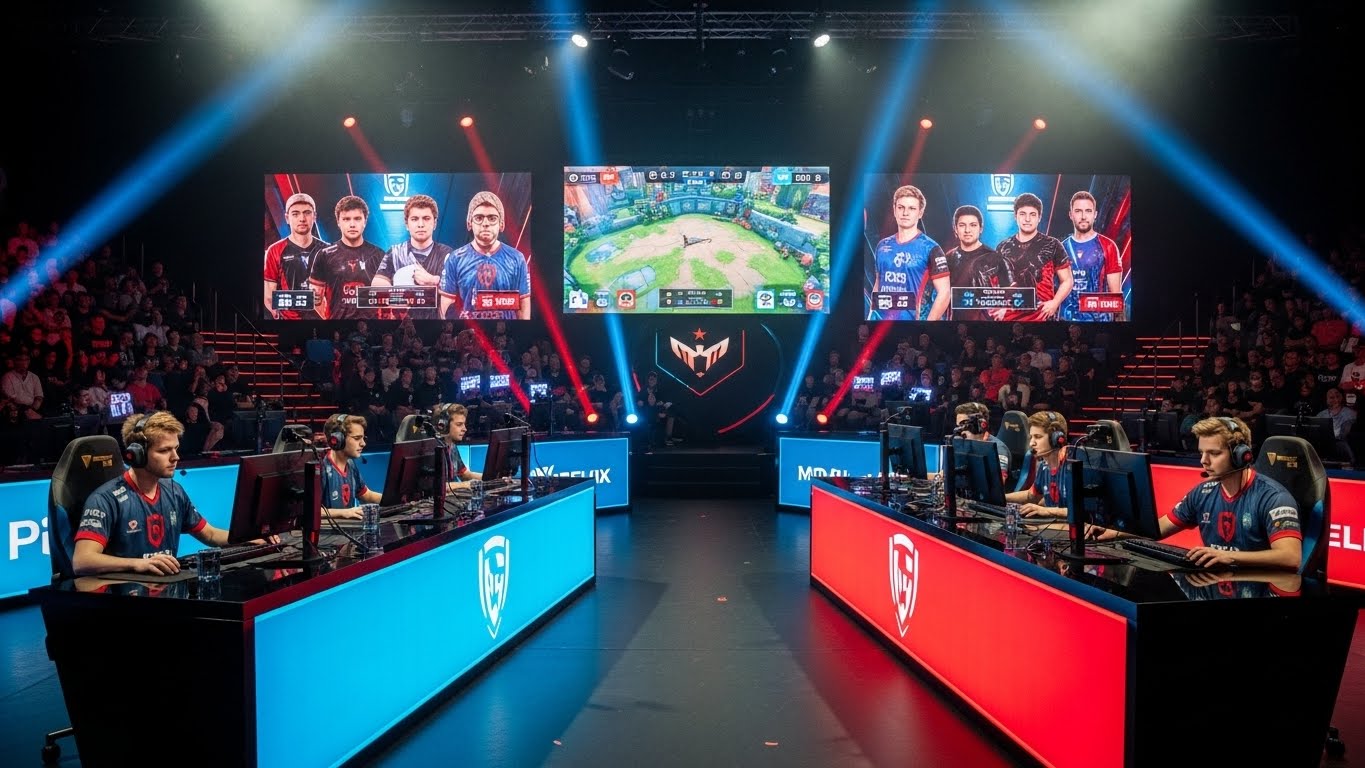
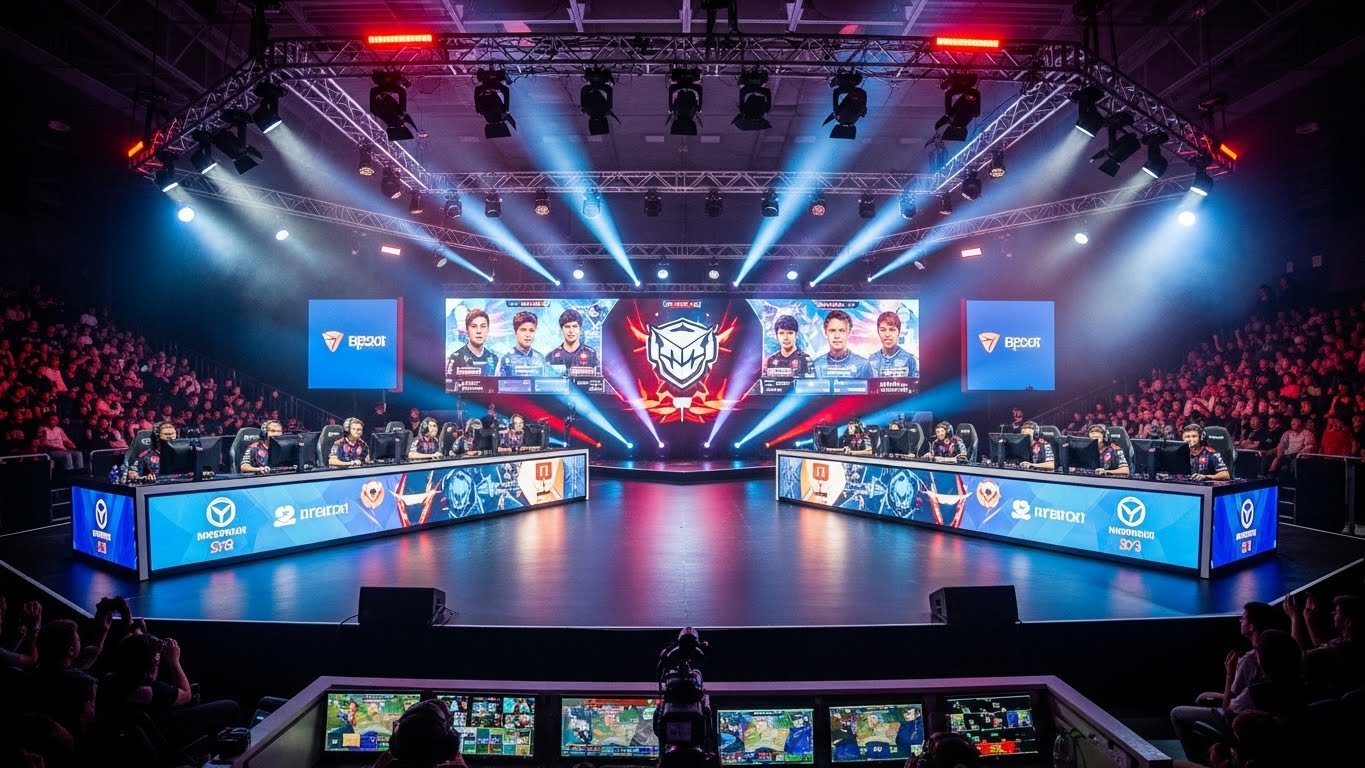
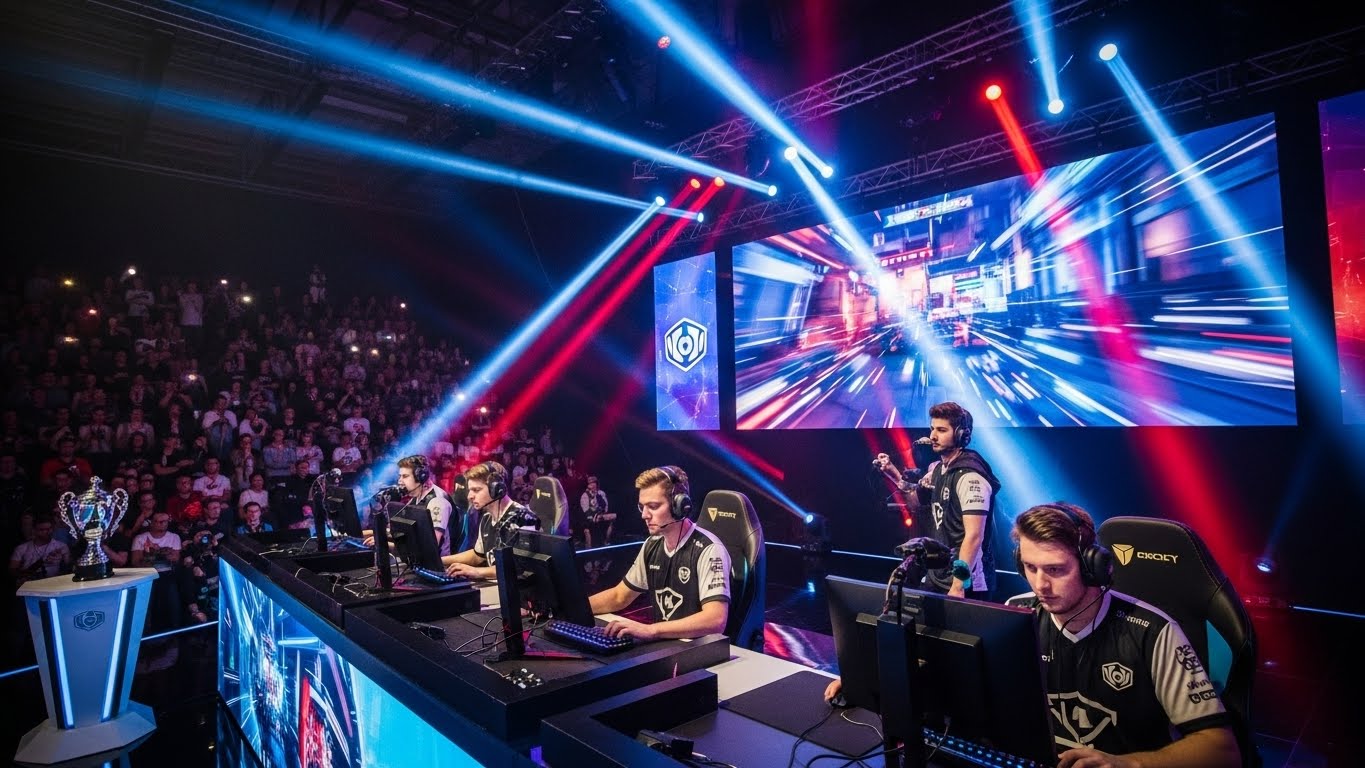
Esports has evolved beyond one-off tournaments and events into fully-fledged professional leagues, complete with regular seasons, playoffs, and championship events. These leagues are modeled after traditional sports leagues, with organized teams, coaches, and even player transfers. Some of the most prominent esports leagues include:
- League of Legends Championship Series (LCS): A premier league for League of Legends, one of the most popular esports titles in the world.
- Overwatch League (OWL): A global professional esports league for Overwatch, developed by Blizzard Entertainment.
- Call of Duty League (CDL): A competitive league for Call of Duty, one of the most well-known first-person shooter franchises.
- Esports Wrestling: Wrestling video games like WWE 2K have seen a rise in competitive gaming, leading to esports-based wrestling events.
These leagues have become highly structured, with teams competing for multi-million dollar prize pools. Additionally, the growth of franchising in esports leagues has created stability and long-term investments in the industry.
The Growth of Esports Viewership
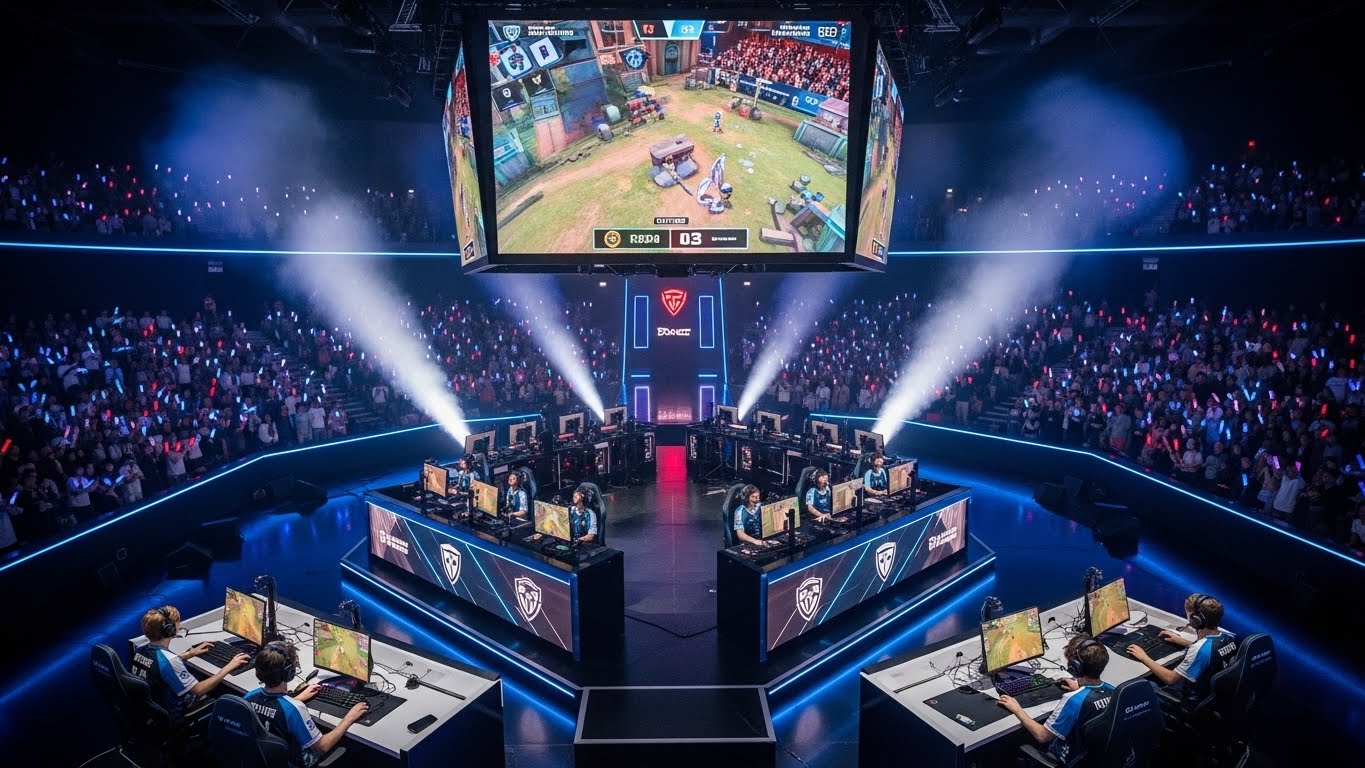
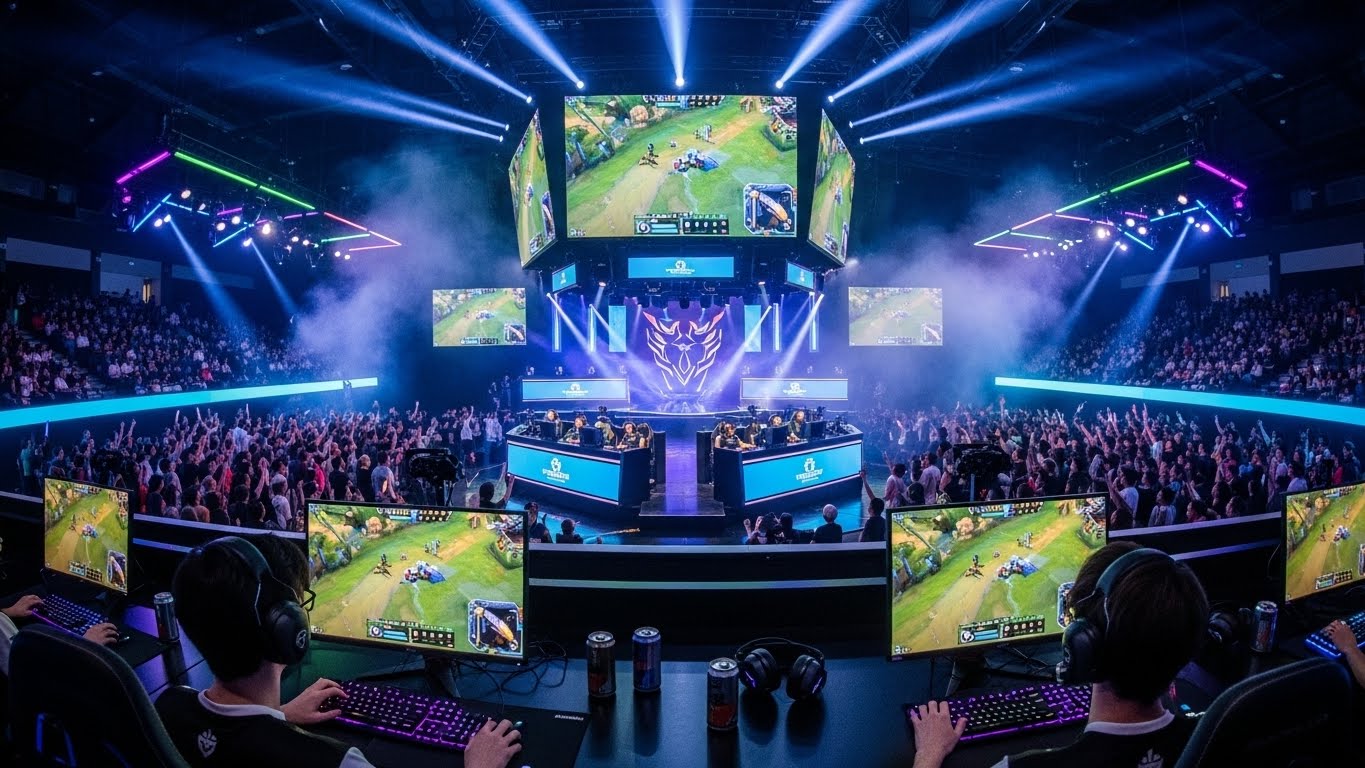
One of the most striking aspects of esports’ growth is the increasing number of viewers. In 2020, the League of Legends World Championship attracted over 100 million viewers, and other esports events regularly draw millions of viewers.
The global reach of esports is unparalleled, as it is accessible to fans from all over the world, thanks to the internet and streaming platforms. These events often feature commentary, analysis, and live updates, similar to traditional sports broadcasts, which has made esports highly engaging for fans.
The Future of Esports: What’s Next?
The future of esports is incredibly exciting, with new technological advancements and cultural shifts continuing to shape the industry. There are several trends that are likely to define the future of esports in the coming years:
The Rise of Virtual Reality (VR) and Augmented Reality (AR)
Virtual and augmented reality technologies have the potential to revolutionize esports. With VR, players can experience fully immersive environments, and viewers could watch esports events in 360-degree video or even experience them as if they were physically present in the arena. These technologies could make esports even more engaging for players and fans alike.
Mobile Esports
As smartphones become more powerful, mobile gaming is emerging as a significant player in the esports landscape. Games like PUBG Mobile and Free Fire have already gained massive followings, particularly in regions like Southeast Asia, India, and Latin America. Mobile esports is expected to grow in popularity, offering more opportunities for both players and fans.
Esports in Schools and Universities
The integration of esports into schools and universities is another growing trend. Many educational institutions are now offering esports scholarships and creating competitive gaming teams. This provides students with new opportunities for careers in gaming and technology, while also legitimizing esports as a professional career path.
Integration with Traditional Sports
We are likely to see more collaboration between traditional sports organizations and esports. With the increasing interest from sports teams and celebrities in esports, we may witness more hybrid events that combine esports with traditional sports competitions, further expanding the reach and appeal of both industries.
Conclusion
Esports has come a long way since its humble beginnings in the 1990s. From LAN parties to professional leagues, from small tournaments to global competitions, esports has become a force to be reckoned with in the world of entertainment. With its massive audience, multi-billion-dollar industry, and growing influence on culture, esports is not just a passing trend—it is a permanent fixture in the modern entertainment landscape.
As we look to the future, the possibilities for esports are virtually limitless. With the rise of new technologies, increased global engagement, and continued investment from major brands, esports will continue to evolve, entertain, and inspire millions around the world.