championlounge06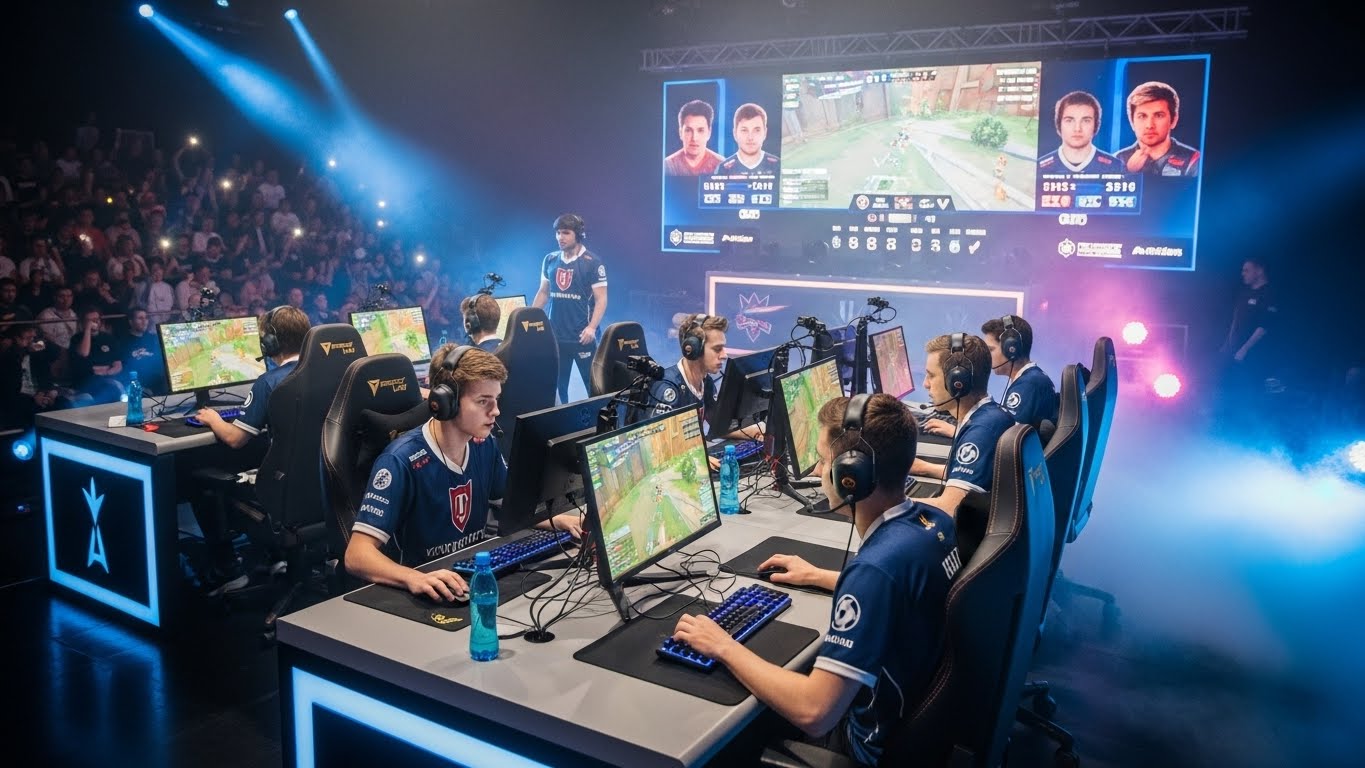
In recent years, the gaming industry has experienced an explosive growth in popularity, and nowhere is this growth more evident than in the realm of esports. What once was a niche subculture, populated by a small but passionate group of competitive gamers, has now evolved into a global phenomenon with millions of viewers, professional leagues, lucrative sponsorships, and even mainstream recognition. Esports is no longer just about playing games—it’s about entertainment, competition, and a shared experience that transcends borders, bringing people together in ways never imagined before.
In this blog post, we will explore the rise of esports, its impact on gaming culture, the business side of competitive gaming, and what the future holds for this digital sports revolution.
What is Esports?
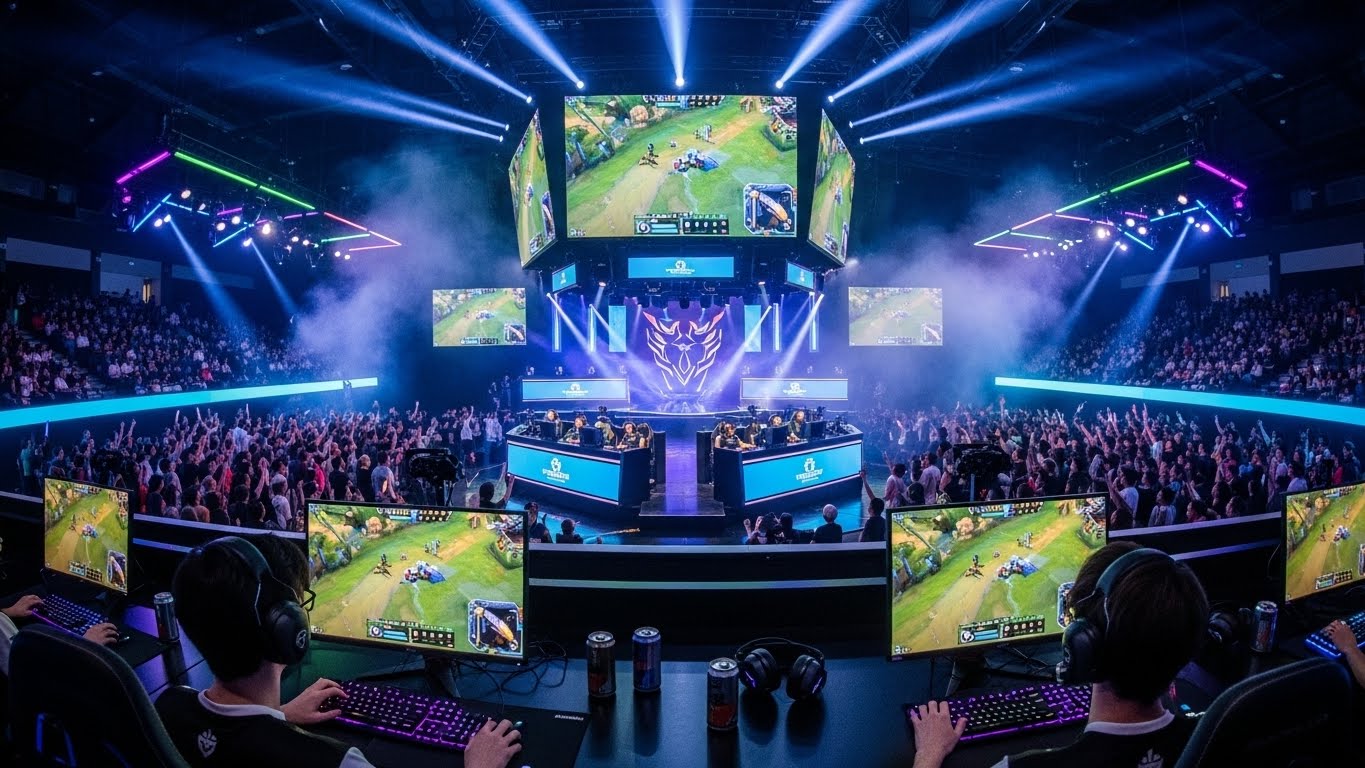
Esports, or electronic sports, refers to organized, multiplayer video game competitions, particularly between professional players, individually or as teams. These events are often live-streamed on platforms such as Twitch, YouTube, and Facebook Gaming, and some tournaments are even broadcasted on traditional television networks. Esports spans a variety of genres, including real-time strategy (RTS) games, first-person shooters (FPS), multiplayer online battle arena (MOBA) games, and sports simulation games. Titles like League of Legends, Dota 2, Counter-Strike: Global Offensive, Fortnite, Overwatch, and Call of Duty have become household names, with players competing for multi-million-dollar prize pools in front of millions of viewers.
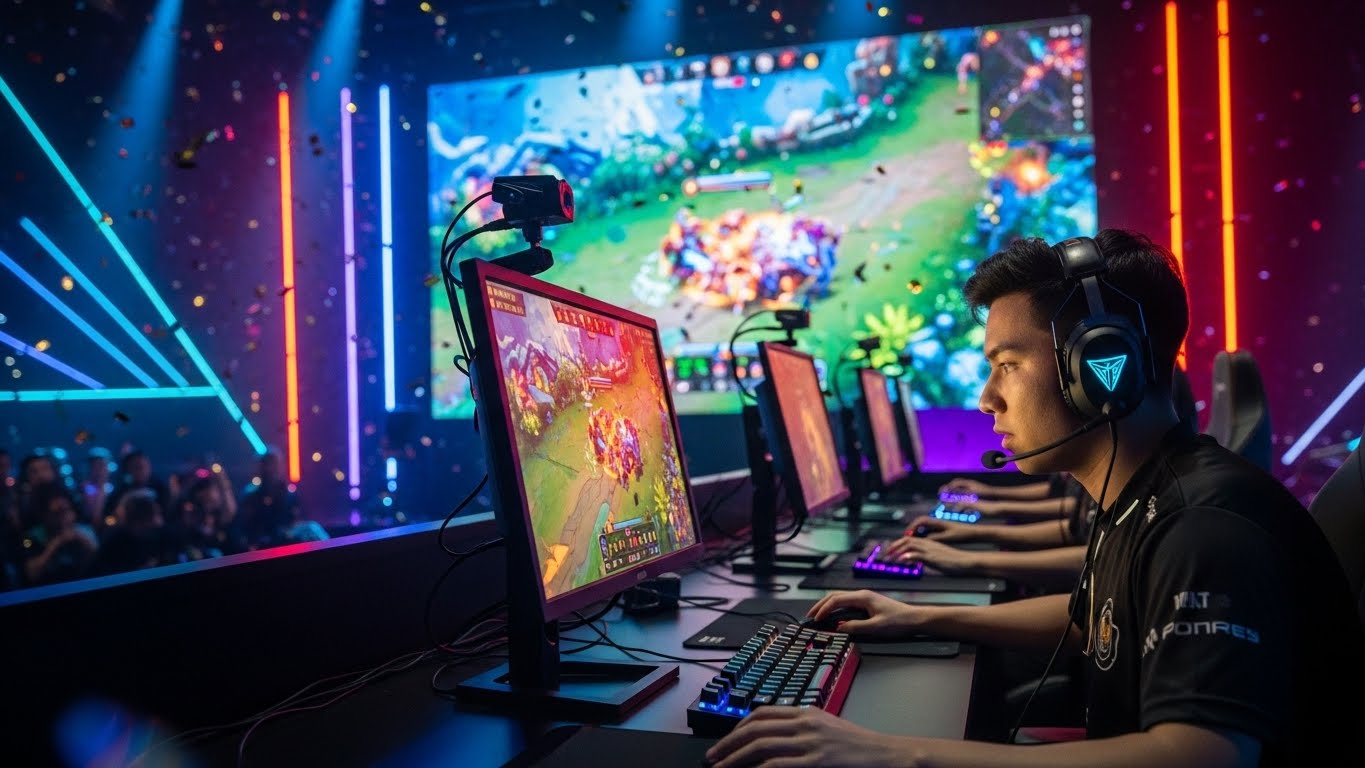
While traditional sports rely on physical skill and athleticism, esports demands a different set of talents. Reflexes, strategic thinking, teamwork, communication, and mental endurance are just as critical as physical prowess. As a result, esports players train rigorously—just like traditional athletes—practicing for hours every day to refine their skills and master their game.
The Growth of Esports: From Hobby to Profession
Esports has grown from a hobbyist activity in the early 2000s to a global multi-billion-dollar industry today. Several factors have contributed to its meteoric rise. Firstly, the improvement of internet infrastructure and the widespread availability of high-speed broadband have made it easier for players to compete online from anywhere in the world. This has led to the creation of massive online tournaments and leagues, where participants can compete without geographical limitations.
Secondly, the rise of streaming platforms like Twitch and YouTube has allowed esports to reach a global audience. Streaming enables fans to watch live competitions, follow their favorite players, and engage with the gaming community in real-time. Many esports events have attracted millions of viewers, and in some cases, esports tournaments have even rivaled traditional sports broadcasts in terms of viewership numbers.
Esports also benefits from the increasing social acceptance of gaming as a legitimate form of entertainment. Video games, once seen as a pastime for children or “geeks,” have now been embraced by mainstream culture. Today, gamers come from all walks of life, and gaming is widely regarded as an acceptable hobby for people of all ages. This cultural shift has paved the way for esports to be taken more seriously by advertisers, sponsors, and investors.
The Esports Ecosystem: Leagues, Teams, and Players
Esports operates on a structured, league-based system similar to traditional sports. Some of the biggest esports titles, such as League of Legends and Dota 2, feature annual leagues and tournaments that culminate in world championships. These events draw players and teams from across the globe, and their scale rivals that of major sports events like the Super Bowl or the FIFA World Cup.
Esports Teams and Players
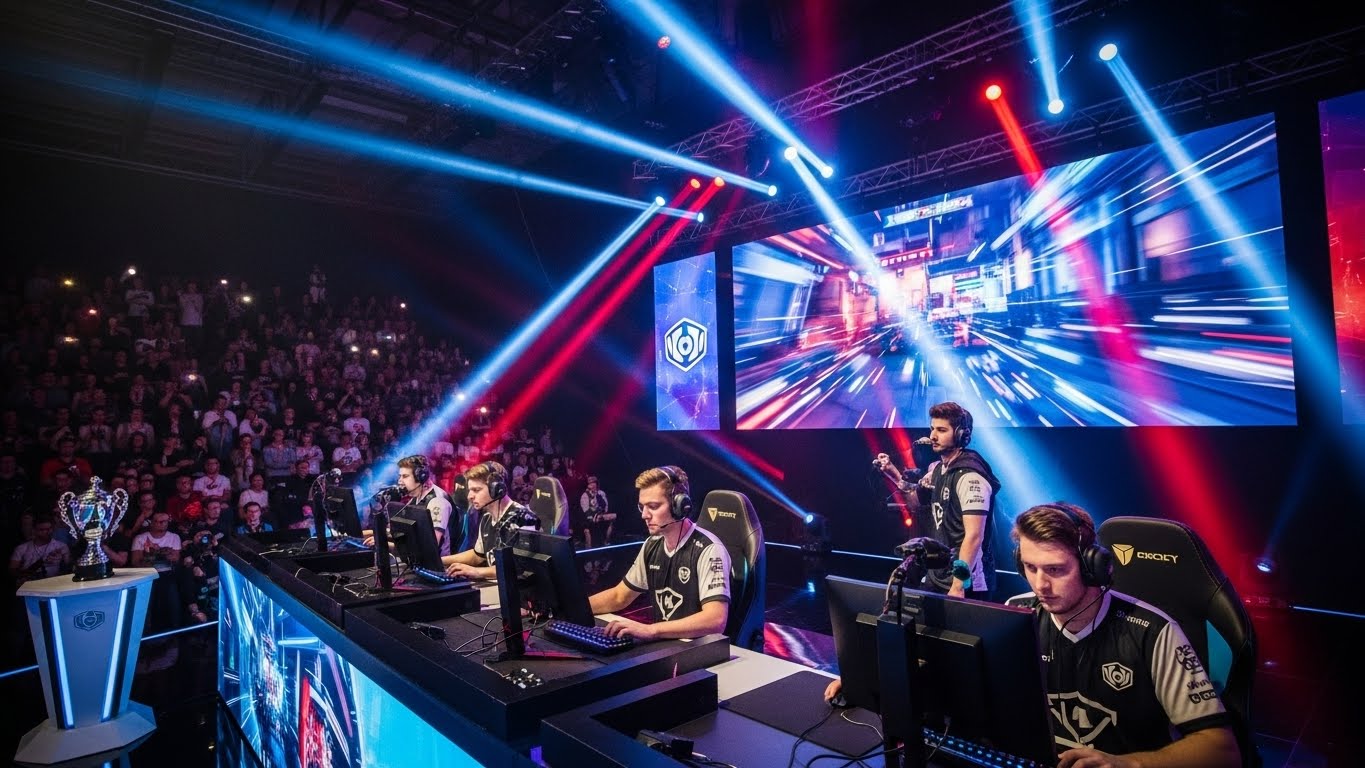
At the core of the esports ecosystem are the teams and players. Professional esports players are highly skilled individuals who dedicate their lives to mastering their chosen games. Many of them start young, practicing for hours every day in order to stay competitive. To help with this, esports organizations have formed, often supported by large corporate sponsors, which provide teams with training facilities, coaches, analysts, and even psychologists to ensure players’ mental and physical well-being.
These teams represent more than just a group of players—they are brands in and of themselves. Some organizations, like Team Liquid, Cloud9, and T1, are internationally recognized and have built strong fanbases. Esports teams often have their own merchandise, social media presence, and even fan events, further building their identities within the gaming community.
Tournaments and Leagues
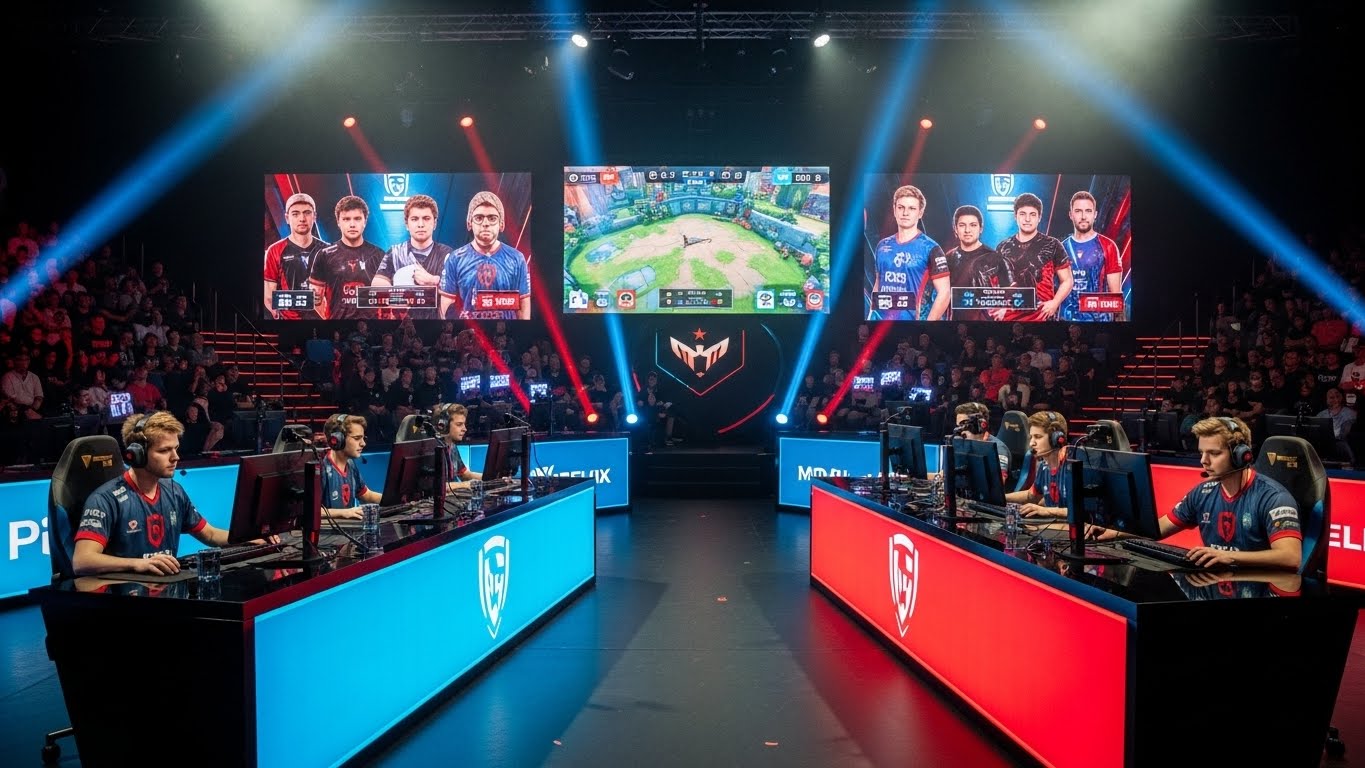
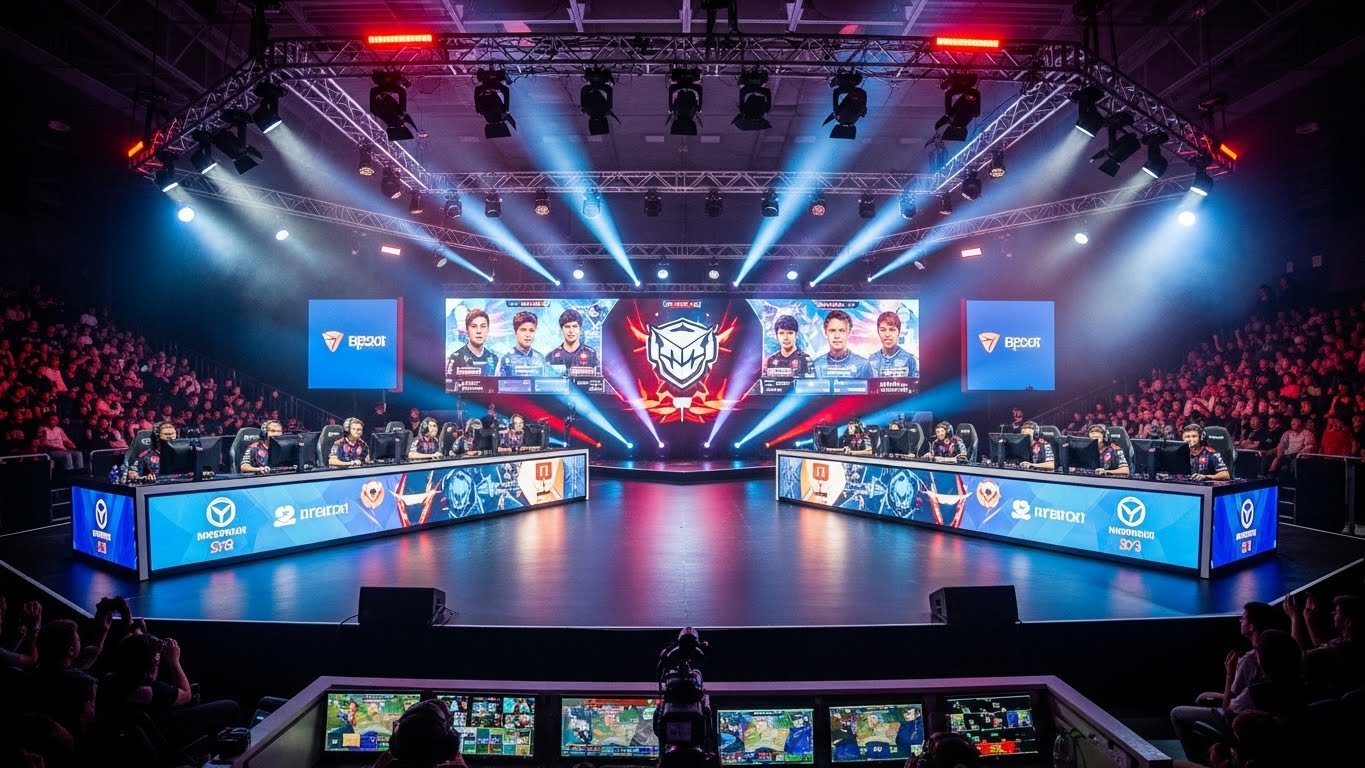
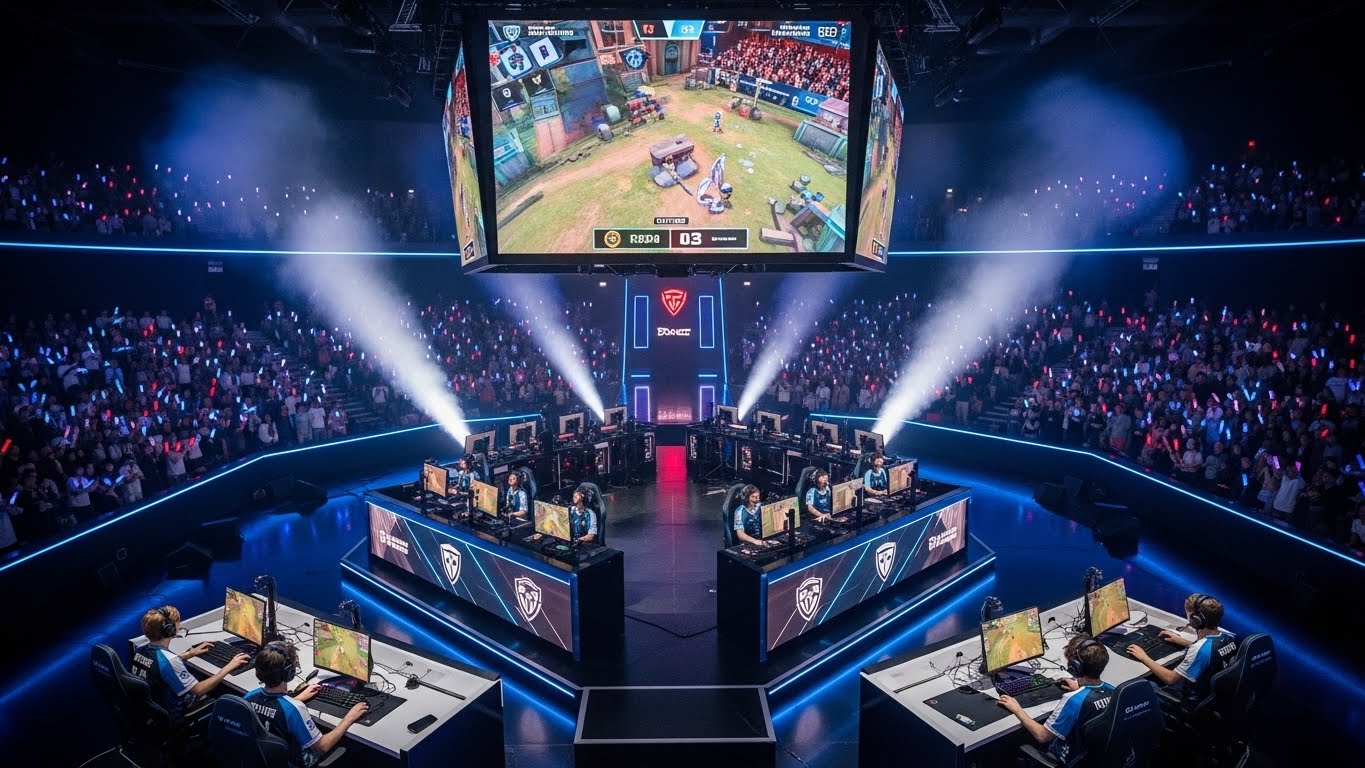
Esports tournaments are the crown jewel of competitive gaming. Events like The International (Dota 2), League of Legends World Championship, and Fortnite World Cup are global spectacles that bring together top players from around the world to compete for massive cash prizes and, often, global prestige. These tournaments typically take place in large arenas, with thousands of fans attending in person, while millions more tune in online to watch the action.
The prize pools in these tournaments are substantial, often reaching millions of dollars. For example, The International 2021 featured a prize pool of over $40 million. This level of financial backing has made esports not just a hobby but a viable career option for many young players.
The Business of Esports: Sponsorships, Revenue Streams, and Media Rights
With the rapid growth of esports, the business side of the industry has also exploded. Companies from various sectors, including tech, gaming, and even non-endemic brands like Coca-Cola and Red Bull, have recognized the potential of esports as a marketing tool. As a result, sponsorship deals have become a key source of revenue for esports organizations and players alike.
Sponsorships and Advertisements
Major brands are eager to tap into the highly engaged and tech-savvy esports audience. Sponsors provide funding for teams, tournaments, and events in exchange for advertising opportunities. For example, gaming peripherals companies like Razer and Logitech often sponsor professional players and teams, providing them with equipment in exchange for exposure. Streaming platforms, such as Twitch and YouTube, also benefit from advertising revenue generated by the massive viewership of esports events.
Media Rights
Another significant revenue stream for esports organizations comes from media rights. Just like traditional sports leagues sell broadcasting rights to TV networks, esports organizations sell the rights to broadcast their tournaments on streaming platforms or television. This has been particularly important in the rise of esports’ mainstream popularity. Platforms like Amazon-owned Twitch and Google-owned YouTube have invested heavily in securing exclusive broadcasting rights to major esports events. As esports grows in reach and viewership, media rights deals are expected to play an increasingly important role in its financial success.
Merchandising
Esports teams and players often have dedicated merchandise stores where fans can purchase branded clothing, accessories, and other items. These products provide an additional revenue stream and help further solidify the identity of teams and players in the eyes of their fans.
Franchise Leagues and Investment
Some esports titles have adopted the franchise model, similar to that of traditional sports leagues. For example, the Overwatch League and League of Legends Championship Series are franchise-based leagues where teams are invited to participate for a spot in the league, much like NBA or NFL teams. This model has attracted significant investment from outside the gaming world, with traditional sports owners and venture capitalists backing esports teams.
Esports as a Career: Opportunities and Challenges
As esports has evolved, so too have the career opportunities within the industry. Professional players are the most visible figures in esports, but they are far from the only ones involved in the ecosystem. In fact, the esports industry offers a diverse array of career paths, including coaching, analysis, broadcasting, event organizing, content creation, and marketing. As the industry grows, so too does the demand for skilled professionals in these areas.
Professional Players
For many young gamers, becoming a professional esports player is the ultimate goal. While the lifestyle may seem glamorous—traveling the world, competing in major tournaments, and earning substantial prize money—being a pro player is incredibly demanding. Players often start their careers at a young age, and the competition is fierce. Many players must balance their gaming career with training and mental health considerations. Additionally, the career lifespan of a professional player is typically shorter than that of athletes in traditional sports, with many retiring in their mid-to-late twenties.
Content Creators and Streamers
In addition to professional players, content creators and streamers have become an integral part of the esports ecosystem. Platforms like Twitch, YouTube, and Facebook Gaming allow gamers to broadcast their gameplay to large audiences. Some content creators earn revenue through sponsorships, donations, and subscription models, with top streamers making millions annually. Content creation is a versatile career path that allows individuals to build personal brands and engage with their audience in new and creative ways.
Coaching and Support Staff
As esports becomes more professional, the demand for coaching and support staff has grown. Just like traditional sports teams, esports organizations rely on coaches, analysts, managers, and other support staff to help players improve their skills and maintain a high level of performance. This has created job opportunities for individuals with expertise in game strategy, player development, and team dynamics.
The Future of Esports: Global Expansion and Mainstream Acceptance
The future of esports looks incredibly bright. As the industry continues to grow, it is likely to experience further mainstream acceptance. Esports will likely continue to expand globally, with new markets opening up in regions like Asia, South America, and the Middle East. The growth of mobile esports, driven by the popularity of games like PUBG Mobile and Mobile Legends, will also contribute to the industry’s expansion.
Esports may eventually gain recognition as an official sport in some countries, and we could see universities offering scholarships for esports athletes, further legitimizing the career path. Additionally, the development of virtual and augmented reality gaming could open up new opportunities for esports, offering players and fans even more immersive experiences.
As esports continues to grow, the key will be to maintain a balance between the competitive spirit and the entertainment aspect, ensuring that the industry remains accessible and enjoyable for both players and fans alike.
Conclusion
Esports is no longer just a hobby or a passing trend; it has become a cultural and economic force that is reshaping the landscape of gaming, entertainment, and even sports. The rise of esports has not only brought about professional opportunities for players but also created new career paths for coaches, analysts, broadcasters, and content creators. As the industry continues to expand, esports will likely continue to captivate audiences around the world, pushing the boundaries of what competitive gaming can be.
Esports has already proven itself to be a global phenomenon, and its future seems poised for even greater success. The continued innovation in gaming technology, the growing popularity of streaming platforms, and the investment from major brands will keep esports at the forefront of the entertainment industry for years to come. Whether you’re a player, a fan, or someone interested in exploring a career in the industry, one thing is certain: esports is here to stay.