championlounge06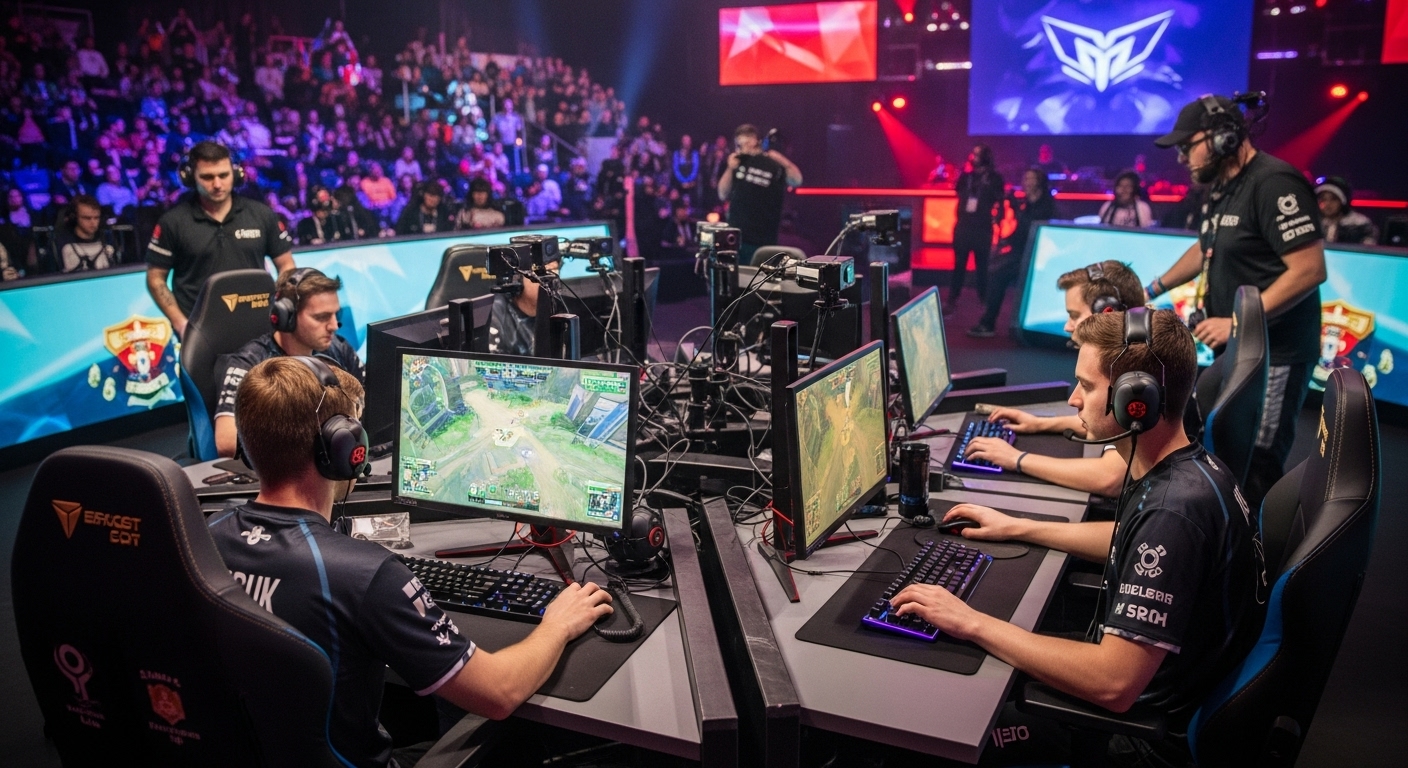
Introduction
In the span of just a few decades, esports has transformed from a niche pastime for gamers into a multibillion-dollar global industry. What was once viewed as an underground subculture has now become a mainstream phenomenon, captivating millions of fans across continents. Professional gamers compete in packed arenas, universities offer esports scholarships, and brands that once ignored gaming now pour billions into sponsorships and partnerships. The world has witnessed the evolution of competitive gaming from casual LAN parties to massive international tournaments with prize pools rivaling traditional sports events. This evolution didn’t happen overnight — it was driven by technology, community, and the relentless passion of gamers who believed that playing video games could be more than just entertainment.
The Origins of Competitive Gaming
The origins of esports date back further than many realize. Competitive gaming didn’t start with the internet or the modern PC era. It began in the 1970s when video games were first making their mark on popular culture. The first recognized video game competition took place at Stanford University in 1972, where players competed in the game “Spacewar!” for a year’s subscription to a magazine. Though small in scale, this event marked the beginning of something extraordinary.
In the 1980s, the introduction of arcade games like “Pac-Man” and “Donkey Kong” gave birth to a competitive culture centered around high scores. Players across the world began vying to see who could achieve the top score and have their initials immortalized on the screen. These were the earliest forms of esports — simple yet driven by the same spirit of competition that fuels today’s professional players. Television shows such as “Starcade” even brought gaming competitions to the small screen, showcasing the early potential of video games as spectator entertainment.
The Rise of Online Multiplayer Gaming
The 1990s marked a turning point for esports. The introduction of personal computers and the rise of local area network (LAN) parties gave players the ability to connect and compete more directly. Games like “Doom” and “Quake” became cornerstones of this era, fostering a new generation of competitive gamers. LAN tournaments became social events where players could test their skills face-to-face.
The real revolution came with the rise of the internet. Online multiplayer gaming changed everything. Titles like “StarCraft,” “Counter-Strike,” and “Warcraft III” connected players across the globe and laid the foundation for organized tournaments and professional leagues. South Korea, in particular, emerged as the global hub of esports during this time. “StarCraft” became a national phenomenon, with players achieving celebrity status and televised matches drawing millions of viewers. This early professionalization of gaming in Korea became the blueprint for esports worldwide.
The Birth of Modern Esports Leagues
By the early 2000s, competitive gaming had begun to solidify into a structured ecosystem. Organizations such as Major League Gaming (MLG), Cyberathlete Professional League (CPL), and the World Cyber Games (WCG) began hosting large-scale international tournaments. These events provided gamers with real prize money, sponsorships, and recognition — legitimizing esports as a career path rather than just a hobby.
Games like “Counter-Strike,” “Halo,” and “Warcraft III” were the stars of the early esports scene. Players trained rigorously, teams were formed, and fans began following their favorite competitors just as they did in traditional sports. The competitive infrastructure started to mirror professional sports organizations, with teams hiring coaches, analysts, and even psychologists to enhance performance.
As technology advanced, streaming platforms began to emerge. Services like Twitch revolutionized esports by allowing fans to watch live matches from anywhere in the world. The accessibility of live content further expanded esports’ reach and transformed it into a form of entertainment for the masses.
The Explosion of Esports in the 2010s
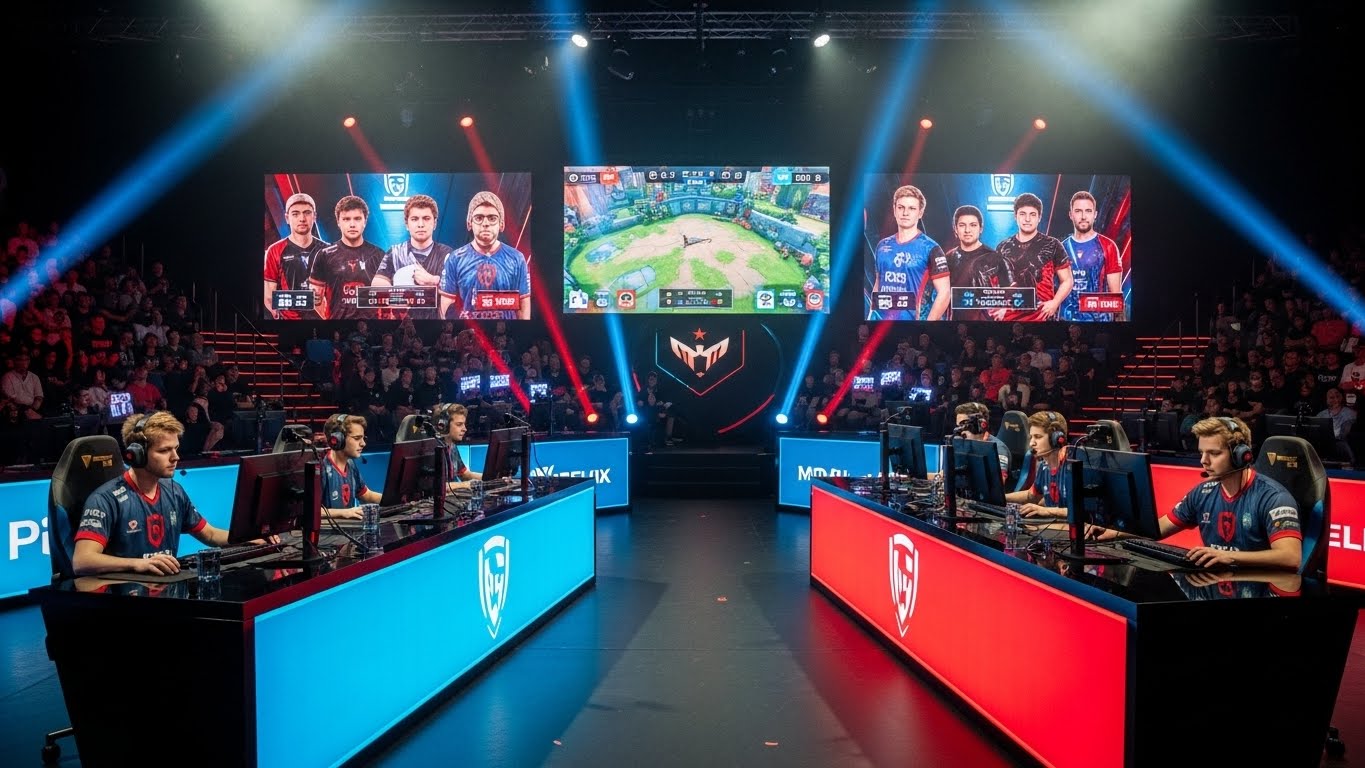
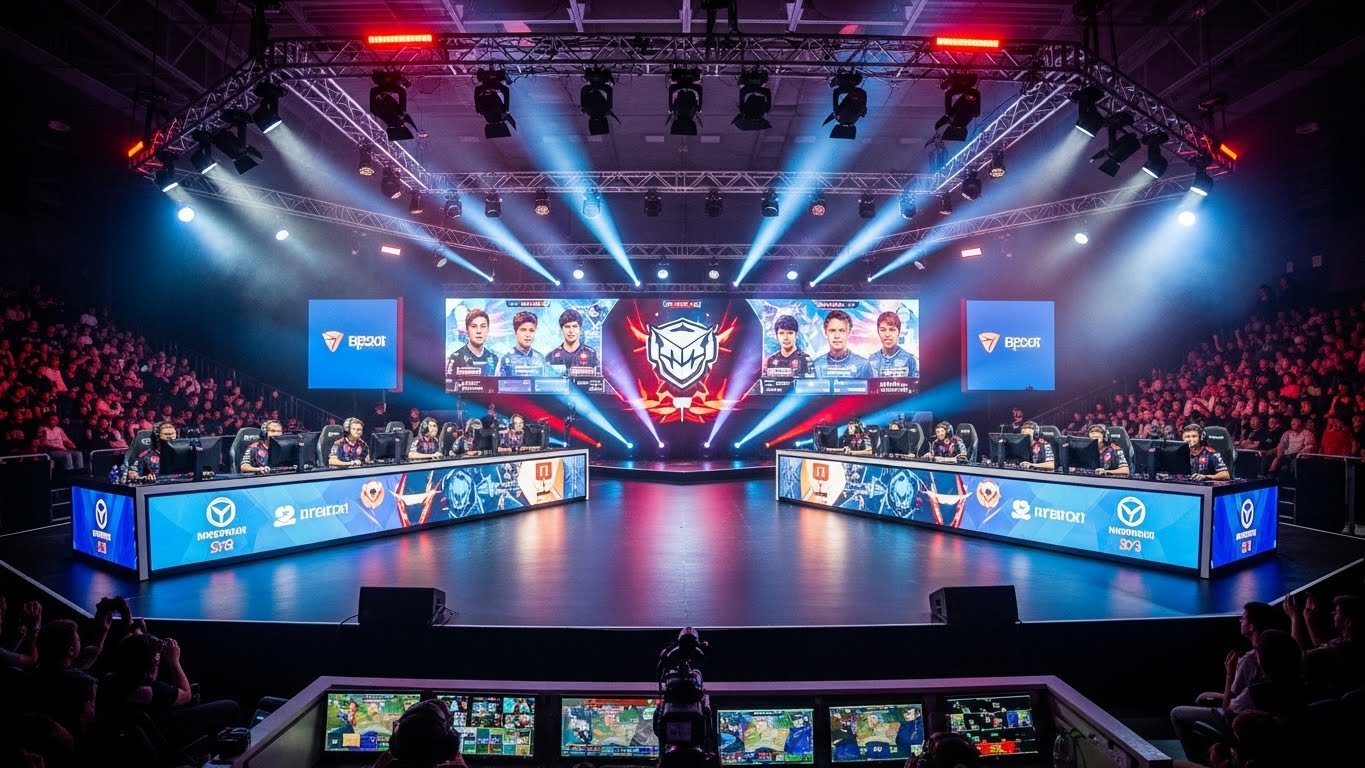
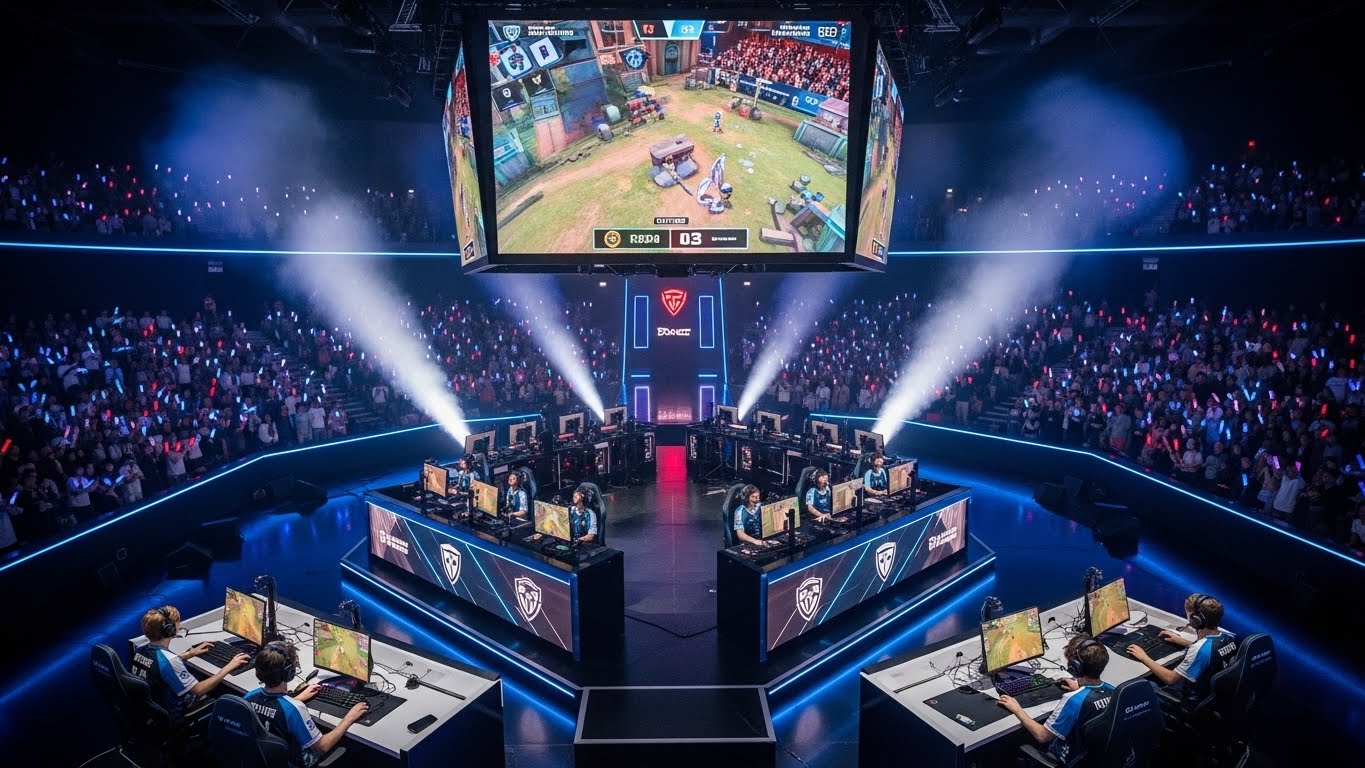
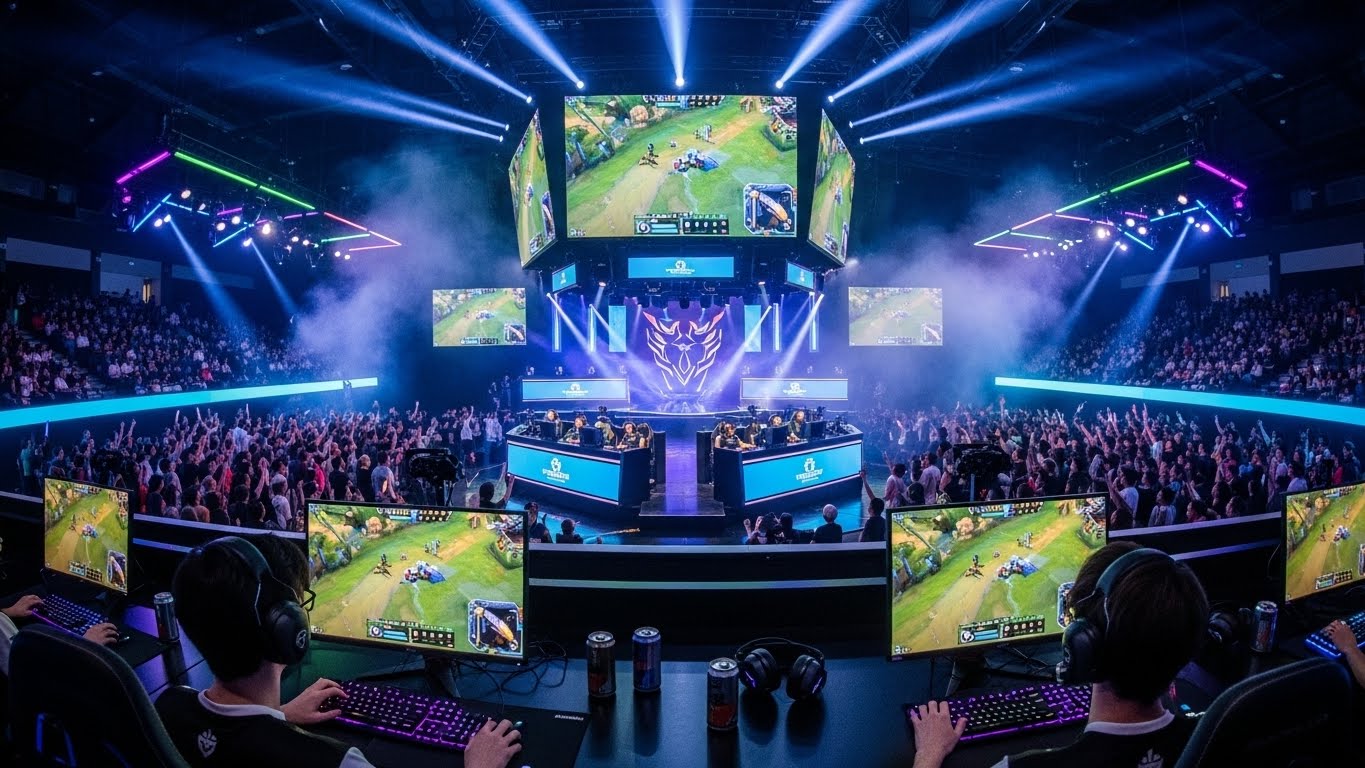
The 2010s can be described as the golden decade of esports. During this period, the industry saw unprecedented growth, both in audience size and financial success. Games like “League of Legends,” “Dota 2,” and “Counter-Strike: Global Offensive” became global sensations, attracting millions of players and viewers. Esports tournaments began filling massive arenas that once hosted concerts and traditional sporting events.
One of the defining moments of this era was the rise of “The International,” an annual “Dota 2” tournament known for its record-breaking prize pools crowdfunded by the gaming community. Similarly, Riot Games’ “League of Legends World Championship” drew millions of viewers each year, cementing the game’s status as one of the world’s most-watched esports titles.
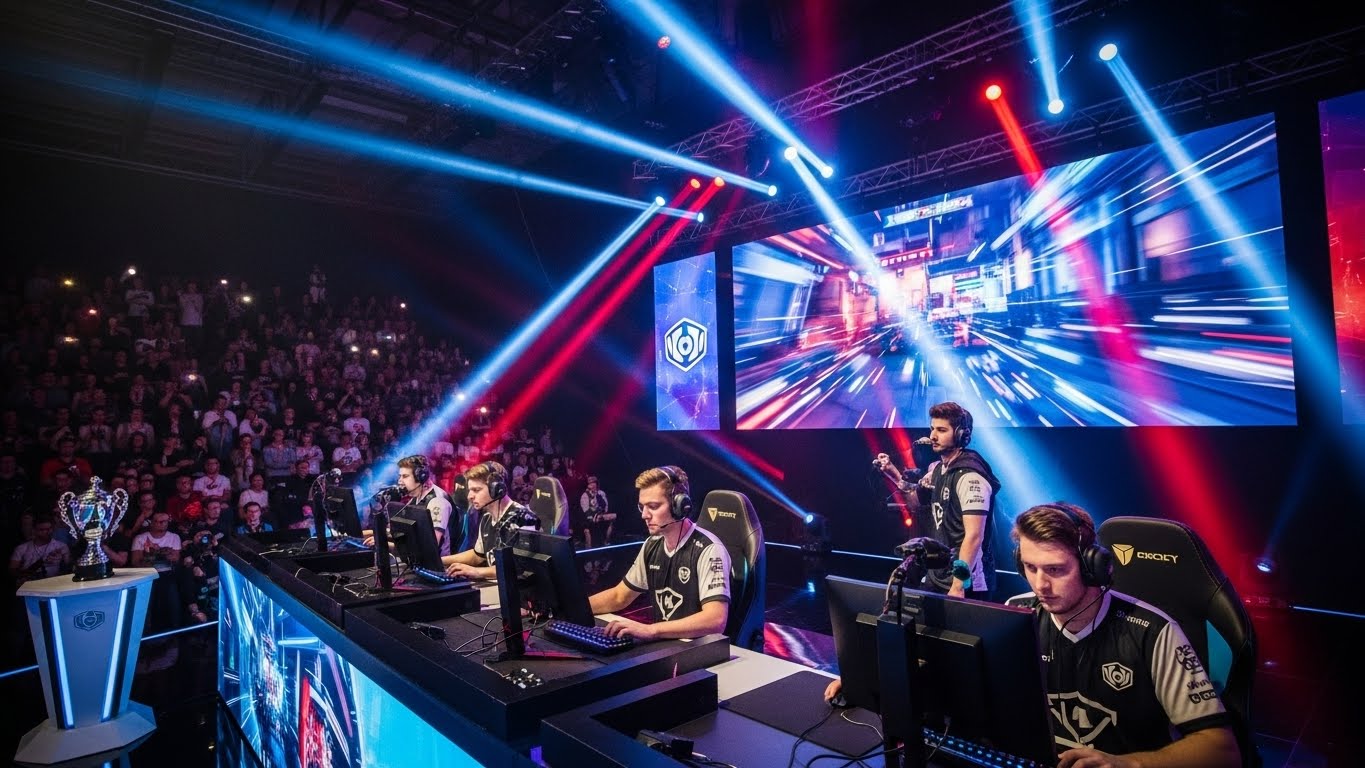
The professionalization of the industry reached new heights. Esports organizations began to operate with the sophistication of traditional sports franchises, signing sponsorship deals with global brands, hiring professional management staff, and investing heavily in player development. Broadcasting quality improved dramatically, with high-definition streams, professional commentary, and elaborate stage setups that rivaled any mainstream sports event.
The Economic Impact of Esports
Today, esports is not just entertainment — it is a thriving industry with its own economic ecosystem. The global esports market generates billions in revenue from various streams, including sponsorships, media rights, advertising, merchandise, and ticket sales. Major corporations like Coca-Cola, Intel, and BMW have become key sponsors, recognizing the potential of reaching a young, tech-savvy audience.
Prize pools have skyrocketed over the years, and top players now earn salaries comparable to professional athletes. The creation of esports teams and organizations has also given rise to management careers, production jobs, and event planning opportunities. Entire arenas are built specifically for esports competitions, and universities around the world now offer esports degrees and scholarships.
The esports economy extends far beyond tournaments. Streaming platforms, content creation, and influencer marketing have become crucial components. Professional players often double as content creators, streaming their practice sessions and interacting with fans. This direct connection between players and audiences has helped cultivate strong fan loyalty and community engagement.
The Cultural Significance of Esports
Esports has transcended the gaming world to become a cultural phenomenon. It is now recognized as a legitimate form of competition and entertainment. Major sporting events such as the Asian Games have even included esports as a medal event, signaling growing global acceptance.
What makes esports particularly unique is its accessibility. Unlike many traditional sports that require physical infrastructure and equipment, esports can be played from almost anywhere. All you need is a computer, console, or mobile device, and an internet connection. This inclusivity has allowed esports to thrive across borders, uniting people of different languages, backgrounds, and cultures.
The fan culture around esports is also unlike any other. From cosplay to online fan art, from cheering in arenas to watching late-night streams, the passion of the esports community is unmatched. Fans identify not just with teams but also with individual players, creating personal connections that traditional sports often struggle to replicate.
The Role of Technology and Innovation
Technology is the backbone of esports. Every major advancement in computing, graphics, and connectivity has directly influenced the growth of the industry. High-speed internet made global online competition possible, while powerful gaming PCs and consoles enabled complex and visually stunning games that enhance viewer engagement.
Streaming technology revolutionized how esports is consumed. Platforms that allow instant broadcasting have turned everyday players into stars and given fans around-the-clock access to their favorite teams and games. Artificial intelligence and analytics are now being used to enhance player performance, while virtual and augmented reality promise to redefine the viewing experience.
The continued evolution of gaming technology also ensures that esports will remain dynamic. Each new generation of hardware and software opens doors to new competitive genres, from tactical shooters to battle royales to simulation sports.
The Rise of Mobile Esports
One of the most recent and significant developments in esports has been the explosion of mobile gaming. As smartphones become more powerful and affordable, mobile esports has taken center stage, especially in regions like Southeast Asia, India, and Latin America.
Games such as “PUBG Mobile,” “Mobile Legends: Bang Bang,” and “Free Fire” have built massive competitive ecosystems with millions of active players and spectators. Mobile esports tournaments attract sponsorships, massive viewership, and even international recognition. The accessibility of mobile gaming makes it a gateway for new audiences, further expanding esports’ global reach.
Esports and Traditional Sports Convergence
Interestingly, esports and traditional sports are no longer separate worlds. They are merging in unexpected ways. Major sports franchises now own or sponsor esports teams. For example, football clubs and basketball organizations have entered the esports space, either by launching their own teams or sponsoring popular titles.
This convergence highlights the recognition of esports as a serious industry. Traditional sports networks now broadcast esports tournaments, and esports athletes are featured in mainstream media. Moreover, both industries share overlapping fan demographics — young, engaged, and digitally connected — making collaboration a natural fit.
Challenges Facing Esports
Despite its success, esports is not without challenges. One major issue is player burnout. The demanding training schedules, constant travel, and mental strain can take a toll on players, many of whom start their careers in their teens.
Another concern is the lack of standardized governance. Unlike traditional sports, esports does not have a single global governing body. Each game developer controls its own competitive ecosystem, leading to inconsistencies in rules, prize distribution, and player welfare.
Toxicity and online harassment are also persistent problems within gaming communities. While many organizations and platforms have taken steps to combat these issues, creating a safe and inclusive environment remains an ongoing effort.
Furthermore, cheating, match-fixing, and performance-enhancing software threaten the integrity of competition. Developers and tournament organizers invest heavily in anti-cheat technologies, but as games evolve, so do the methods used to exploit them. Maintaining fair play will always be one of esports’ greatest challenges.
The Future of Esports
Looking ahead, the future of esports appears incredibly bright. Market forecasts predict continued exponential growth, with audiences expected to surpass half a billion viewers globally within the next few years. Advances in technology, such as cloud gaming, virtual reality, and artificial intelligence, will further enhance both player performance and viewer experiences.
Education and institutional recognition will also continue to expand. Schools and universities are developing curricula focused on esports management, marketing, and technology. This legitimization ensures that esports will remain a sustainable career path for future generations.
Additionally, the integration of esports into mainstream media will continue to blur the lines between digital and physical entertainment. Hybrid events, combining live audiences with virtual participation, will redefine how spectators experience competition.
Perhaps the most exciting development is the growing recognition of esports as a global cultural movement. It is not merely about games anymore — it’s about community, identity, and the shared joy of competition. Esports has proven that passion and skill can transcend borders and create unity through play.
Conclusion
Esports represents one of the most remarkable transformations in modern entertainment history. From the early days of arcade high scores to sold-out arenas and international championships, it has evolved into a powerful global industry. It blends technology, creativity, and competition in a way that no other medium can.
What makes esports truly special is its inclusivity and accessibility. Anyone, regardless of background, can participate and compete on a global stage. It is a testament to the power of digital culture and human ambition. As the world becomes increasingly connected, esports will continue to grow, innovate, and inspire future generations.
The journey of esports is far from over. In fact, it has only just begun. With every new game, every new champion, and every cheering crowd, the story of esports continues to unfold — a story that celebrates not just victory, but the limitless potential of play.