championlounge06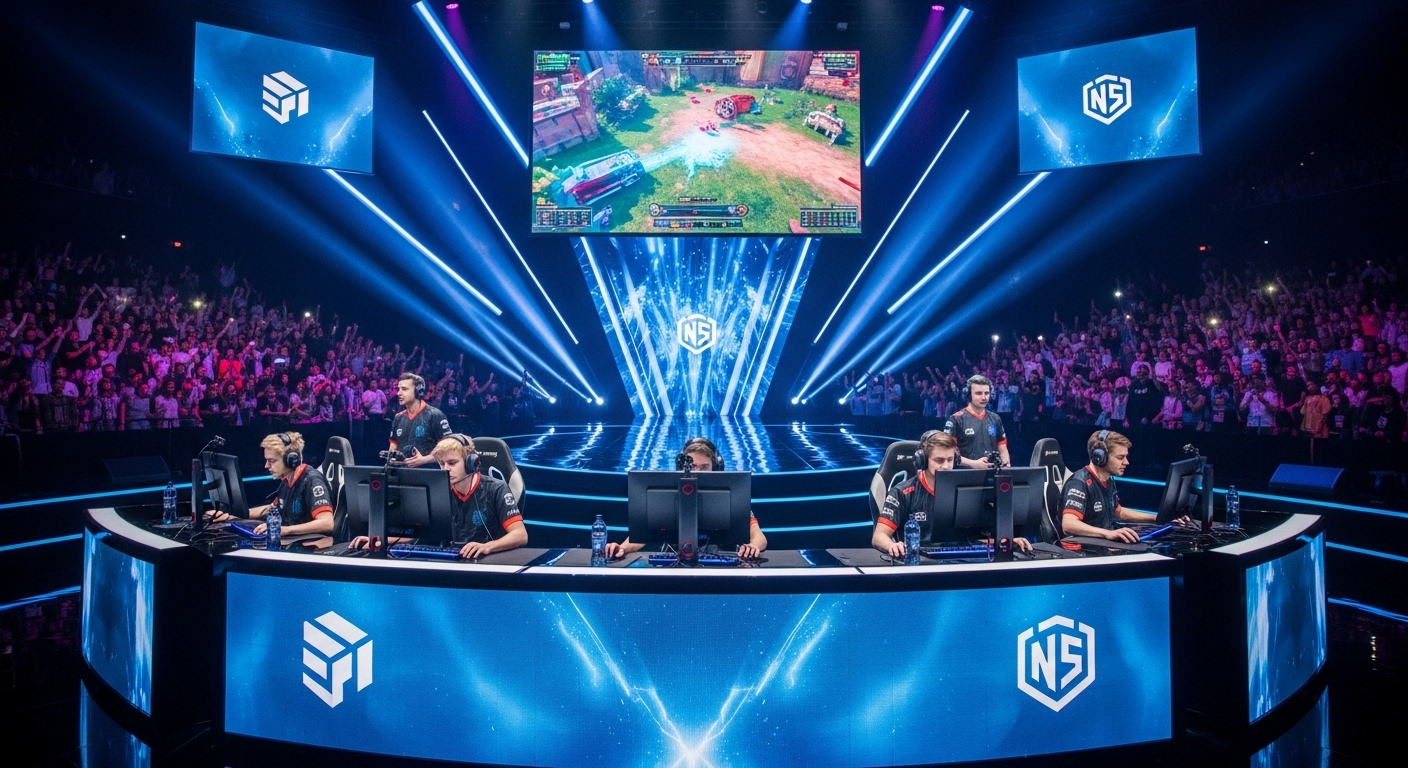
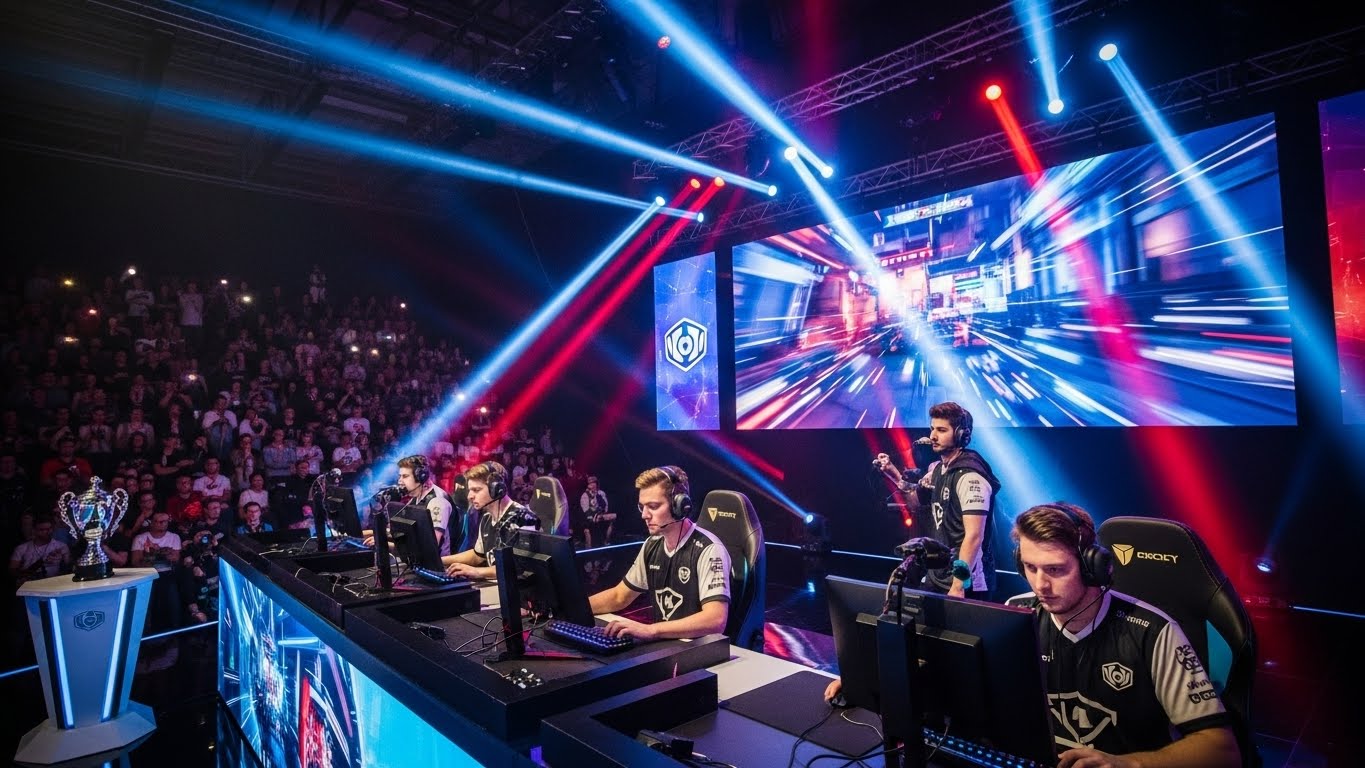
Esports, or competitive video gaming, has evolved from a niche hobby into a global phenomenon. Over the past two decades, it has grown into a massive industry with millions of fans, professional players, and multi-million dollar tournaments. While many games have contributed to the rise of esports, certain titles have stood out due to their competitive depth, cultural impact, and longevity. These games have shaped the esports landscape and defined what it means to be an esports game. This blog post explores some of the most iconic esports games of all time, examining why they remain so influential in the world of competitive gaming.
StarCraft: The Birth of Competitive Gaming
One cannot talk about the origins of esports without mentioning StarCraft. Released by Blizzard Entertainment in 1998, StarCraft is a real-time strategy (RTS) game that quickly became a staple of competitive gaming, especially in South Korea. Its balanced gameplay, intricate strategy, and fast pace made it a perfect candidate for competitive play.
StarCraft’s rise as a premier esport began in South Korea, where the game became a cultural sensation. Professional players gained celebrity status, and major tournaments were broadcast on television, a feat that was unprecedented for video games at the time. The game’s three distinct races—Terran, Protoss, and Zerg—each required unique strategies, fostering a diverse competitive meta that kept the game fresh and engaging.
The legacy of StarCraft is profound. It set the stage for esports as a serious form of competition and entertainment. The game’s influence can still be seen in modern RTS and strategy games, and its sequel, StarCraft II, continued to build on its competitive foundations.
Counter-Strike: The Tactical Shooter that Changed the Game
Counter-Strike, particularly the iteration known as Counter-Strike: Global Offensive (CS:GO), is one of the most enduring esports games in history. Originally released as a mod for Half-Life in 1999, Counter-Strike evolved into a standalone title that revolutionized the first-person shooter (FPS) genre.
CS:GO combines tactical gameplay, teamwork, and precise mechanical skill, making it highly competitive. The game’s objective-based mode, where teams alternate between attacking and defending bomb sites, emphasizes strategy and communication. Unlike many FPS games that focus purely on reflexes, CS:GO rewards planning, positioning, and coordination.
The esports scene around CS:GO exploded over the years, with tournaments offering substantial prize pools and drawing millions of viewers worldwide. Its simplicity and depth make it accessible to new players while providing a high skill ceiling for professionals. The community-driven nature of the game, combined with constant updates from Valve, has kept CS:GO relevant for over a decade.
League of Legends: The MOBA Revolution
Released in 2009 by Riot Games, League of Legends (LoL) popularized the Multiplayer Online Battle Arena (MOBA) genre. It remains one of the most played and watched esports games globally. League of Legends pits two teams of five players against each other in a race to destroy the opponent’s Nexus, the core building in their base.
What makes League of Legends iconic is its blend of strategy, teamwork, and individual skill. Each match features a diverse roster of champions, each with unique abilities and roles, making team composition and in-game decision-making crucial. The constant updates and balance changes by Riot keep the meta evolving, encouraging teams to innovate.
The professional scene for League of Legends is immense, with regional leagues such as the LCS in North America, LCK in South Korea, and LEC in Europe leading to a world championship event watched by millions. The production quality, storylines, and rivalries within the League of Legends esports ecosystem have set a standard for competitive gaming.
Dota 2: The Prize Pool King
Dota 2, developed by Valve and released in 2013, is another heavyweight in the MOBA genre and a cornerstone of esports. Known for its complexity and depth, Dota 2 features two teams of five players battling to destroy the opposing team’s Ancient.
Dota 2 is often praised for its strategic depth, hero diversity, and the sheer number of possible game scenarios. The game demands a high level of teamwork, communication, and individual skill. Matches can swing dramatically, and the game rewards both tactical planning and mechanical execution.
One of Dota 2’s defining moments in esports is The International, its annual world championship tournament. The International boasts the largest prize pools in esports history, often exceeding tens of millions of dollars. Funded partly by the community through in-game purchases, The International has set records for esports viewership and prize money, cementing Dota 2’s legacy as a premier esports title.
Fortnite: The Battle Royale Phenomenon
Fortnite, developed by Epic Games and released in 2017, brought the battle royale genre into mainstream esports prominence. While battle royale games existed before Fortnite, its unique blend of fast-paced shooting, building mechanics, and vibrant art style captured a massive audience.
Fortnite’s esports scene took off with events like the Fortnite World Cup, which offered record-breaking prize pools and global exposure. Its accessibility and appeal to a younger demographic helped diversify the esports audience.
What makes Fortnite unique in esports is the combination of shooting skills and creative building tactics. Players must master both to survive and win. Additionally, Fortnite’s constant updates, seasonal events, and crossover content keep the game fresh and relevant.
Despite being a relatively new entry compared to others, Fortnite has had a significant impact on how esports tournaments are structured, streamed, and marketed, emphasizing entertainment and engagement alongside competitive play.
Overwatch: Team-Based FPS Reinvented
Overwatch, released by Blizzard Entertainment in 2016, introduced a fresh take on team-based shooters. With a diverse cast of heroes, each with unique abilities and roles, Overwatch combines elements of FPS with hero-based gameplay.
The game’s focus on teamwork and role synergy makes it highly strategic. Players must coordinate closely to capture objectives, defend points, or escort payloads. The dynamic nature of the heroes allows for creative strategies and adaptability mid-match.
The Overwatch League (OWL) was one of the first attempts at creating a franchised, city-based esports league, similar to traditional sports leagues. OWL brought structure and professionalism to esports, with regular seasons, team branding, and city-based fan bases.
While Overwatch esports has faced challenges, its innovative approach to team-based FPS competition and league organization has influenced the esports industry significantly.
Call of Duty: The Tactical Shooter Legacy
The Call of Duty (CoD) series has been a mainstay in competitive gaming since the early 2000s. Known for its fast-paced action and high skill ceiling, Call of Duty esports revolves around various game modes including Search and Destroy, Hardpoint, and Capture the Flag.
Each CoD title brings new mechanics and maps, keeping the competitive scene fresh and engaging. The franchise’s professional scene is built around the Call of Duty League (CDL), which features city-based teams competing in a structured league format.
Call of Duty esports combines individual mechanical skill, map knowledge, and teamwork. Its consistent release cycle means the scene is always evolving, with new titles introducing fresh gameplay elements.
CoD esports enjoys a dedicated fanbase, particularly in North America, and its tournaments are known for their intense, fast-paced matches that appeal to fans of tactical shooters.
Super Smash Bros.: The Fighting Game Classic
Super Smash Bros., particularly its Melee and Ultimate editions, is one of the most beloved fighting game series in esports history. Developed by Nintendo, Super Smash Bros. combines traditional fighting game mechanics with platforming elements, creating a unique and accessible competitive experience.
The competitive Smash scene is known for its passionate community and grassroots tournaments. Despite Nintendo’s historically hands-off approach to esports, the community-driven nature of Smash has kept it alive and thriving.
Super Smash Bros. is iconic because of its blend of deep mechanics, diverse roster of characters from various Nintendo franchises, and high-level mind games. The game’s tournaments feature intense one-on-one battles that test players’ reflexes, strategy, and adaptability.
The longevity of Super Smash Bros., dating back to the early 2000s with Melee, shows the enduring appeal of fighting games in the esports world.
Valorant: The New Age Tactical Shooter
Valorant, released by Riot Games in 2020, is a relatively new addition to the esports scene but has quickly established itself as a major player. Combining elements of tactical shooters like Counter-Strike with hero-based gameplay akin to Overwatch, Valorant offers a fresh competitive experience.
Each agent in Valorant has unique abilities that complement gunplay, adding strategic layers to matches. The game’s emphasis on precision, teamwork, and map control has made it popular among both players and spectators.
Riot Games has aggressively supported Valorant esports, organizing a global competitive circuit with regional leagues and international tournaments. The game’s vibrant community and consistent updates have fueled rapid growth.
Valorant’s rise reflects the evolving tastes of esports audiences, blending tactical gameplay with character-driven mechanics.
Conclusion: The Ever-Evolving Landscape of Esports
The world of esports is constantly changing, with new games emerging and established titles adapting to stay relevant. The games discussed here represent milestones in esports history, each contributing uniquely to the industry’s growth.
From StarCraft’s foundational role to League of Legends and Dota 2’s MOBA dominance, from CS:GO’s tactical precision to Fortnite’s battle royale spectacle, these games have defined competitive gaming for millions. The innovations in game design, tournament organization, and community engagement they brought forth continue to inspire future esports titles.
As esports continues to grow, new iconic games will undoubtedly emerge. However, the legacy of these classics will remain a cornerstone of competitive gaming history, reminding us of the passion, skill, and community that make esports so compelling.