championlounge06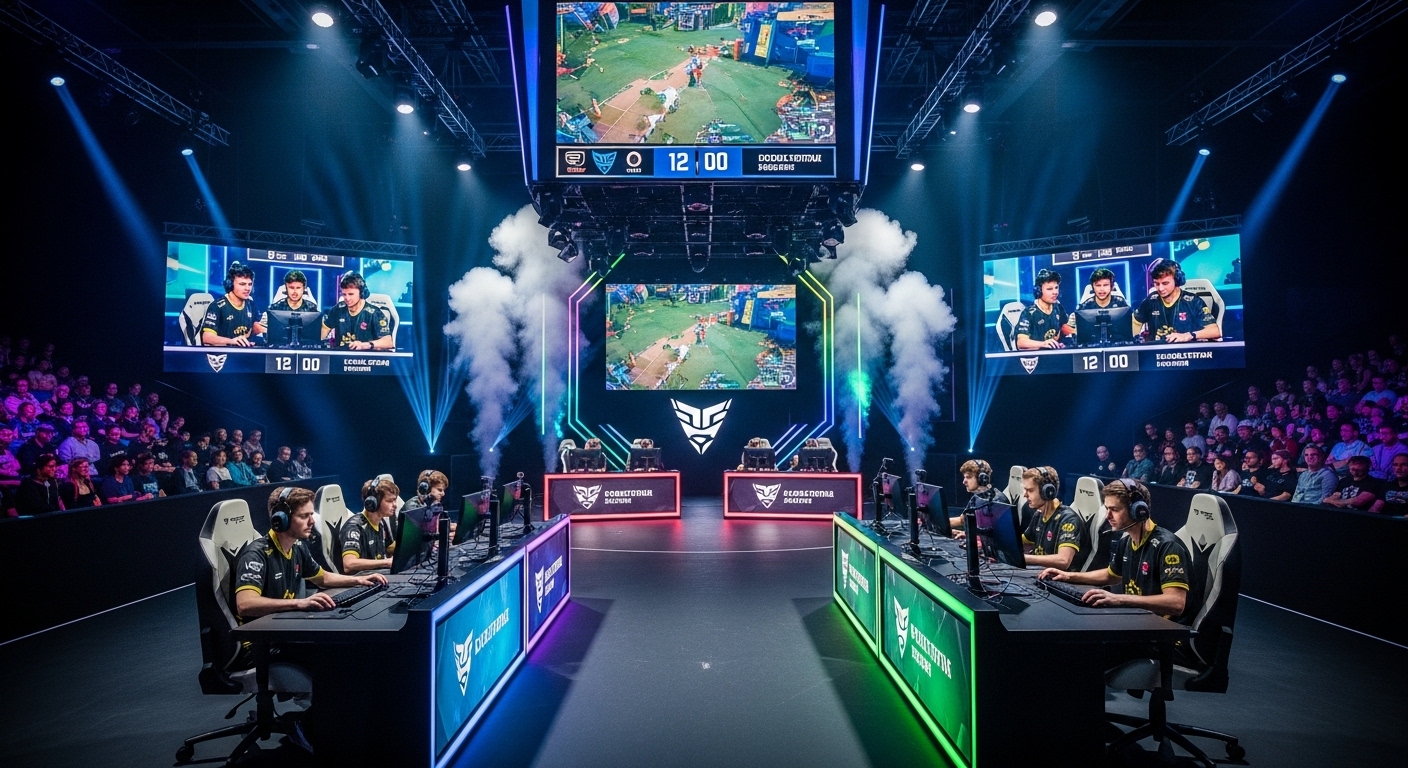
eSports, or electronic sports, has grown into one of the most significant entertainment industries of the 21st century. Once a niche interest for gamers, competitive video gaming has exploded into a global phenomenon. With its blend of high-stakes competition, immense skill, and passionate fanbase, eSports is redefining the concept of professional sports. This blog post will take you through the rise of eSports, its impact on the entertainment industry, and what makes it a unique and exciting form of competition.
The Origins of eSports: From Fun to Fame
The journey of eSports began in the early days of online gaming. In the late 1990s and early 2000s, games like Quake, StarCraft, and Counter-Strike began to attract competitive players who wanted to prove their skills. Initially, these games were played among friends at LAN (Local Area Network) parties, where groups of gamers would gather in a single location to compete against each other. However, as the internet became more accessible, these competitions grew in scope and scale.
It wasn’t until the early 2000s that competitive gaming started to take the form of organized tournaments. South Korea played a pivotal role in the development of eSports. StarCraft, a real-time strategy game, became wildly popular, and competitive StarCraft tournaments were broadcasted on television. This helped bring gaming into the mainstream in a way that hadn’t been seen before. Soon after, tournaments for other games such as Warcraft III and League of Legends began to gain traction, and the foundation for modern eSports was set.
Why eSports Is Taking Over the World
eSports has become a global phenomenon for several key reasons. At its core, the appeal of eSports lies in the thrilling combination of strategy, skill, and spectacle. What makes eSports distinct from traditional sports is that it is entirely digital. Players can compete from the comfort of their homes, or in massive arenas with thousands of fans. There is no need for physical training, expensive gear, or elite facilities—just a passion for gaming and the desire to be the best.
The accessibility of eSports is another major factor in its explosive growth. Players can compete in amateur leagues and eventually work their way up to professional circuits, even if they don’t have access to world-class training centers. With just a PC or console and an internet connection, anyone can get involved in competitive gaming, making it much more inclusive compared to traditional sports, which often require expensive equipment and dedicated spaces to practice.
Moreover, eSports is appealing because it offers something for everyone. Whether you enjoy fast-paced shooters, strategic MOBAs (Multiplayer Online Battle Arenas), or immersive RPGs (Role-Playing Games), there’s a competitive game that fits your style. This wide variety of games helps eSports attract a diverse fan base and allows players to specialize in a specific genre of games, increasing the depth and variety of competition.
Professional eSports: The New Career Path
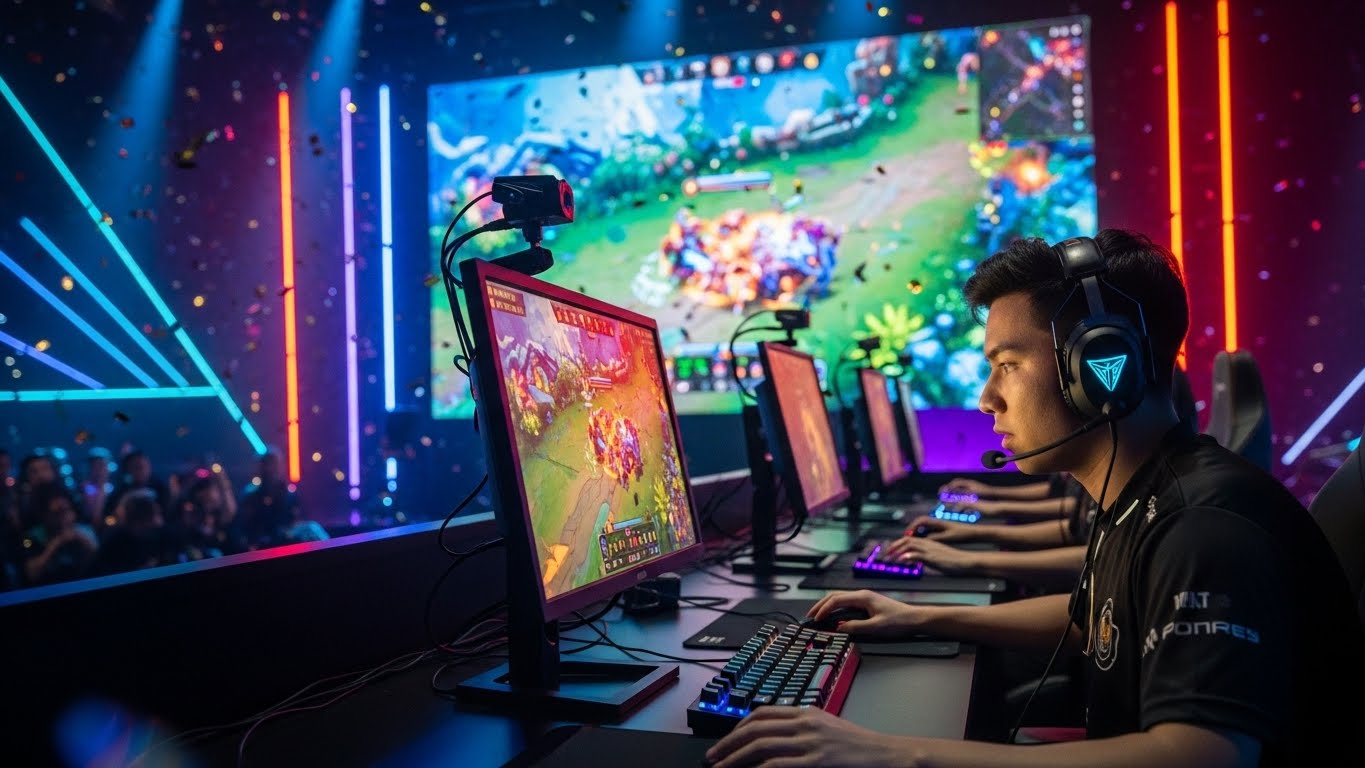
One of the most remarkable transformations in eSports is the emergence of professional gaming as a legitimate career. While gaming was once a pastime or hobby, it has now become a full-time job for thousands of players around the world. Professional eSports players earn a living through tournament winnings, sponsorships, and streaming their gameplay on platforms like Twitch and YouTube.
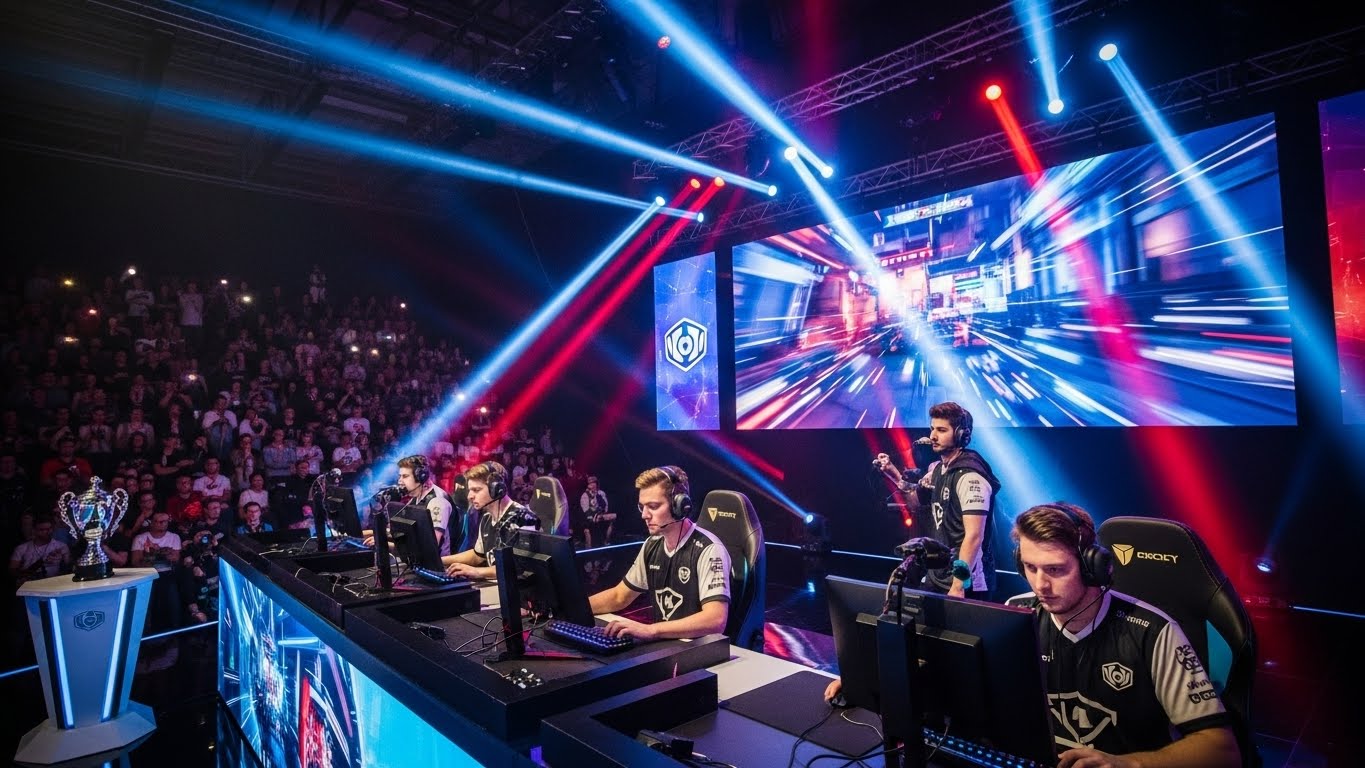
Top players often sign contracts with eSports organizations, which provide them with coaching, training facilities, and a salary. These organizations operate much like traditional sports teams, with coaches, analysts, and management staff helping players optimize their performance. A professional player’s job goes beyond just competing; they also need to maintain their physical and mental health, refine their skills, and develop team strategies. The pressure to perform is immense, with top players spending hours every day honing their craft.
As the industry grows, more opportunities for careers within eSports are emerging. Coaches, team managers, analysts, content creators, and event organizers all play critical roles in the ecosystem. Just as in traditional sports, the eSports industry offers a variety of career paths for individuals passionate about gaming but not necessarily interested in becoming a professional player.
Major Tournaments: Where Legends Are Made
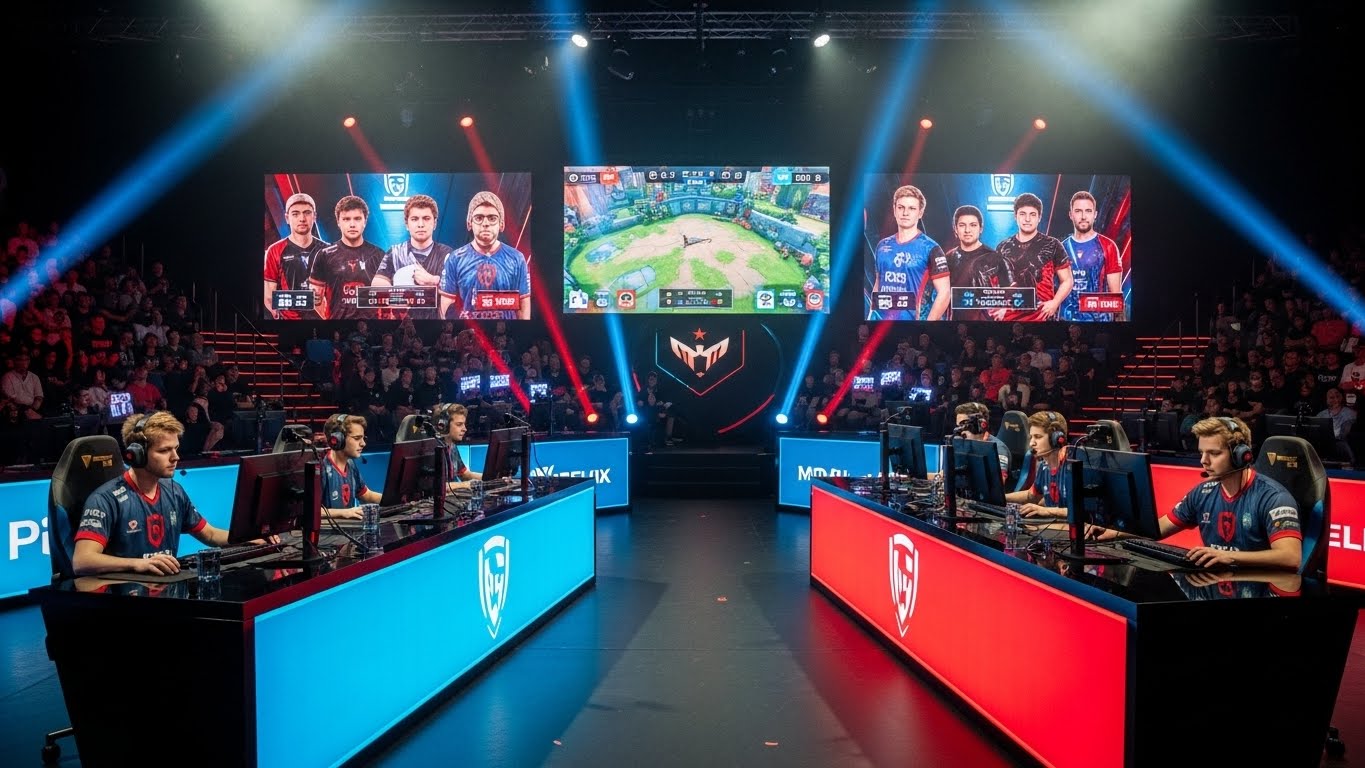
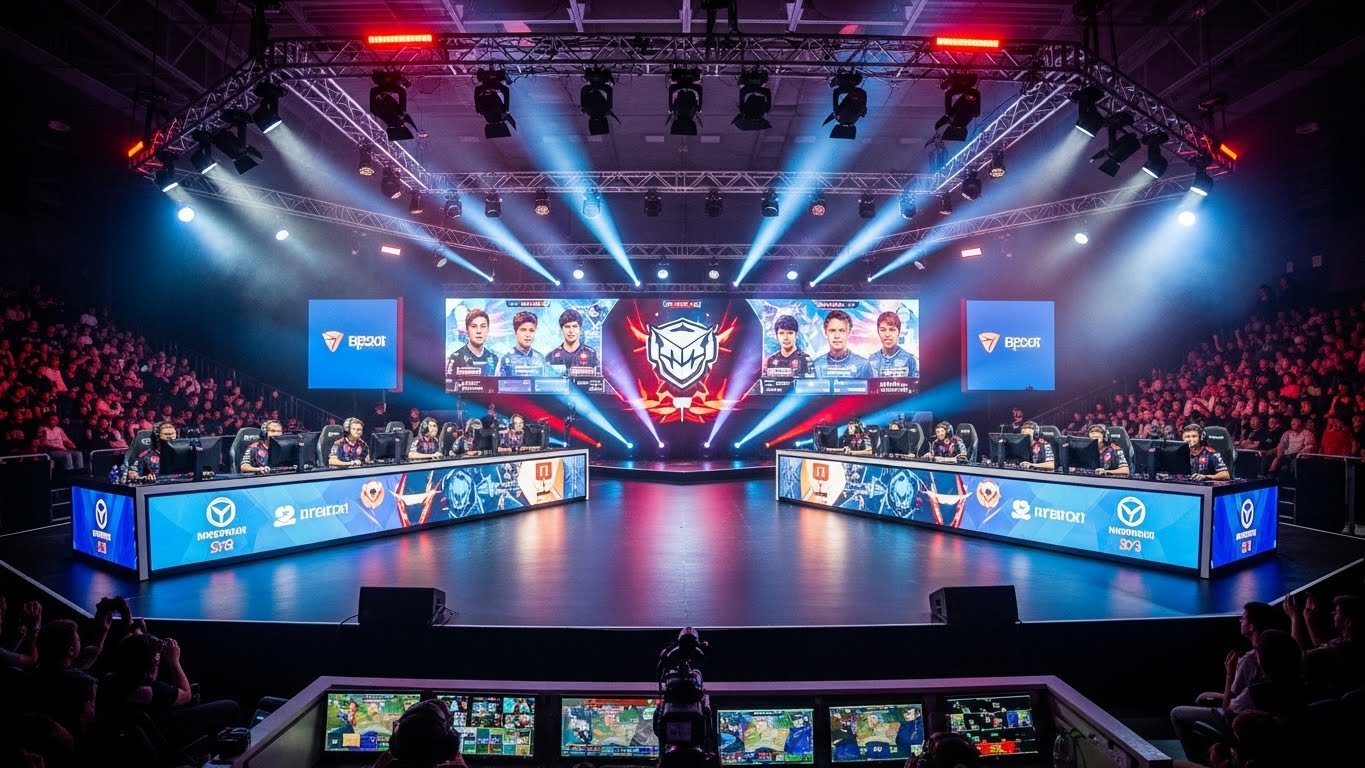
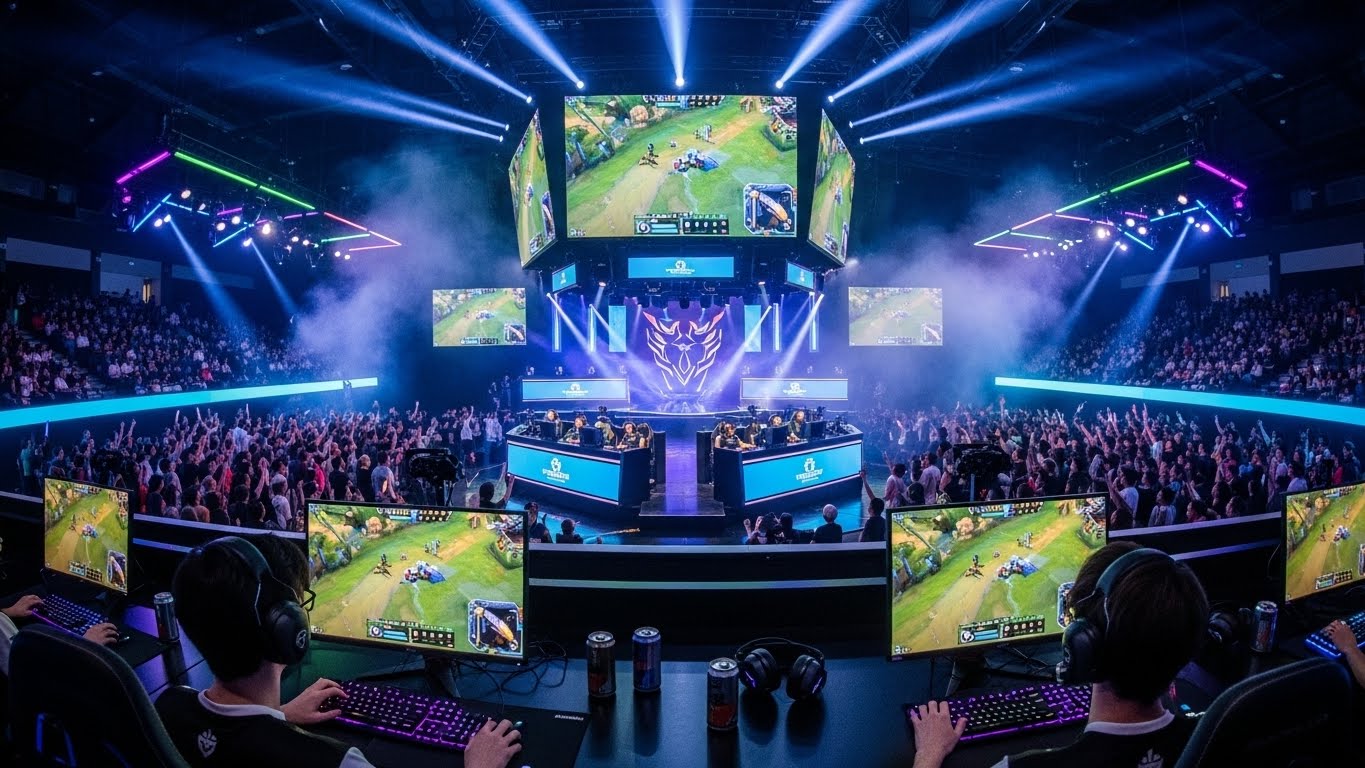
At the heart of eSports are the tournaments. These global events bring together the world’s best players and teams to compete for huge prize pools and international glory. eSports tournaments are now broadcast to millions of viewers around the world, both on television and through live-streaming platforms like Twitch.
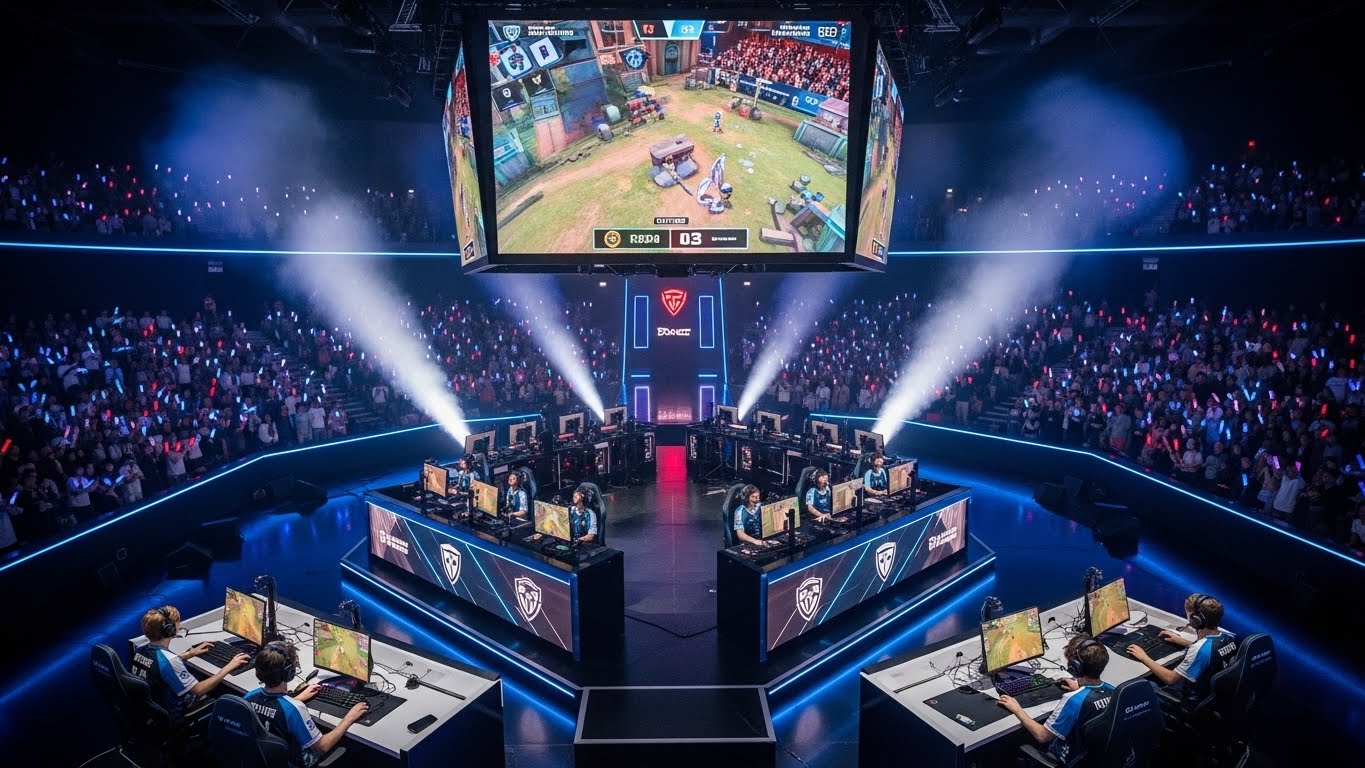
One of the most famous eSports events is The International, the annual tournament for the game Dota 2. The prize pool for this event has consistently reached over $30 million, thanks to a unique crowdfunding model where fans contribute through in-game purchases. Other major tournaments include the League of Legends World Championship, Overwatch League, and Fortnite World Cup. These events are often held in sold-out arenas, with enthusiastic fans traveling from across the world to witness the spectacle live.
For the players, competing in these high-stakes tournaments is the ultimate test of skill and strategy. The tournaments feature rigorous competition, where the best teams and players battle it out for glory. These events are meticulously organized, often lasting several days, and feature commentary, in-depth analysis, and live interactions with fans. The level of professionalism in eSports tournaments rivals that of traditional sports, with high production values and international coverage.
Sponsorships and Revenue: The Business of eSports
The rise of eSports has attracted significant investment from companies and sponsors eager to tap into its growing audience. eSports has become a lucrative business, with revenues coming from multiple sources such as sponsorships, broadcasting rights, merchandise, and ticket sales. Major brands like Coca-Cola, Intel, Nike, and Audi have all partnered with eSports teams and events, bringing millions of dollars into the industry.
Sponsorship deals have become a critical revenue stream for eSports teams and players. Just like in traditional sports, brands sponsor individual athletes, entire teams, and even specific tournaments. These partnerships often involve branding on jerseys, social media promotion, and product placements during broadcasts. Additionally, game publishers themselves often fund and sponsor tournaments, creating a symbiotic relationship where both the game developers and the eSports organizations benefit.
In addition to traditional sponsorships, eSports has created new revenue streams through platforms like Twitch and YouTube Gaming, where streamers and players can earn money through ads, subscriptions, and donations. The rise of streaming has allowed players to build their own personal brands and generate income by directly interacting with their fan base.
The Global Growth of eSports: A Worldwide Community
One of the most exciting aspects of eSports is its global appeal. What began as a small, localized phenomenon has now become a worldwide community. From North America to Europe, Asia, and Latin America, eSports has transcended borders and attracted fans from every corner of the globe.
In countries like South Korea and China, eSports is already deeply embedded in the culture, with large-scale tournaments and professional leagues being watched by millions. In the United States, eSports has become increasingly mainstream, with major networks broadcasting tournaments and universities offering eSports scholarships to attract top talent.
The international nature of eSports has also created opportunities for cultural exchange. Players from different countries and backgrounds come together to compete, often breaking language and cultural barriers in the process. Fans from different regions can interact online, share strategies, and support their favorite players, regardless of where they are in the world.
The Future of eSports: What’s Next?
The future of eSports looks incredibly promising. As technology continues to advance, we can expect even more immersive experiences for both players and fans. Virtual reality (VR) and augmented reality (AR) have the potential to revolutionize how eSports are experienced, creating new opportunities for competition and entertainment.
Furthermore, the mainstream recognition of eSports is expected to continue growing. The inclusion of eSports in major sporting events, such as the potential for future Olympic Games participation, will further solidify its place in the global entertainment landscape. As more brands, investors, and fans pour resources into eSports, the industry will continue to expand and evolve.
Conclusion: eSports Is Here to Stay
eSports has come a long way from its humble beginnings, and it’s clear that competitive gaming is not just a passing trend—it’s a major part of the future of entertainment. With its wide-reaching appeal, professional opportunities, massive tournaments, and growing global audience, eSports has cemented its position as a dominant force in the entertainment industry. Whether you’re a gamer, a fan, or a potential investor, the eSports world offers endless opportunities for excitement and growth.
The revolution in competitive gaming is just getting started, and it’s only a matter of time before eSports becomes a central part of the global entertainment conversation. One thing’s for sure—eSports is here to stay.