championlounge06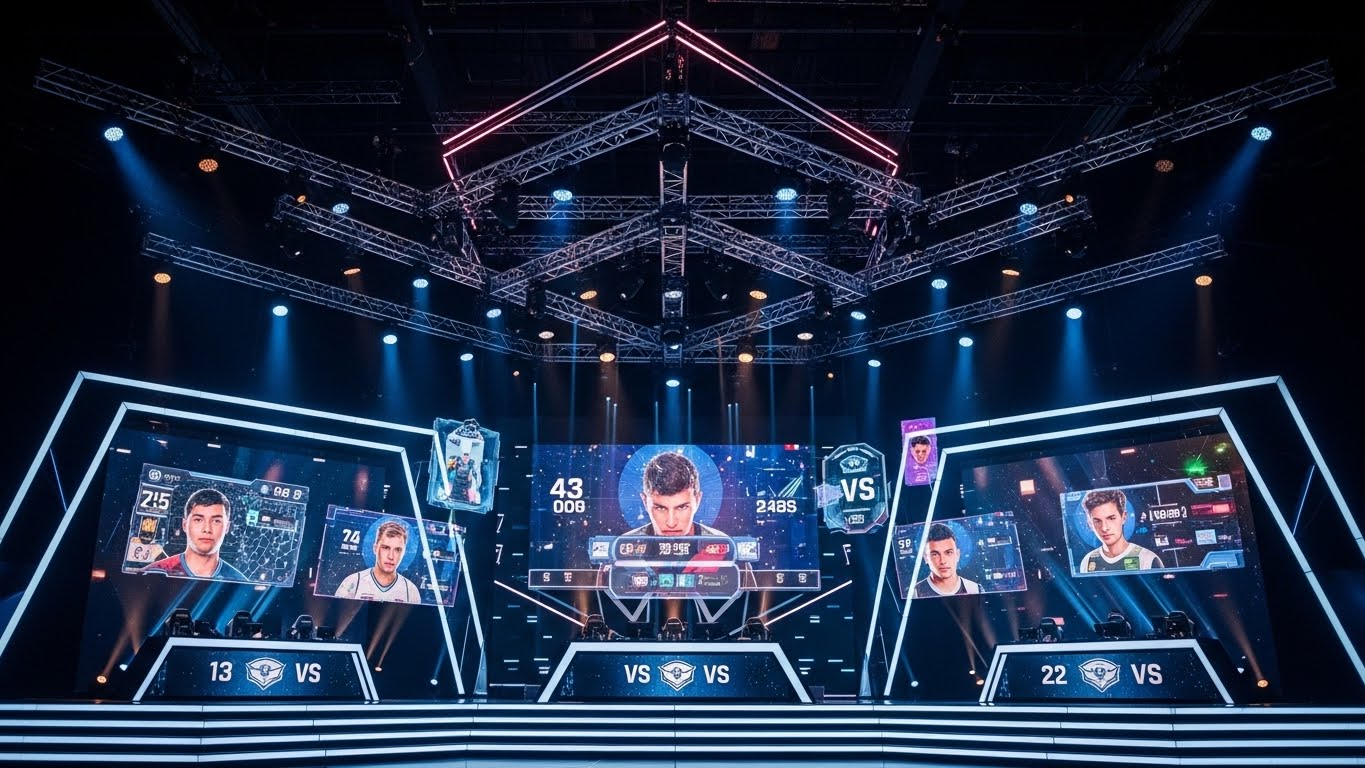
Introduction: A New Era of Digital Competition
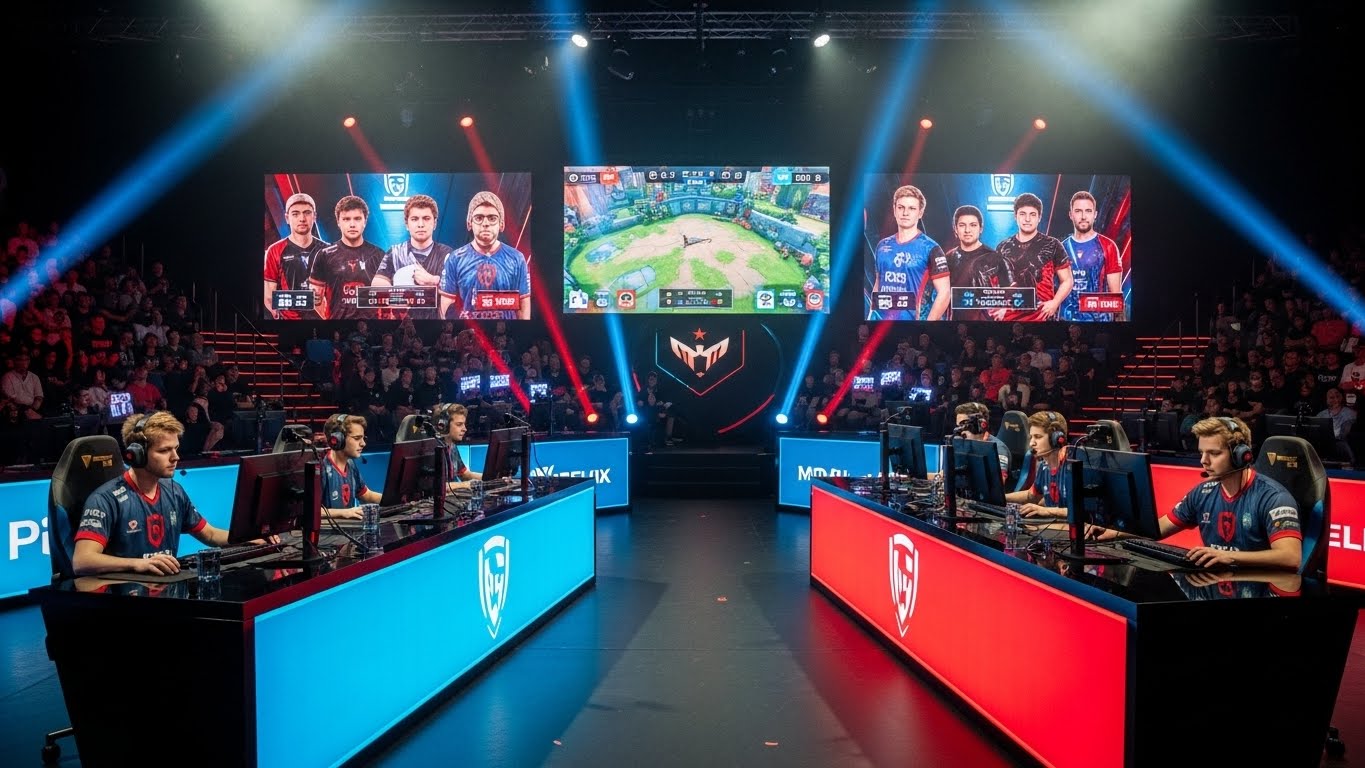
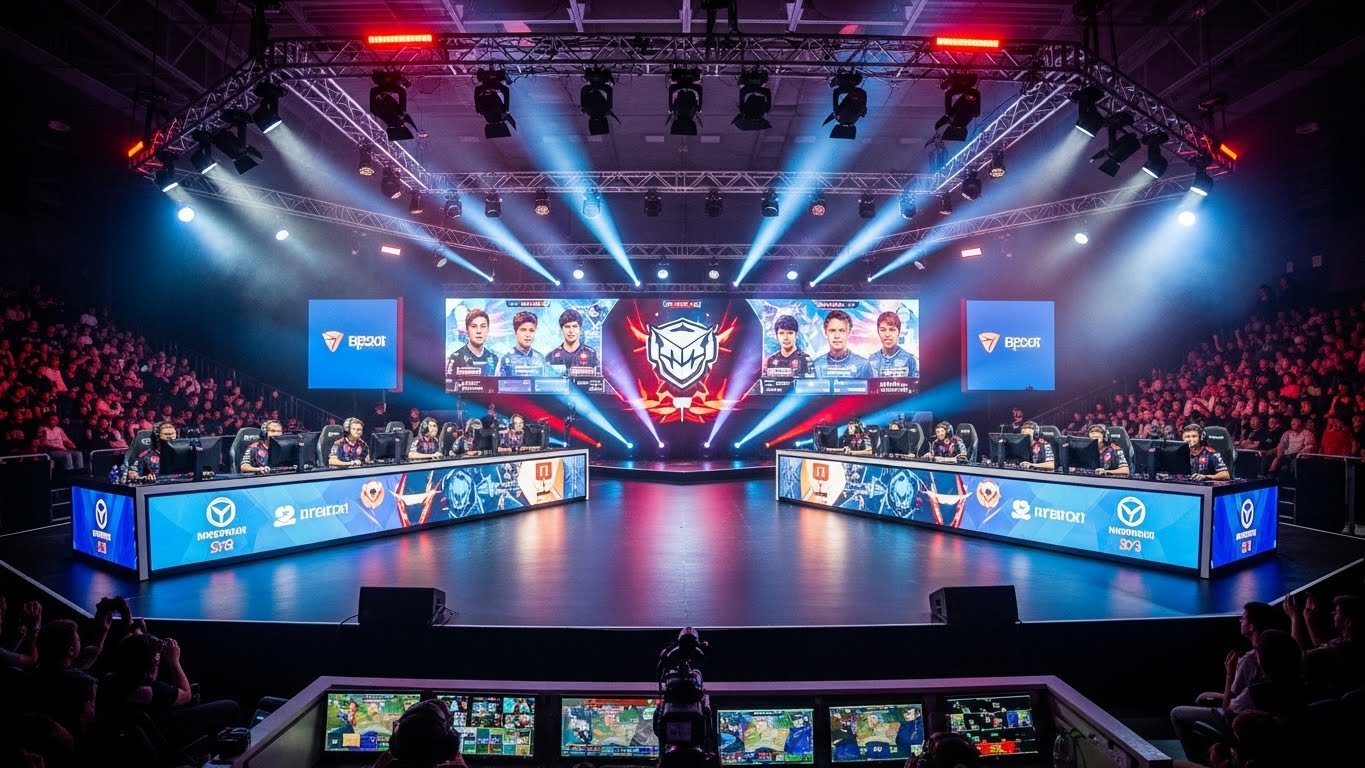
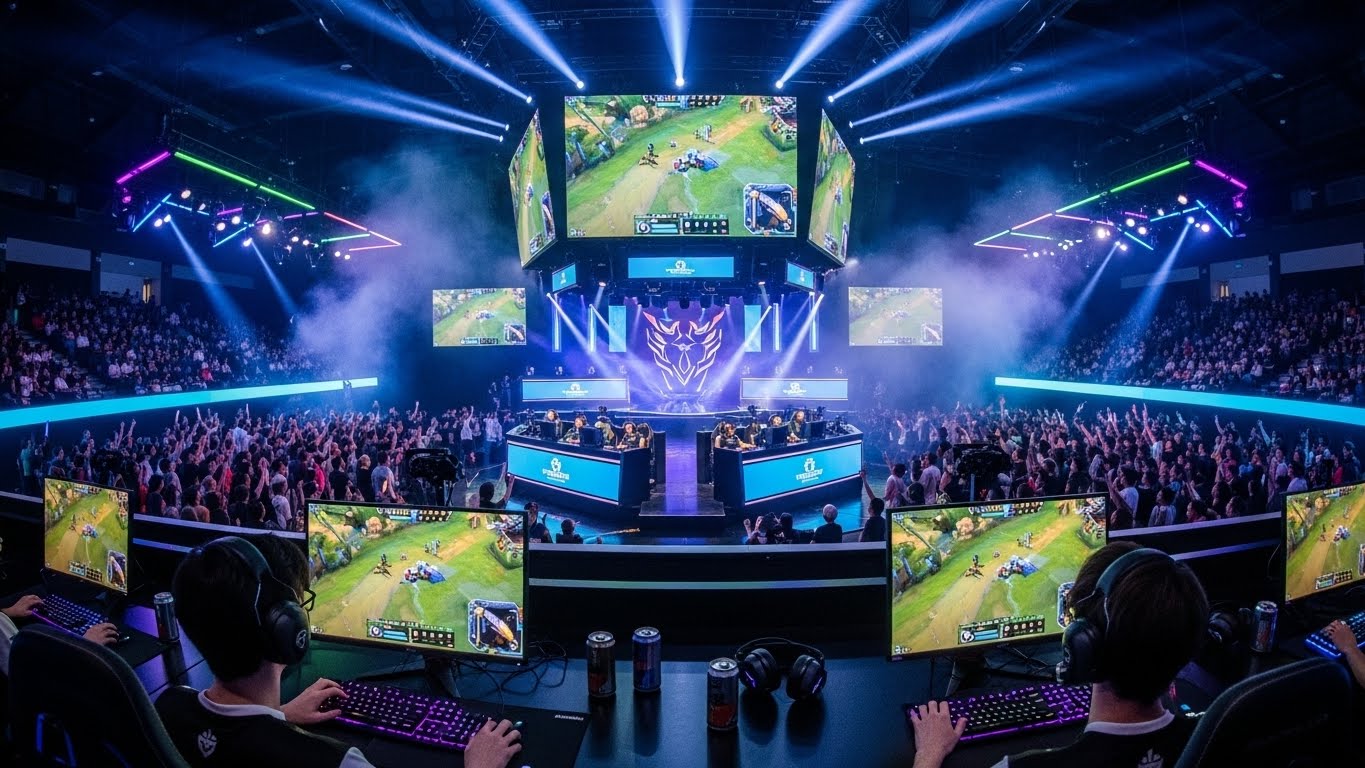
Esports, once considered a niche hobby, has grown into a global entertainment powerhouse that rivals traditional sports in scale, passion, and cultural influence. What began as small groups of gamers gathering in basements and internet cafés has transformed into massive stadium events watched by millions around the world. Today, esports is more than just playing video games; it is a professional ecosystem that merges technology, athleticism, strategy, entertainment, and community into a single digital stage.
In this blog, we explore the evolution, impact, and future of esports—while highlighting why it has become a defining cultural force of the modern age.
The Evolution of Esports: From Arcades to Arenas
The origins of esports can be traced back to arcade competitions of the 1970s and 1980s. Titles like Space Invaders and Pac-Man encouraged players to chase high scores, planting the seeds of competitive gaming. However, the true acceleration began in the 1990s as personal computers became more accessible. Games such as Doom, StarCraft, and Quake introduced real-time strategy and first-person shooters that demanded quick reflexes and deep thinking.
The early 2000s saw esports become more structured. Organizations, tournaments, and professional teams began to form. Korean broadband culture popularized televised gaming competitions, helping esports break into mainstream awareness. From there, the rise of online multiplayer games and global connectivity transformed esports from a small community activity into a worldwide phenomenon. What used to happen in small halls now fills massive stadiums with roaring fans and electric atmospheres.
The Heart of Esports: Popular Game Titles and Genres
Esports spans many genres, each offering unique forms of competition. While thousands of games attract players, a few dominate the professional landscape. Multiplayer online battle arenas require team coordination and strategic thinking. First-person shooters test reflexes, precision, and teamwork under pressure. Battle royale games introduce survival elements and unpredictability, adding intensity to every match. Sports simulation titles provide realistic and competitive experiences modeled after real-world athletic events. Across each genre, players train rigorously to develop mastery, adapt to meta changes, and achieve peak performance.
Inside the Life of a Professional Esports Athlete
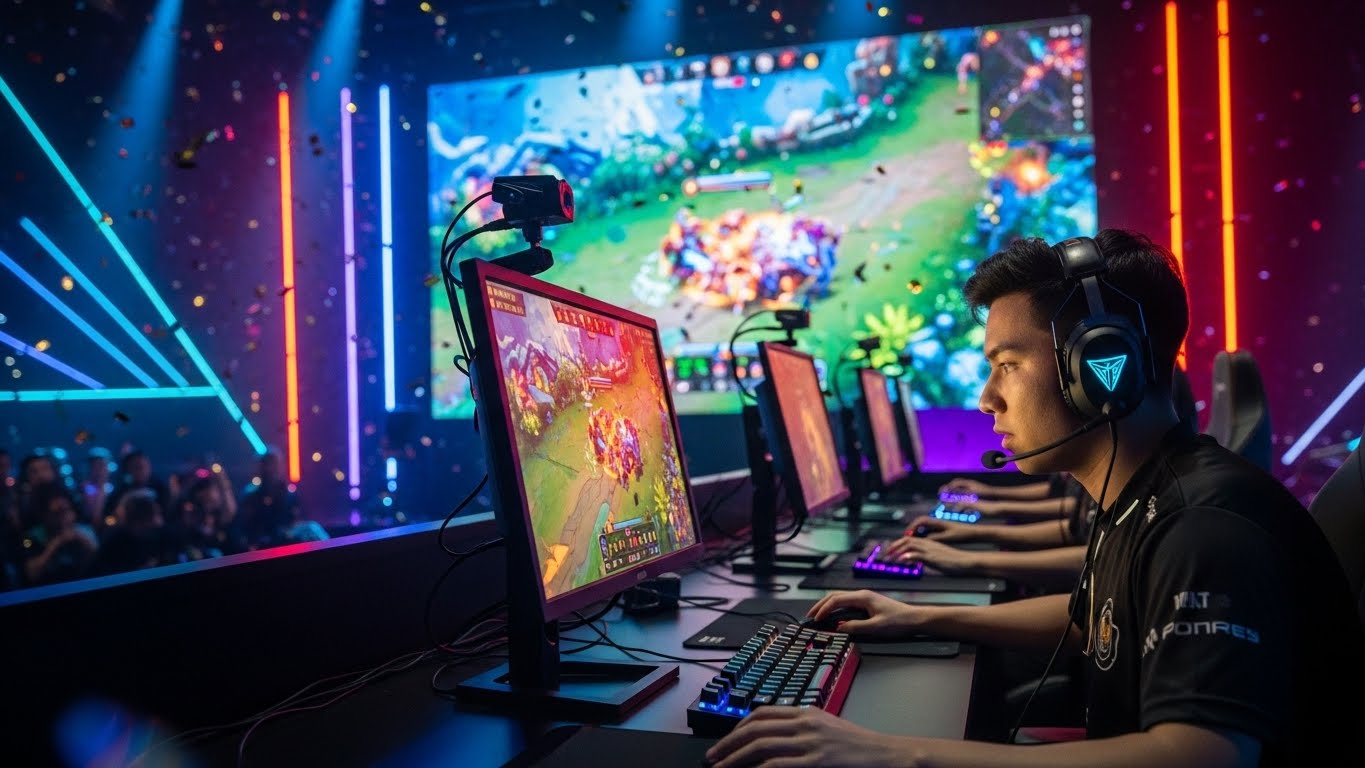
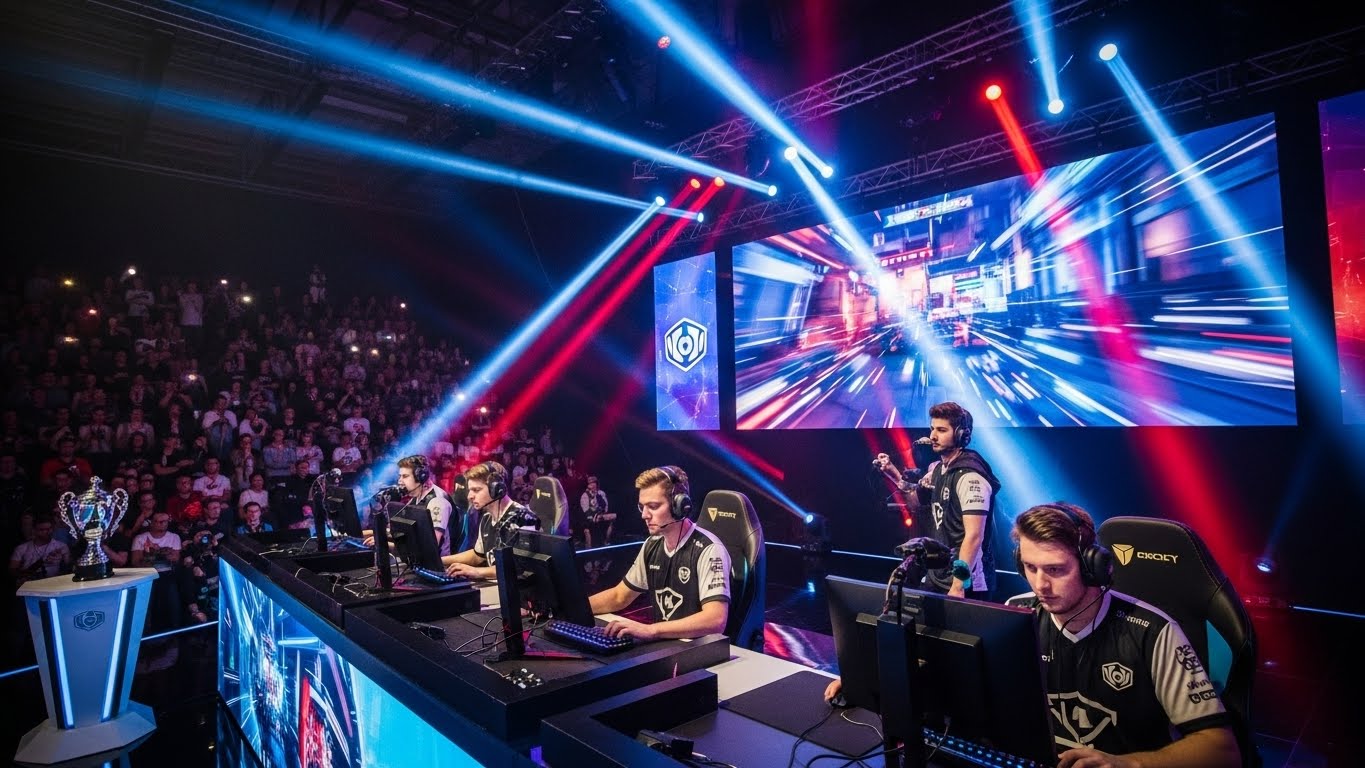
Many people assume esports players simply play games all day, but the reality is far more demanding. Professional gamers follow highly structured routines similar to traditional athletes. They spend hours practicing mechanical skills, reviewing past matches, studying opponents, and improving in-game decision-making. Physical health is also emphasized. Hand-eye coordination, reaction speed, posture, and endurance are essential for optimal performance. Teams often employ coaches, analysts, nutritionists, and fitness trainers to keep players at their best.
Mental resilience is another crucial element of esports success. Players face immense pressure during competitions, where one mistake can cost a match or even a championship. Maintaining focus, staying motivated, and balancing work with rest are challenges every top competitor must overcome. While the path is difficult, the rewards—both competitive and financial—are significant for those who reach the top.
The Esports Industry: Beyond the Players
Esports is not just about the players on stage. It is an entire industry powered by a vast network of professionals working behind the scenes. Coaches guide teams through strategy and performance improvement. Analysts study data to optimize gameplay and predict trends. Event organizers and production crews create large-scale broadcasts that rival television sports programs. Commentators, known as casters, provide dynamic narration and play-by-play excitement.
Game developers also play a crucial role, constantly updating and balancing titles to keep the competitive scene fair and engaging. Marketing teams, sponsors, merch designers, and content creators widen the cultural impact of esports and help connect fans with their favorite teams and players. All these roles come together to form a thriving ecosystem that continues to grow each year.
Why Fans Love Esports: The Power of Community and Connection
One of the most compelling aspects of esports is the strong sense of community it fosters. Fans from different countries and cultures come together through shared passion. Whether cheering for teams, discussing strategies online, or attending live events, the community creates a vibrant and welcoming environment.
Esports viewers are often highly engaged. They do not simply watch; they learn, analyze, and interact through chat, forums, and social media. Content creators and streamers provide behind-the-scenes insights, helping fans feel closer to their favorite players. This level of accessibility is something traditional sports rarely offer. The direct connection between players and audiences creates a more dynamic, personal, and interactive form of entertainment.
The Economic Impact of Esports: A Billion-Dollar Industry
The financial growth of esports has been staggering. Prize pools for tournaments can reach millions, drawing global attention. Teams secure lucrative sponsorships from major brands spanning technology, apparel, energy drinks, automotive, and even financial services. Live events attract massive crowds, and merchandise sales continue to expand.
Streaming platforms play a critical role as well. With millions tuning in daily to watch tournaments and creators, advertising and subscription revenue significantly boost the industry. Universities are now offering scholarships for esports athletes. Traditional sports organizations have invested by forming their own esports teams, recognizing the long-term potential. Esports has undeniably become a major contributor to the global entertainment economy.
Challenges Facing Esports: Growing Pains of a Young Industry
Despite its tremendous success, esports still faces challenges. Maintaining competitive integrity requires constant vigilance, as cheating tools and exploits can disrupt fair play. The physical and mental health of players is also a critical concern, with burnout being a significant risk due to long practice hours and intense competition.
Another challenge is the rapid evolution of gaming trends. A game popular today might lose its audience tomorrow. Organizations must adapt quickly to remain relevant and ensure long-term sustainability. Additionally, the global nature of esports brings logistical issues, such as travel, regional regulations, and communication barriers.
Lastly, there is the ongoing debate about recognition. While esports is increasingly accepted as a legitimate sport, some still question its place alongside traditional athletic competitions. As the industry matures, addressing these challenges will be essential for its continued growth.
The Future of Esports: A Digital Frontier with Unlimited Possibilities
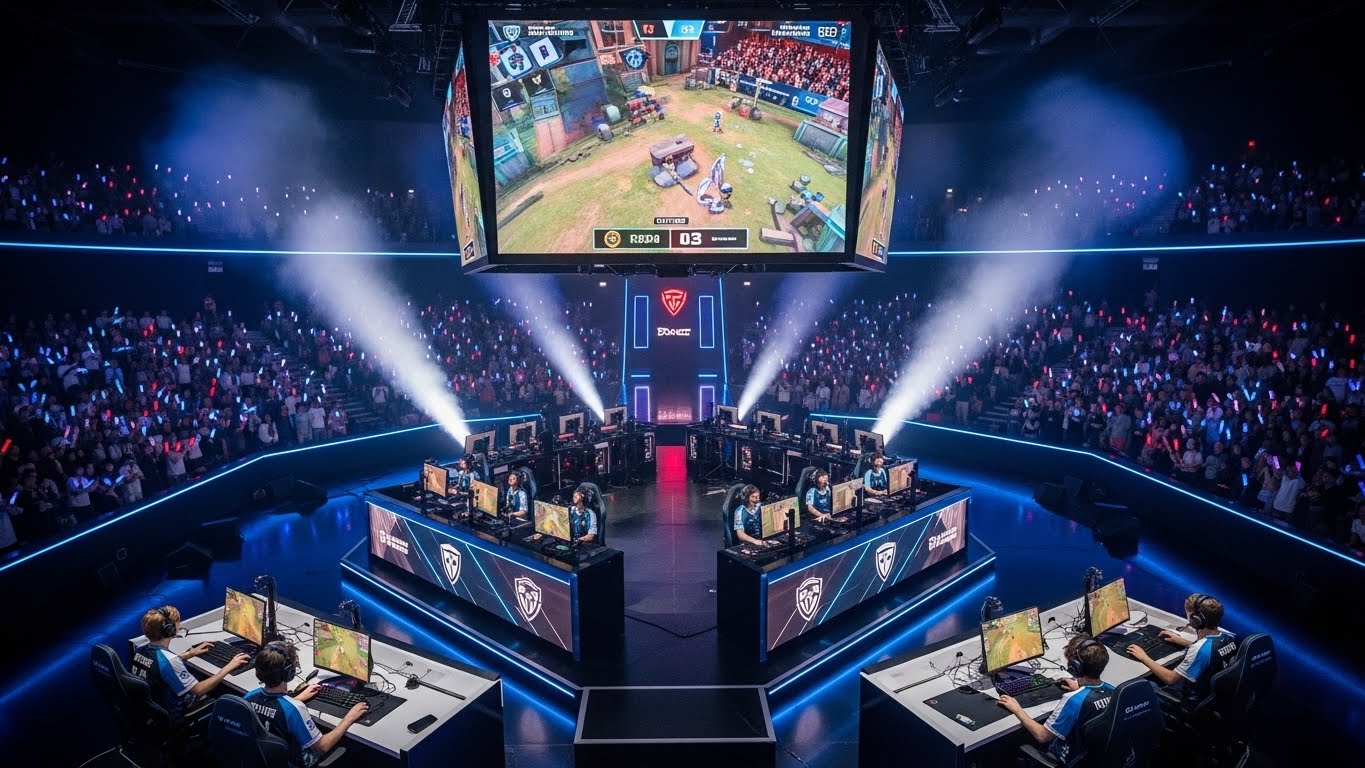
The future of esports looks incredibly promising. Advances in virtual reality, artificial intelligence, and cloud gaming will unlock new forms of interactive competition. Stadiums designed specifically for esports events are being developed around the world, signaling its long-term cultural significance. Educational institutions are creating esports programs, not only for players but also for careers in event production, game design, and esports management.
Global reach will also continue to expand, bringing more players and fans into the ecosystem. The integration of interactive spectator features will change how audiences experience events, making them more engaging and immersive. With increasing corporate investment and technological innovation, esports is poised to become one of the leading entertainment industries of the future.
Conclusion: Esports as a Cultural Movement
Esports is no longer just a pastime. It is a cultural movement that blends competition, creativity, technology, and community. It empowers players to pursue their passions, provides fans with thrilling entertainment, and opens new career paths in a rapidly growing industry. The rise of esports reflects the changing landscape of modern entertainment, where digital spaces bring people together in exciting new ways.
As the world continues to evolve, esports will remain a dynamic force shaping the future of sports, media, and global culture. Whether you are a gamer, a fan, or someone curious about this digital revolution, one thing is certain: the world of esports is only just beginning its rise.