championlounge06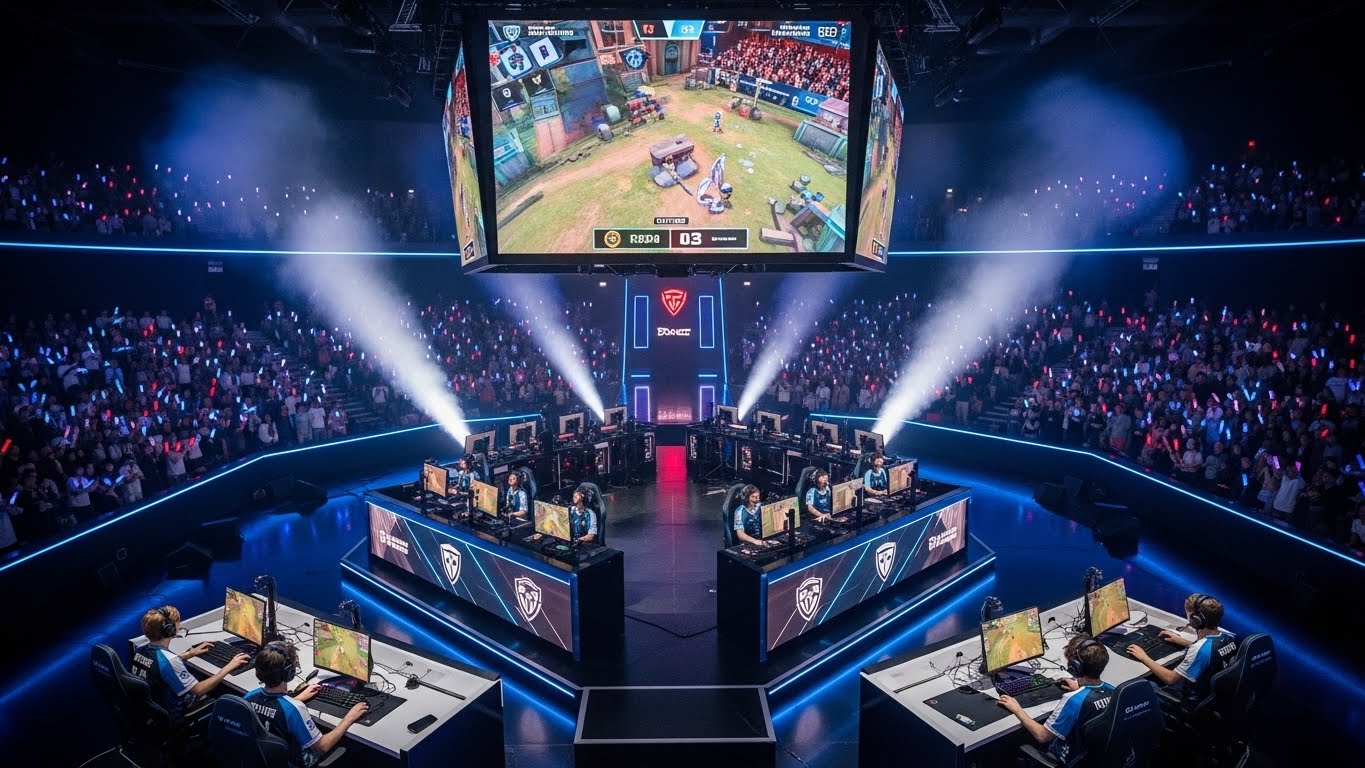
Introduction: The Rise of a New Arena
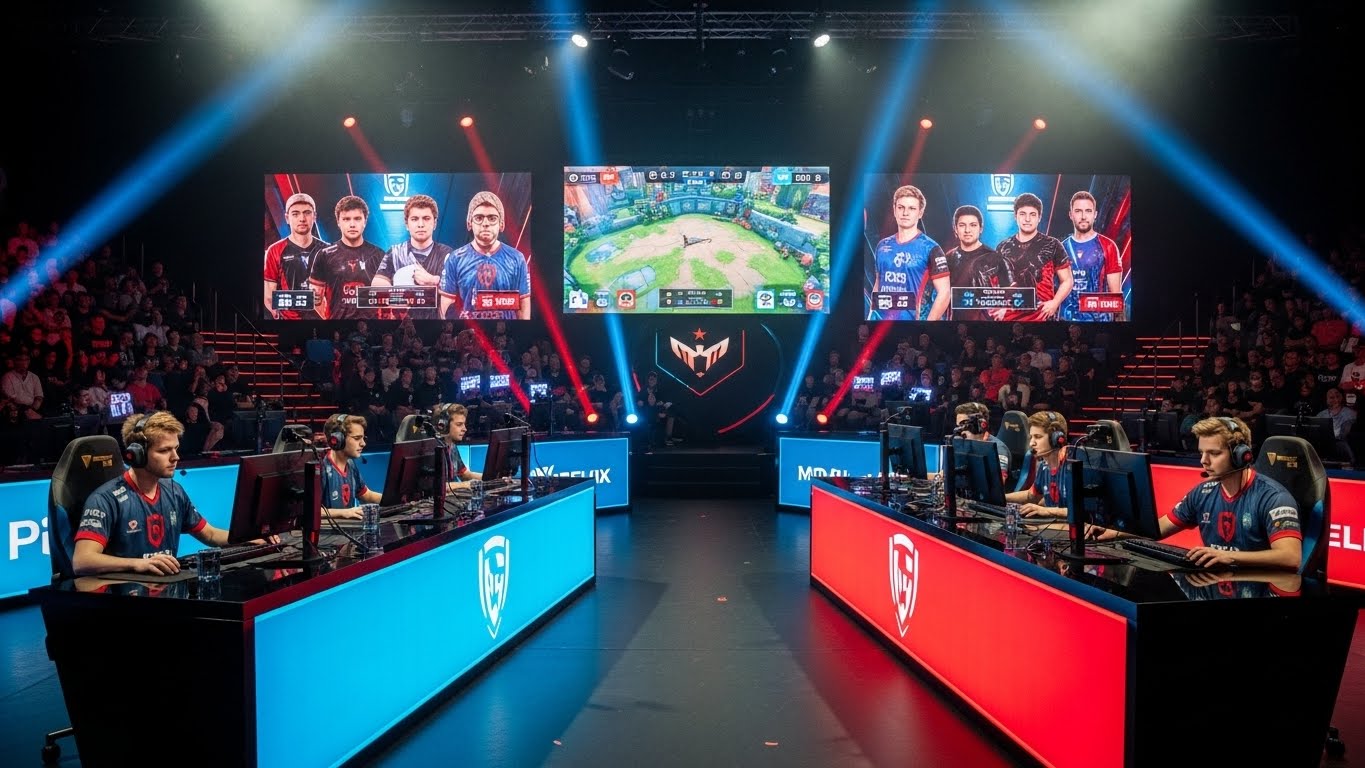
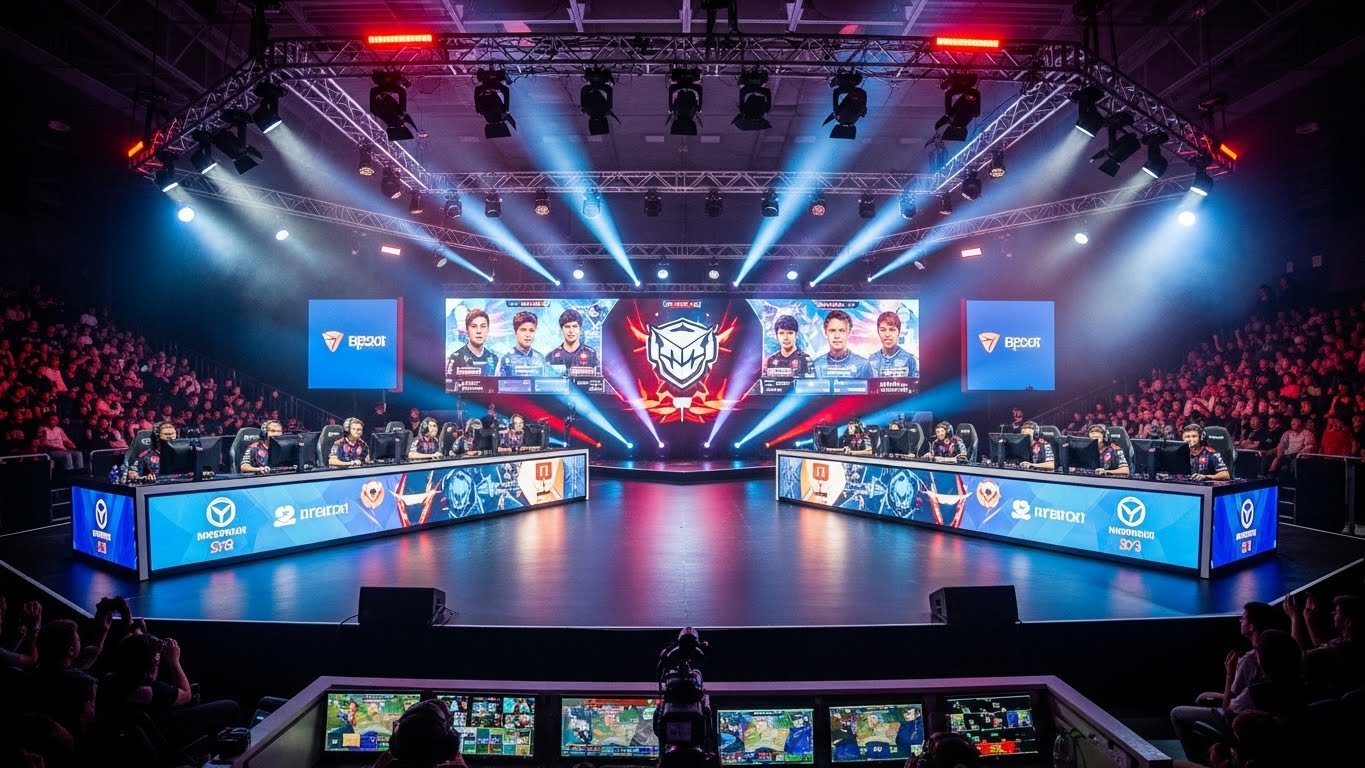
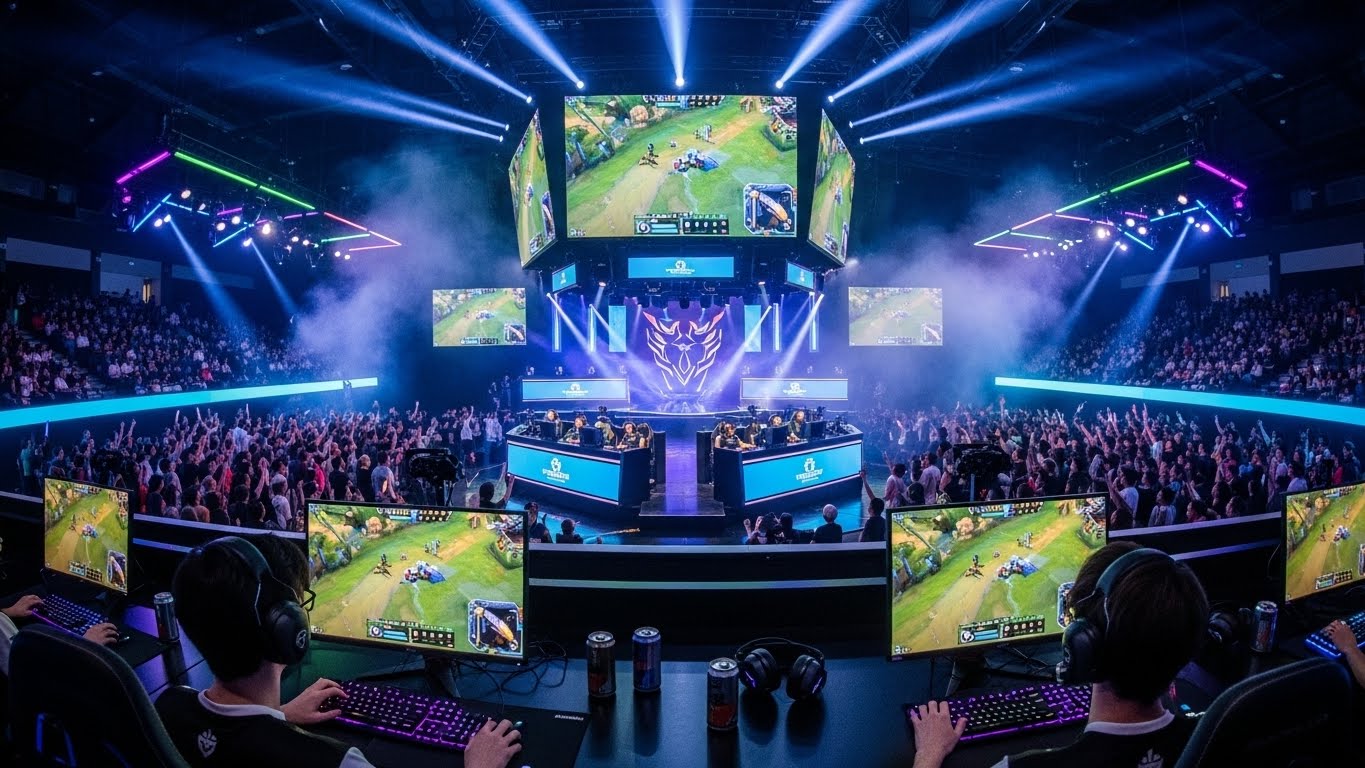
Esports, once dismissed as a niche pastime for gamers, has evolved into one of the most influential entertainment industries of the twenty-first century. What began in small internet cafés and local tournaments has grown into packed stadiums, multimillion-dollar prize pools, and a global audience that rivals traditional sports. Esports is no longer just about playing video games; it is about strategy, teamwork, branding, culture, and a new vision of what competition means in a digital world. This blog explores how esports emerged, why it matters, and where it is headed.
Understanding Esports: More Than Just Gaming
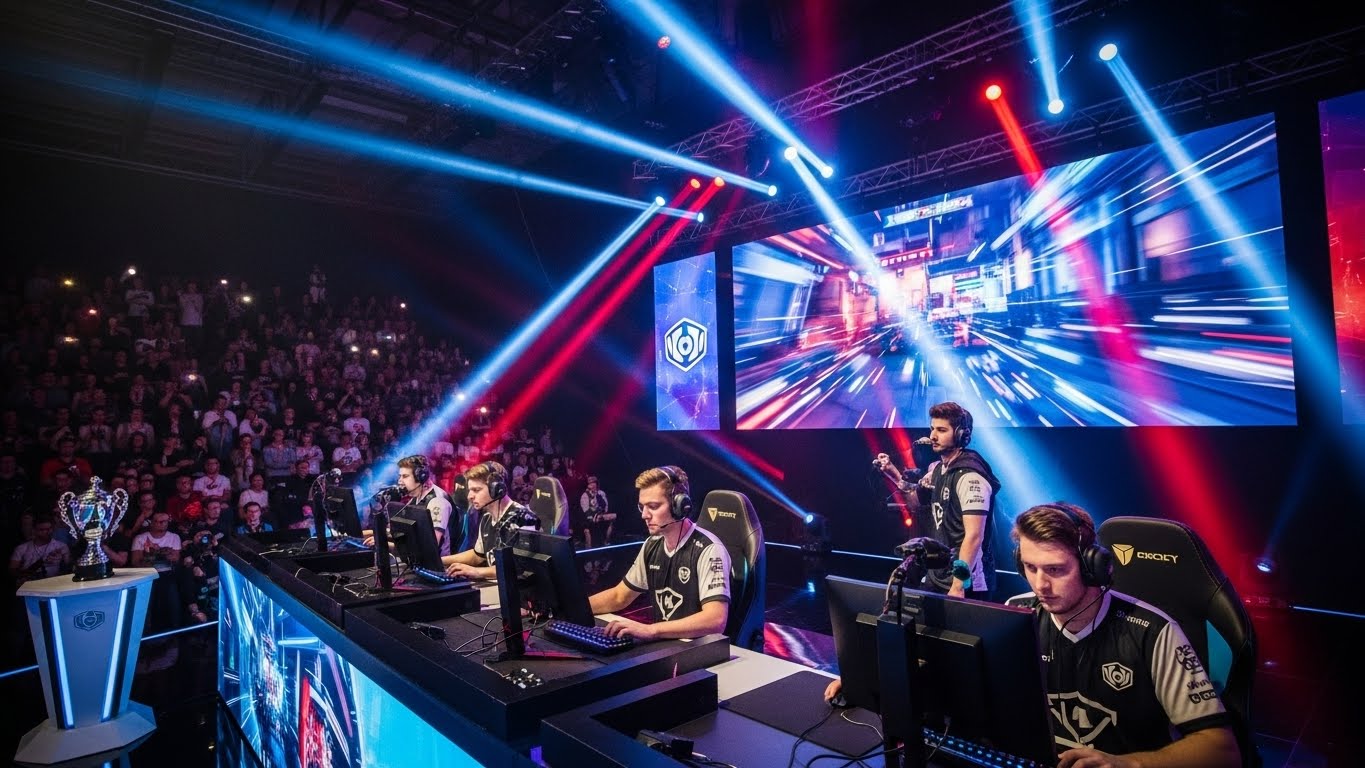
At its core, esports refers to organized, competitive video gaming played at a professional or semi-professional level. Unlike casual gaming, esports requires structured leagues, professional teams, strict rules, and highly trained players. Games commonly associated with esports include multiplayer online battle arenas, first-person shooters, sports simulations, and real-time strategy titles. What sets esports apart is the level of discipline involved. Players train for hours each day, analyze gameplay footage, work with coaches, and develop mental resilience similar to athletes in traditional sports.
The Early Foundations of Competitive Gaming
The roots of esports can be traced back to the late twentieth century, when competitive gaming events were small but passionate. Early tournaments were often held in universities or arcades, where players gathered to test their skills against one another. As internet access improved, online multiplayer gaming made it possible for competitors from different regions to face off without being in the same physical location. This shift laid the groundwork for global competition and introduced the idea that gaming could be both social and professional.
Technology as the Driving Force
The rapid growth of esports would not have been possible without advances in technology. High-speed internet, powerful gaming hardware, and streaming platforms transformed how games were played and consumed. Streaming allowed fans to watch matches live, interact with commentators, and support their favorite teams in real time. This created a sense of community and accessibility that traditional sports sometimes lack. Anyone with an internet connection could become a spectator, analyst, or aspiring professional.
Esports Athletes and the Myth of Effortless Play
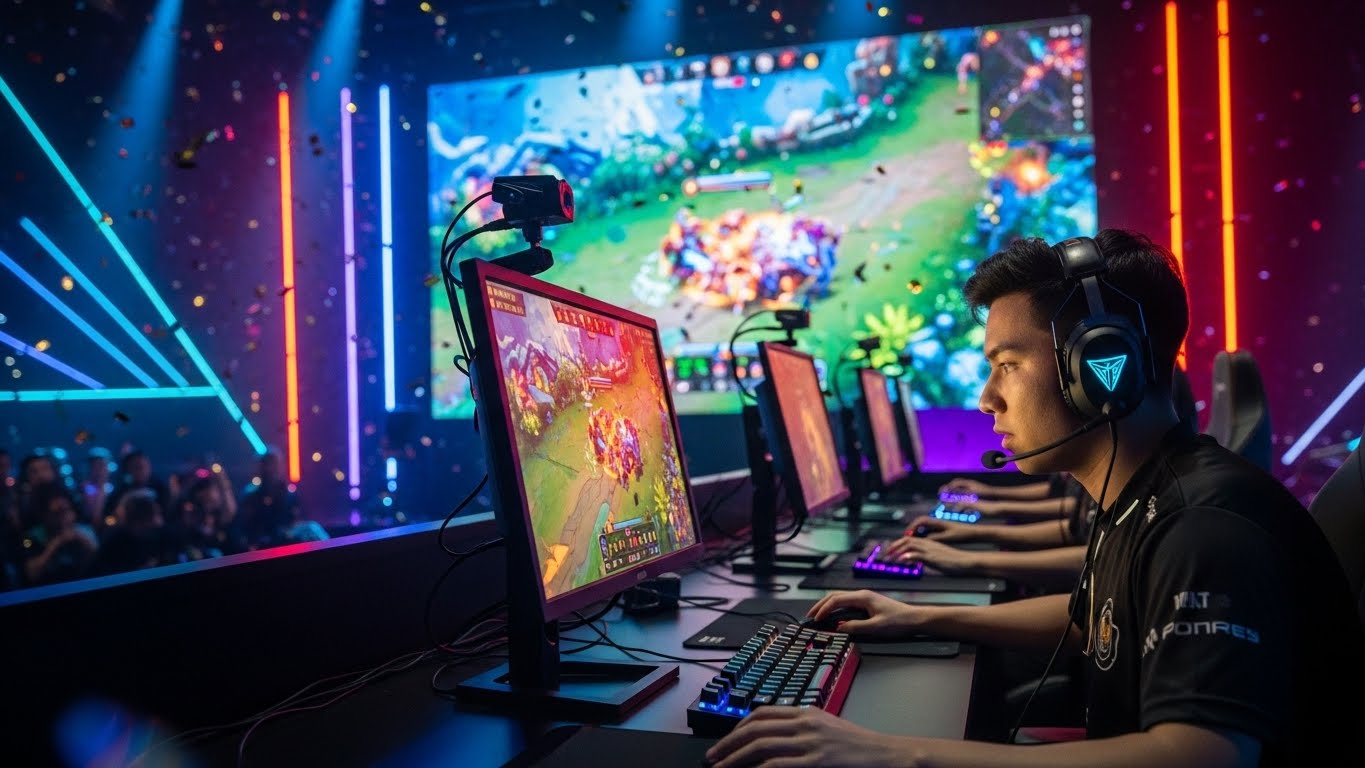
One of the most persistent misconceptions about esports is that it requires little effort or physical skill. In reality, esports athletes undergo rigorous training schedules that demand intense focus, quick reflexes, and exceptional hand-eye coordination. Many players follow strict routines that include physical exercise, mental conditioning, and strategic study. Reaction times measured in milliseconds can determine the outcome of a match. The pressure to perform consistently in front of massive audiences adds another layer of challenge, making mental strength just as important as mechanical skill.
Team Dynamics and Strategy
Esports is rarely a solo endeavor. Most professional competitions revolve around team-based games where coordination and communication are critical. Each player often has a specialized role, and success depends on how well these roles complement one another. Strategy is developed through countless hours of practice, analysis of opponents, and adaptation during matches. Coaches and analysts play a crucial role, breaking down gameplay data and helping teams refine their approach. This strategic depth is one of the reasons esports has gained respect as a legitimate competitive field.
The Business of Esports
Beyond the matches themselves, esports has become a powerful business ecosystem. Sponsorships, advertising, merchandise, and media rights generate significant revenue. Major brands from technology, fashion, and even automotive industries have invested heavily in esports teams and events. Professional players often build personal brands through social media and streaming, creating additional income streams. This commercialization has helped stabilize the industry and provided career opportunities not only for players but also for managers, marketers, event organizers, and content creators.
Esports and Global Culture
Esports has had a profound impact on global culture, particularly among younger generations. It has blurred geographical boundaries, allowing fans from different countries to connect over shared interests. International tournaments showcase diverse cultures and playing styles, fostering mutual respect and understanding. Esports has also influenced fashion, music, and language, with gaming terminology and aesthetics becoming mainstream. For many fans, esports is not just entertainment but a core part of their identity.
Education and Career Pathways
As esports continues to mature, educational institutions have begun to recognize its potential. Universities and schools now offer esports programs, scholarships, and dedicated training facilities. These initiatives focus not only on gameplay but also on skills such as teamwork, leadership, and digital literacy. Students can pursue careers in game design, broadcasting, event management, and data analysis through esports-related studies. This educational integration highlights the industry’s long-term viability and societal relevance.
Challenges Facing the Esports Industry
Despite its rapid growth, esports faces several challenges. Player burnout is a significant concern, as intense schedules and constant pressure can lead to mental and physical strain. There are also issues related to fair play, such as cheating and performance-enhancing software. Additionally, the industry must address concerns about inclusivity and representation, ensuring that opportunities are accessible to players of all backgrounds. Regulatory frameworks are still evolving, and maintaining consistent standards across regions remains a complex task.
The Role of Fans and Community
The esports community plays a vital role in shaping the industry. Fans are not passive spectators; they actively engage through chats, forums, and social media discussions. Their feedback influences game updates, tournament formats, and even team decisions. This close relationship between creators, players, and audiences creates a dynamic ecosystem where everyone feels invested. Community-driven support has helped esports thrive even during challenging times, reinforcing its resilience.
Esports Versus Traditional Sports
Comparisons between esports and traditional sports are inevitable. While the two differ in physical demands, they share many similarities, including competition, training, fan loyalty, and emotional investment. Esports offers a different kind of accessibility, as anyone with a device and internet connection can participate or spectate. Rather than replacing traditional sports, esports complements them by offering an alternative form of competition that resonates with the digital generation.
The Future of Esports
Looking ahead, the future of esports appears promising. Emerging technologies such as virtual reality and augmented reality may redefine how games are played and watched. Increased collaboration between game developers, leagues, and educational institutions could lead to more sustainable growth. As societal perceptions continue to shift, esports is likely to gain even greater recognition as a legitimate form of sport and entertainment. The next generation of players and fans will shape an industry that is still evolving and full of potential.
Conclusion: A Digital Revolution in Competition
Esports represents more than just competitive gaming; it symbolizes a broader transformation in how people connect, compete, and express themselves in the digital age. From humble beginnings to global prominence, esports has challenged traditional notions of sport and entertainment. Its blend of technology, strategy, culture, and community has created a unique arena where skill and passion converge. As esports continues to grow, it will undoubtedly leave a lasting mark on the world, proving that competition in the digital era can be just as meaningful, intense, and inspiring as any played on a physical field.