championlounge06
Introduction
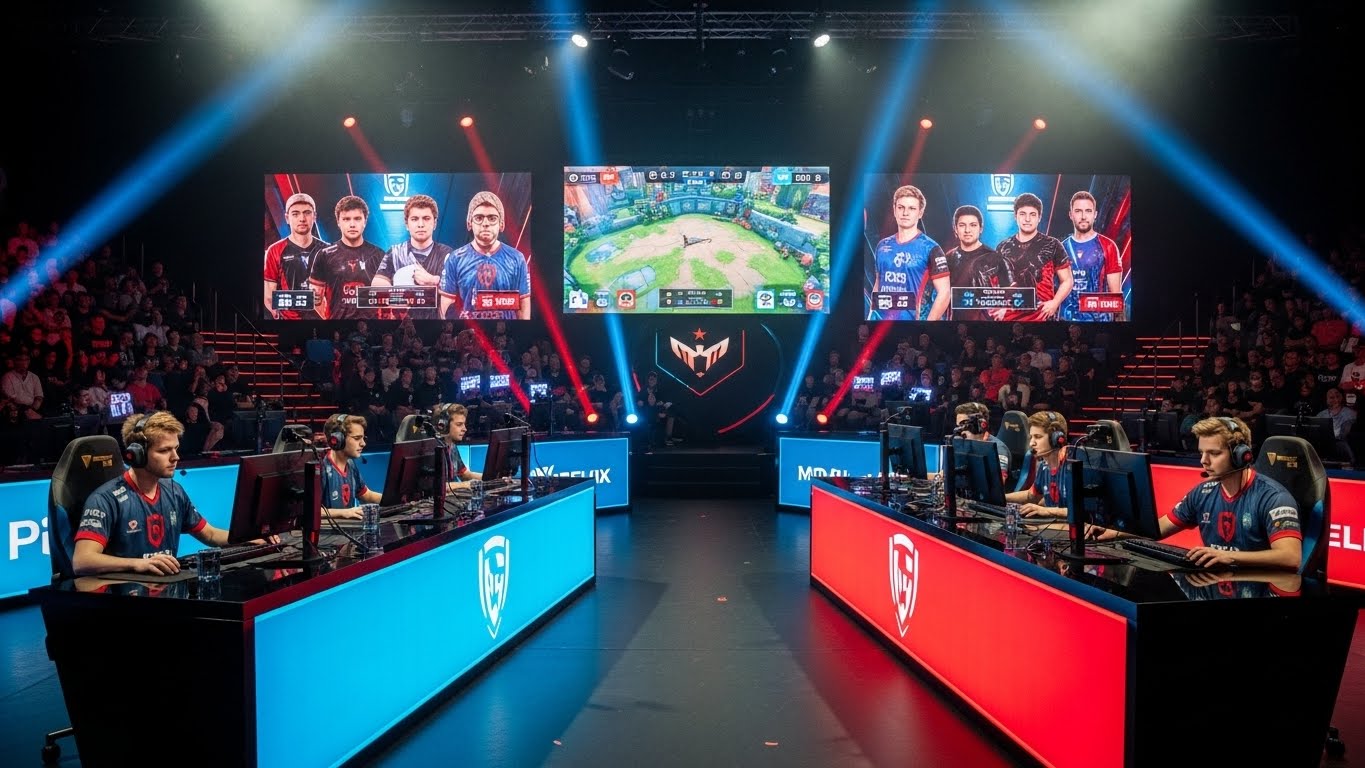
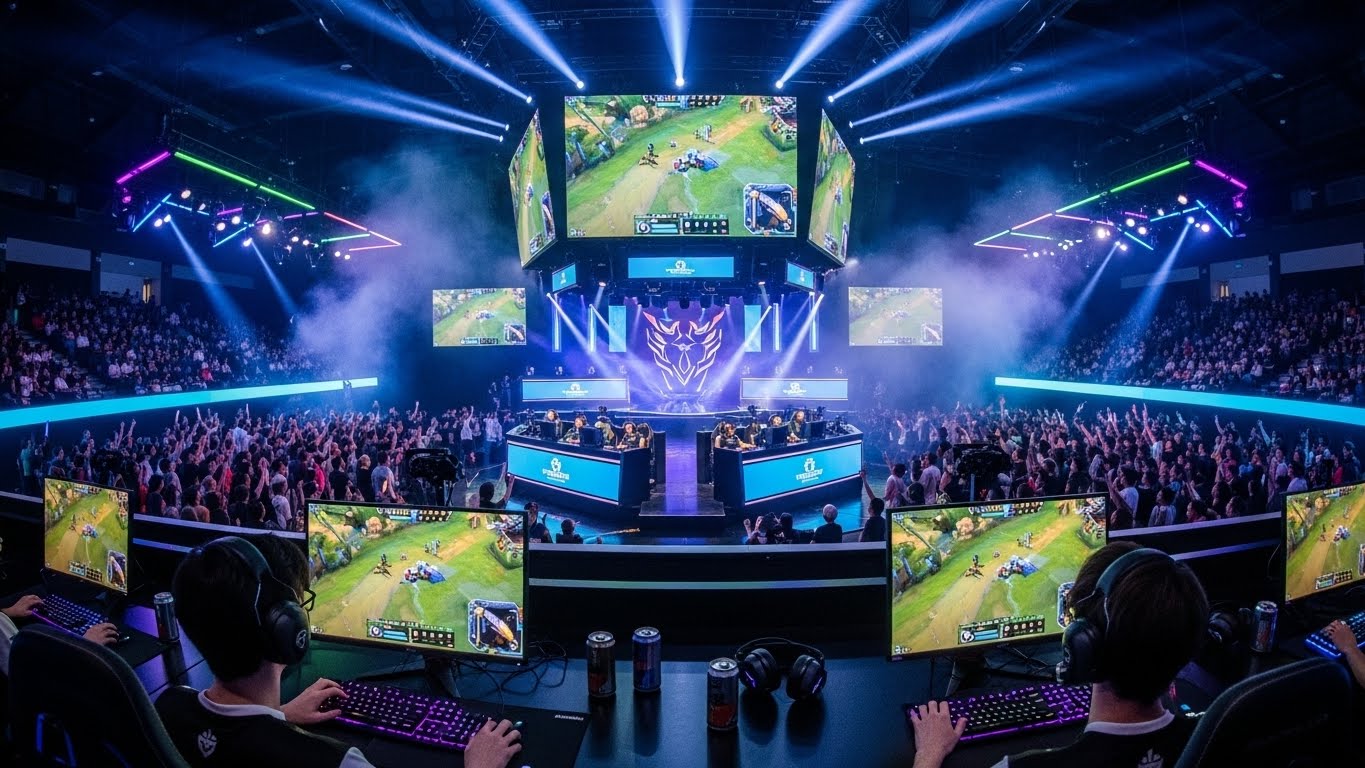
eSports has evolved from casual gaming into a global phenomenon, transforming the way people play, watch, and engage with video games. Once seen as a niche hobby, competitive gaming now fills stadiums, attracts millions of online viewers, and offers professional careers for players around the world. eSports combines skill, strategy, and entertainment, creating a digital arena where talent and teamwork shine.
The Rise of eSports
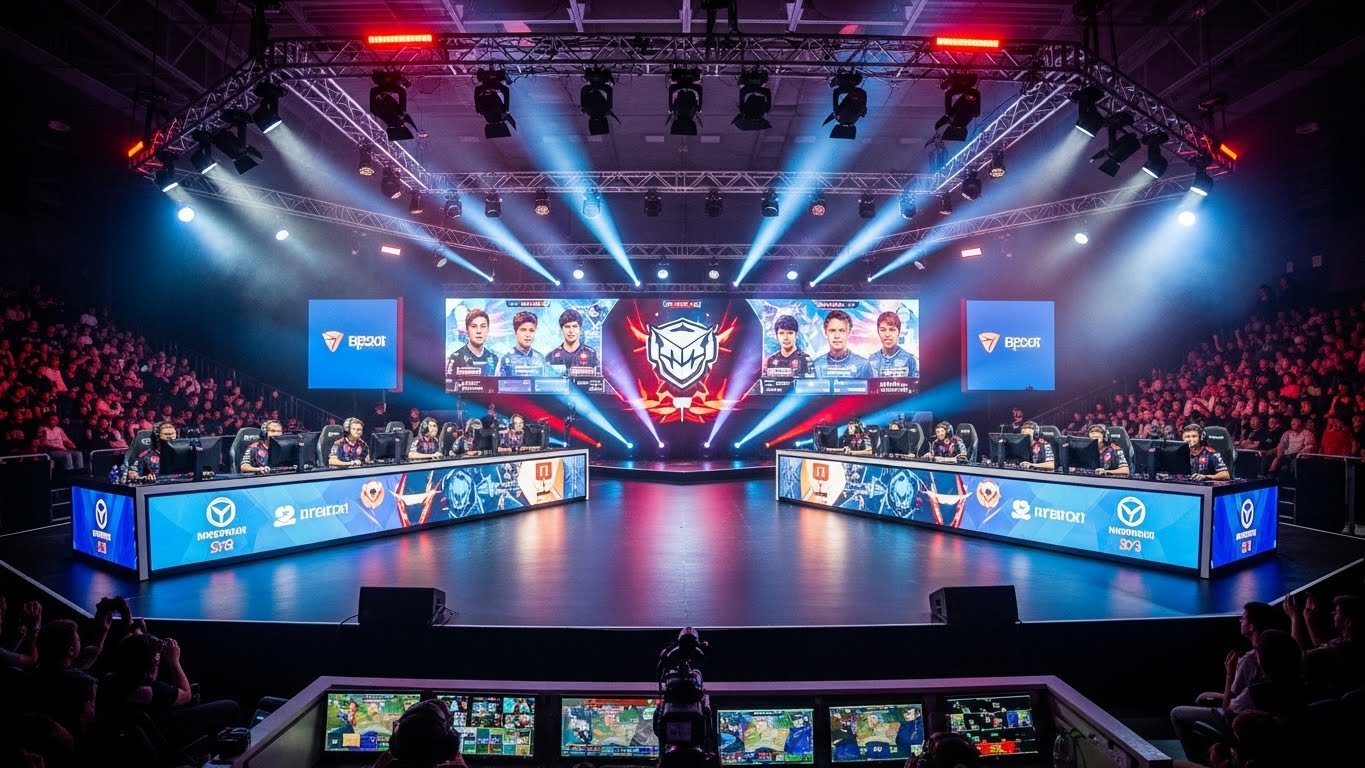
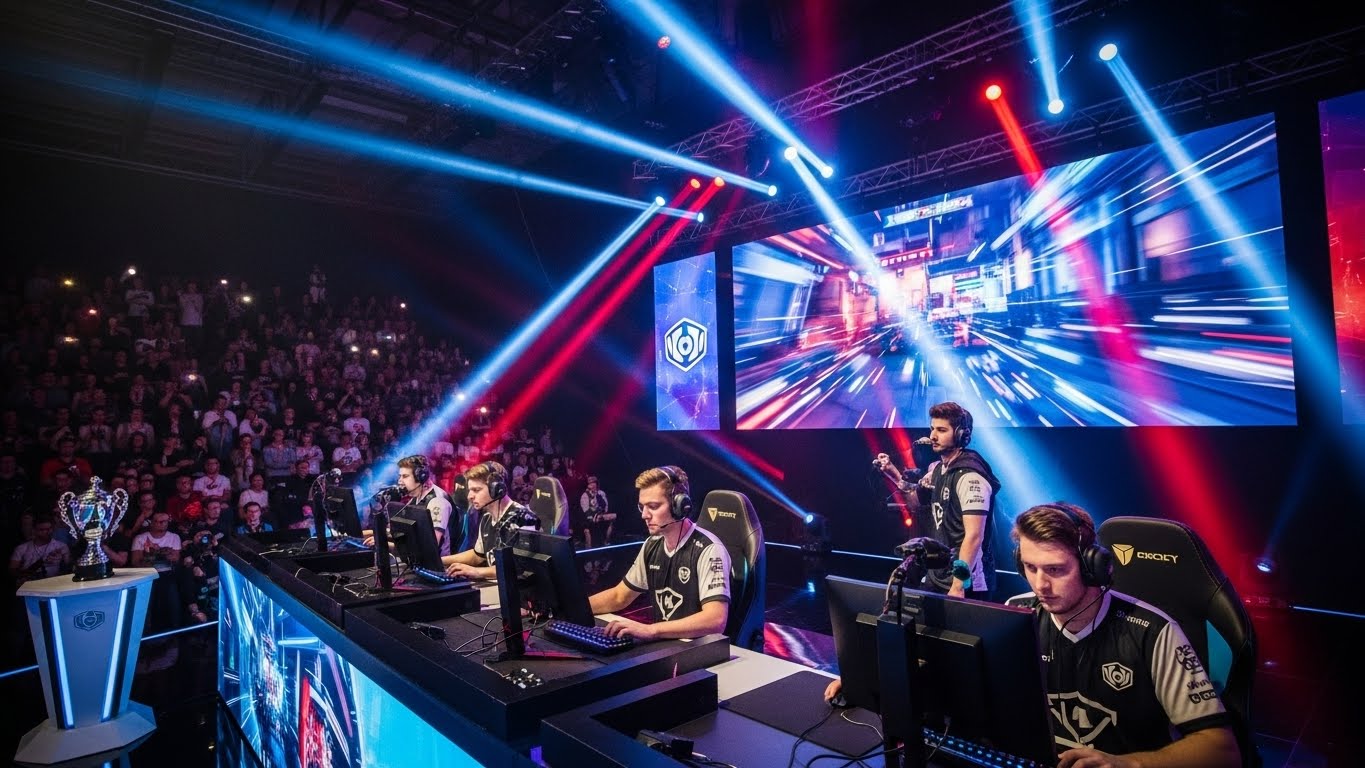
Over the past decade, eSports has grown exponentially. Improved technology, high-speed internet, and streaming platforms have allowed competitive gaming to reach audiences across the globe. Major tournaments now rival traditional sports events in scale and excitement, offering high-stakes prizes and international recognition. This growth has made eSports a legitimate and influential part of modern entertainment.
Popular eSports Genres
eSports includes a wide range of game genres. Multiplayer Online Battle Arenas (MOBAs) like League of Legends demand strategy, coordination, and teamwork. First-Person Shooters (FPS) such as Counter-Strike and Call of Duty focus on speed, accuracy, and reflexes. Battle Royale games, sports simulations, and card games also attract millions of players and viewers. Each genre offers unique challenges and requires specific skills, keeping competitions dynamic and engaging.
The Life of a Professional Player
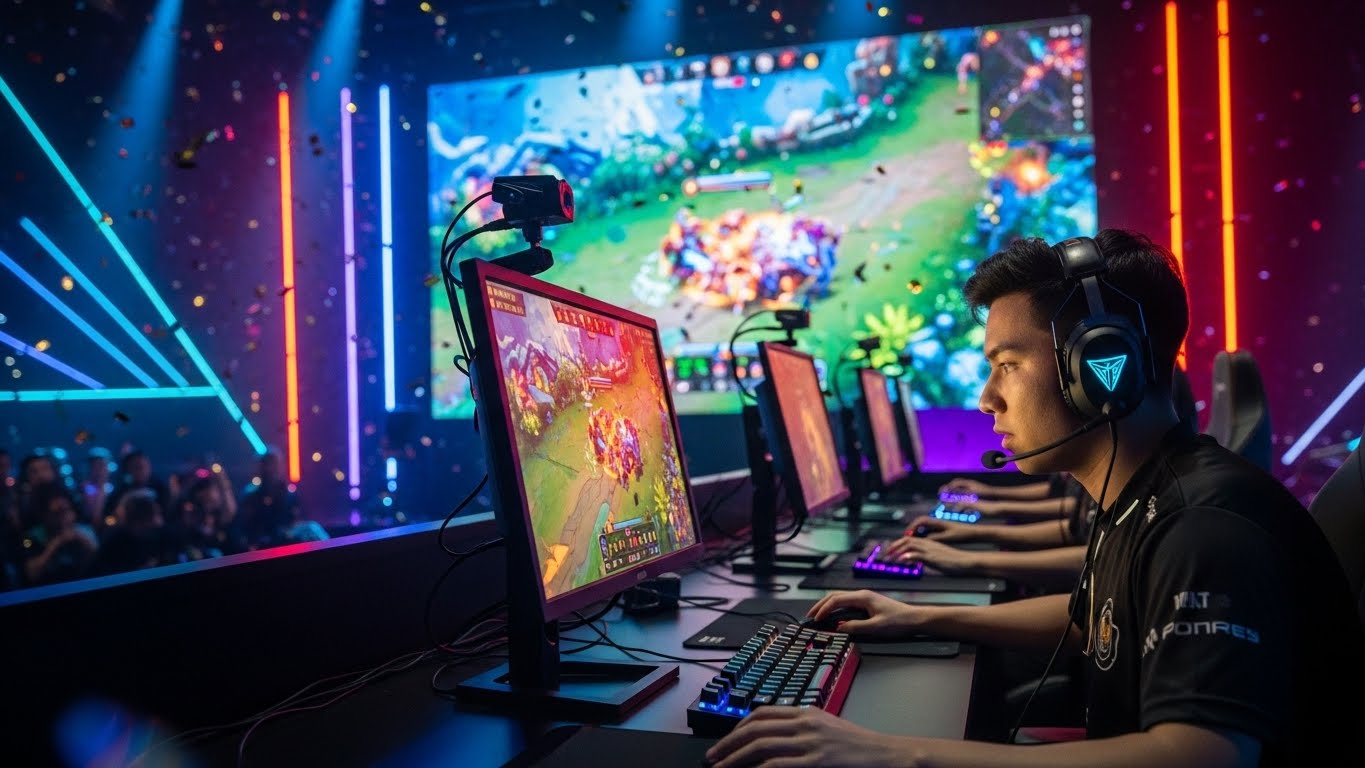
Professional eSports players train rigorously, treating gaming as a full-time career. They follow structured practice schedules, analyze strategies, and maintain physical and mental fitness to perform at their best. Players participate in regional and international tournaments, often representing teams or sponsors. Their dedication highlights the discipline, focus, and perseverance required to succeed in eSports.
Community and Social Engagement
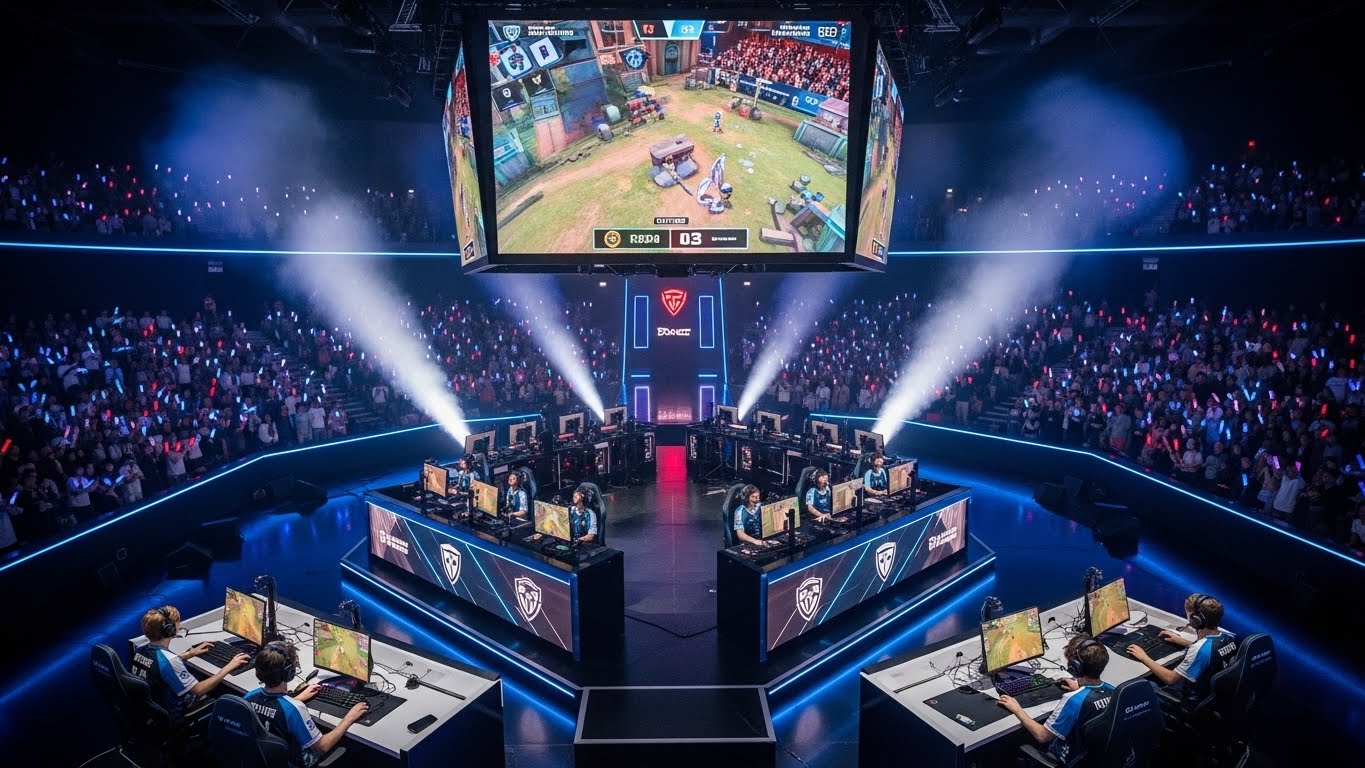
eSports thrives on its communities. Fans interact through live streams, social media, and gaming forums, discussing strategies, sharing experiences, and celebrating victories. Multiplayer games foster collaboration and social interaction, while tournaments unite players and fans across continents. The sense of community and shared passion is a defining feature of the eSports world.
Economic Impact and Career Opportunities
The eSports industry offers numerous career opportunities beyond playing professionally. Commentators, coaches, content creators, event organizers, and marketers contribute to the ecosystem. Sponsorship deals, merchandise, and streaming revenue have turned eSports into a multi-million-dollar industry, creating financial opportunities for individuals and businesses alike.
The Future of eSports
The future of eSports is bright and full of innovation. Virtual reality, augmented reality, and AI-driven gameplay are making competitions more immersive and interactive. Educational institutions are recognizing eSports with scholarships and dedicated programs, further legitimizing it as a career path. As technology and interest grow, eSports will continue to expand and evolve globally.
Conclusion
eSports is no longer just a form of gaming; it is a cultural and professional phenomenon. It blends skill, strategy, community, and entertainment, creating experiences that engage millions worldwide. With technological advancements and growing recognition, eSports will continue to redefine competitive entertainment, inspire players, and unite fans across the globe. The digital arena is now a stage where talent, teamwork, and passion come together like never before.