championlounge06
In recent years, esports has surged in popularity, transforming from a niche hobby into a global cultural and financial powerhouse. What was once a casual way for gamers to compete has now evolved into a thriving industry that rivals traditional sports in size, reach, and influence. From massive international tournaments to streaming platforms, esports has captured the hearts of millions of fans worldwide. In this blog post, we’ll explore what esports is, how it has grown into a billion-dollar industry, and what the future holds for competitive gaming.
What Exactly Is Esports?
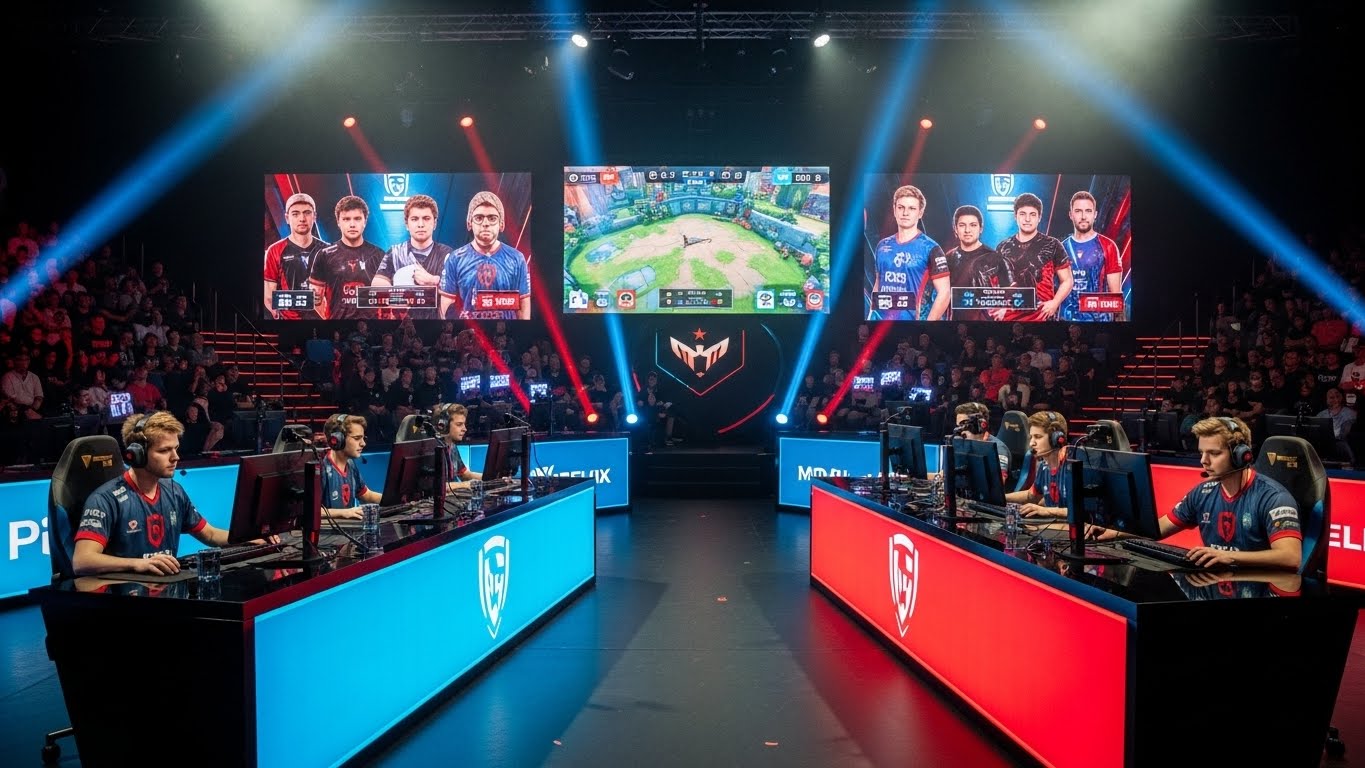
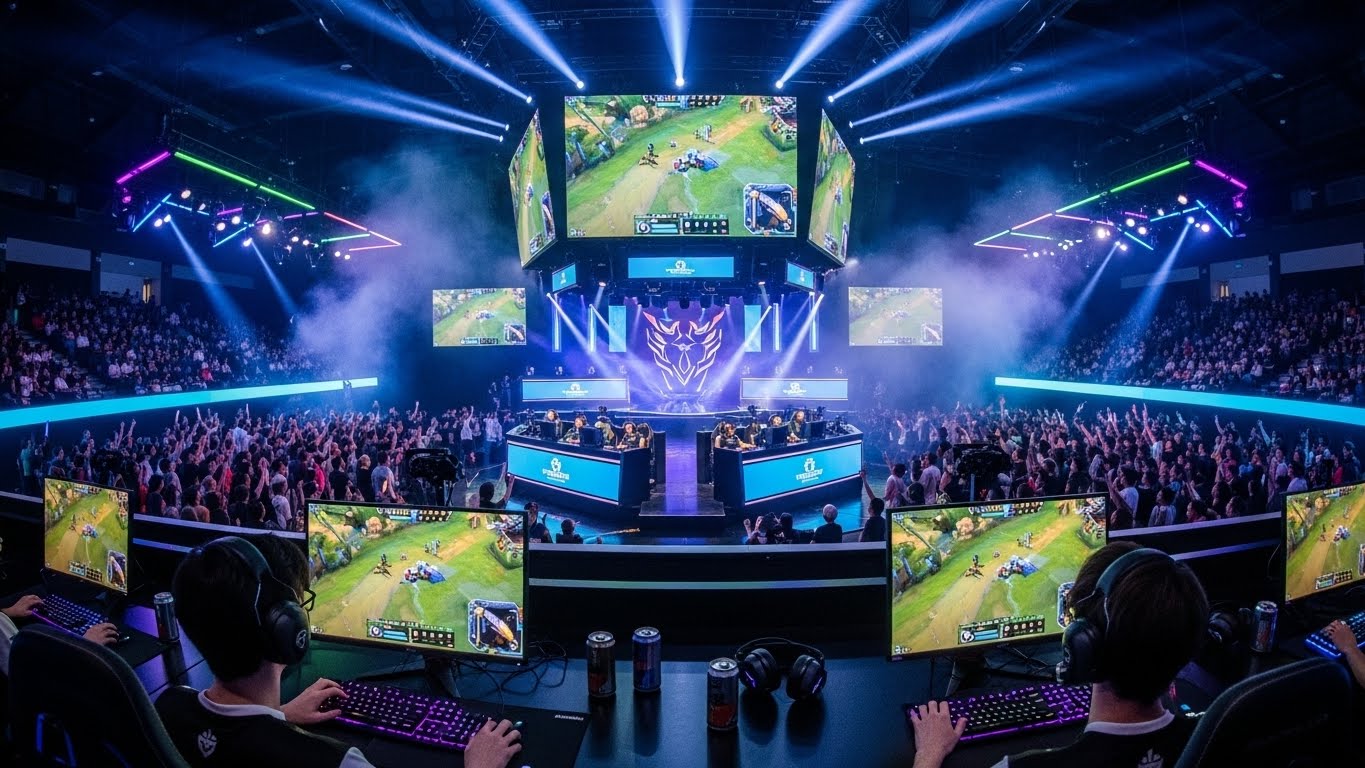
Esports, short for “electronic sports,” refers to competitive video gaming at a professional level. Unlike casual gaming, which is often played for fun or recreation, esports involves serious competition between skilled players or teams. These competitions often take place in multiplayer online games like League of Legends, Dota 2, Counter-Strike: Global Offensive, and Overwatch, among others. Players train for hours each day, refining their skills, analyzing gameplay, and perfecting strategies to outperform their opponents.
Esports encompasses various game genres, including real-time strategy (RTS), first-person shooters (FPS), and multiplayer online battle arena (MOBA) games. It’s not just about winning, though—the professional esports scene requires players to maintain mental and physical endurance, teamwork, and quick decision-making skills under immense pressure.
The Meteoric Rise of Esports
Esports didn’t always have the mainstream recognition it enjoys today. The roots of competitive gaming can be traced back to the 1990s when games like Quake and Warcraft began to feature online multiplayer modes. However, it wasn’t until the early 2000s that esports began to take shape, particularly in South Korea, where StarCraft tournaments attracted thousands of spectators and were even broadcast on television.
By the 2010s, the global landscape of esports began to rapidly evolve. Platforms like Twitch and YouTube Gaming enabled gamers to stream their gameplay to audiences around the world, bringing competitive gaming into the mainstream. Major tournaments began to see millions of viewers, and gaming companies and sponsors quickly recognized the potential of esports to reach a global audience.
The Financial Power of Esports
One of the most striking aspects of esports is its enormous financial growth. What started as a small niche industry has ballooned into a multi-billion-dollar business. In fact, esports revenue is projected to exceed $1.5 billion in the near future, with much of that growth coming from sponsorships, media rights, and advertising.
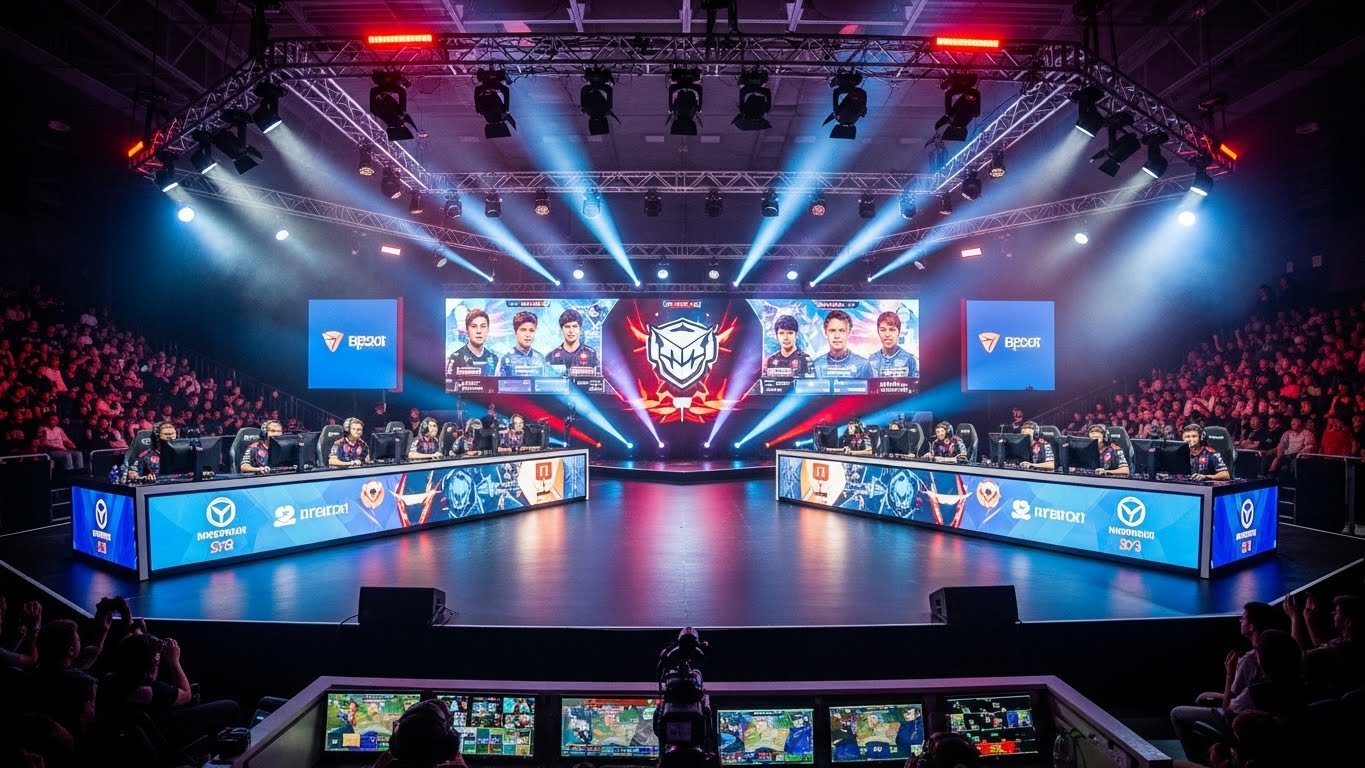
Top-tier esports tournaments are now backed by massive corporate sponsors like Intel, Coca-Cola, and Mercedes-Benz, which see esports as an opportunity to reach younger, tech-savvy audiences. Players and teams also earn significant incomes, often through sponsorships, prize money, and streaming deals. For example, The International, an annual Dota 2 tournament, has featured prize pools of over $40 million—making it one of the richest esports competitions in the world.
Esports is not just about the players. It also includes the growing ecosystem of coaches, analysts, event organizers, content creators, and even developers who create the games being played. This diverse set of roles contributes to the continued expansion and financial success of the esports industry.
The Esports Athlete: A New Breed of Competitor
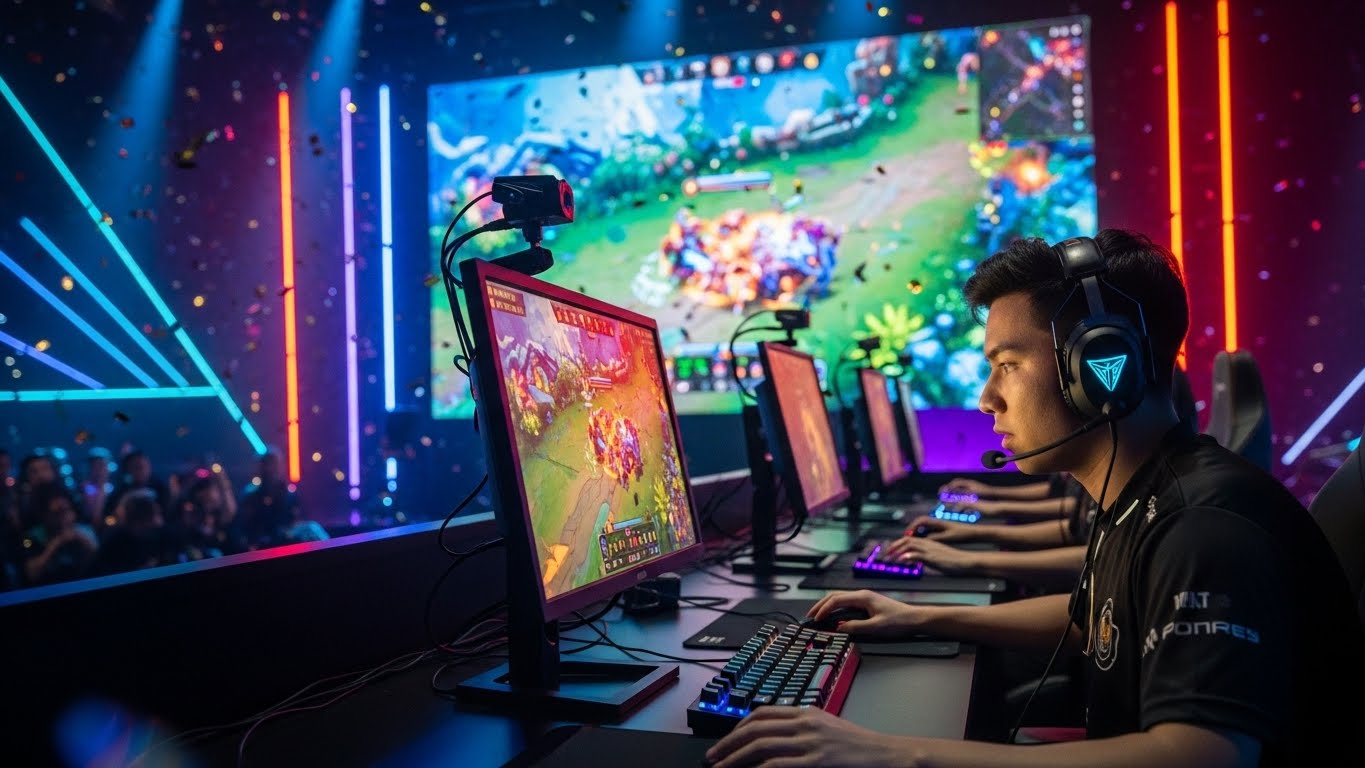
The rise of esports has also introduced a new kind of professional athlete. While traditional athletes may train their bodies to compete, esports players focus on honing their mental and strategic abilities. Professional gamers spend countless hours practicing, strategizing, and analyzing their opponents. Physical stamina, too, plays a role—especially since long gaming sessions can be physically demanding.
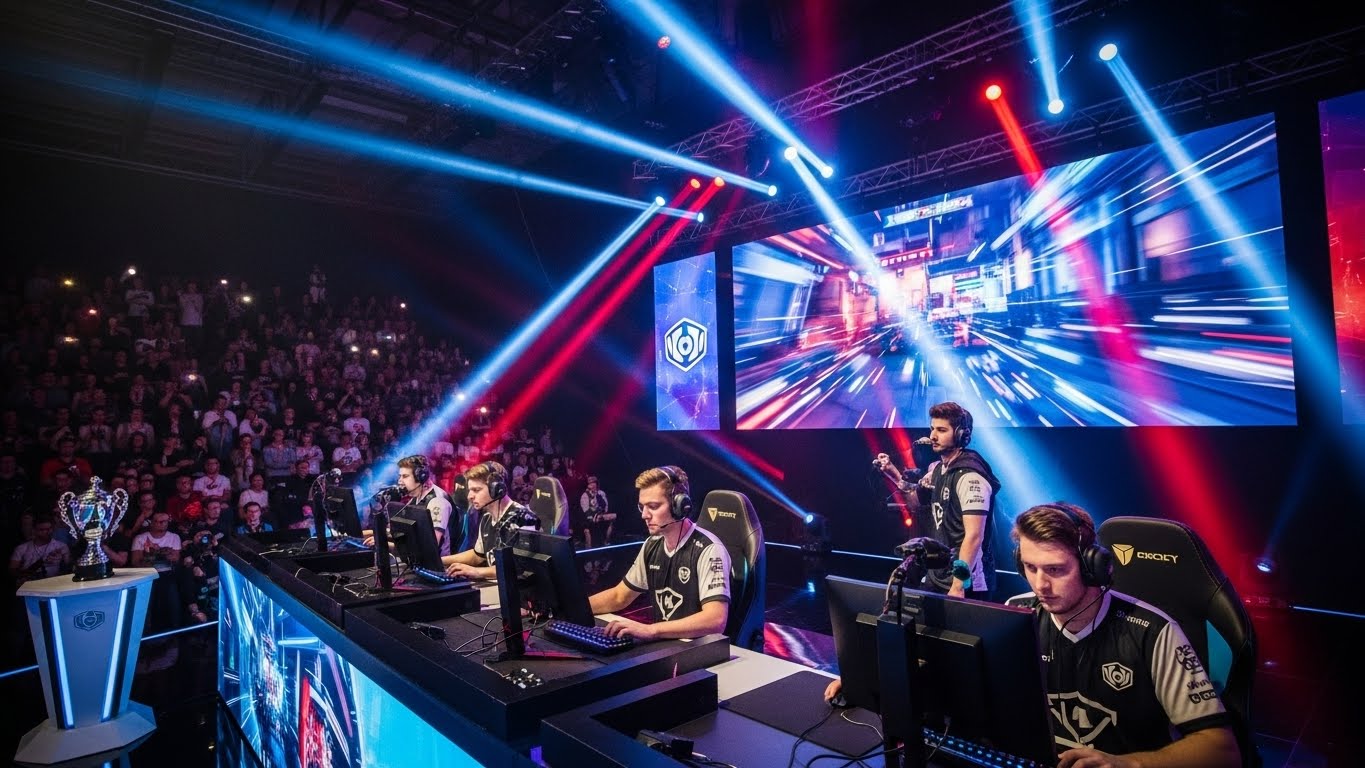
Just like athletes in traditional sports, esports players face intense pressure to perform at the highest level. They compete in high-stakes tournaments that require quick reflexes, sharp focus, and tactical execution. The life of a professional gamer is far from easy, with players often following strict schedules that include individual practice sessions, team training, and travel for events.
In addition to in-game performance, many esports players also build a personal brand. Through platforms like Twitch and YouTube, they connect with their audience, build a fanbase, and engage in sponsorships. As a result, many professional gamers now have significant influence and can earn substantial income through sponsorship deals and partnerships.
Esports and the Rise of Streaming
One of the key drivers behind the growth of esports has been the explosion of gaming streaming platforms, particularly Twitch. With over 15 million daily active users, Twitch has become the heart of the esports viewing experience. Fans can watch their favorite players and teams compete in real-time, interact with them through live chat, and experience the excitement of esports as it unfolds.
Streaming has also democratized the world of esports, allowing anyone with a computer and internet connection to watch or participate in competitions. In addition, platforms like YouTube Gaming and Facebook Gaming have created new spaces for fans to access esports content. These platforms have opened up new revenue streams, both for the players who stream their own gameplay and for the organizations that host major tournaments.
The accessibility and interactivity of these platforms have made esports more engaging than ever before, providing fans with a unique way to connect with their favorite players and teams.
The Global Community of Esports Fans
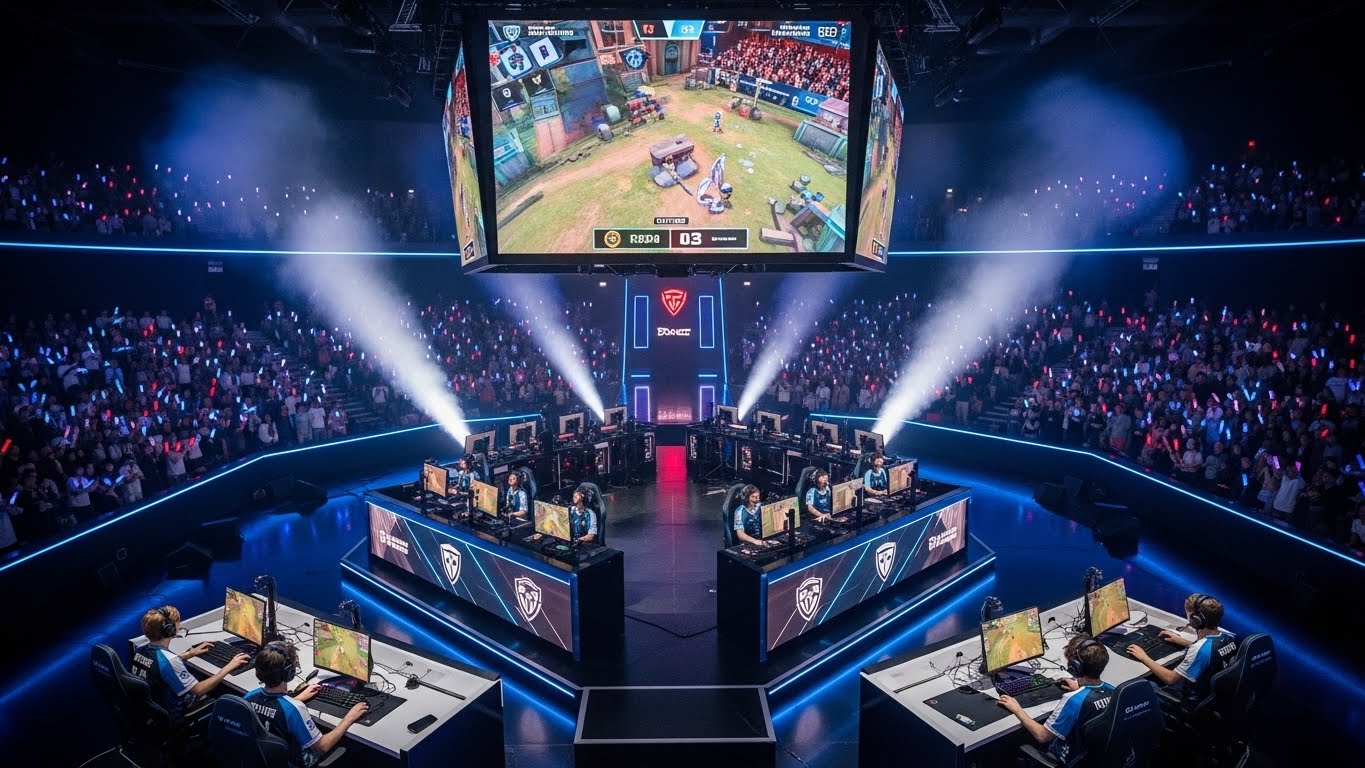
Esports has created a massive global community that transcends geographic, cultural, and language barriers. While traditional sports may be limited by national borders, esports has no such restrictions. Fans from every corner of the world tune in to watch tournaments, cheer for their favorite teams, and engage with the esports ecosystem.
Esports has fostered a sense of unity among diverse groups of people. No matter where a person is located, they can be a part of the global esports community. This sense of camaraderie is amplified by the use of social media, where fans and players alike share content, offer support, and participate in discussions about their favorite games and players.
The online nature of esports also means that competitions are often streamed across multiple time zones, making it possible for fans worldwide to watch events live or on-demand. This global accessibility has helped esports grow in popularity, attracting millions of fans across continents and cultures.
The Challenges Facing Esports
Despite its rapid growth, esports faces several challenges that could impact its long-term sustainability. One major issue is player burnout. Just like traditional athletes, professional gamers often experience stress and fatigue from long hours of training, competition, and travel. Some players have spoken openly about the mental and emotional toll of professional gaming, and the industry is starting to take steps to provide better support for players’ mental health and well-being.
Another challenge is the lack of universal regulation. While major leagues and tournaments exist for many esports titles, the industry lacks the unified governance seen in traditional sports. Issues such as cheating, match-fixing, and inconsistent rules across tournaments are still prevalent and need to be addressed for the long-term growth of the industry.
The Future of Esports
As the esports industry continues to grow, there are several trends that will likely shape its future. One major trend is the integration of virtual reality (VR) and augmented reality (AR) into esports competitions. These technologies have the potential to create more immersive and interactive experiences for both players and fans, revolutionizing how esports tournaments are played and watched.
Additionally, the mainstream acceptance of esports in schools and universities will continue to increase. Many educational institutions now offer scholarships for esports athletes, and competitive gaming is becoming an accepted extracurricular activity. This will only further fuel the talent pipeline and increase the legitimacy of esports as a career.
The ongoing convergence between traditional sports and esports also suggests that the two will continue to coexist, with potential for crossover events, joint sponsorships, and integrated broadcasting.
Conclusion: The Digital Future of Competition
Esports has come a long way from its humble beginnings as a niche hobby to become a global industry that spans continents and brings people together in new and exciting ways. With its massive financial growth, widespread cultural impact, and ever-expanding fanbase, esports is not just a passing trend but a digital revolution that is reshaping the future of competition.
As technology evolves, so too will the esports landscape, offering even more opportunities for players, fans, and companies to engage with the world of competitive gaming. Whether you’re a seasoned gamer, a new fan, or simply someone curious about the phenomenon, there’s no denying that esports is here to stay—and its influence is only going to grow in the years to come.