championlounge06
The world of sports has witnessed a major shift in recent years, and it’s not just about traditional fields and stadiums anymore. Esports, a term used to describe organized competitive video gaming, has risen from a niche hobby to a global phenomenon. The growth of esports has been nothing short of extraordinary, creating a digital revolution that challenges the very definition of what constitutes a sport. In this blog post, we will explore the rise of esports, its impact on society, the business behind it, and what the future holds for this exciting and rapidly growing industry.
The Rise of Esports: From Hobby to Global Industry
Esports, short for electronic sports, refers to the organized, multiplayer video game competitions between professional players, teams, and organizations. While competitive gaming has existed since the early days of video games, the true rise of esports can be traced back to the late 1990s and early 2000s. During this time, internet speeds increased, allowing players to compete against others online, and LAN (Local Area Network) parties began to dominate the gaming scene. Games like “Quake,” “StarCraft,” and “Counter-Strike” helped lay the foundation for the competitive gaming culture that would later explode into what we know today as esports.
The launch of streaming platforms, such as Twitch, in the 2010s allowed gamers to share their gameplay with millions of viewers worldwide. This shift to digital streaming was a game-changer for the industry, as it brought competitive gaming out of obscure LAN tournaments and into the mainstream. Tournaments like the “League of Legends World Championship” and “The International” for Dota 2 began attracting large viewerships, with millions tuning in to watch the best players battle it out for huge prize pools.
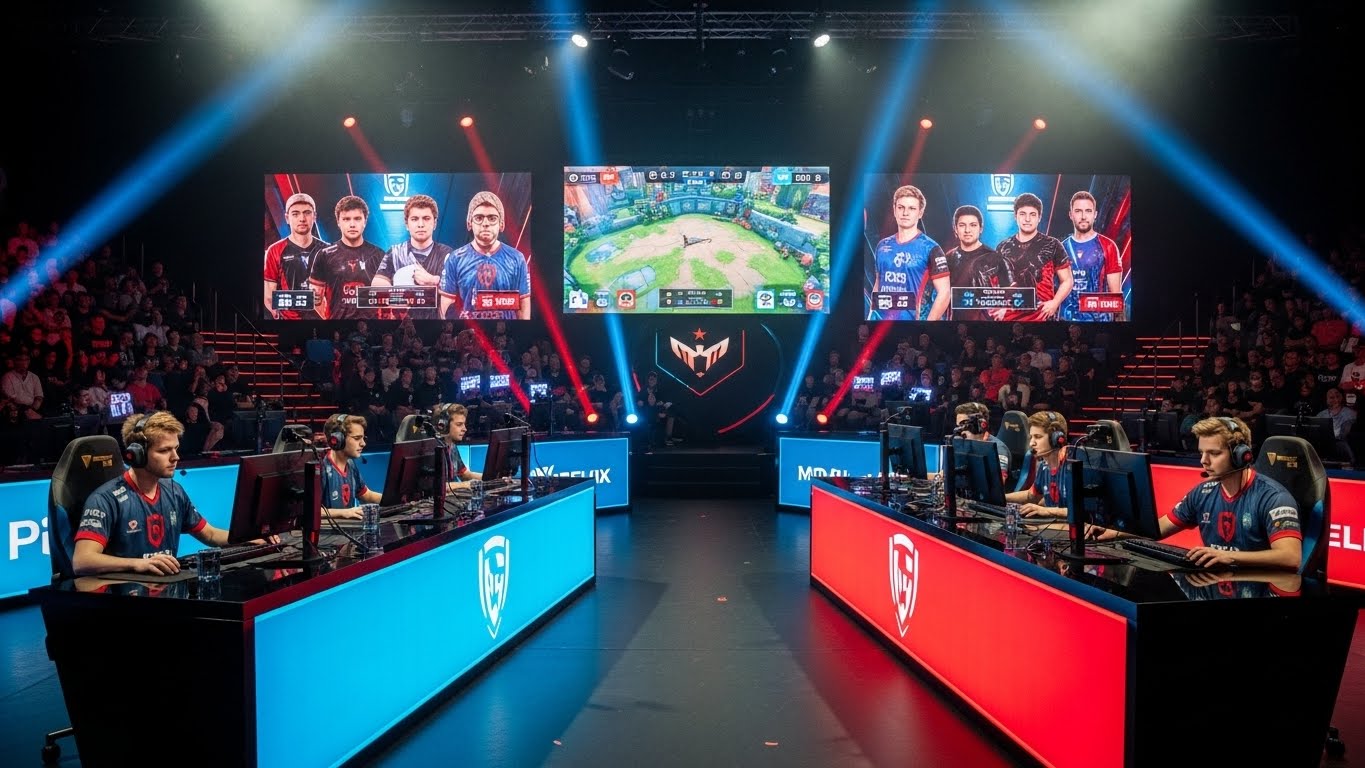
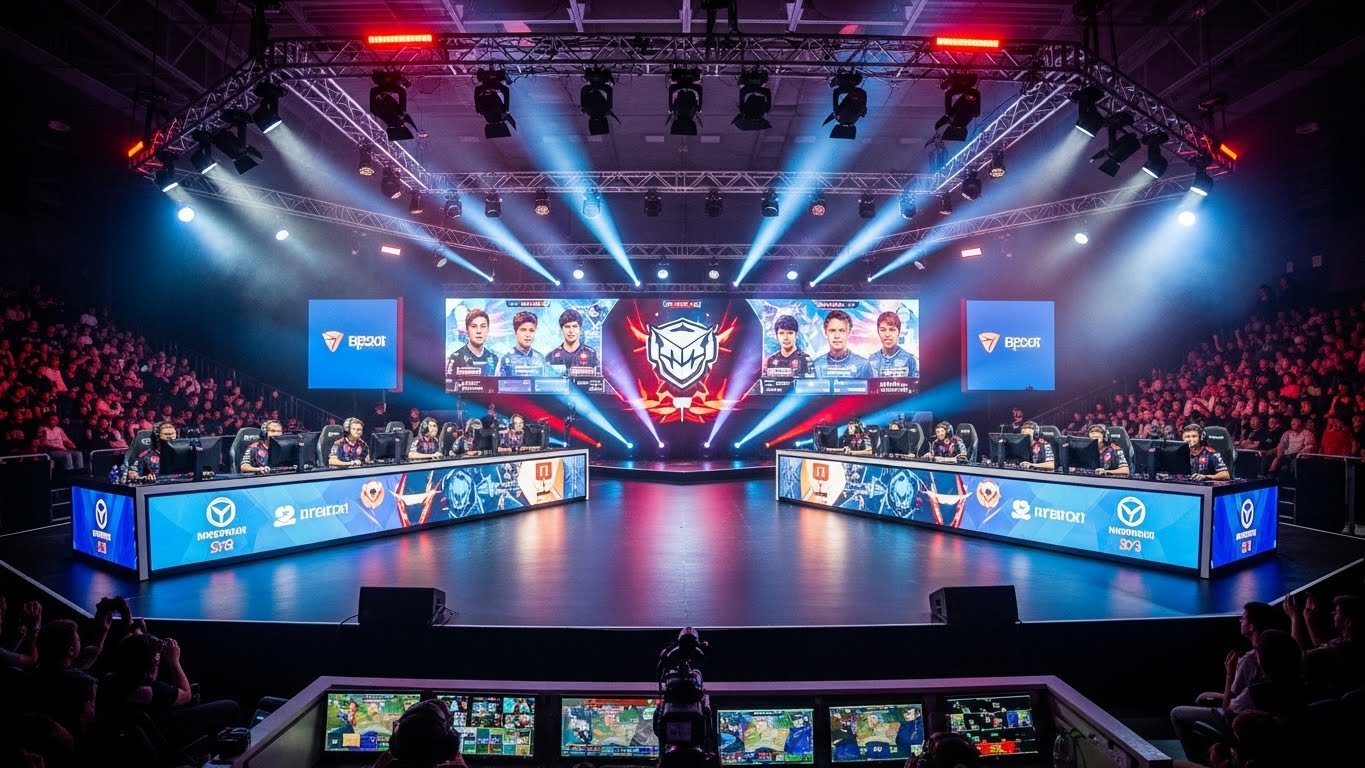
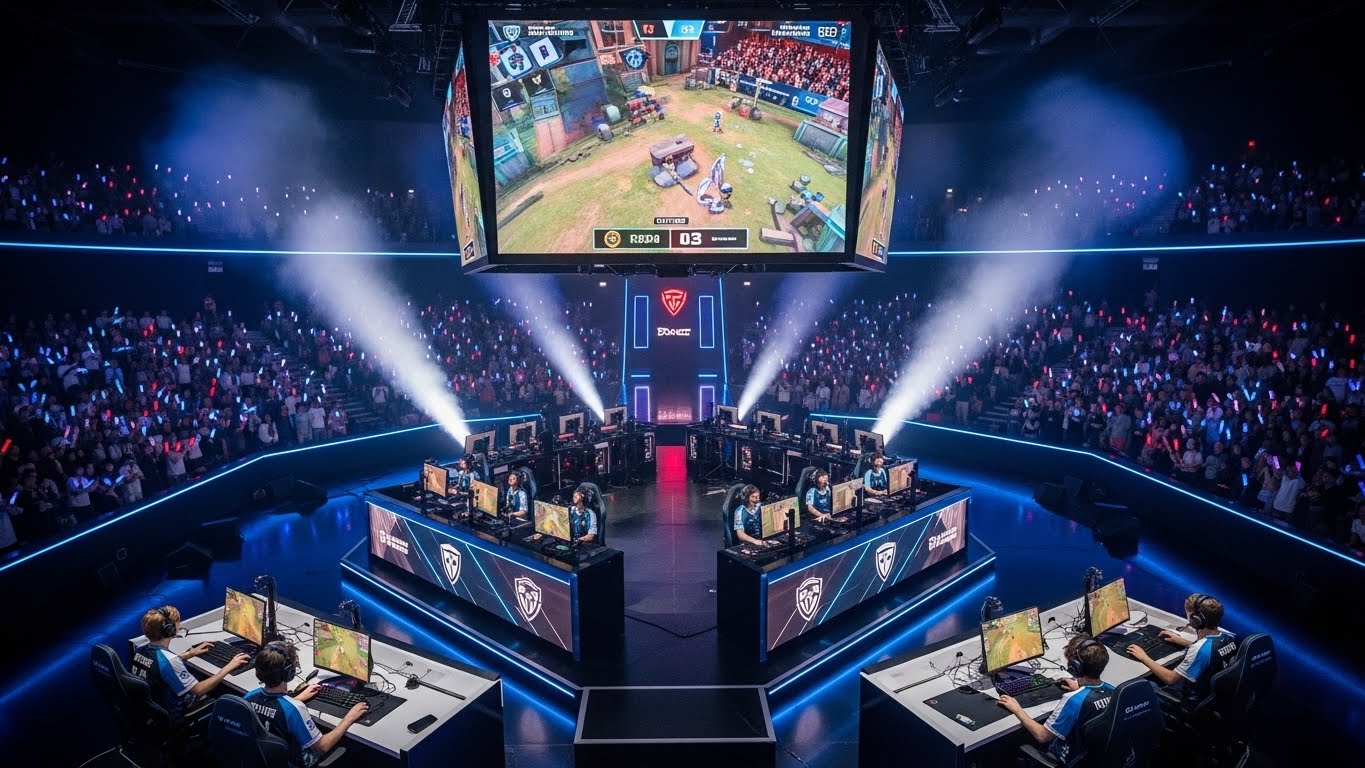
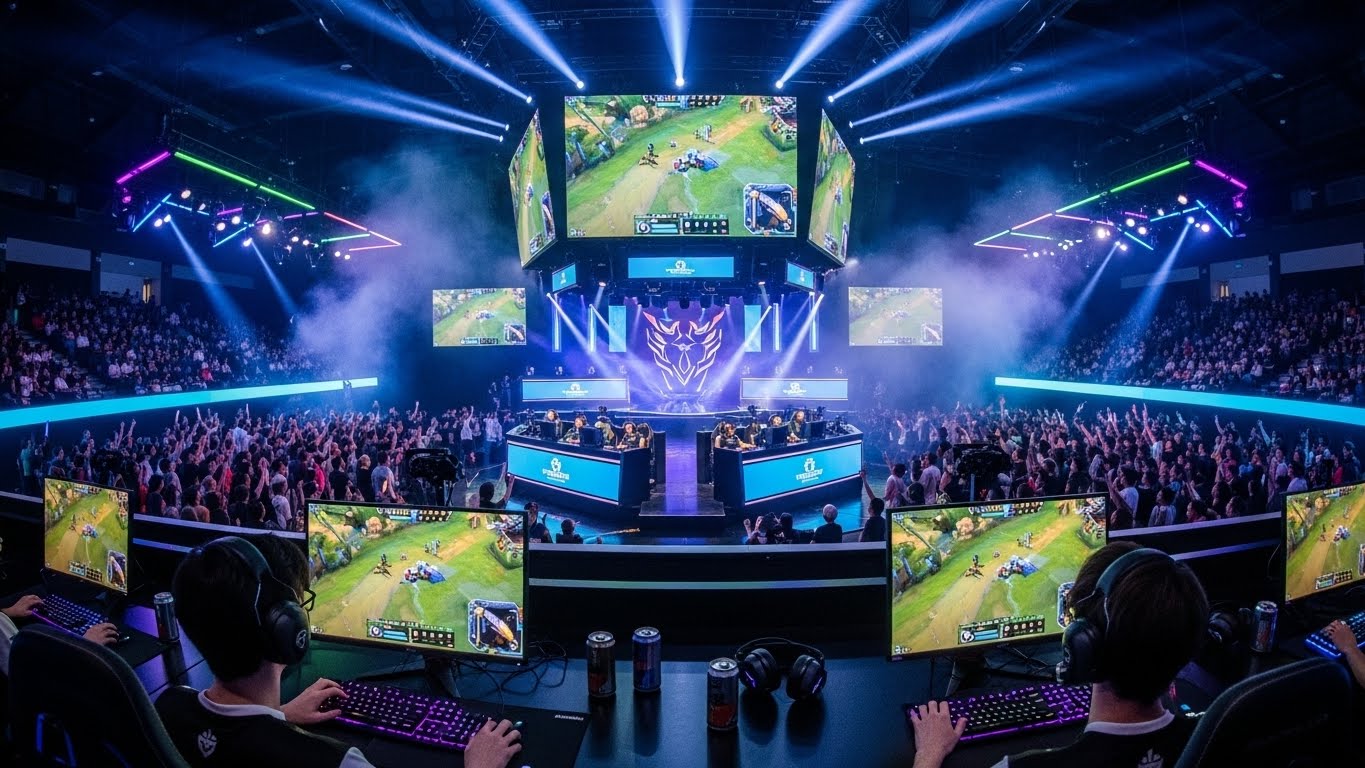
Fast forward to today, and esports has become a multi-billion-dollar industry, with major tournaments drawing crowds comparable to traditional sports events. The meteoric rise of esports has been powered by its global appeal, its accessibility, and the digital nature of the competitions. Players can compete from anywhere in the world, and viewers can tune in from the comfort of their homes. Esports has truly become a worldwide phenomenon.
Professional Players: The New Age Athletes
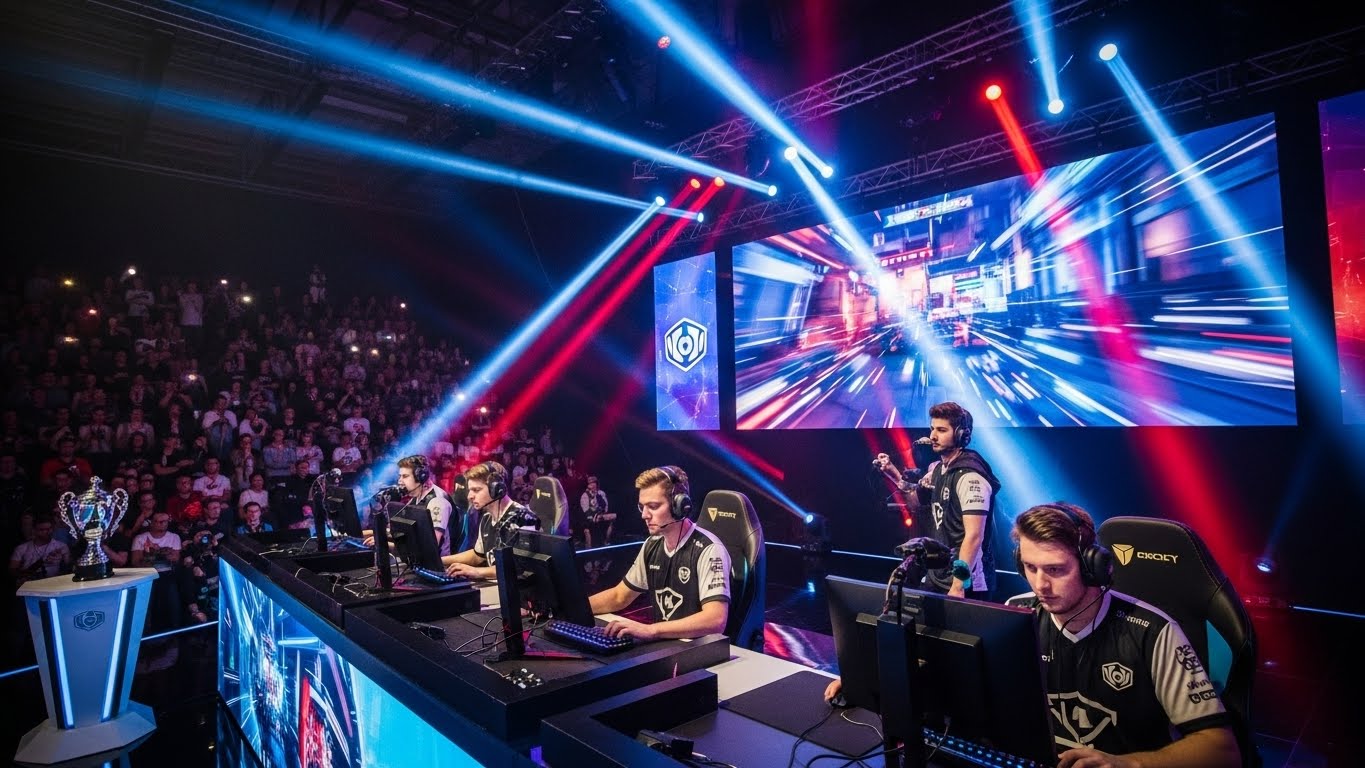
One of the most fascinating aspects of esports is the professionalization of players. Much like traditional sports, the path to becoming a professional gamer requires immense dedication, skill, and a commitment to constant improvement. Professional esports players are highly trained individuals who spend hours each day refining their gameplay, learning strategies, and perfecting their reflexes. The level of competition in esports is fierce, and only the best players can rise to the top.
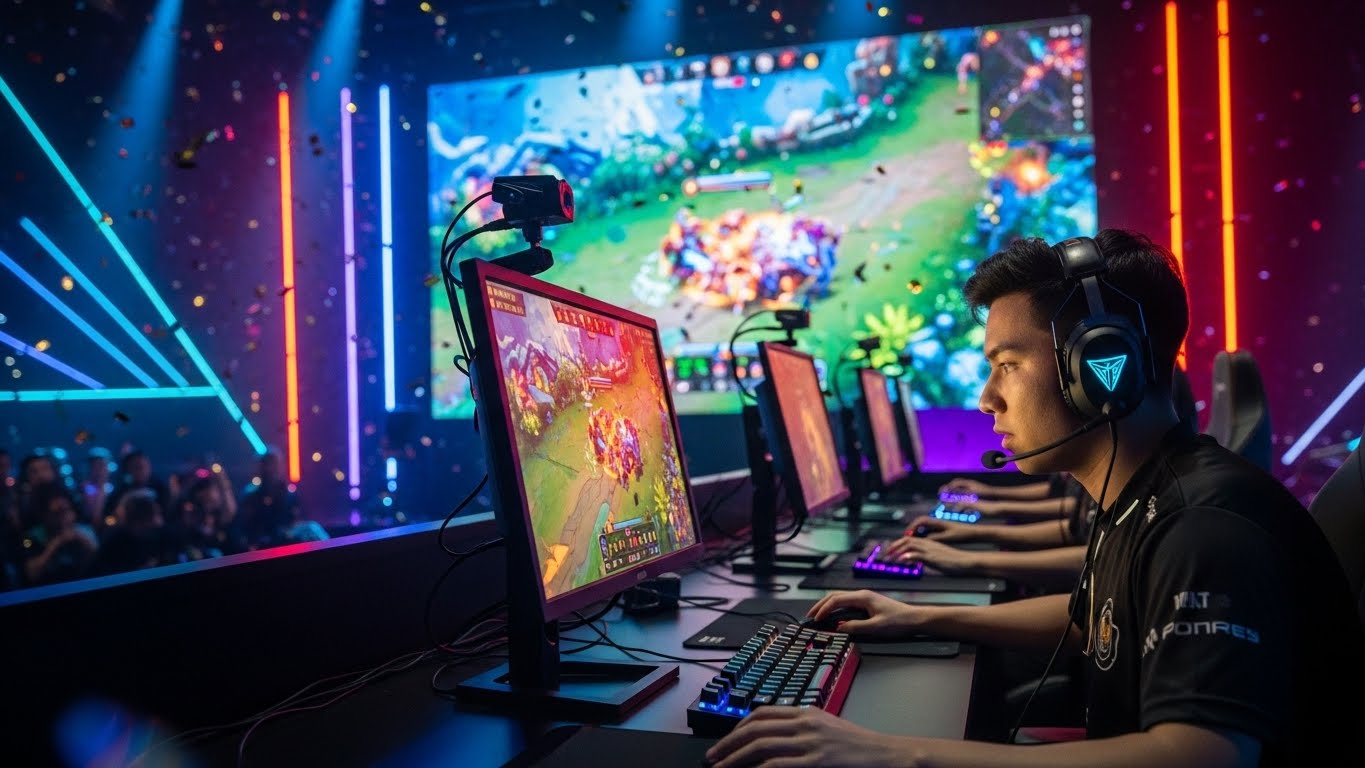
Training regimens for esports players are rigorous. Players often practice for 8-12 hours a day, competing in scrims (practice matches), reviewing gameplay footage, analyzing opponents’ strategies, and attending coaching sessions. The mental fortitude required to succeed in esports is enormous. Much like traditional athletes, esports players need to maintain a sharp focus, quick reflexes, and a high level of concentration, especially during long, high-pressure matches.
Esports players often compete in team-based games like “League of Legends,” “Overwatch,” and “Valorant,” where communication, strategy, and teamwork are just as important as individual skill. Some players may specialize in a specific role within the team, such as “carry” or “support,” while others might focus on specific aspects of the game, like map control or vision strategy. In games like “Fortnite” and “Call of Duty,” where individual skill is paramount, the focus is more on individual performance, reflexes, and quick decision-making.
However, professional esports players often face physical and mental challenges that their counterparts in traditional sports might not encounter. Long hours of gameplay can lead to physical strain, such as eye strain, poor posture, and repetitive stress injuries. Additionally, the intense pressure to perform at the highest level can lead to mental fatigue, anxiety, and burnout. As the esports industry matures, these issues are being addressed with the help of trainers, psychologists, and wellness programs designed to support players’ health and longevity in their careers.
The Business of Esports: A Multi-Billion Dollar Industry
Esports is no longer just about the players; it’s a massive business ecosystem that spans several industries, including media, technology, sponsorships, and merchandising. Esports tournaments are broadcasted on various platforms, attracting millions of viewers globally. The rise of live streaming services, particularly Twitch, YouTube, and Facebook Gaming, has played a key role in bringing esports to mainstream audiences.
The revenue generated by esports comes from several sources, with tournament prize pools, sponsorships, and media rights being the largest contributors. Major companies like Coca-Cola, Red Bull, and Intel have invested heavily in esports, sponsoring teams, events, and even individual players. These sponsorships not only provide financial support to players and teams but also help elevate the profile of esports in the public eye.
Streaming platforms have also become a major source of revenue for esports. Platforms like Twitch and YouTube generate income through ads, subscriptions, and donations from viewers. Professional players also benefit from these platforms, where they can make money by streaming their gameplay, interacting with fans, and monetizing their content.
In addition to sponsorships and media rights, esports organizations make money through merchandise sales, ticket sales to live events, and partnerships with game developers. The increasing visibility of esports has led to new opportunities for businesses to align themselves with the industry, making esports an attractive proposition for investors and brands alike.
The total value of the esports industry is expected to reach over $1 billion in revenue by the mid-2020s, and the industry’s rapid growth shows no signs of slowing down. As esports continues to expand into new markets, including Latin America, the Middle East, and Southeast Asia, it’s likely that the industry will continue to break new records in terms of viewership and revenue.
Esports and the Changing Face of Entertainment
Esports has been one of the driving forces behind the evolution of modern entertainment. The rise of gaming culture has significantly altered the way people engage with digital content. Instead of passively watching traditional sports on television, fans now have the opportunity to actively participate in the gaming community by watching live broadcasts, interacting with players, and engaging in discussions online.
The popularity of esports has led to the creation of entire networks and television channels dedicated to competitive gaming. Major broadcasters like ESPN and Fox Sports have begun airing esports tournaments alongside traditional sports events. Similarly, esports tournaments are now regularly covered by mainstream media outlets, demonstrating just how far esports has come in terms of legitimacy and recognition.
In addition, gaming platforms have introduced new ways for fans to consume content. On platforms like Twitch, YouTube Gaming, and Facebook Gaming, fans can watch live streams of tournaments and matches, as well as interact with players and other fans in real-time. The “chat” feature, a hallmark of live streaming platforms, allows fans to communicate directly with players and commentators, creating a more immersive and interactive viewing experience.
The integration of esports into popular culture is another significant development. Esports tournaments and players are increasingly featured in mainstream media, with many gamers achieving celebrity status within their respective communities. In fact, some esports players have amassed large followings on social media platforms, with millions of followers on Instagram, Twitter, and TikTok. This has led to a growing number of endorsement deals and collaborations with brands outside the gaming world.
Esports as a Global Phenomenon
One of the most appealing aspects of esports is its global nature. Unlike traditional sports, which often have regional or national boundaries, esports transcends geography, allowing players from any part of the world to compete against each other. Esports has gained immense popularity in countries like South Korea, China, the United States, and Europe, but it’s also rapidly gaining traction in emerging markets across Africa, South America, and Southeast Asia.
The international appeal of esports has created a unique opportunity for players to connect with fans and fellow competitors across borders. Major tournaments are broadcast in multiple languages, with commentators and analysts from all over the world. In fact, some of the largest esports tournaments are held in countries like South Korea, the United States, and China, attracting international audiences that watch online or attend live events in person.
The accessibility of esports is another factor that has contributed to its global success. Anyone with a computer, gaming console, or mobile phone can participate in competitive gaming, making it one of the most inclusive forms of sport. Whether you’re playing a game on your phone in a small town or competing on a high-performance PC in a major esports arena, esports allows for a level of access that traditional sports cannot match.
The Future of Esports: Where Are We Heading?
The future of esports looks incredibly bright. As technology continues to evolve, so too will the opportunities for esports. Virtual reality (VR) and augmented reality (AR) are already making their way into the gaming world, and as these technologies develop, we may see entirely new forms of esports competition emerge. The potential for cloud gaming also opens up new possibilities for players to compete without the need for expensive hardware, further democratizing access to esports.
Esports will also continue to grow as an entertainment medium. The global expansion of the industry, particularly in emerging markets, will bring in new fans, players, and investment. As more traditional sports teams and broadcasters enter the esports scene, the line between traditional sports and esports will continue to blur. We may even see esports become an Olympic sport in the future, cementing its place in the global entertainment landscape.
In conclusion, esports is not just a passing trend—it’s a transformative force in the world of entertainment and competition. With its massive global following, professional players, and multi-billion-dollar industry, esports has earned its place in the cultural mainstream. As the industry continues to evolve, there’s no telling just how far esports will go. The future of competitive gaming is bright, and we’re only at the beginning of this digital revolution.