championlounge06
Introduction: The Rapid Evolution of Esports
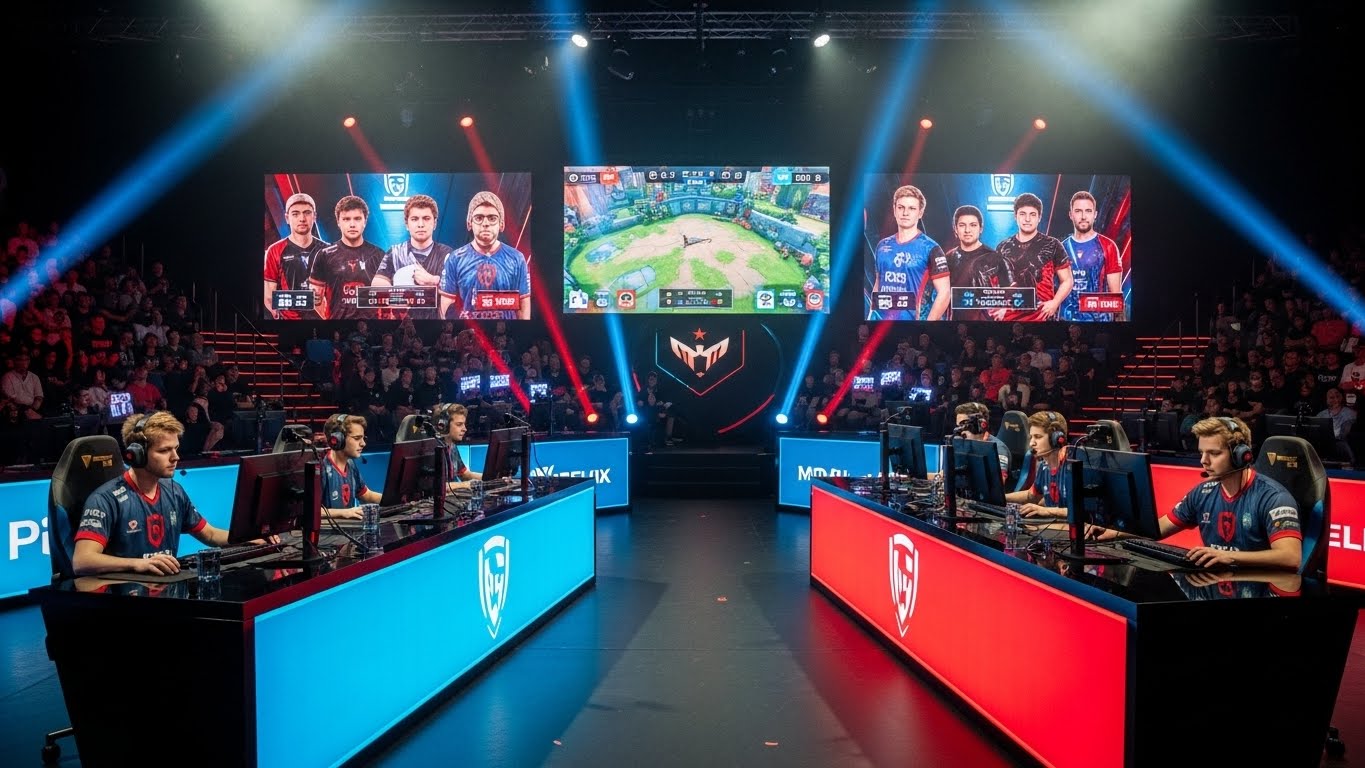
Esports, short for electronic sports, has undergone a remarkable transformation from casual hobbyist competitions to a billion-dollar global industry. What was once considered a niche activity for gamers is now an essential part of modern entertainment, attracting millions of viewers and generating revenue from various sources. The rise of esports has not only reshaped the way we view competitive gaming, but it has also introduced new career opportunities, redefined traditional sports, and created an entirely new cultural phenomenon. In this blog post, we’ll dive deep into the evolution of esports, its current impact, and its future trajectory as it continues to break barriers and push the boundaries of digital competition.
The Early Days of Competitive Gaming
The origins of esports can be traced back to the late 20th century, when video games first emerged as a form of entertainment. In the 1980s, arcade games like Pong and Space Invaders became the first venues for competitive gaming. High-score leaderboards were an early way for players to show off their skills, but formal competitions were rare.
The early 1990s, however, saw the rise of multiplayer games that allowed players to face off against each other over local area networks (LAN). Games like Doom and Quake paved the way for more structured competitions and gave birth to the first esports tournaments. These early tournaments were relatively small, and they mainly took place in LAN cafes or college dorm rooms. However, they laid the foundation for the future of esports by proving that there was a significant demand for organized, competitive gaming.
In 1997, the Red Annihilation tournament for Quake was one of the first major esports events, attracting players from all over the world. This competition marked the beginning of esports’ transition from a casual activity to a formalized sport.
The Rise of Major Esports Leagues
In the early 2000s, esports began to take on a more professional structure. The creation of large-scale tournaments like the World Cyber Games (WCG) in 2000 and Electronic Sports League (ESL) in 2002 signaled the birth of organized, international esports competitions. These tournaments helped elevate esports from small LAN parties to large-scale events that attracted top players, massive prize pools, and global audiences.
The most significant development during this period was the rise of StarCraft in South Korea. The game became a cultural phenomenon in the country, where televised competitions and professional leagues helped make esports a mainstream activity. In fact, South Korea remains one of the most esports-friendly nations, with televised gaming competitions attracting millions of viewers and transforming professional gamers into national celebrities.
The Digital Revolution: Streaming and Global Expansion
As the 2010s arrived, streaming platforms like Twitch and YouTube Gaming revolutionized how fans consumed esports content. For the first time, fans could watch live broadcasts of major esports tournaments from anywhere in the world. Streaming allowed esports to reach a global audience and created a platform for content creators, streamers, and professional players to showcase their talents.
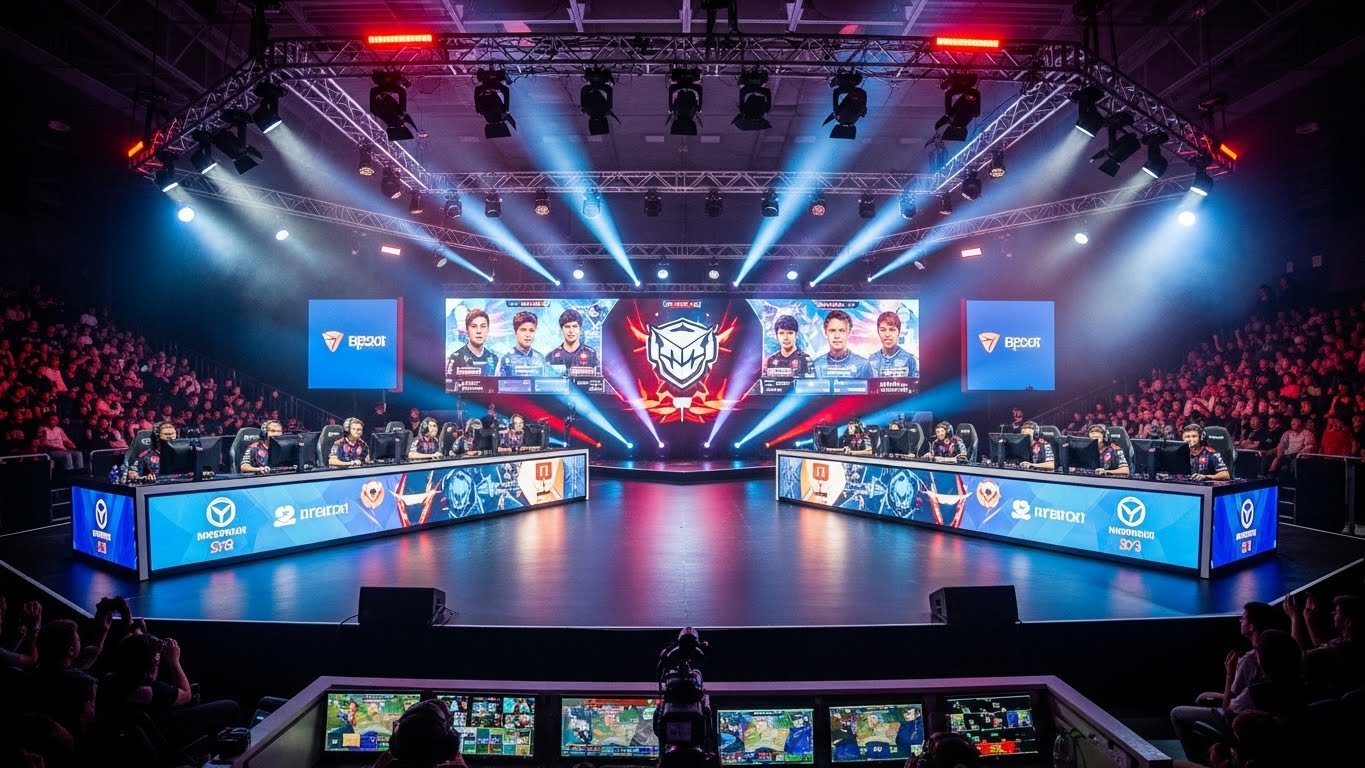
The ease of access to streaming and the growth of live broadcasting meant that esports began attracting not just fans, but also corporate sponsors, advertisers, and media companies. Esports events like the League of Legends World Championship and The International for Dota 2 began to draw audiences that rivaled major traditional sports tournaments.
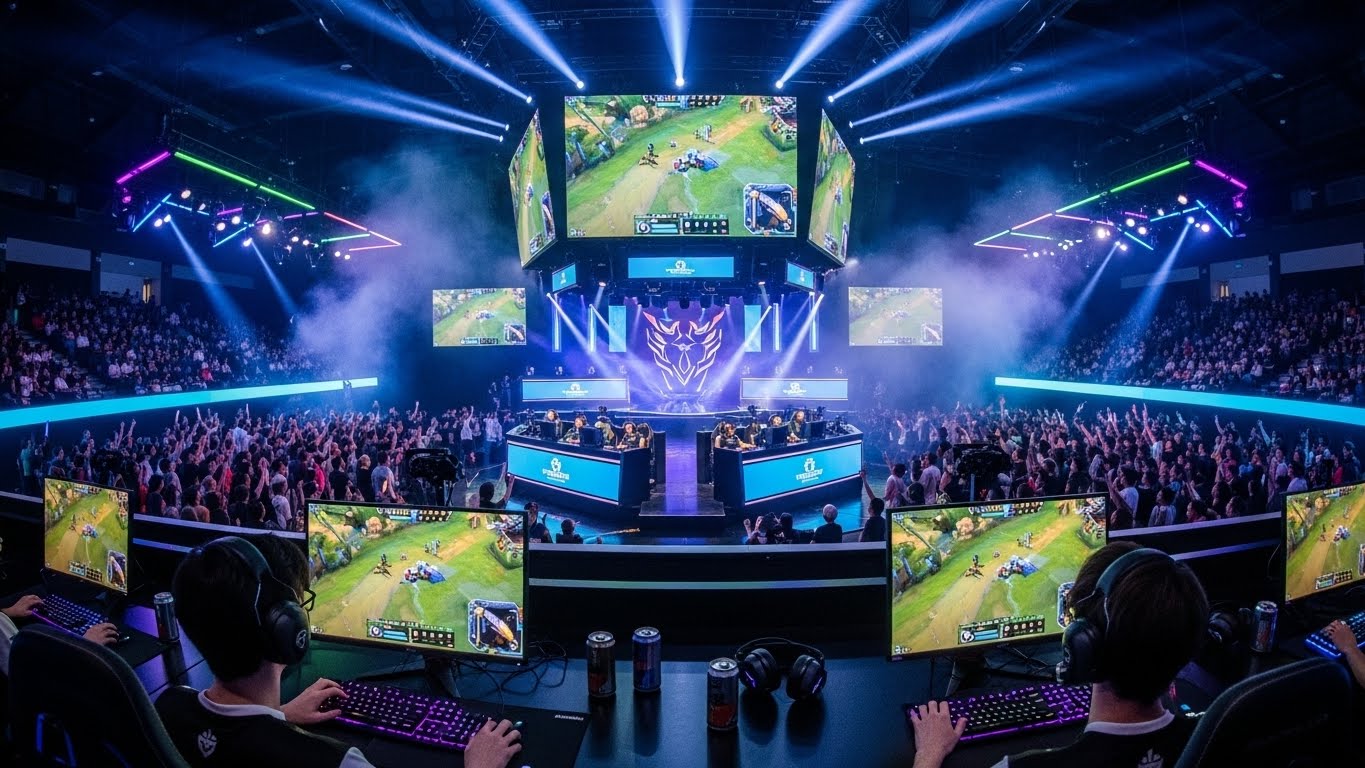
For example, in 2019, the League of Legends World Championship attracted more than 100 million viewers, surpassing viewership numbers for many major sports finals. These impressive statistics signaled that esports was no longer just a hobby but had become a legitimate, mainstream form of entertainment.
Esports as a Professional Career Path
One of the most notable shifts in the world of esports is its transition from a recreational activity to a full-fledged professional career. Players can now make a living through competitive gaming, much like athletes in traditional sports. The growth of esports has opened up new career opportunities, from playing to coaching, content creation, team management, and even broadcasting.
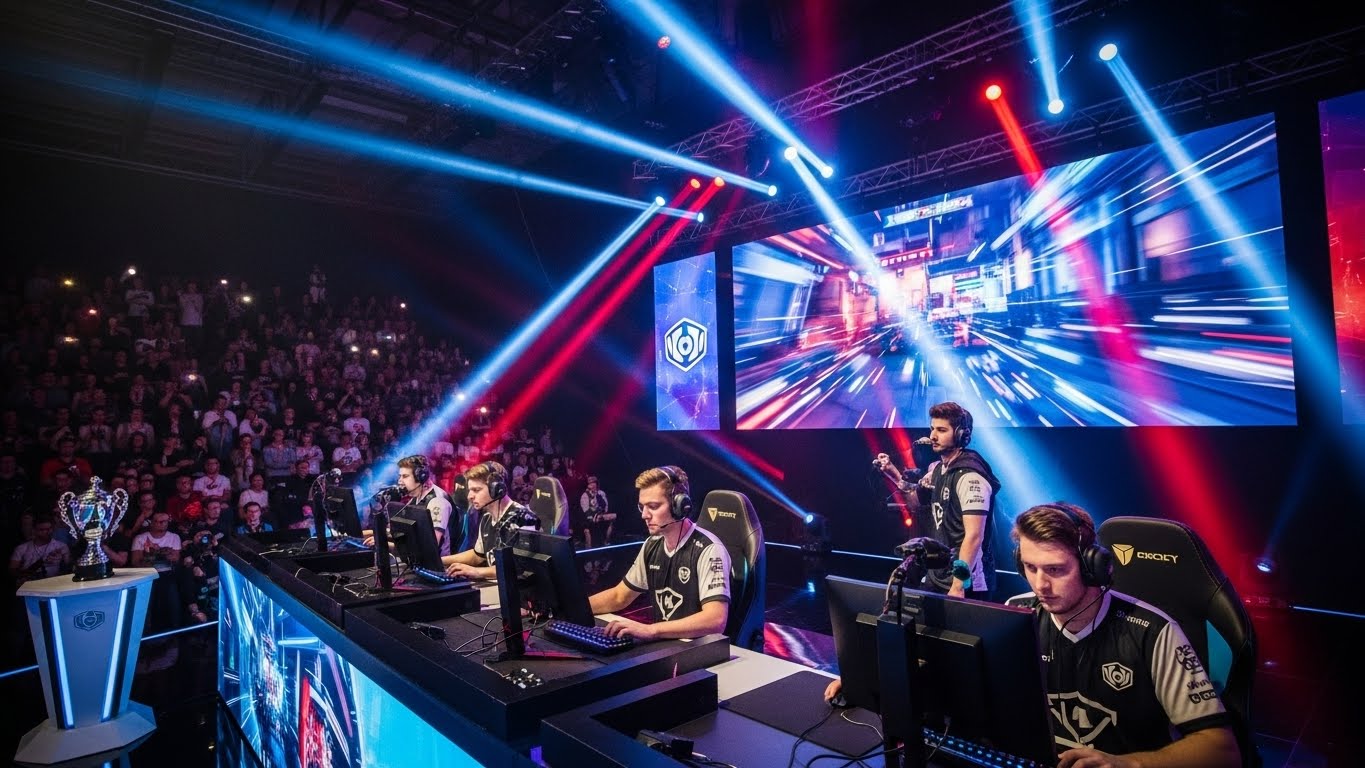
Top-tier professional players often train for hours each day, improving their reflexes, honing their strategies, and building team synergy. Esports athletes are supported by coaches and analysts, who help them optimize their performance and develop winning strategies. Much like traditional sports, esports players also need to stay in peak physical and mental condition to compete at the highest level.
In addition to individual players, the rise of esports has created a robust ecosystem of organizations and teams. Some of the most prominent esports organizations, such as Team Liquid, Cloud9, and Fnatic, have formed brands that rival those of traditional sports teams. These organizations sign top players, manage sponsorships, and even operate their own media channels.
The rise of esports as a professional career has also extended into the realm of education. In recent years, universities have started offering esports scholarships, giving talented gamers the chance to pursue higher education while also competing professionally. This trend highlights how seriously esports is taken as a career and a legitimate form of competition.
The Economic Impact of Esports
Esports is a multi-billion-dollar industry, and its financial ecosystem is growing rapidly. From sponsorships and advertising to prize pools and media rights, the economic impact of esports is undeniable. According to Newzoo, a leading gaming and esports analytics firm, the global esports industry was valued at more than $1.1 billion in 2021, with projections to grow in the coming years.
Sponsorships are the primary source of revenue for most esports teams and events. Brands ranging from major tech companies like Intel and Nvidia to consumer goods brands like Coca-Cola and Pepsi have invested heavily in esports. These sponsorships not only help finance tournaments and competitions but also promote products and services to a highly engaged audience of young, tech-savvy consumers.
Another significant revenue stream comes from advertising, particularly on streaming platforms like Twitch and YouTube. These platforms offer advertisers the opportunity to reach millions of viewers through targeted ads, which are often tailored to specific gaming interests. Additionally, merchandising plays a significant role in generating revenue for esports teams. Fans eagerly purchase jerseys, hats, and other team merchandise to support their favorite players and organizations.
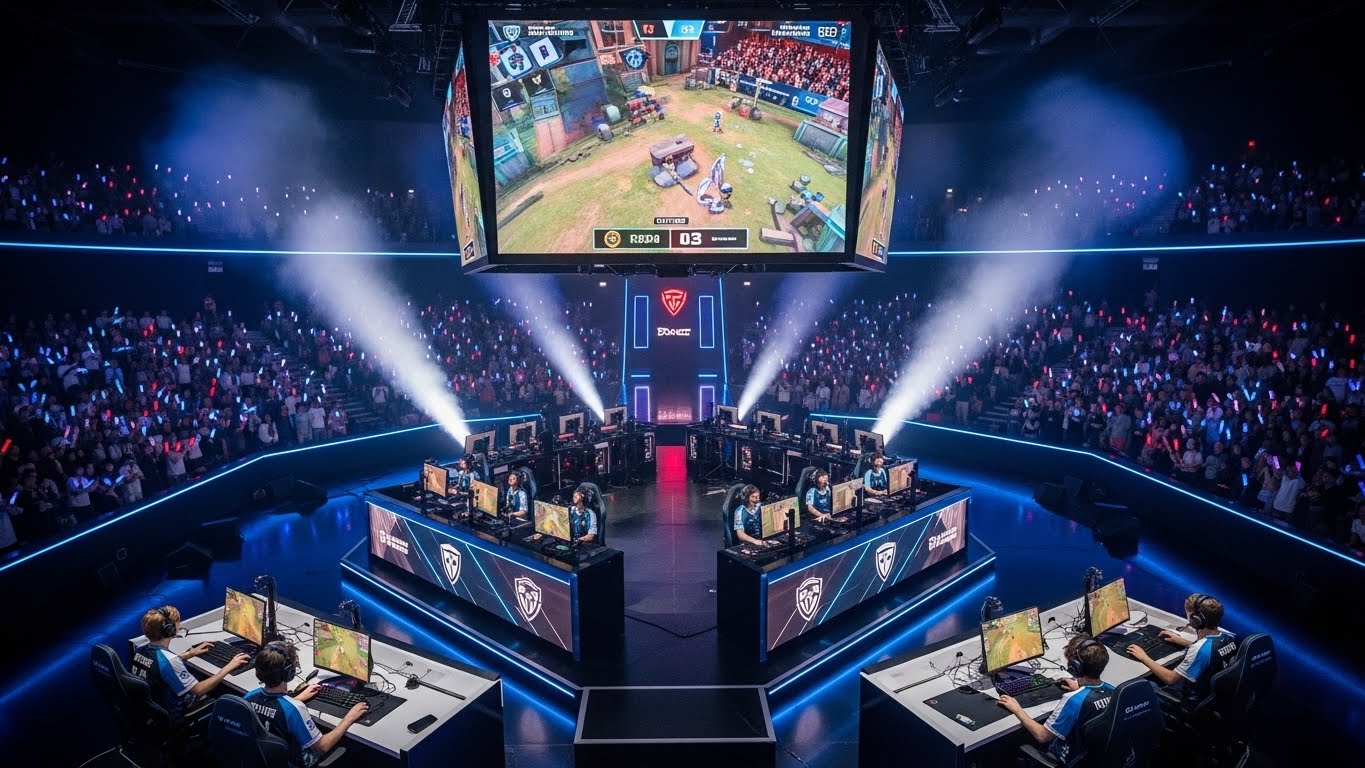
Esports also generates substantial revenue through ticket sales. Large-scale esports events like The International and League of Legends Worlds routinely sell out massive arenas, such as the Bird’s Nest in Beijing and the Staples Center in Los Angeles, with ticket prices reaching hundreds of dollars.
The Global Esports Audience
One of the most impressive aspects of esports is its global appeal. Unlike traditional sports, which may be confined to specific regions or countries, esports has transcended geographical boundaries. The advent of streaming platforms, social media, and online communities has allowed esports to flourish on a global scale.
Countries like South Korea, China, the United States, and Europe are leading the way in esports viewership and player participation, but the popularity of esports has spread across the world. In regions like Southeast Asia, Latin America, and even Africa, esports is becoming a dominant form of entertainment. The growth of mobile esports has been particularly significant in places where access to high-end gaming PCs and consoles may be limited. Mobile games like PUBG Mobile and Free Fire have become massive in developing markets, with millions of players and spectators tuning in to tournaments.
Esports’ appeal among younger demographics is another driving factor behind its global success. The average esports viewer is typically between the ages of 18 and 34, making it highly attractive to advertisers looking to reach this key audience. This demographic’s affinity for digital entertainment and online communities has contributed significantly to the rise of esports as a mainstream entertainment form.
Challenges and Controversies in Esports
While esports has undoubtedly enjoyed enormous success, it is not without its challenges and controversies. One of the most significant issues facing the industry is player burnout. Many professional esports players begin their careers at a young age and face intense pressure to perform at a high level. This can lead to mental and physical fatigue, which can impact players’ long-term careers. Esports organizations are beginning to recognize the importance of player well-being and are implementing measures such as mental health support and better work-life balance to address this issue.
Cheating and match-fixing are other persistent problems in esports. As prize pools continue to grow, the temptation for players and teams to engage in dishonest practices has increased. Esports organizations and tournament organizers are taking steps to combat cheating by implementing anti-cheat software, conducting thorough investigations, and suspending or banning violators.
Another concern is the lack of diversity in certain games and tournaments. While esports is often praised for being inclusive and accessible, the industry has faced criticism for its underrepresentation of women and other marginalized groups. Efforts to increase diversity, inclusion, and representation in esports are ongoing, with many organizations launching initiatives to make the space more welcoming to all players, regardless of gender, race, or background.
The Future of Esports
Looking ahead, the future of esports appears incredibly bright. As technology continues to advance, so too will the esports experience. The integration of virtual reality (VR) and augmented reality (AR) has the potential to take esports viewing to the next level, offering fans more immersive ways to experience their favorite games. Additionally, cloud gaming platforms such as Google Stadia and Nvidia GeForce Now are poised to make high-performance gaming more accessible, which could lead to even more players and viewers joining the esports ecosystem.