championlounge06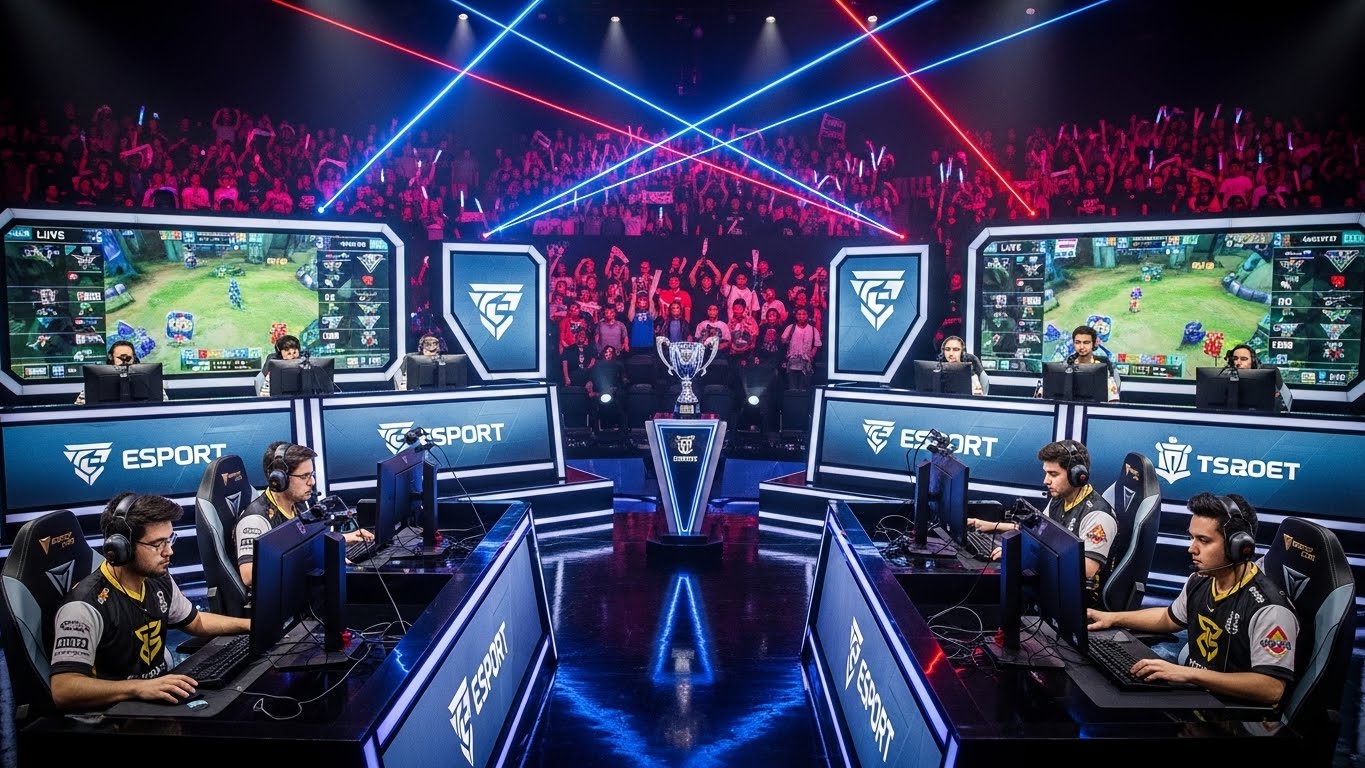
Introduction: The Rise of Esports
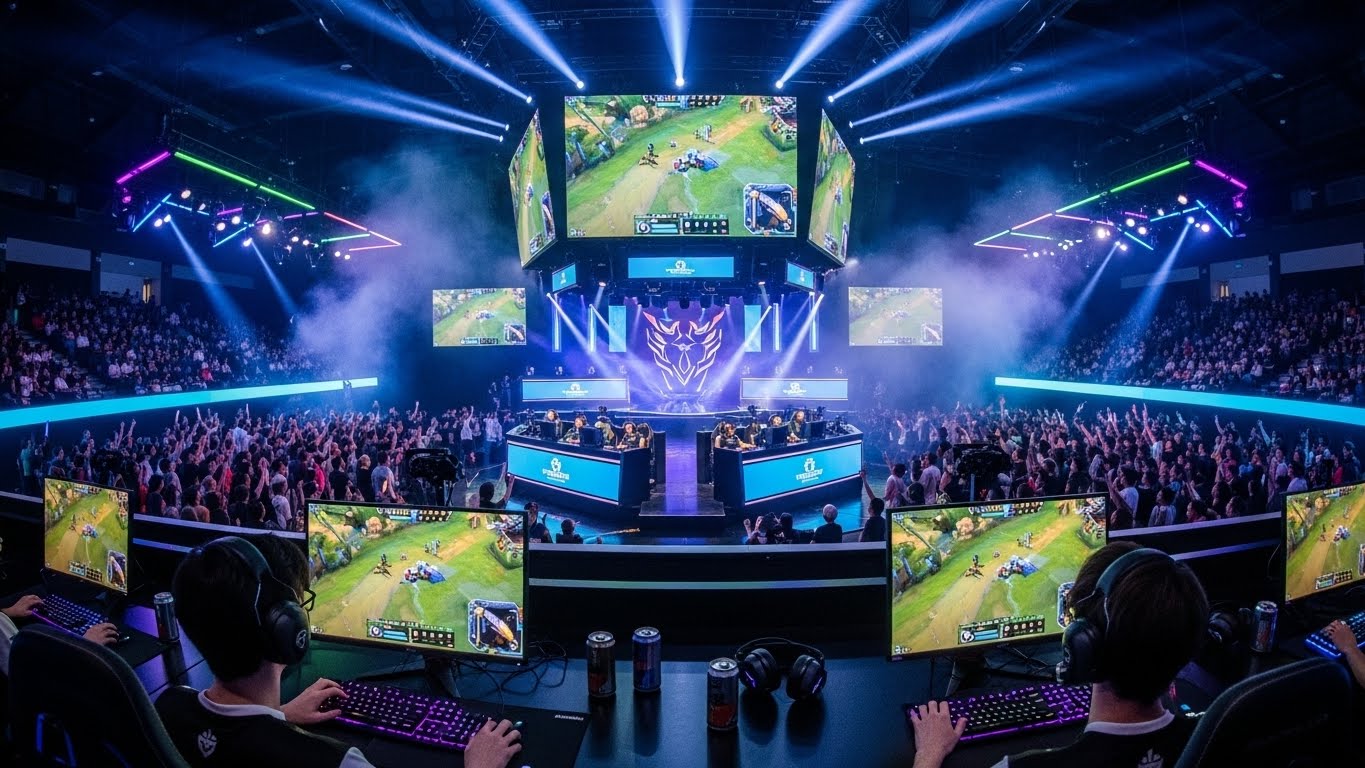
Esports, short for electronic sports, has evolved from a niche hobby into a global phenomenon that captivates millions of fans and players worldwide. What started as casual video gaming in basements and arcades has transformed into a professional industry with high-stakes tournaments, global audiences, and lucrative career opportunities. The rise of esports is redefining the way people perceive competition, entertainment, and skill. Unlike traditional sports, esports relies on digital platforms and technology, making it accessible to anyone with an internet connection. This accessibility, combined with the immersive nature of gaming, has fueled rapid growth and positioned esports as a key player in the entertainment landscape of the 21st century.
The Evolution of Competitive Gaming
Competitive gaming has a rich history, dating back to the 1970s and 1980s when arcade tournaments began gaining popularity. Early competitions focused on games like Space Invaders and Pac-Man, drawing local audiences and creating a sense of community among players. With the advent of personal computers and the internet, multiplayer gaming exploded, allowing players from different regions to compete online. Titles such as StarCraft, Counter-Strike, and Warcraft laid the foundation for modern esports, creating organized competitions and dedicated fanbases. Today, esports encompasses a wide range of genres, including first-person shooters, multiplayer online battle arenas, fighting games, and sports simulations, reflecting the diversity and creativity of the gaming world.
Why Esports Has Gained Popularity
Esports has achieved remarkable popularity due to its accessibility, entertainment value, and social engagement. Unlike traditional sports, anyone can participate without the need for expensive equipment or physical prowess, which levels the playing field. Streaming platforms and social media have allowed fans to watch live competitions, interact with players, and form online communities. The personalities of professional gamers and their unique play styles contribute to the entertainment experience, creating fan loyalty similar to that seen in traditional sports. Esports also appeals to younger generations who grew up in a digital environment, offering them a form of competition that aligns with their interests and daily routines.
The Skills Required in Esports
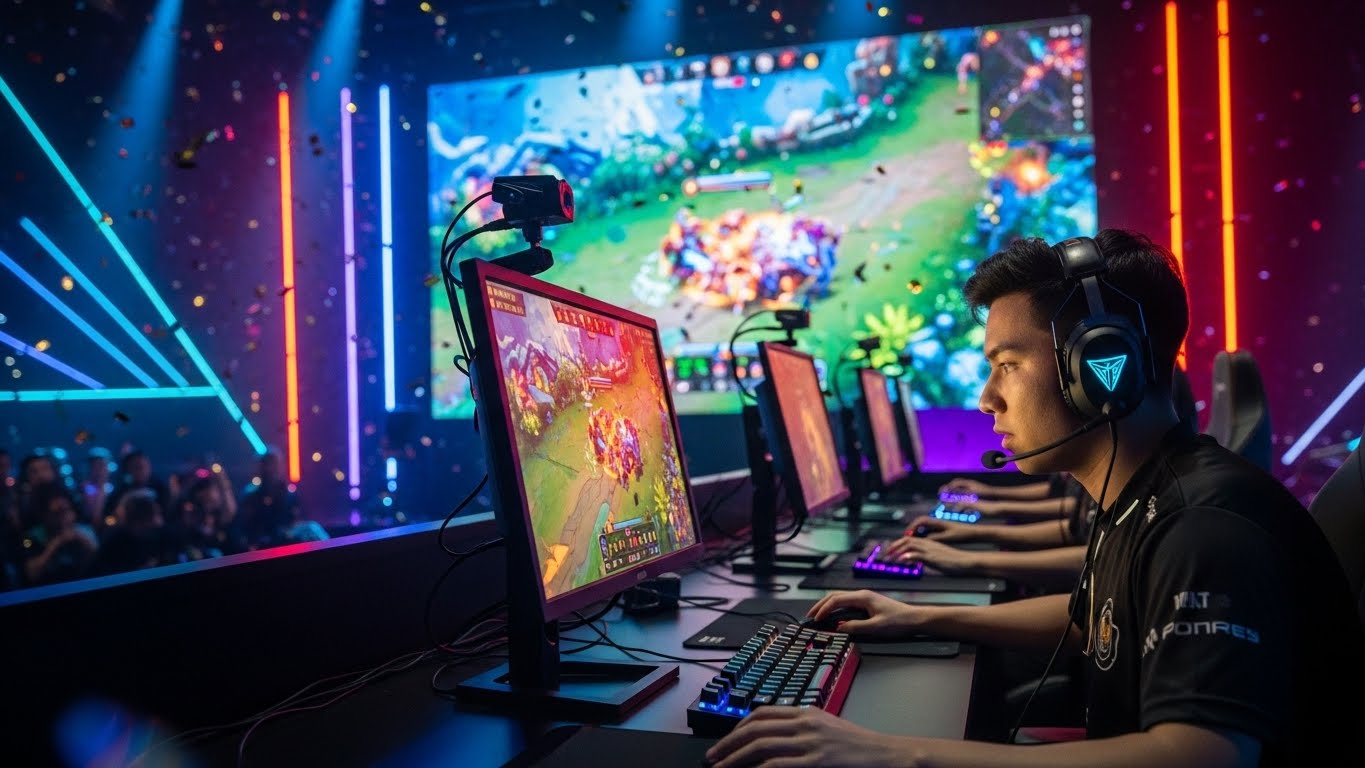
Success in esports requires a combination of physical, mental, and strategic skills. Contrary to popular belief, professional gaming demands precise hand-eye coordination, reflexes, and dexterity. Players must make rapid decisions under pressure and maintain focus for extended periods. Mental endurance, problem-solving, and strategic thinking are equally important, especially in team-based games that require collaboration and communication. Professional players train rigorously, often practicing for several hours a day to hone their mechanics, strategies, and teamwork. The mental intensity of esports parallels that of traditional sports, demanding dedication, discipline, and resilience.
Esports as a Career Opportunity
Esports has emerged as a legitimate career path with multiple avenues for success. Professional gamers can earn income through tournament winnings, sponsorship deals, streaming, and team contracts. Beyond playing, the industry offers opportunities in coaching, content creation, broadcasting, event management, and game development. Many universities and training academies now provide structured esports programs and scholarships, offering aspiring players formal pathways to develop their skills. The professionalization of esports demonstrates that it is not merely a hobby but a viable career option for those willing to invest the time and effort to excel.
The Role of Technology in Esports
Technology is at the core of esports, enabling global connectivity and immersive experiences. High-performance computers, gaming consoles, and high-speed internet allow players to compete seamlessly across continents. Advanced software tools, analytics, and AI help players and coaches analyze performance and refine strategies. Streaming platforms provide live coverage, reaching millions of viewers worldwide, while virtual reality and augmented reality are beginning to offer new dimensions of gameplay. Technology ensures that esports remains dynamic, engaging, and continuously evolving, pushing the boundaries of what digital competition can achieve.
Social Impact and Community in Esports
Esports has a profound social impact, particularly in how it fosters community and collaboration. Online gaming creates spaces where players connect, communicate, and build relationships regardless of geographic location. Esports communities often provide mentorship, friendship, and a sense of belonging, especially for individuals who may feel isolated in traditional social settings. These communities celebrate skill, creativity, and teamwork, challenging stereotypes about gamers. The inclusive nature of esports encourages participation from people of diverse backgrounds, fostering collaboration and mutual respect while emphasizing the value of shared experiences and collective achievement.
Major Tournaments and Global Recognition
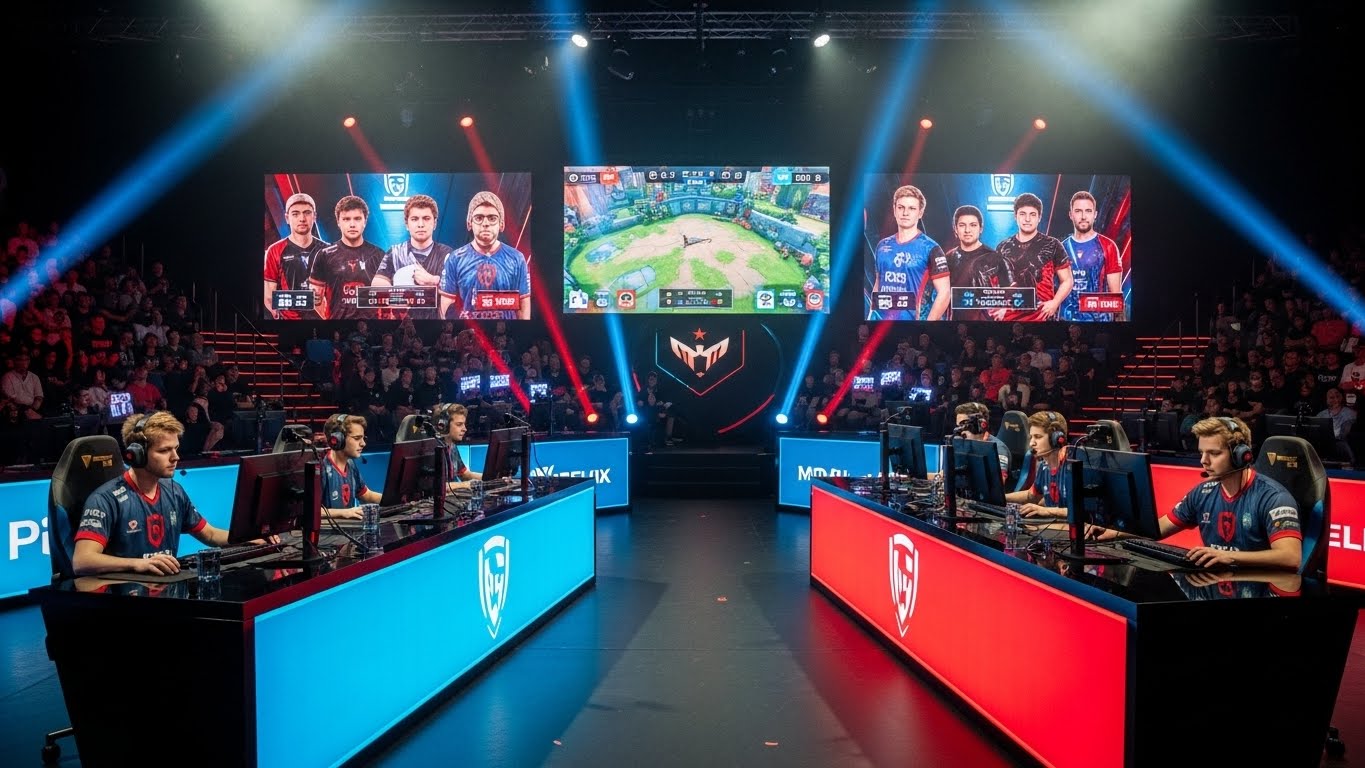
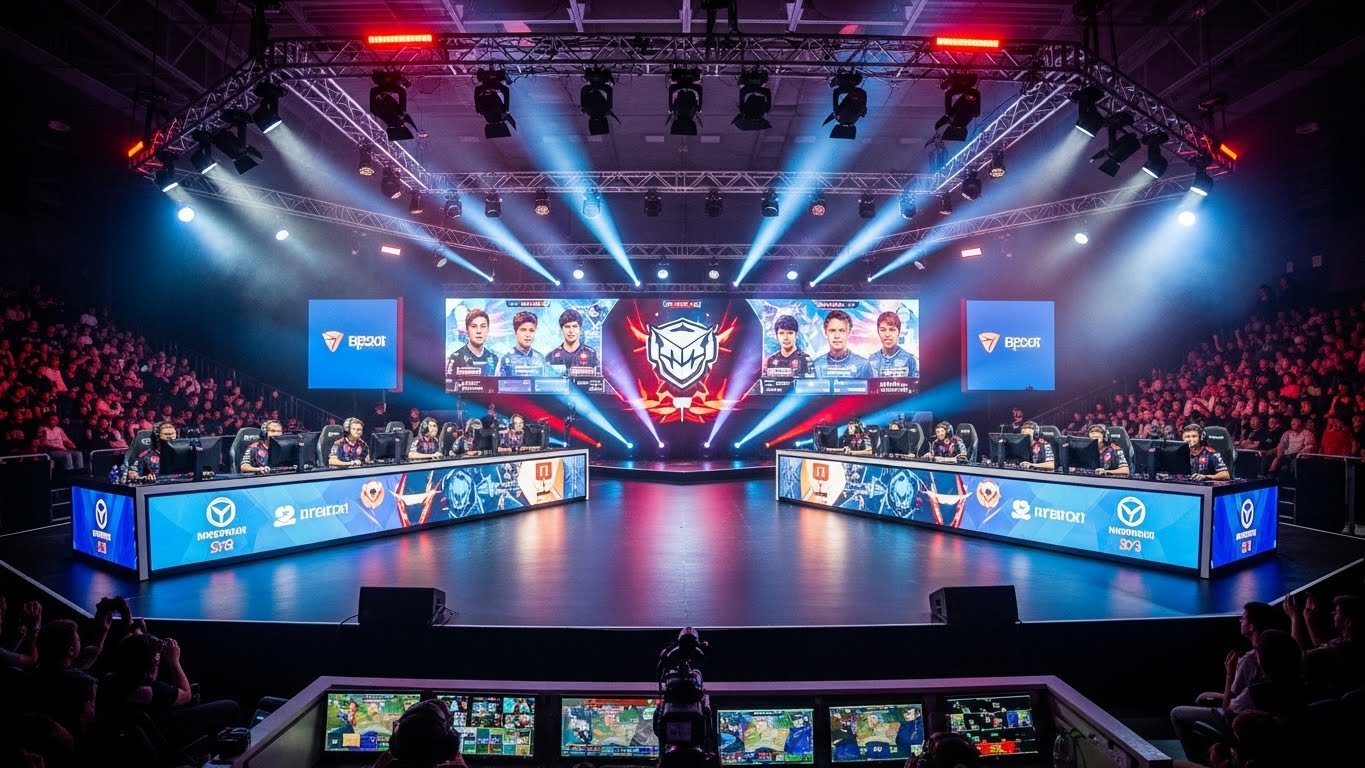
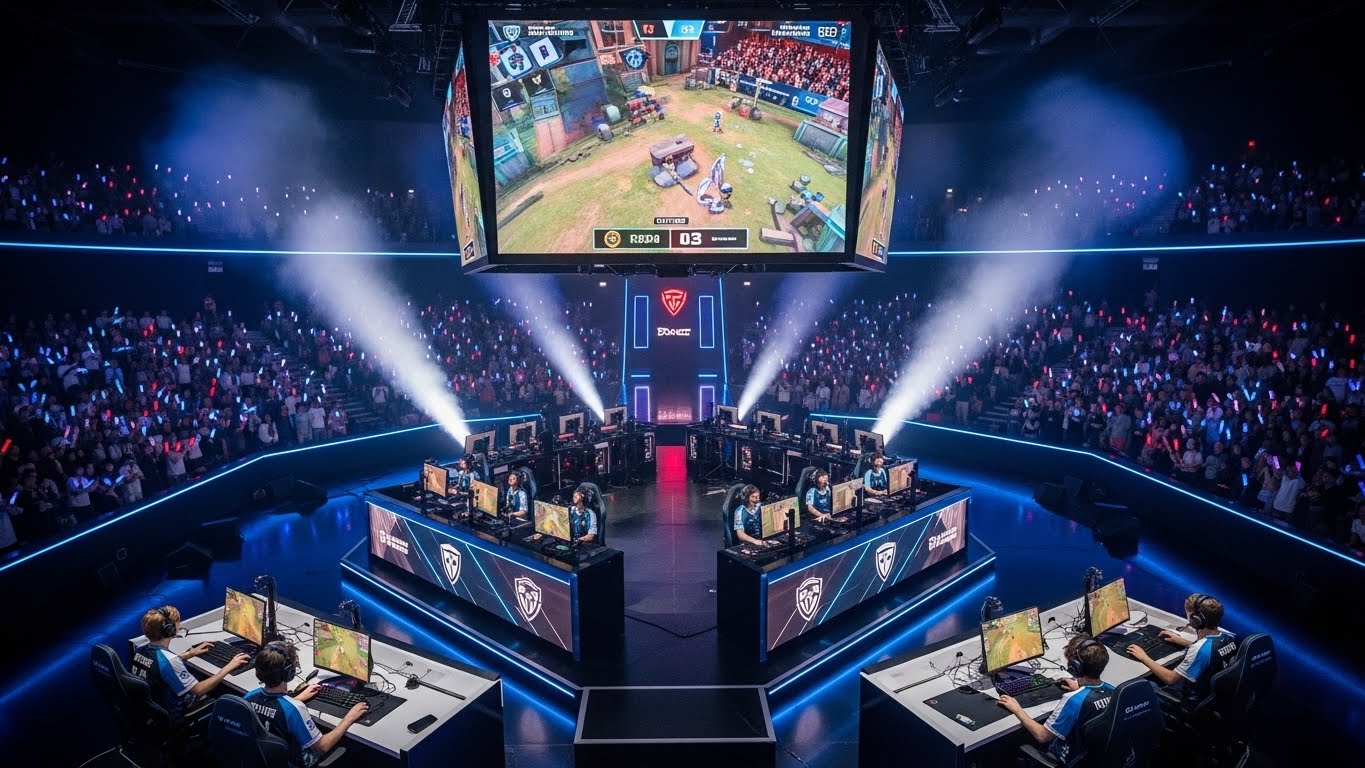
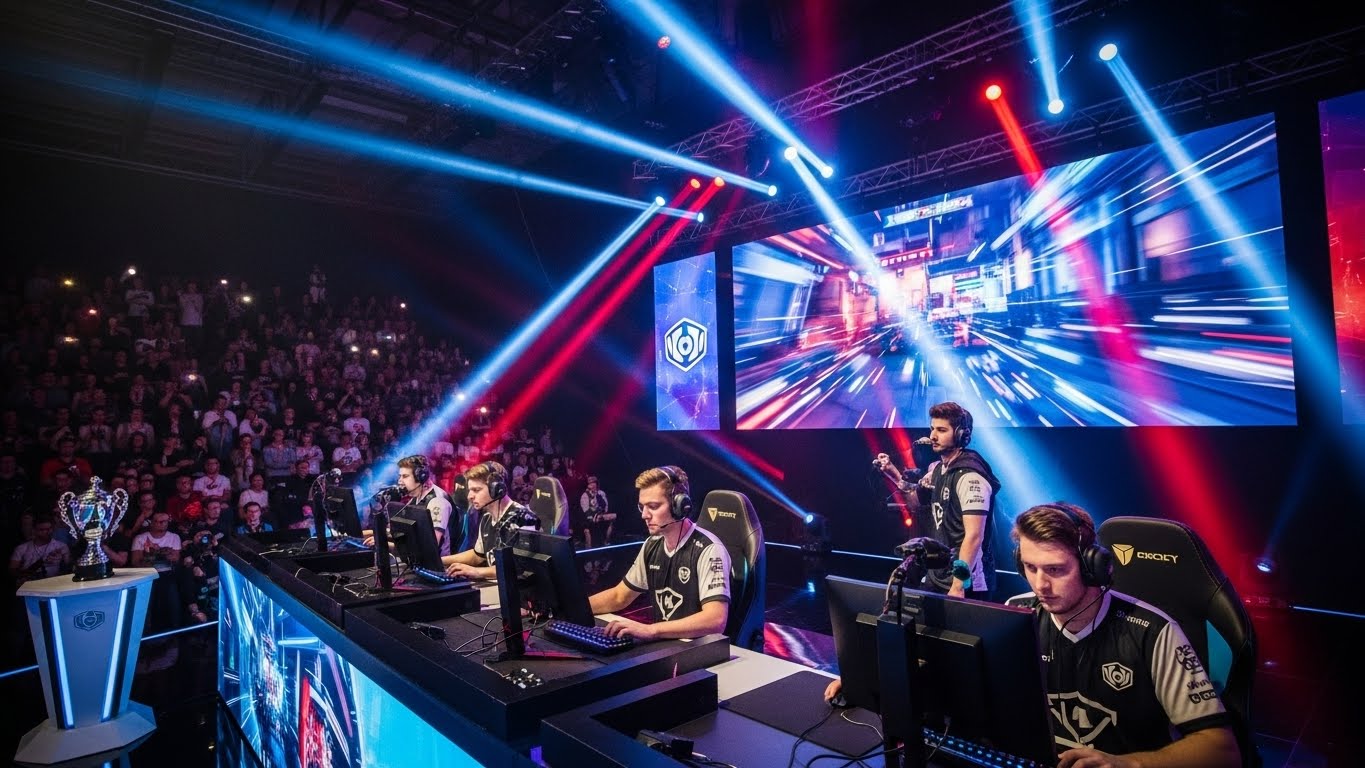
Esports tournaments have grown into major events that attract international attention. Competitions such as the League of Legends World Championship, The International for Dota 2, and the Fortnite World Cup feature multimillion-dollar prize pools and broadcast to millions of fans worldwide. These tournaments highlight strategic gameplay, teamwork, and individual skill, while offering players a platform to showcase talent on a global stage. Esports events are not only competitive but also entertainment spectacles, featuring live commentary, fan interactions, and immersive production value. They demonstrate the professionalism and dedication required to excel, elevating esports to a status comparable to traditional sports.
Esports and Education
Educational institutions have begun to recognize the value of esports in fostering personal and academic growth. Schools and universities are integrating esports programs that teach strategic thinking, communication, leadership, and teamwork. Participation in competitive gaming can improve cognitive skills, problem-solving abilities, and time management. Scholarships and collegiate competitions provide pathways for talented players to pursue higher education while honing their skills. Esports in education highlights the potential for gaming to contribute to personal development, preparing students for careers in the industry and instilling essential life skills that extend beyond the digital arena.
Challenges Facing Esports
Despite its rapid growth, esports faces several challenges. Player burnout, mental health issues, and the physical strain of long hours of training are significant concerns. Maintaining a healthy balance between practice and rest is crucial for sustainable careers. Regulatory and ethical considerations, including cheating, doping, and gambling, must be addressed to ensure fair competition. Inclusivity remains an ongoing challenge, as the industry strives to provide equal opportunities for women, minorities, and differently-abled players. Addressing these challenges is essential for the continued legitimacy, growth, and long-term success of esports as a professional and cultural phenomenon.
The Global Reach of Esports
Esports has become a truly global phenomenon, with competitive scenes thriving in Asia, North America, Europe, and beyond. Countries such as South Korea, China, and the United States have established robust esports infrastructures, producing world-class players and teams. International tournaments bring together competitors from diverse cultures, fostering global camaraderie and cross-cultural exchange. The worldwide appeal of esports highlights its ability to unite people through shared passion, transcending language, geography, and societal boundaries. As internet access expands, esports will continue to grow, offering opportunities and entertainment to an increasingly diverse audience.
The Future of Esports
The future of esports is bright, with continued technological advancements, mainstream acceptance, and expanding educational programs driving growth. Emerging trends such as mobile esports, virtual reality competitions, and adaptive gaming for differently-abled individuals are broadening the scope of participation. Esports is also increasingly integrating with traditional sports, creating hybrid experiences and new forms of entertainment. As the industry evolves, it will continue to influence culture, careers, and social interaction, proving that competitive gaming is more than a pastime—it is a transformative force shaping the digital age.
Conclusion: Esports as a Cultural Revolution
Esports is no longer just a form of entertainment; it is a cultural phenomenon that combines skill, strategy, technology, and community. It has created new opportunities for players, reshaped the entertainment industry, and challenged traditional notions of competition. Beyond gaming, esports fosters personal growth, global connectivity, and inclusivity, making it a powerful force in modern society. As it continues to evolve, esports will redefine how people compete, collaborate, and celebrate achievement in the digital era. The rise of esports demonstrates that the virtual world is not merely a space for leisure, but a dynamic arena where talent, dedication, and innovation converge to shape the future of competition.