championlounge06
Introduction
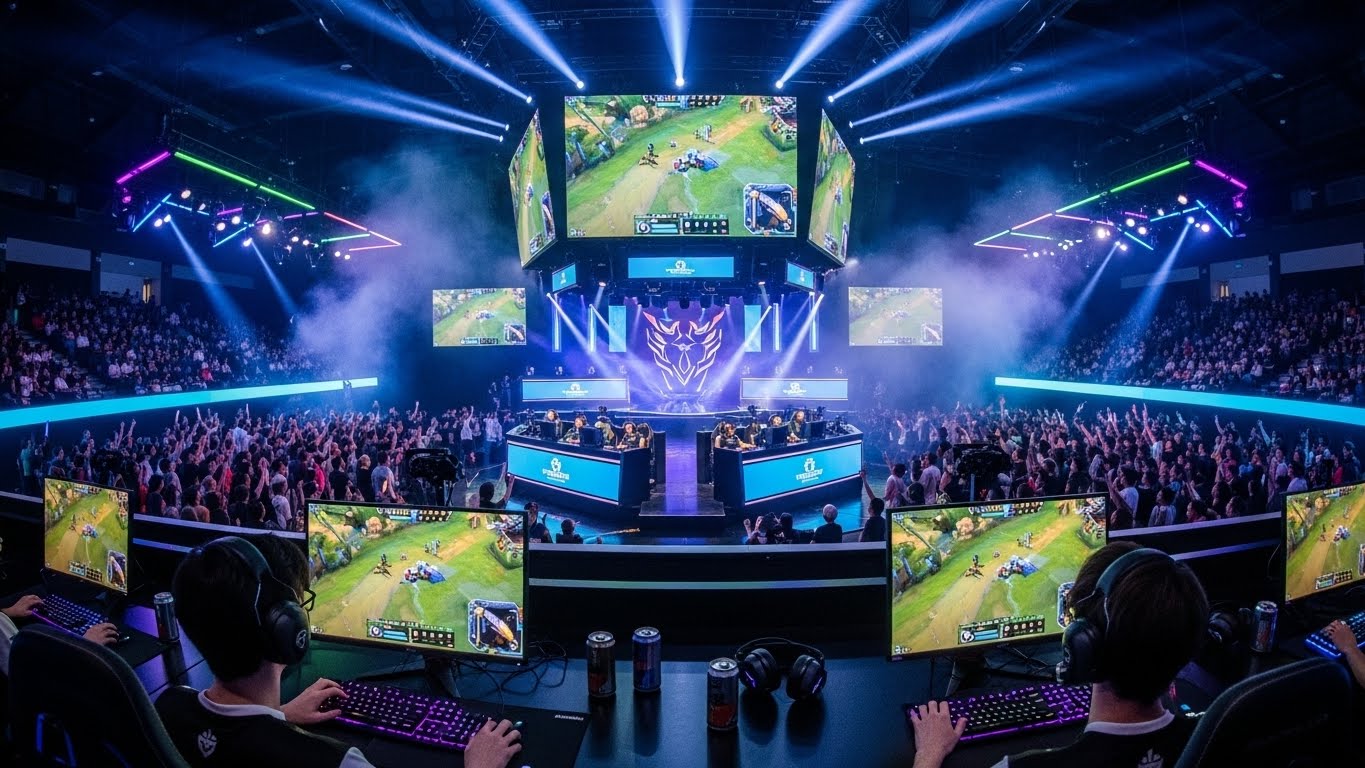
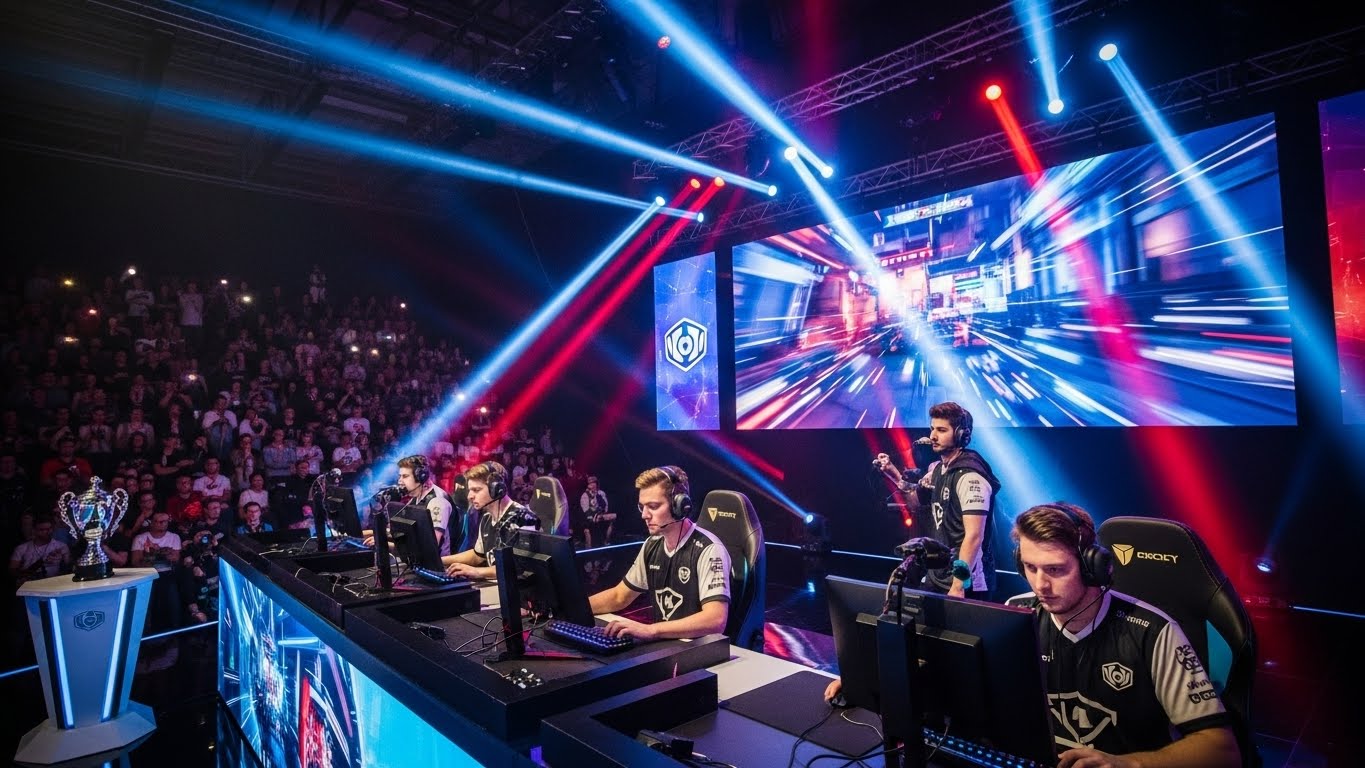
Esports, short for electronic sports, has evolved from being a casual hobby into a global phenomenon that attracts millions of players, fans, and investors. What was once a niche activity limited to small gaming communities is now a multibillion-dollar industry recognized on the same level as traditional sports. The journey of esports has been extraordinary, driven by technological advancements, passionate gamers, and the continuous expansion of digital entertainment. Today, esports is not just about gaming—it is about culture, competition, community, and opportunity.
The Early Days of Esports
The roots of esports can be traced back to the late 1970s and early 1980s when video gaming first began to capture public attention. The first recognized video game competition took place at Stanford University in 1972, where students competed in the game “Spacewar.” While the prize was modest—a year’s subscription to a magazine—it marked the beginning of organized video game competition.
In the 1980s, arcade gaming became a major trend, and games like Pac-Man, Donkey Kong, and Space Invaders encouraged players to compete for the highest scores. Competitive gaming slowly started to gain structure as companies like Atari began hosting official tournaments. The 1980 “Space Invaders Championship” attracted over ten thousand participants, demonstrating that the public had an appetite for video game competition long before online gaming even existed.
The Technological Revolution
The 1990s ushered in the era of the internet and personal computing, transforming the way people played games. With the rise of local area networks (LANs), gamers could connect their computers and compete in real-time, fostering a stronger sense of community and rivalry. Games like Doom, Quake, and StarCraft played a crucial role in shaping early esports culture.
Quake tournaments, especially those hosted by id Software, brought competitive gaming into the spotlight. Players began to travel to events and form teams, laying the foundation for professional gaming. In South Korea, StarCraft became a national obsession, with television channels dedicated to broadcasting matches. This marked the first time esports gained mainstream cultural significance, turning players into celebrities and solidifying esports as a legitimate form of entertainment.
The Birth of Modern Esports
As the 2000s began, broadband internet, improved graphics, and global connectivity revolutionized gaming once again. Online multiplayer games such as Counter-Strike, Warcraft III, and Dota became immensely popular, attracting competitive players worldwide. During this period, esports organizations started to form, sponsorships began to emerge, and tournaments became more structured.
Platforms like Major League Gaming (MLG) in North America and World Cyber Games (WCG) in Asia played a vital role in professionalizing esports. These organizations introduced standardized rules, prize pools, and global competition formats, bringing legitimacy to what was once considered a niche pastime.
The introduction of streaming platforms later in the decade—most notably Twitch—completely transformed esports viewership. Fans could now watch their favorite players live, interact in real-time, and become part of an ever-growing global community. Esports was no longer limited to those who played; it had become a form of digital entertainment for millions.
The Expansion of Esports Titles
One of the key factors that contributed to the rise of esports was the diversity of competitive games. Unlike traditional sports, esports is not bound to a single type of competition. Different genres cater to different audiences and skill sets.
First-person shooters like Counter-Strike: Global Offensive and Call of Duty focus on strategy, precision, and teamwork. Multiplayer online battle arena (MOBA) games such as League of Legends and Dota 2 emphasize strategic depth, coordination, and resource management. Battle royale titles like Fortnite and PUBG brought in a new wave of excitement, combining survival gameplay with competitive tension. Sports simulation games like FIFA and NBA 2K allowed traditional sports fans to connect with esports in familiar ways.
Each of these genres cultivated its own competitive scene, complete with professional players, teams, and international tournaments. The result was a vibrant ecosystem that appealed to a wide variety of audiences and maintained consistent growth across different gaming genres.
The Globalization of Esports
Esports has become one of the most globalized forms of entertainment in history. Unlike many traditional sports, which have regional popularity, esports has found passionate communities on every continent. South Korea remains a central hub, with its early investment in gaming infrastructure and strong cultural acceptance of esports as a profession. China has also emerged as a powerhouse, hosting massive tournaments and developing world-class teams.
In North America and Europe, esports has become a mainstream entertainment option. Universities now offer esports scholarships, stadiums host live events, and major sports franchises invest in esports organizations. Meanwhile, regions like Southeast Asia, the Middle East, and Latin America are rapidly expanding their esports industries, driven by mobile gaming and increasing internet accessibility.
This global reach has created opportunities for cultural exchange, international competition, and economic growth. Esports events now attract fans from across the world, and the shared passion for gaming transcends language and geography.
The Role of Technology and Streaming
The rapid advancement of technology has been the backbone of esports’ success. High-speed internet, advanced graphics, and sophisticated gaming hardware have made competitive gaming more accessible and immersive than ever before. But perhaps the most revolutionary development has been the rise of streaming.
Platforms like Twitch, YouTube Gaming, and Facebook Gaming have democratized esports broadcasting. Anyone can watch, participate, or even start their own channel. The accessibility of live streaming has turned professional gamers into influencers and entertainers. Fans don’t just follow tournaments; they follow personalities.
Streaming has also allowed esports to grow organically. Instead of relying solely on traditional media, the community has built its own ecosystem. Streamers, commentators, analysts, and fans have all contributed to a vibrant digital culture that continues to expand.
The Professionalization of Esports
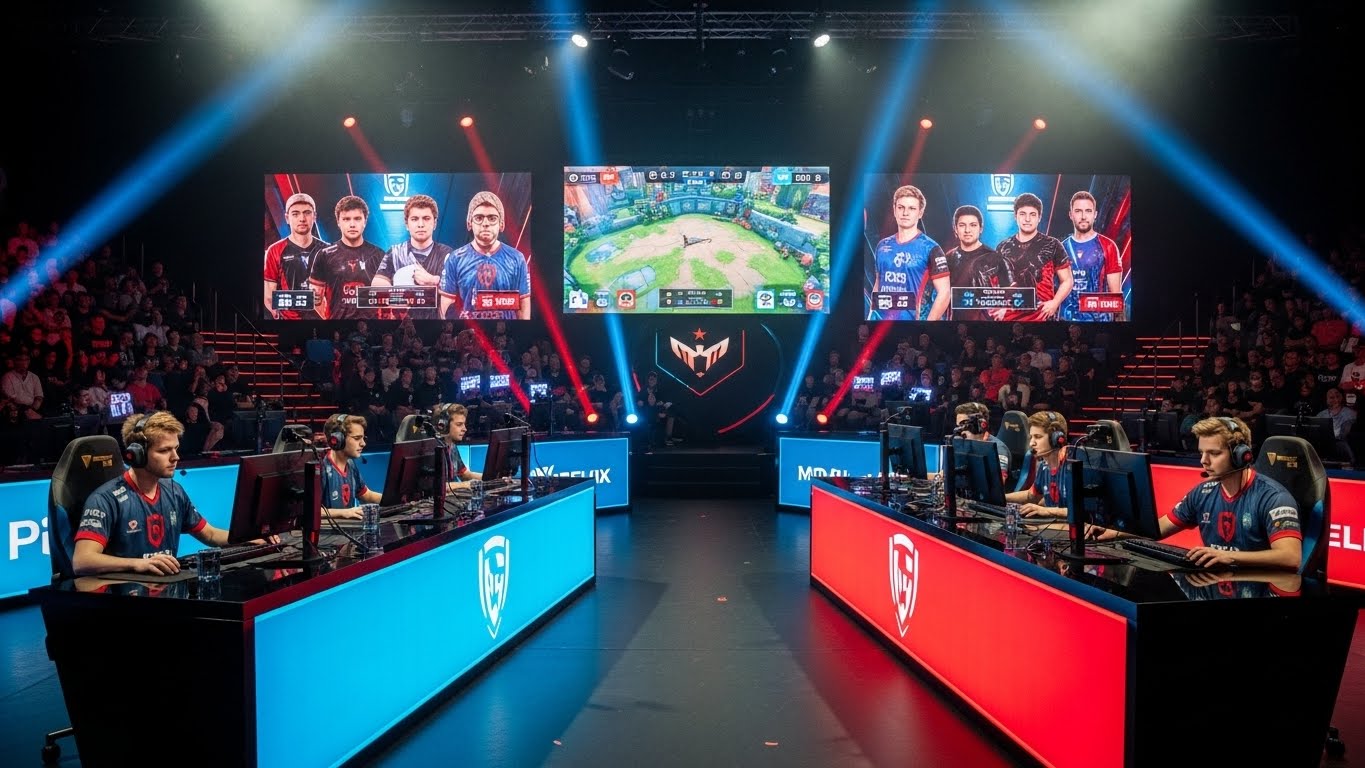
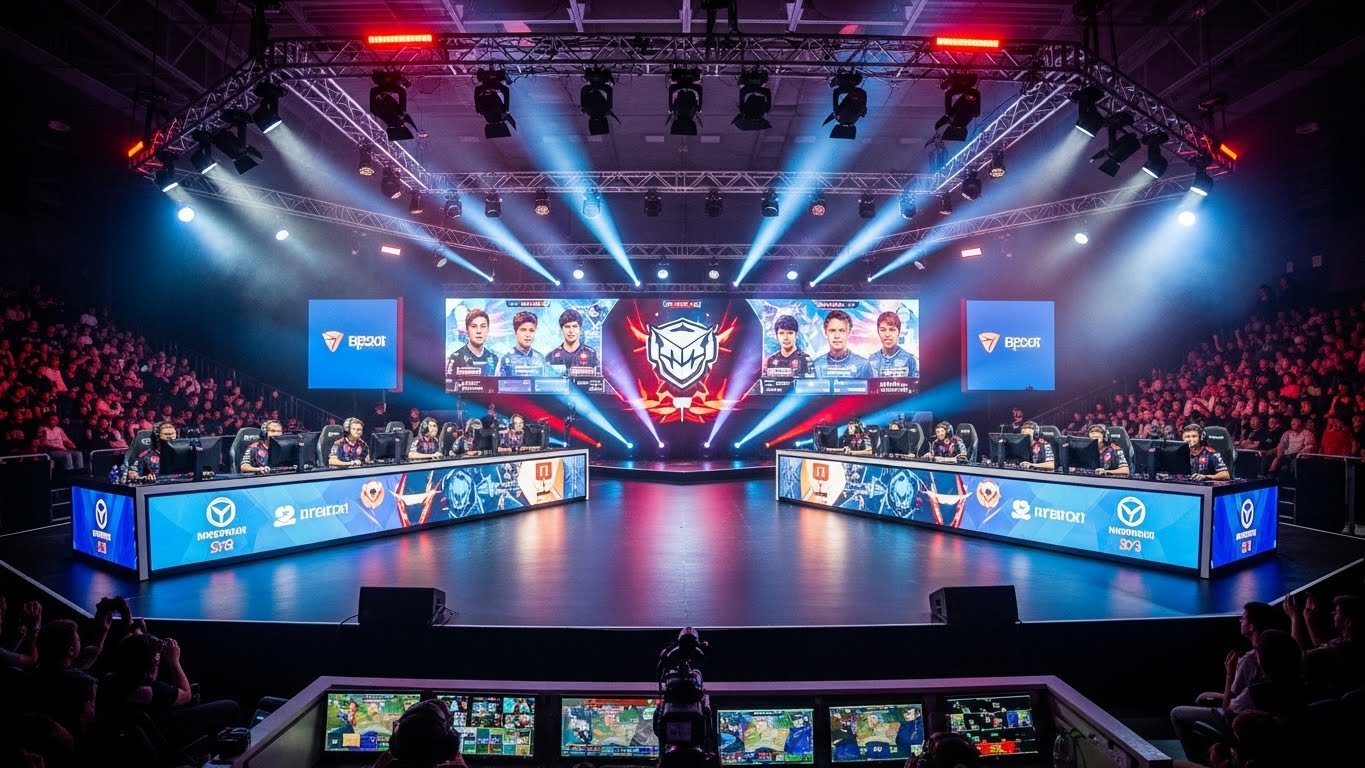
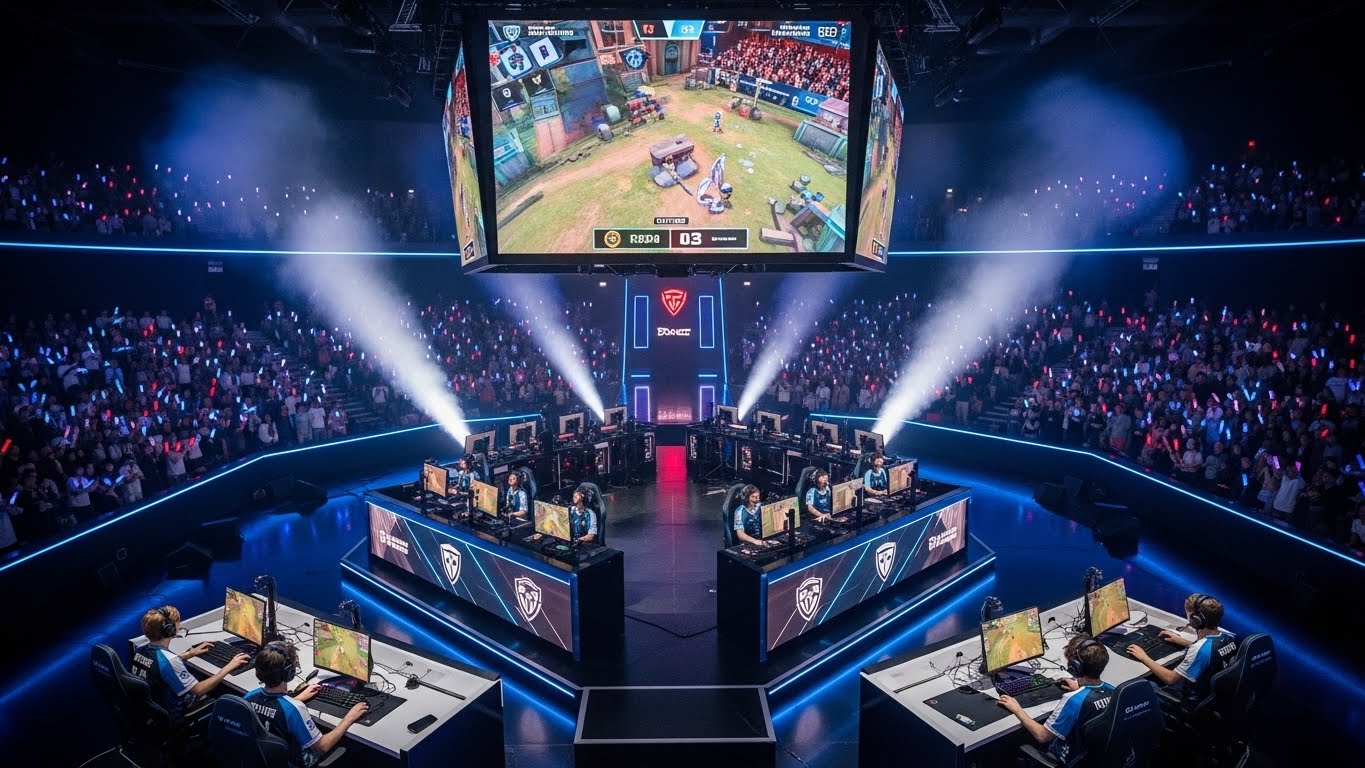
As esports grew in popularity, so did its professionalism. Teams now operate like traditional sports organizations, with coaches, analysts, nutritionists, and mental health professionals. Players sign contracts, receive salaries, and represent sponsors. Major tournaments offer prize pools in the millions, and live events fill stadiums with cheering fans.
Franchised leagues, such as the Overwatch League and the League of Legends Championship Series, have further formalized the competitive structure. These leagues operate similarly to professional sports leagues, with team ownership, player drafts, and revenue sharing. This level of organization has helped attract investment from major brands, celebrities, and even traditional sports clubs.
The esports industry now employs thousands of professionals beyond the players themselves—commentators, event organizers, marketers, and production teams all contribute to making the scene run smoothly.
Esports and Education
The educational sector has also recognized the value of esports. Many universities and high schools now offer esports programs, scholarships, and degrees related to game design, management, and broadcasting. These programs teach students teamwork, leadership, communication, and strategic thinking—skills that are highly relevant beyond gaming.
Some institutions even have dedicated esports arenas and competitive teams that represent the school in national tournaments. This academic involvement has helped legitimize esports further and introduced it to younger generations in a structured and positive way.
The Economic Impact of Esports
Esports has become one of the fastest-growing industries in the world, generating billions of dollars annually. Revenue streams come from sponsorships, advertising, merchandise, ticket sales, and digital media rights. Major companies across technology, energy drinks, apparel, and entertainment have invested heavily in esports sponsorships.
Events like The International (for Dota 2) and the League of Legends World Championship draw millions of viewers and offer record-breaking prize pools. These tournaments not only boost the global economy but also influence tourism, local business growth, and job creation.
The digital economy surrounding esports has also flourished. Content creators, streamers, analysts, and event organizers benefit from the expanding ecosystem. The result is a self-sustaining industry that continues to innovate and grow year after year.
The Social and Cultural Influence
Esports has transcended entertainment and entered the realm of social culture. It has changed how people socialize, compete, and communicate. Online gaming communities are now global meeting points for people of different backgrounds and nationalities. Esports has also contributed to breaking stereotypes about gamers, proving that gaming can be a legitimate career and a source of personal achievement.
Moreover, esports has become a unifying force among young people. It promotes teamwork, strategic thinking, and problem-solving. It has also inspired countless fans to pursue careers in technology, media, and creative industries.
The cultural impact extends to fashion, music, and lifestyle as well. Collaborations between esports organizations and global brands have created a new hybrid identity that merges gaming culture with mainstream trends.
The Challenges Facing Esports
Despite its success, esports faces several challenges. One of the major issues is player burnout, as professional gamers often undergo intense training schedules that can affect their mental and physical health. Maintaining a sustainable career in esports requires better support systems and awareness of wellness.
Another concern is regulation. Because esports is a global industry, it lacks a unified governing body. Issues such as match-fixing, doping, and inconsistent rules can affect its credibility. Establishing standardized regulations will be essential for the industry’s long-term stability.
Monetization and inclusivity are also ongoing topics. While esports has created opportunities for many, it still faces criticism regarding representation, accessibility, and gender diversity. Ensuring that esports remains inclusive will be crucial for its continued growth.
The Future of Esports
Looking ahead, the future of esports appears brighter than ever. With advances in virtual reality, augmented reality, and artificial intelligence, the gaming experience will continue to evolve. New technologies could create more immersive and interactive forms of competition.
Mobile esports, in particular, is expected to dominate emerging markets, as smartphones become more powerful and affordable. Esports could also become part of major international sporting events in the future, further solidifying its position as a legitimate sport.
Education and career opportunities in esports will expand, and governments may begin to regulate and support the industry more actively. As global connectivity improves, esports will continue to bridge cultures and inspire innovation.
Conclusion
Esports has come a long way from its humble beginnings in arcades and college basements. It has become a global industry, a cultural movement, and a new form of entertainment that resonates with millions. More than just games, esports represents dedication, skill, and community. It reflects how far technology and human creativity can go when combined.
The rise of esports is not just about competition—it’s about evolution. It symbolizes how the digital age has reshaped entertainment, culture, and opportunity. As we look to the future, one thing is certain: esports will continue to grow, inspire, and redefine what it means to play, compete, and connect in the modern world.