championlounge06
Introduction to Esports
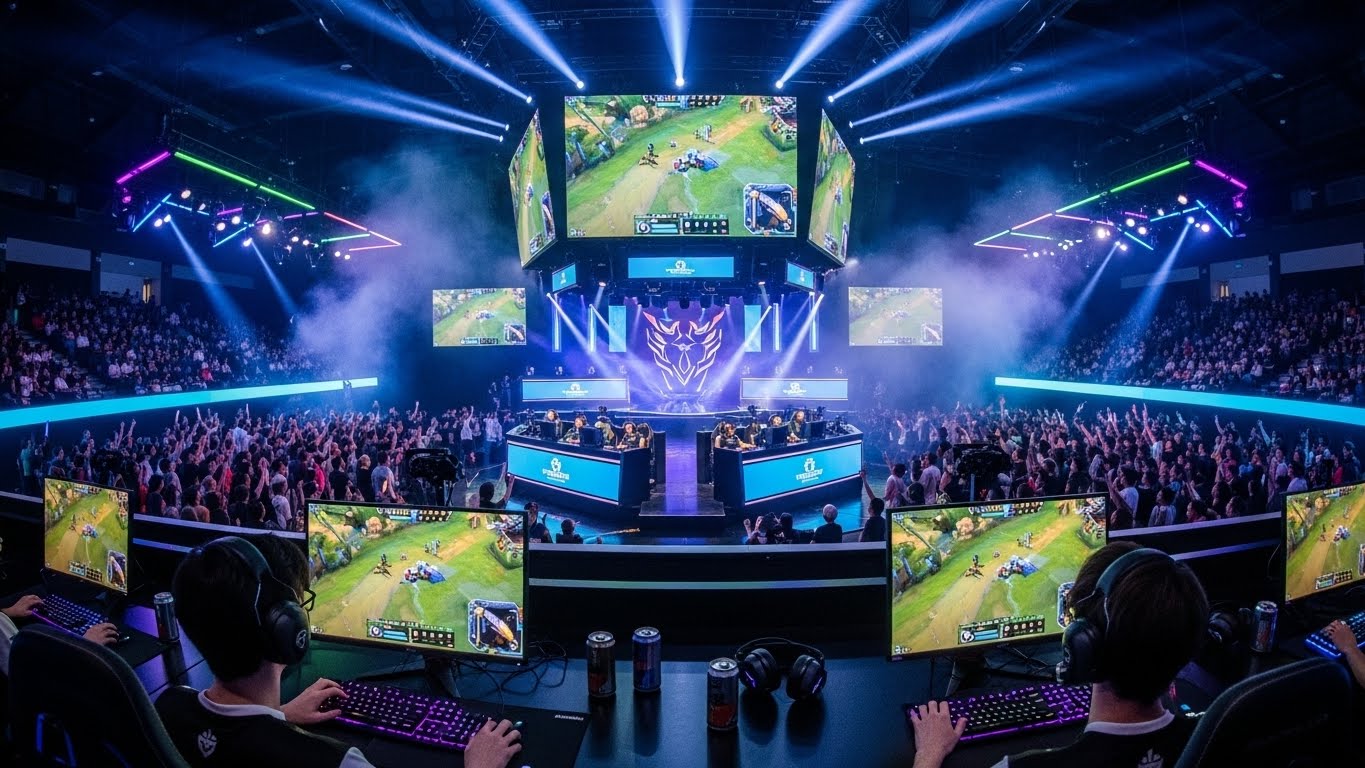
Esports, short for electronic sports, has rapidly become one of the most significant phenomena in modern entertainment. What once began as casual gaming competitions among friends has evolved into a billion-dollar global industry. Today, Esports represents the fusion of technology, culture, competition, and entertainment. Millions of fans worldwide tune in to watch professional players compete in games ranging from first-person shooters to strategic battle arenas. Esports is no longer just a pastime; it has become a legitimate form of professional sport, complete with sponsorships, global tournaments, and celebrity players.
The Origins of Esports
The history of Esports dates back to the early days of video gaming in the 1970s. One of the first recorded gaming competitions occurred at Stanford University in 1972, where players competed in the game “Spacewar.” The winner received a year’s subscription to a magazine, and although small in scale, it marked the birth of competitive gaming. As arcade gaming and home consoles became more widespread in the 1980s, so too did competitive gaming culture. Games like “Pac-Man” and “Donkey Kong” saw players vying for the highest scores, while early computer games such as “Doom” and “Quake” introduced the concept of multiplayer competition.
By the 1990s, the internet began to change everything. Multiplayer gaming moved online, allowing players from around the world to face off without being in the same location. This development paved the way for organized Esports tournaments and professional leagues. Titles like “StarCraft,” “Counter-Strike,” and “Warcraft” became staples of competitive gaming, particularly in regions like South Korea, which became the early epicenter of the Esports movement.
The Rise of Professional Esports
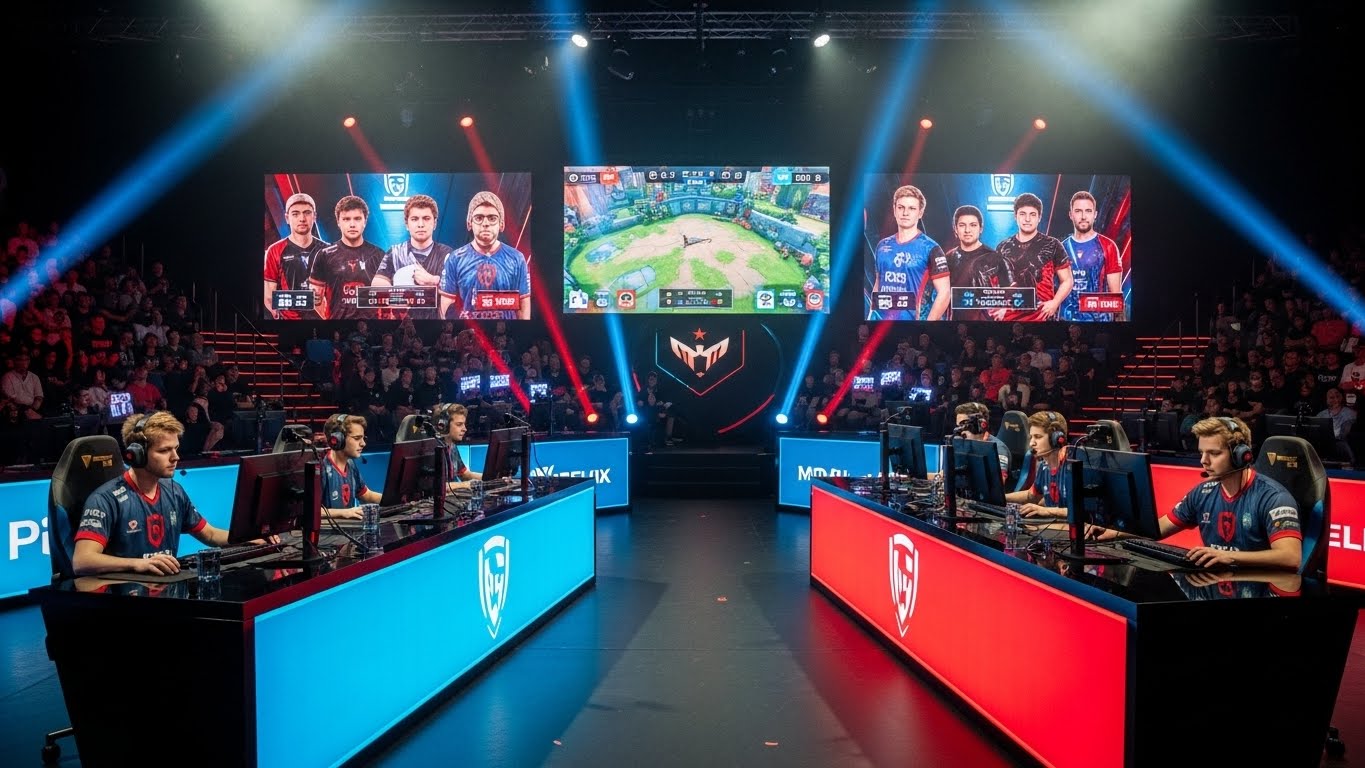
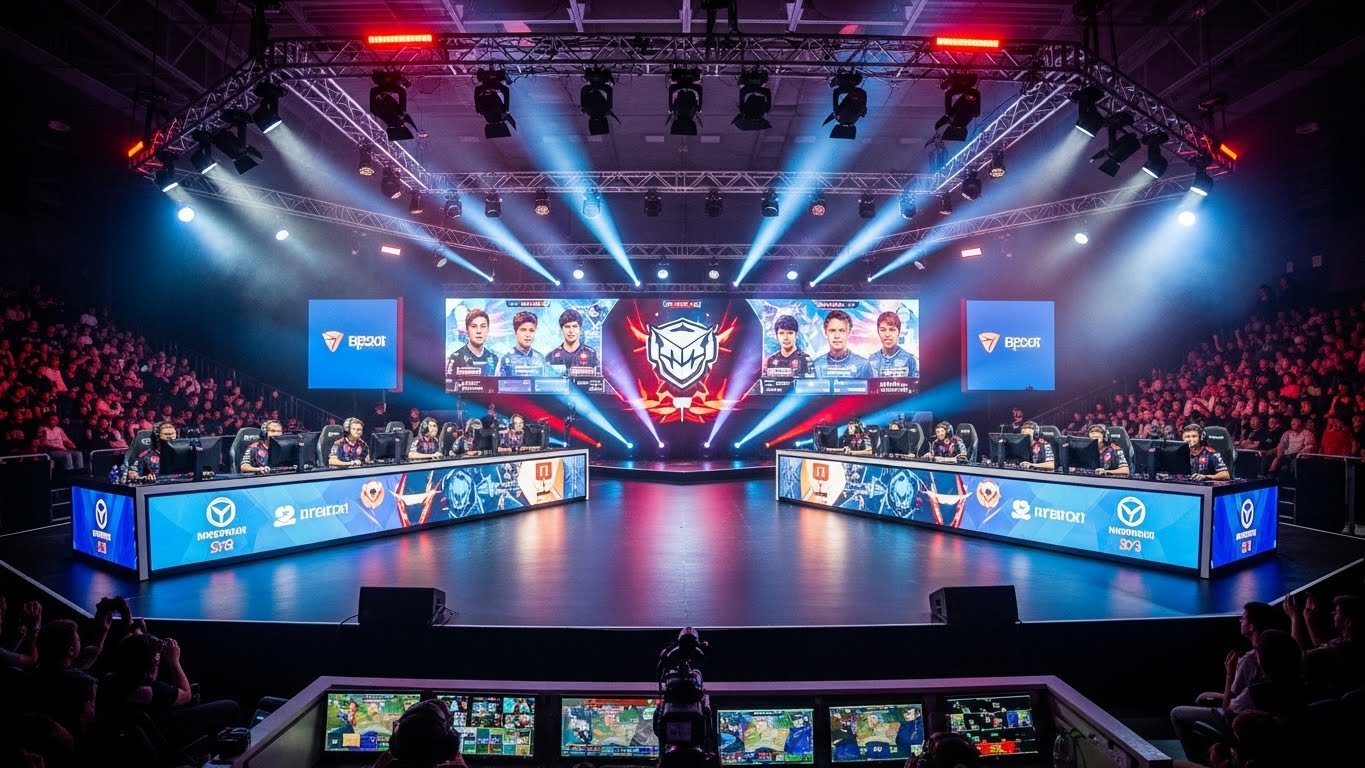
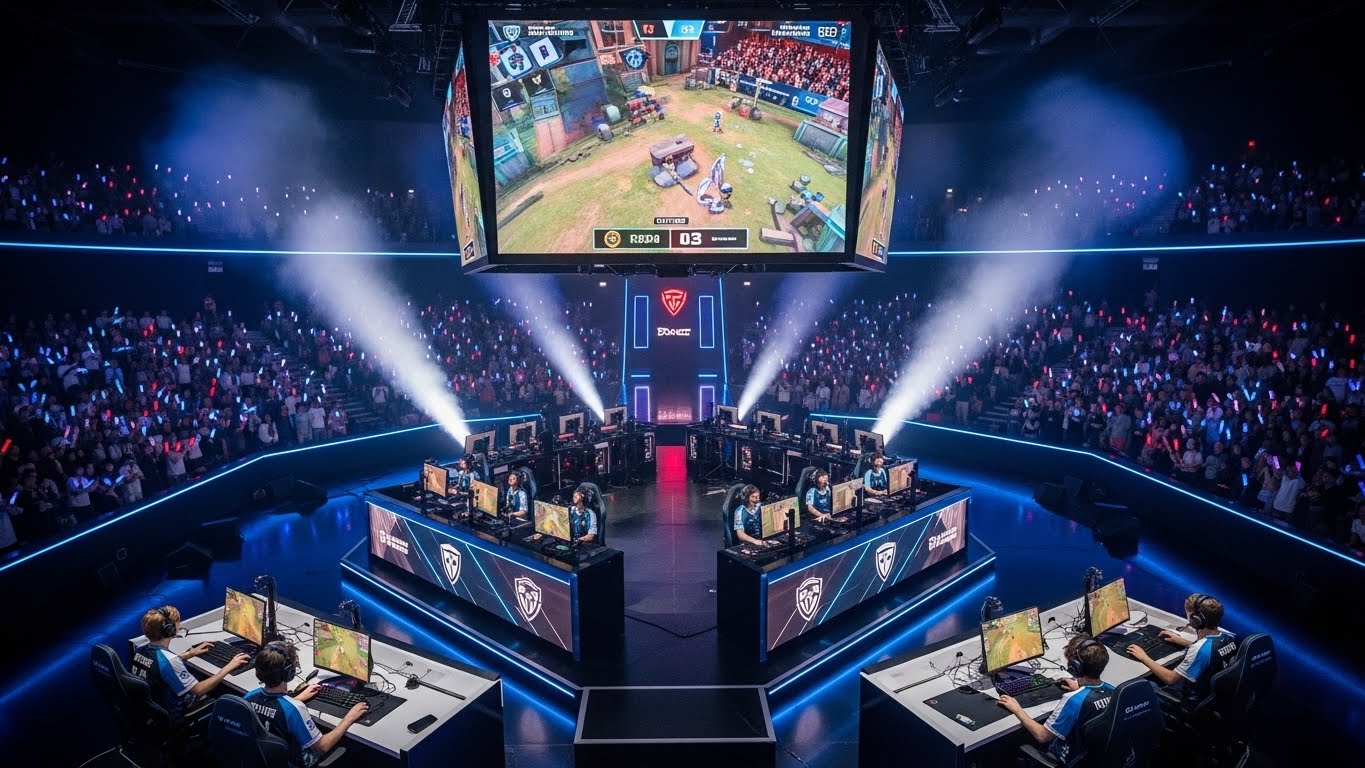
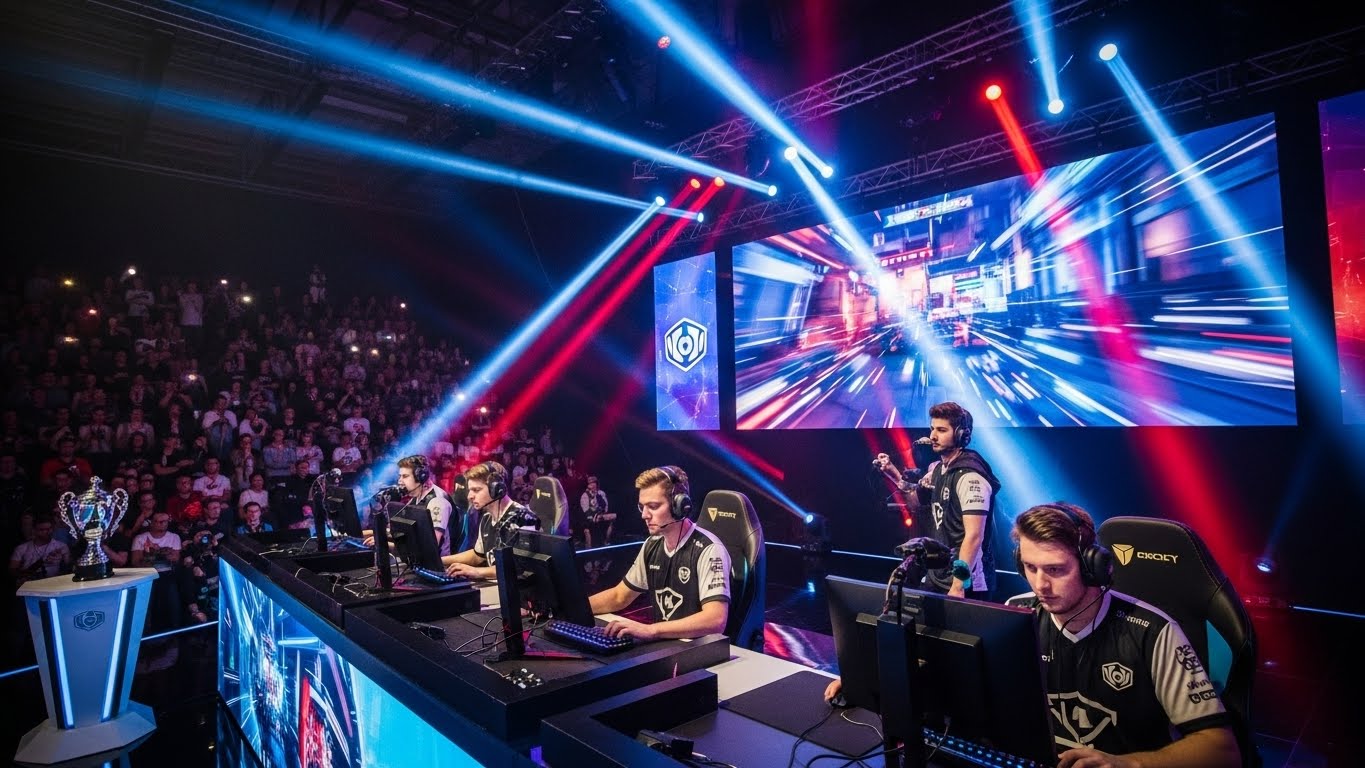
The early 2000s marked a turning point. With the growth of broadband internet and online streaming platforms, Esports gained exposure to global audiences. Professional players emerged, gaming organizations were formed, and sponsors began to see the marketing potential. Esports started to mirror traditional sports, with structured teams, coaches, and analysts. Prize pools increased dramatically, and tournaments began to fill stadiums with live audiences.
The introduction of games like “League of Legends,” “Dota 2,” and “Call of Duty” propelled Esports into mainstream consciousness. These games were not only visually exciting but also designed to be competitive at the highest levels. Major tournaments such as “The International” for Dota 2 and the “League of Legends World Championship” became global spectacles, with millions of viewers tuning in to watch.
The Esports Ecosystem
The Esports industry operates much like traditional sports, with a complex ecosystem of players, teams, sponsors, organizers, and fans. At the center are the players, who dedicate countless hours to honing their skills. They are often signed to professional teams that provide training facilities, mental health support, and strategic coaching.
Teams compete in leagues and tournaments organized by game publishers or independent organizations. These events are funded through sponsorships, advertisements, and ticket sales. Sponsors include major brands from technology, energy drinks, apparel, and even automotive sectors. Broadcasting rights have also become a key revenue stream, as streaming platforms compete to secure exclusive deals for major tournaments.
Fans play an equally vital role in this ecosystem. Through live events, social media, and streaming platforms, Esports fans create a passionate and engaged community. Unlike traditional sports, where players are often distant from their audience, Esports allows fans to interact directly with their favorite players and teams through live chats and social platforms.
Global Growth and Cultural Impact
Esports is a global phenomenon, transcending borders and languages. Different regions have developed their own gaming cultures and specialties. South Korea remains a powerhouse, particularly in games like “StarCraft” and “League of Legends.” China has emerged as another giant, with massive investments in gaming infrastructure and player development. In North America and Europe, professional leagues have become mainstream, with networks broadcasting Esports events alongside traditional sports.
The cultural influence of Esports is undeniable. It has given rise to a new generation of celebrities—professional gamers, streamers, and content creators who command huge audiences and sponsorship deals. Gaming slang, memes, and references have entered popular culture, shaping everything from fashion to music. Esports has also influenced education, with universities offering scholarships and degrees related to gaming and Esports management.
Technological Advancements Driving Esports
The growth of Esports is deeply tied to technological innovation. High-speed internet, advanced gaming hardware, and sophisticated software have made global competition possible. Streaming platforms have revolutionized how audiences consume content, allowing fans to watch tournaments and follow their favorite players in real-time.
Virtual reality (VR) and augmented reality (AR) are also beginning to influence the Esports experience. These technologies could redefine how players compete and how audiences engage with games. Furthermore, artificial intelligence is being used to analyze gameplay, optimize strategies, and enhance training for professional teams.
Esports has also benefited from advancements in mobile technology. Mobile gaming has brought competitive play to billions of people around the world. Games like “PUBG Mobile,” “Mobile Legends,” and “Free Fire” have turned smartphones into powerful Esports platforms, particularly in developing regions where high-end PCs or consoles are less accessible.
The Psychology of Esports Competition
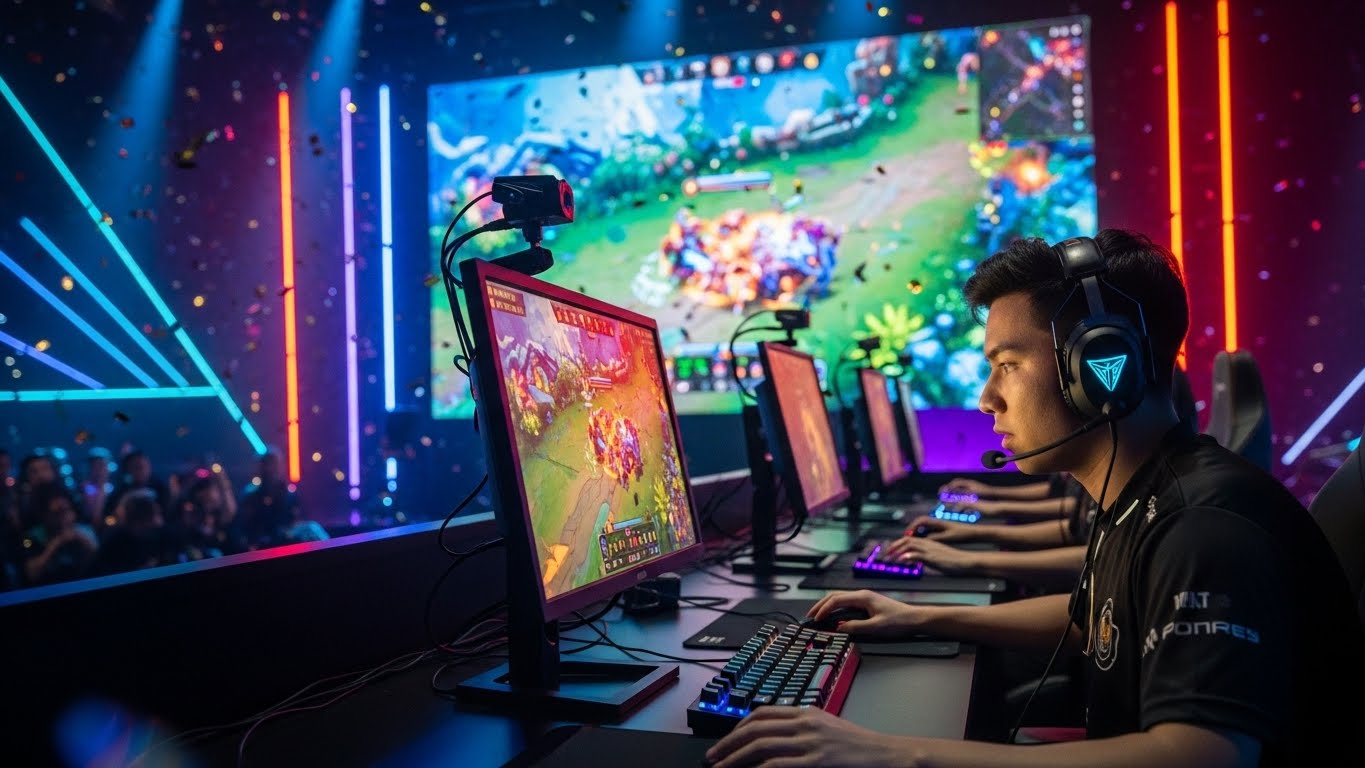
Behind every successful Esports player is not just technical skill but also mental discipline. Competitive gaming demands high levels of focus, strategic thinking, and teamwork. The psychological aspects of Esports are similar to those found in traditional sports. Players must manage stress, maintain confidence, and perform under pressure.
Professional teams now employ sports psychologists to help players cope with the mental demands of competition. Burnout has become a major concern, as many players train for long hours each day. Balancing competition with mental and physical well-being has become a key focus in the professional scene.
Economic Impact of Esports
The Esports industry is now a multibillion-dollar market, with revenues coming from sponsorships, media rights, merchandise, and ticket sales. Prize pools for major tournaments can reach tens of millions of dollars, rivaling those of traditional sports. The financial opportunities extend beyond players and teams—content creators, broadcasters, event organizers, and game developers all share in the economic benefits.
Cities are beginning to invest in Esports infrastructure, building arenas and hosting international events that attract tourism and investment. Esports has even created new job opportunities in areas like marketing, production, and event management.
Education and Esports
Educational institutions have started to recognize the potential of Esports as both a competitive and academic pursuit. Universities and colleges around the world now offer Esports scholarships to talented players. There are also academic programs focused on game design, Esports management, and digital marketing. These programs prepare students for careers in the growing gaming industry, emphasizing teamwork, leadership, and communication skills.
High schools are also embracing Esports as an extracurricular activity. Competitive gaming can teach students valuable lessons about strategy, problem-solving, and collaboration. It also provides a sense of community for those who might not be interested in traditional sports.
The Role of Streaming and Content Creation
Streaming platforms have revolutionized the way people consume gaming content. Players can now broadcast their gameplay to global audiences, building personal brands and engaging directly with fans. Platforms dedicated to gaming content have become hubs of community interaction, entertainment, and education.
Content creators have also played a crucial role in promoting Esports. Many professional players stream their practice sessions, giving fans insight into their training routines and personalities. This transparency helps build stronger connections between players and their audiences, making Esports more relatable and engaging.
Challenges Facing the Esports Industry
Despite its rapid growth, Esports faces several challenges. One of the main concerns is player burnout. The pressure to perform at the highest level can lead to mental and physical exhaustion. The industry is still developing standardized regulations for player welfare, contracts, and working conditions.
Another challenge is maintaining fair play. Cheating and match-fixing scandals have occasionally tarnished the reputation of competitive gaming. Game publishers and tournament organizers are continually improving security measures to ensure integrity and fairness.
There are also concerns about inclusivity and diversity within Esports. While the community is global, barriers still exist for women and underrepresented groups. Initiatives promoting diversity and equality are increasingly gaining support, aiming to create a more inclusive environment for all gamers.
The Future of Esports
The future of Esports looks incredibly promising. As technology continues to evolve, so too will the gaming experience. Cloud gaming may soon make high-end Esports accessible to anyone with a stable internet connection, removing hardware barriers. Virtual and augmented reality could offer entirely new competitive formats that blend physical and digital play.
Esports is also likely to become even more integrated into mainstream culture. Partnerships with traditional sports organizations are already happening, and Esports events are being broadcast on major television networks. The possibility of Esports becoming an Olympic event is also being seriously discussed, a clear indicator of its growing legitimacy.
The future will also bring more collaboration between gaming and other industries. Fashion brands, music artists, and film studios are already working with Esports teams and events, merging creative cultures in new ways.
Esports as a Reflection of Modern Society
At its core, Esports reflects the digital transformation of human interaction. It embodies the values of innovation, collaboration, and competition in a connected world. Just as traditional sports reflect the physical capabilities and teamwork of athletes, Esports showcases the mental agility, reflexes, and creativity of digital competitors.
The appeal of Esports lies in its accessibility and inclusivity. Anyone with a computer or mobile device can play, learn, and compete. It is a world where talent and dedication can overcome geographic or economic barriers. Esports connects people globally, creating communities built around shared passion and skill.
Conclusion: The Power and Promise of Esports
Esports has grown from a niche hobby into a global movement that bridges generations and cultures. It represents the intersection of technology, entertainment, and competition in the modern era. With professional players inspiring millions, fans creating thriving communities, and technological advancements shaping new possibilities, Esports stands as one of the defining cultural forces of the 21st century.
The journey of Esports is far from over. As it continues to evolve, it will redefine how we understand sports, entertainment, and human achievement. What began as a simple pastime has become a stage where strategy, skill, and innovation come together to create something truly extraordinary. Esports is not just the future of gaming—it is the future of competition itself.