championlounge06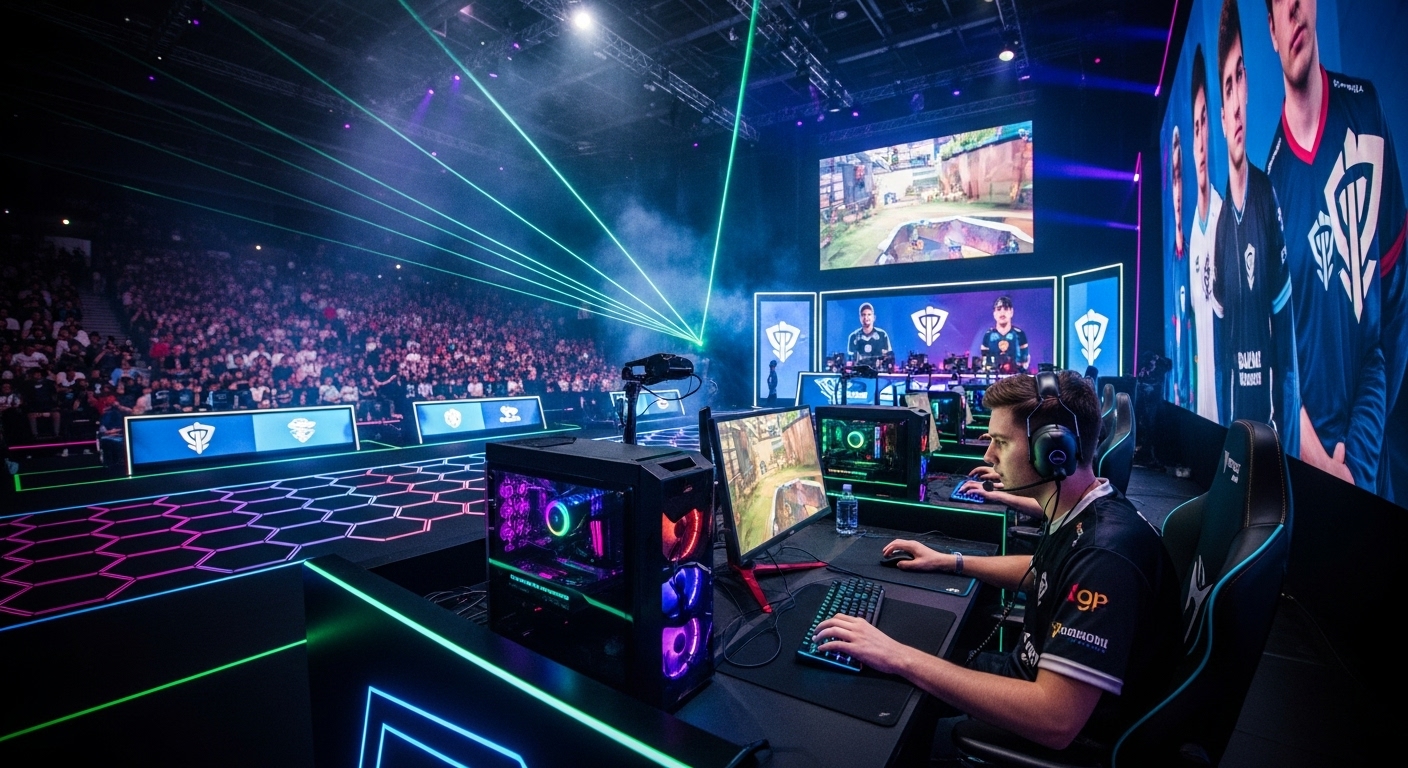
Introduction: The Rise of Esports
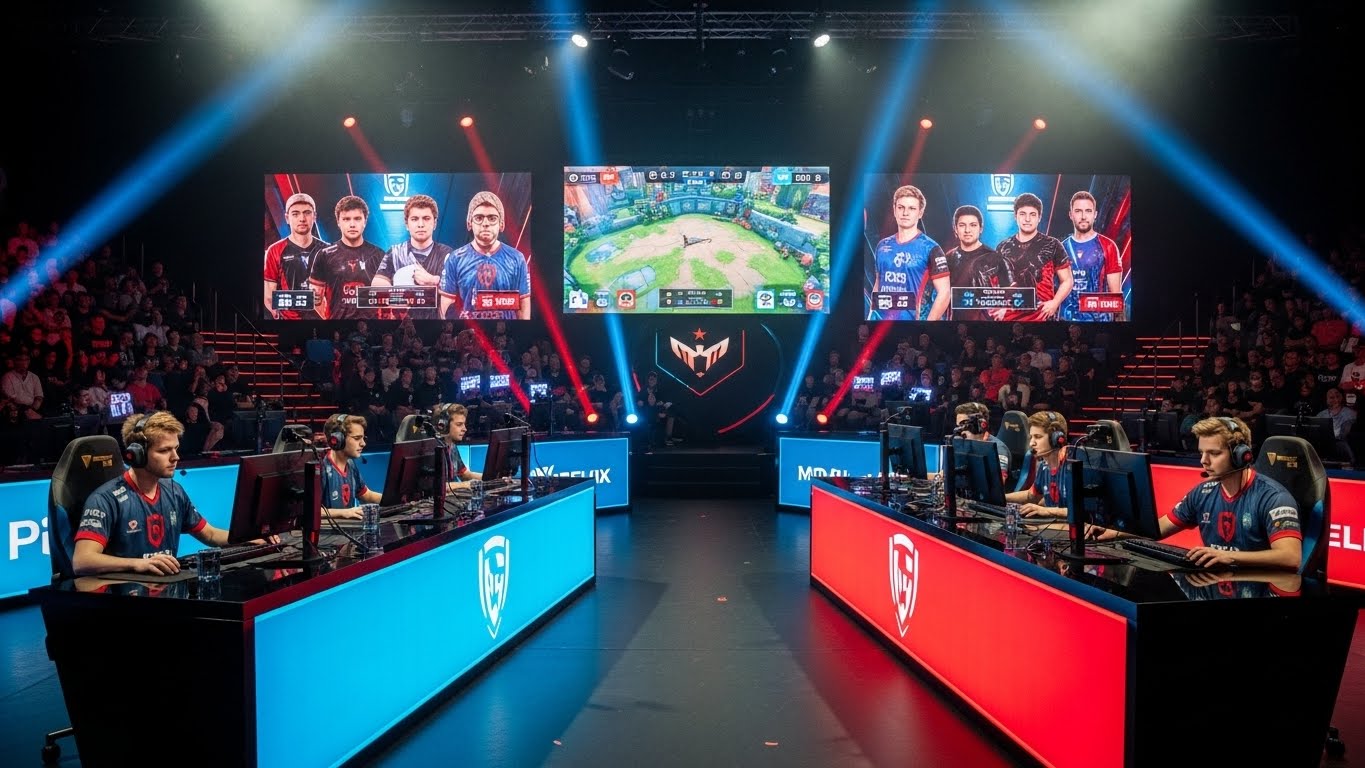
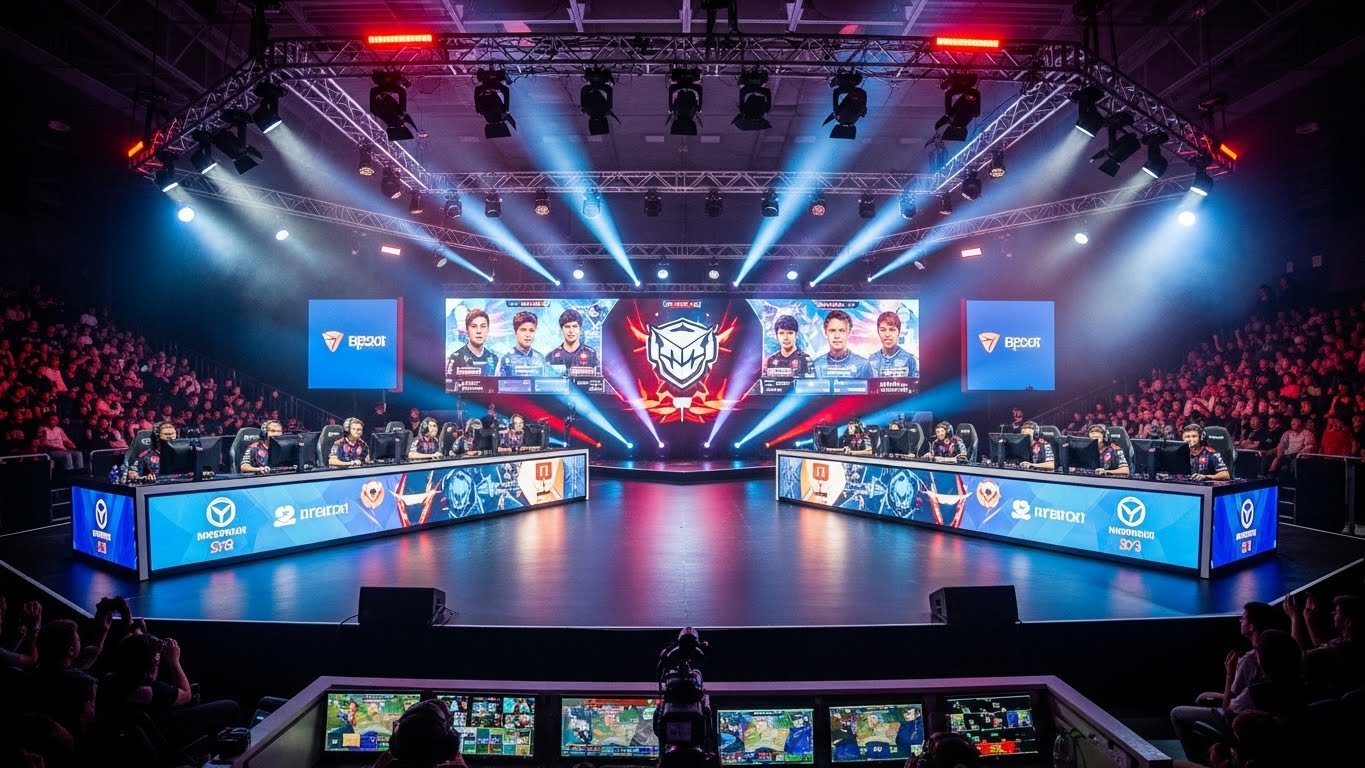
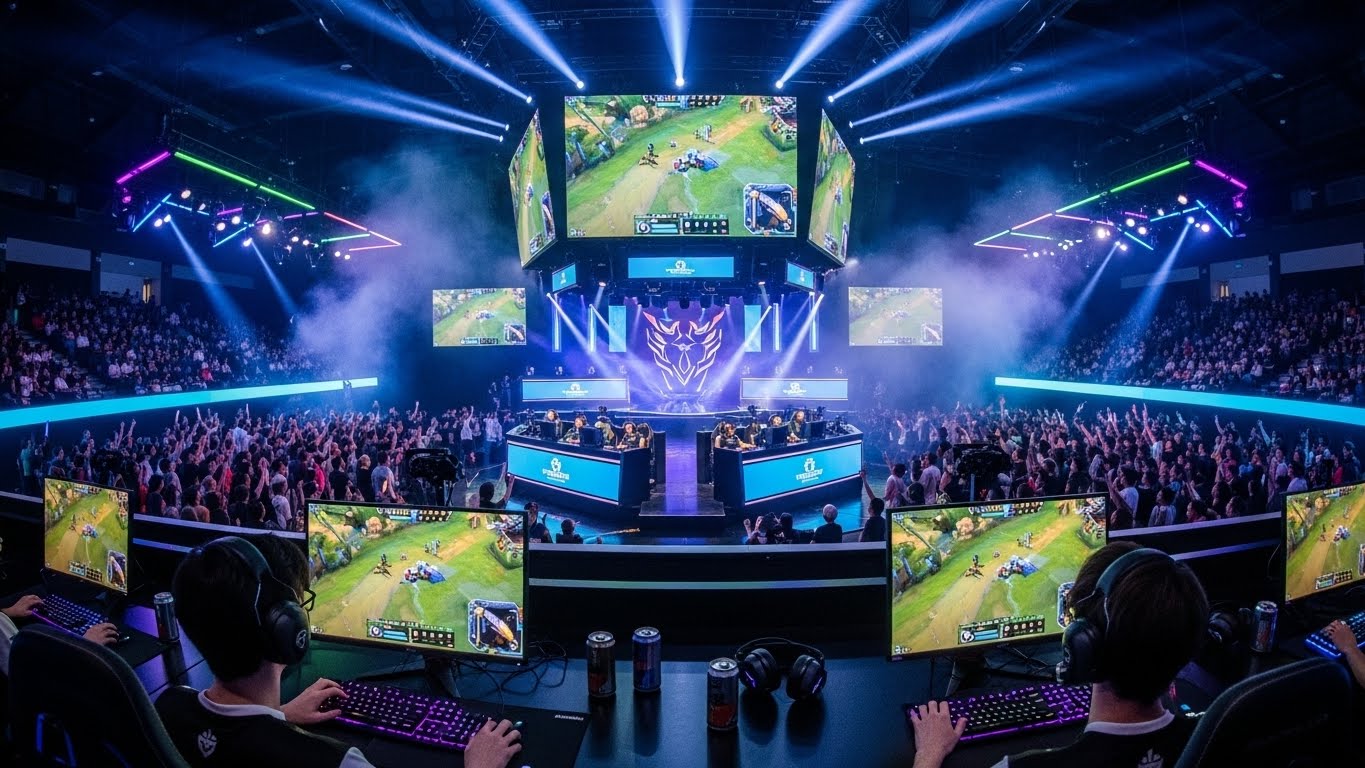
Over the past two decades, esports has undergone a remarkable transformation. What once began as casual gaming has evolved into a global industry that attracts millions of viewers and generates billions of dollars in revenue. From local tournaments to international leagues, esports has grown into a major cultural phenomenon. Today, professional gamers compete on a level playing field with athletes from traditional sports, capturing the attention of fans across the world.
What Makes Esports Different?
Unlike traditional sports, esports revolves around video games, but it shares many similarities in terms of competition, strategy, and team dynamics. Esports includes a variety of genres such as real-time strategy (RTS), first-person shooters (FPS), and multiplayer online battle arenas (MOBA). Games like “League of Legends,” “Counter-Strike: Global Offensive,” and “Dota 2” dominate the competitive scene, offering a mix of fast-paced action and strategic depth. The main attraction lies in the skill required to excel, making esports a true test of mental and reflexive agility.
Professional Esports Players: More Than Just Gamers
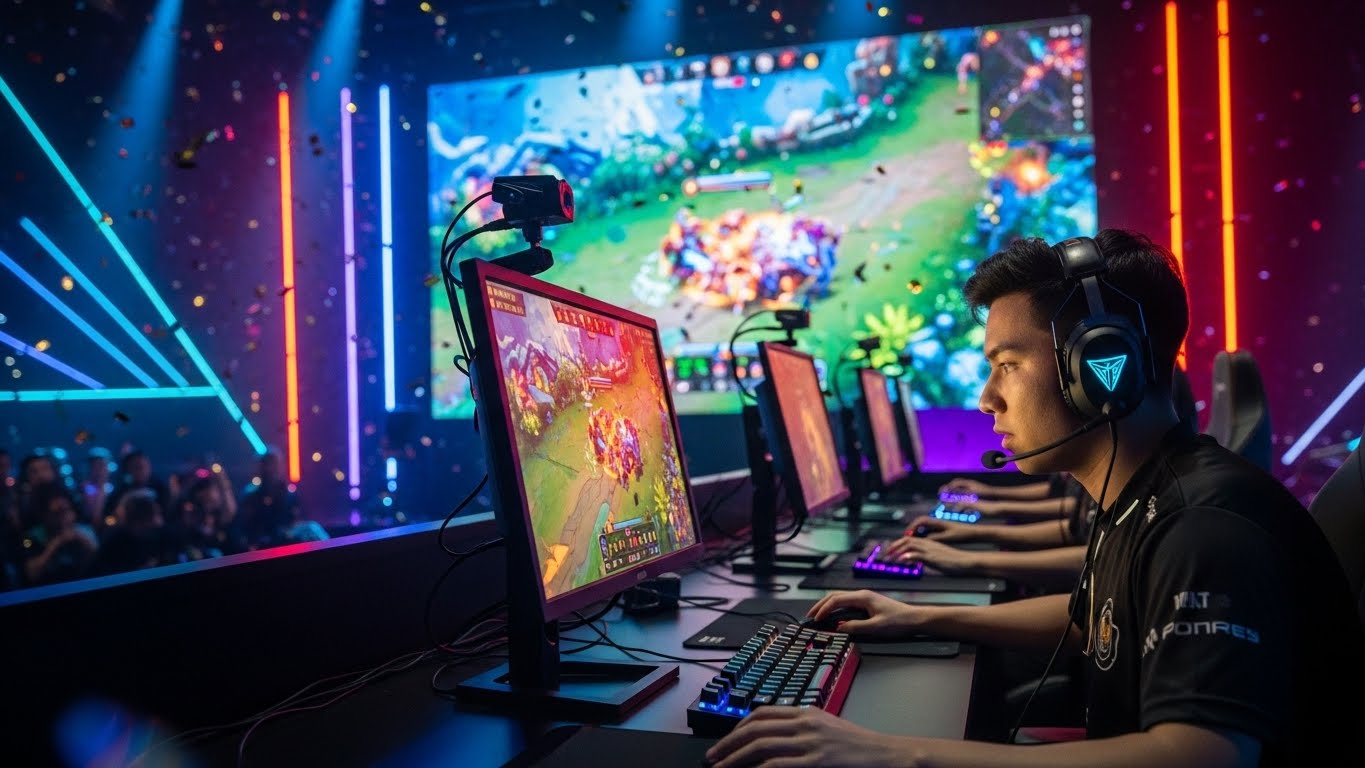
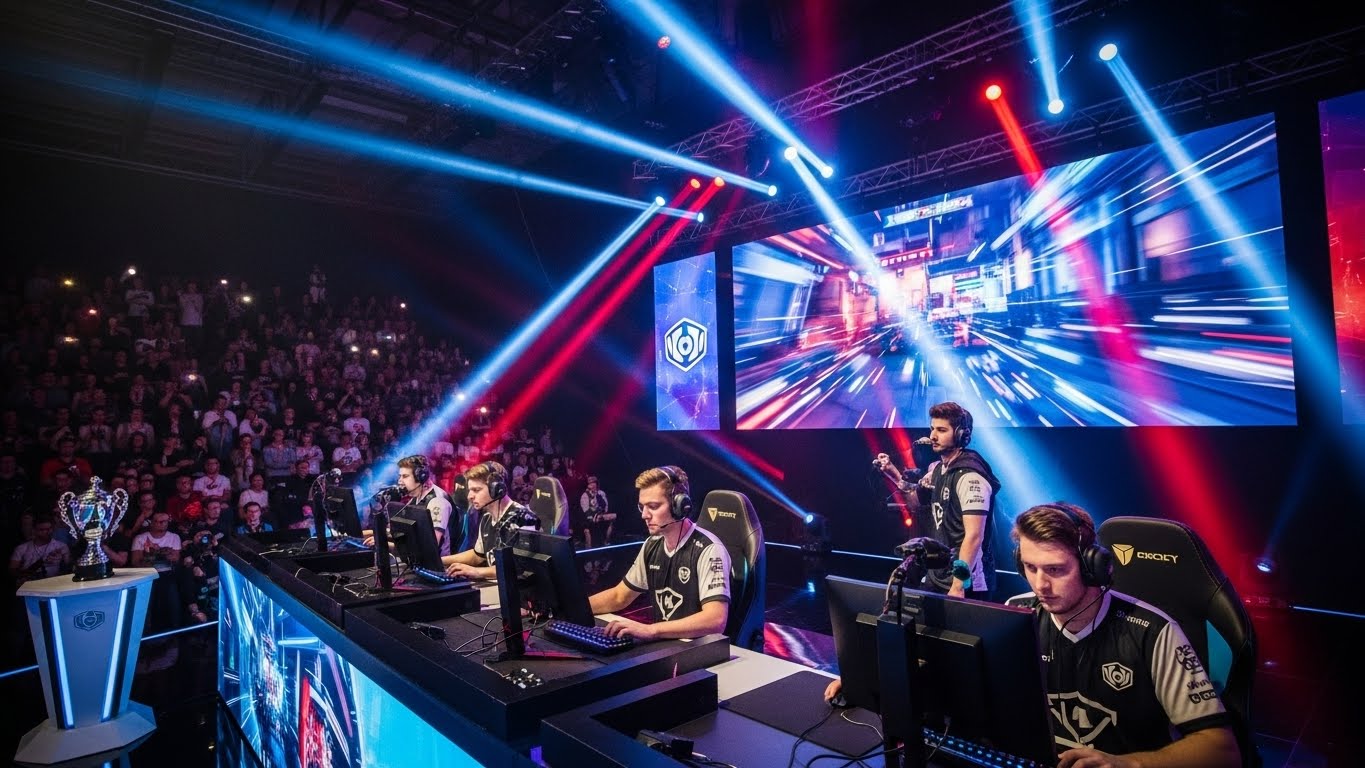
Being a professional esports player is no longer just about playing video games all day. It’s a serious career that requires rigorous training, strategy analysis, and team collaboration. Just like traditional athletes, esports players maintain strict routines, spending hours honing their skills, practicing strategies, and improving communication. They often work with coaches, nutritionists, and psychologists to ensure peak performance during tournaments. For many, esports is not just a hobby but a full-time commitment to excellence.
The Role of Streaming in Esports
A significant part of esports’ success can be attributed to streaming platforms like Twitch and YouTube Gaming. These platforms allow fans to watch live matches, interact with players, and immerse themselves in the culture surrounding their favorite games. Streaming has made esports accessible to anyone with an internet connection, breaking down geographical barriers and creating a global fanbase. Viewers can now watch live tournaments, engage with commentators, and even donate money to their favorite streamers—making it an interactive experience that connects players and fans like never before.
Esports as a Multi-Billion Dollar Industry
Esports has quickly transformed into a billion-dollar industry, attracting investors, major brands, and even traditional sports organizations. Sponsorship deals, broadcasting rights, and merchandise sales have made esports financially lucrative. Companies like Intel, Red Bull, and Coca-Cola now partner with esports teams and tournaments, further cementing the industry’s legitimacy and appeal. With annual prize pools reaching into the tens of millions of dollars, esports offers substantial rewards for the most talented players and teams. Additionally, universities and colleges have begun offering esports scholarships, making it possible for students to pursue higher education while competing at the highest level.
Esports and Its Cultural Impact
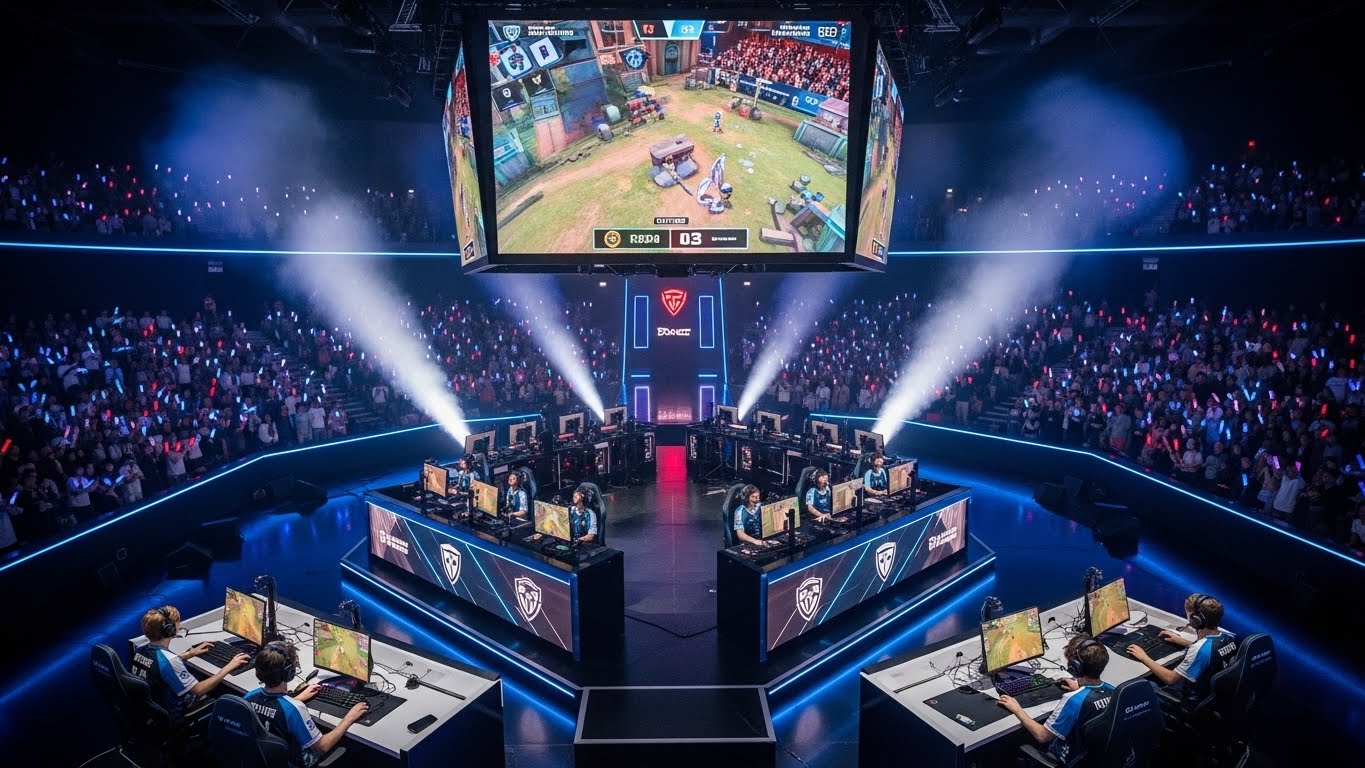
Esports has had a profound cultural impact, particularly on younger generations. It’s no longer just a pastime for gamers; it has become a social activity where people from all walks of life can come together. The esports community thrives on inclusivity, with fans forming deep connections to the players, teams, and games they love. Events like “The International” (Dota 2’s world championship) or “League of Legends World Championship” are not just tournaments—they’re celebrations of the gaming community’s passion and talent. Esports has even become a vehicle for other industries, such as fashion and music, to engage with a young, tech-savvy audience.
Challenges in the Esports Industry
Despite its meteoric rise, esports faces its share of challenges. One major issue is player burnout. Professional gamers often compete in a grueling schedule, which can take a toll on their physical and mental health. Many players retire young, sometimes due to the immense pressure or the fast-paced nature of the industry. Additionally, the esports industry must continue to address issues like cheating, fair play, and regulatory concerns to maintain the integrity of competitions. As esports grows, finding solutions to these challenges will be key to its continued success.
Looking Ahead: The Future of Esports
The future of esports appears brighter than ever. With advancements in technology, including virtual reality (VR) and augmented reality (AR), esports could become even more immersive and interactive. The potential for esports to integrate into mainstream sports broadcasting and education is also promising. Universities are beginning to offer esports programs, and it’s not uncommon for high school students to participate in competitive leagues. Esports could even find a permanent place in the Olympics in the years to come. As the industry continues to mature, it will undoubtedly attract new audiences and create more opportunities for players and fans alike.
Conclusion: Esports as a Global Phenomenon
Esports has come a long way from its humble beginnings, evolving into a global powerhouse that blends competition, entertainment, and community. It’s no longer just about gaming—it’s about skill, strategy, and culture. As technology advances and the esports community continues to grow, it’s clear that this digital revolution is just getting started. For those who love gaming and competition, esports offers a thrilling, ever-changing landscape full of possibilities.