championlounge06
Introduction to the World of Esports
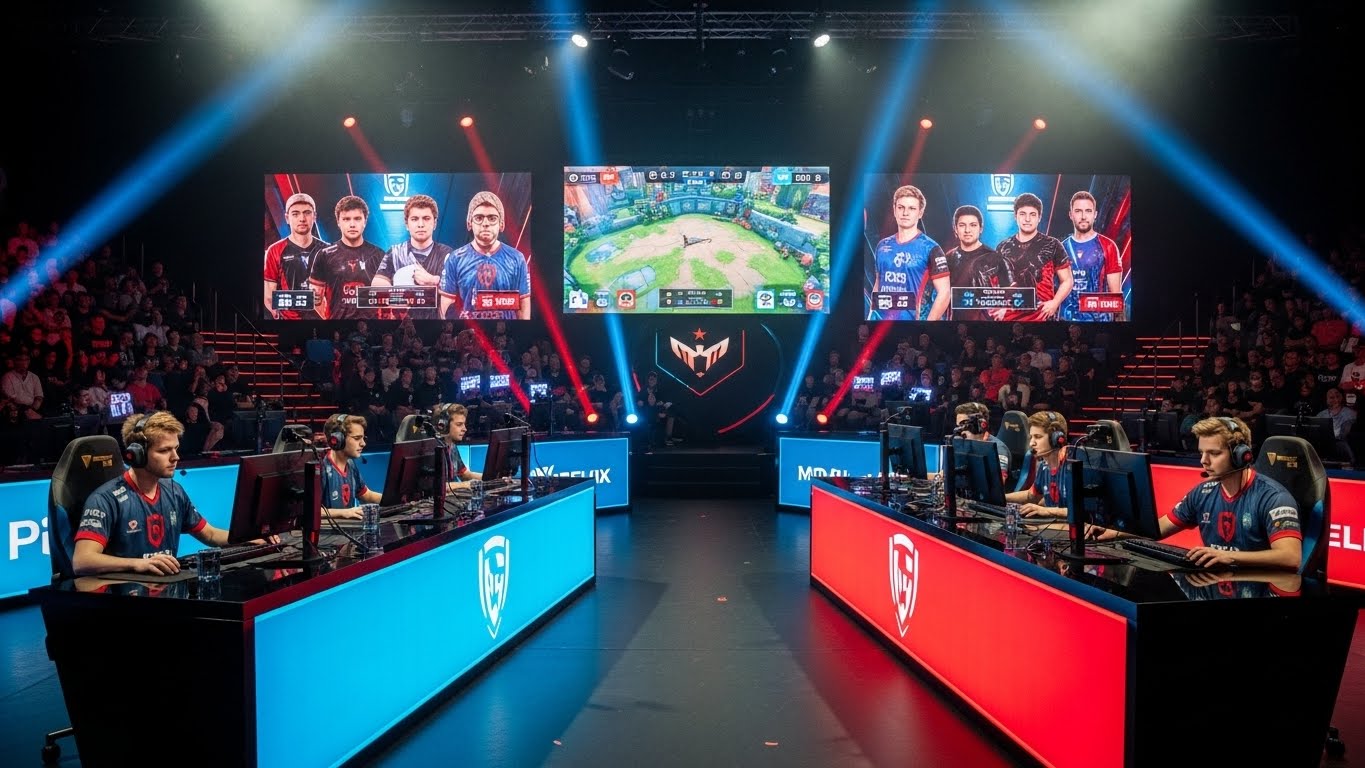
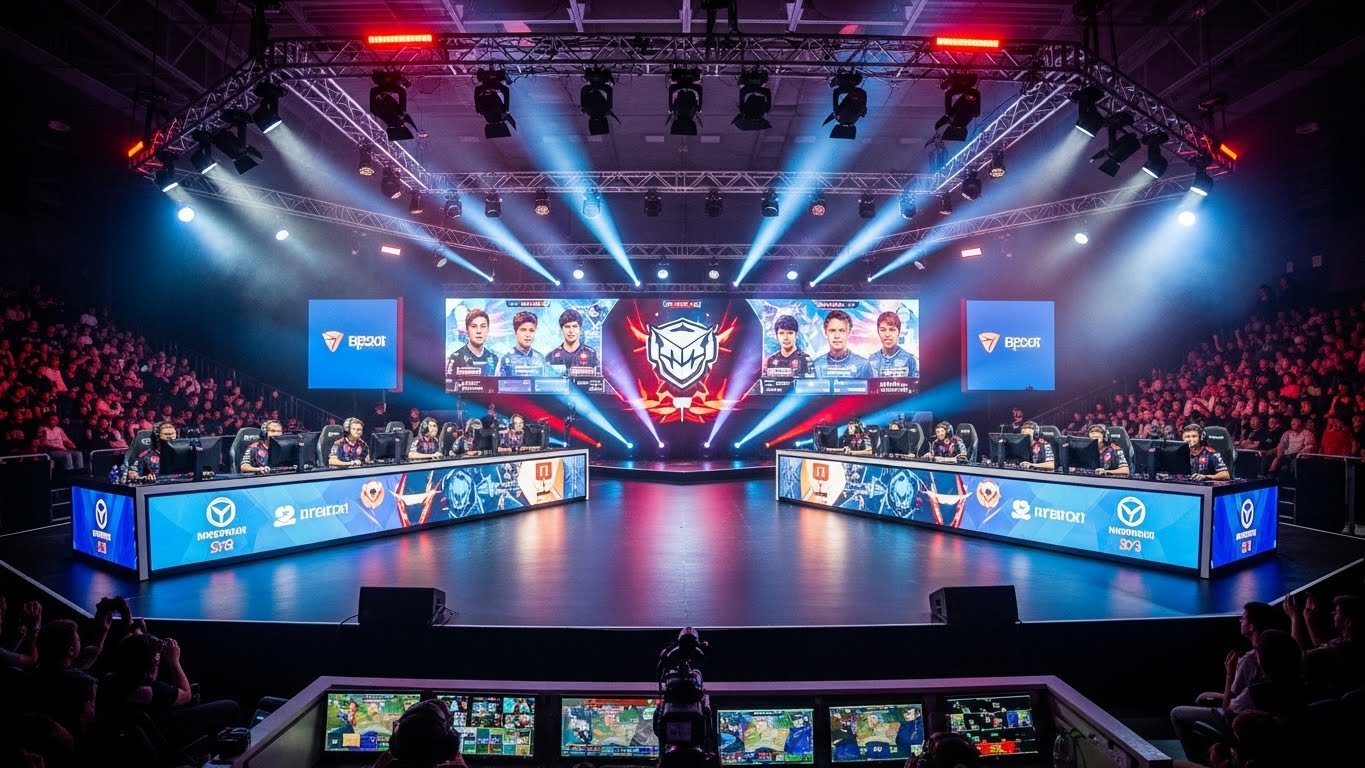
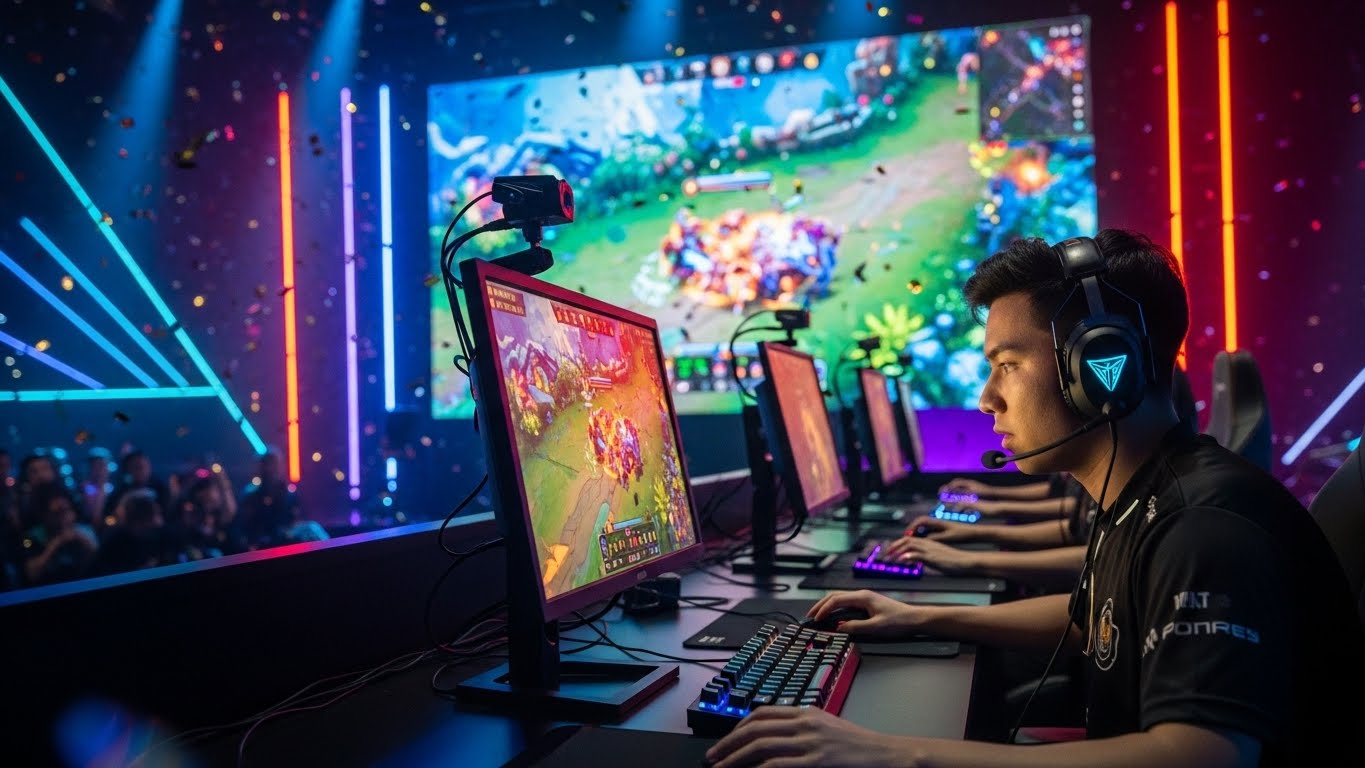
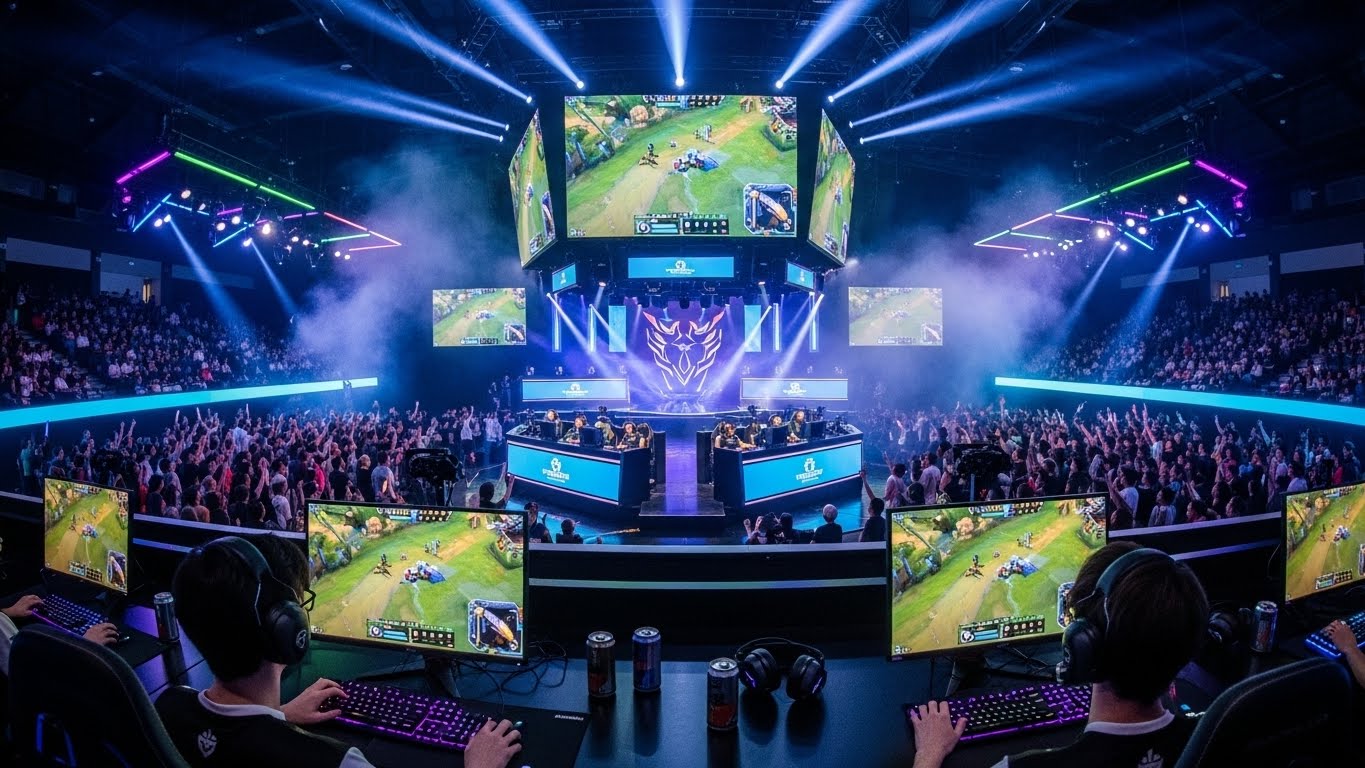
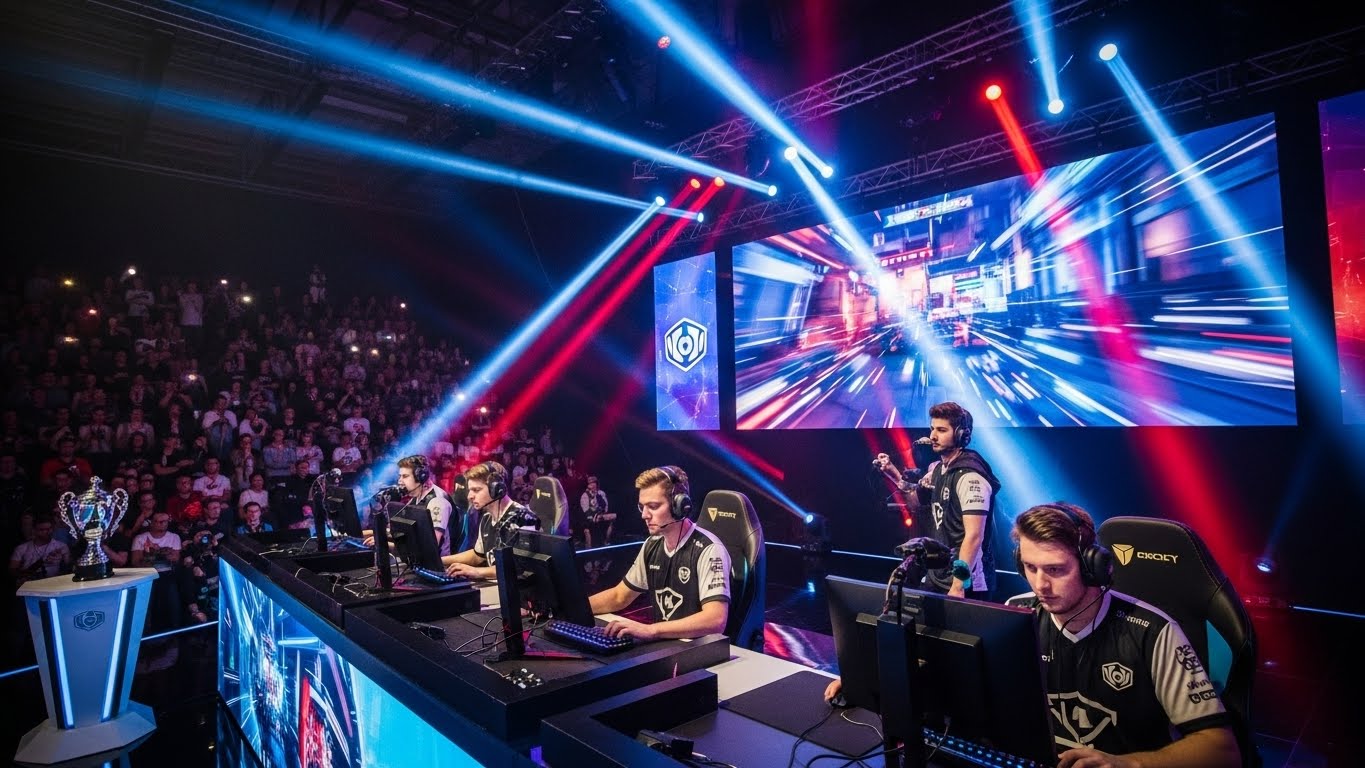
In the last two decades, esports has transformed from a niche hobby into a global phenomenon. What began as small gaming competitions in basements and internet cafés has evolved into a billion-dollar industry with professional players, huge audiences, and global recognition. Esports—short for electronic sports—refers to competitive video gaming where individuals or teams face off in organized tournaments. From first-person shooters and strategy games to sports simulations and fighting titles, esports covers a vast range of genres. Today, major events are broadcast to millions of fans worldwide, and the top players are celebrated as athletes in their own right.
The Origins and Early Days of Esports
The roots of esports trace back to the early 1970s and 1980s when video games first captured the imagination of young players. The earliest recorded gaming competition took place at Stanford University in 1972, where students competed in the game Spacewar! for a year’s subscription to Rolling Stone magazine. Though modest, this event laid the foundation for competitive gaming culture.
In the 1980s, arcade games like Pac-Man, Donkey Kong, and Space Invaders dominated the gaming landscape. The Space Invaders Championship in 1980 drew thousands of participants across the United States, becoming one of the first large-scale gaming tournaments. This era showed the world that video games had the power to bring people together through competition.
The Growth of Online Gaming and the Internet Boom
The 1990s marked a turning point for esports due to the rapid development of the internet. Games like Quake, Counter-Strike, StarCraft, and Warcraft allowed players to compete online, breaking geographical barriers. Multiplayer online gaming created communities that thrived on competition, strategy, and teamwork.
South Korea played a monumental role in pushing esports into the mainstream. When broadband internet spread rapidly across the nation, gaming cafés known as PC bangs became the hub for competitive gaming. Titles like StarCraft: Brood War gained immense popularity, and televised matches began drawing millions of viewers. South Korea soon became the heart of esports, producing legendary players and professional leagues that inspired the rest of the world.
The Professionalization of Esports
As technology advanced, esports began to take on a structure similar to traditional sports. Professional teams were formed, sponsorships emerged, and tournaments offered substantial cash prizes. In the early 2000s, organizations such as Major League Gaming (MLG), the Electronic Sports World Cup (ESWC), and the World Cyber Games (WCG) began hosting global tournaments that legitimized competitive gaming.
These organizations introduced formats, rankings, and standards that gave esports the same seriousness and professionalism found in traditional athletic competitions. By the late 2000s, esports had developed full-time players, coaches, managers, and analysts. The rise of video streaming services further propelled this growth, as audiences could now watch matches live from anywhere in the world.
The Golden Era of Esports: 2010s and Beyond
The 2010s are widely regarded as the golden decade of esports. With the rise of streaming platforms like Twitch and YouTube Gaming, fans could easily follow their favorite players and teams. This accessibility turned esports into a mainstream entertainment form. Major titles like League of Legends, Dota 2, Counter-Strike: Global Offensive, Overwatch, and Fortnite defined the modern era of competitive gaming.
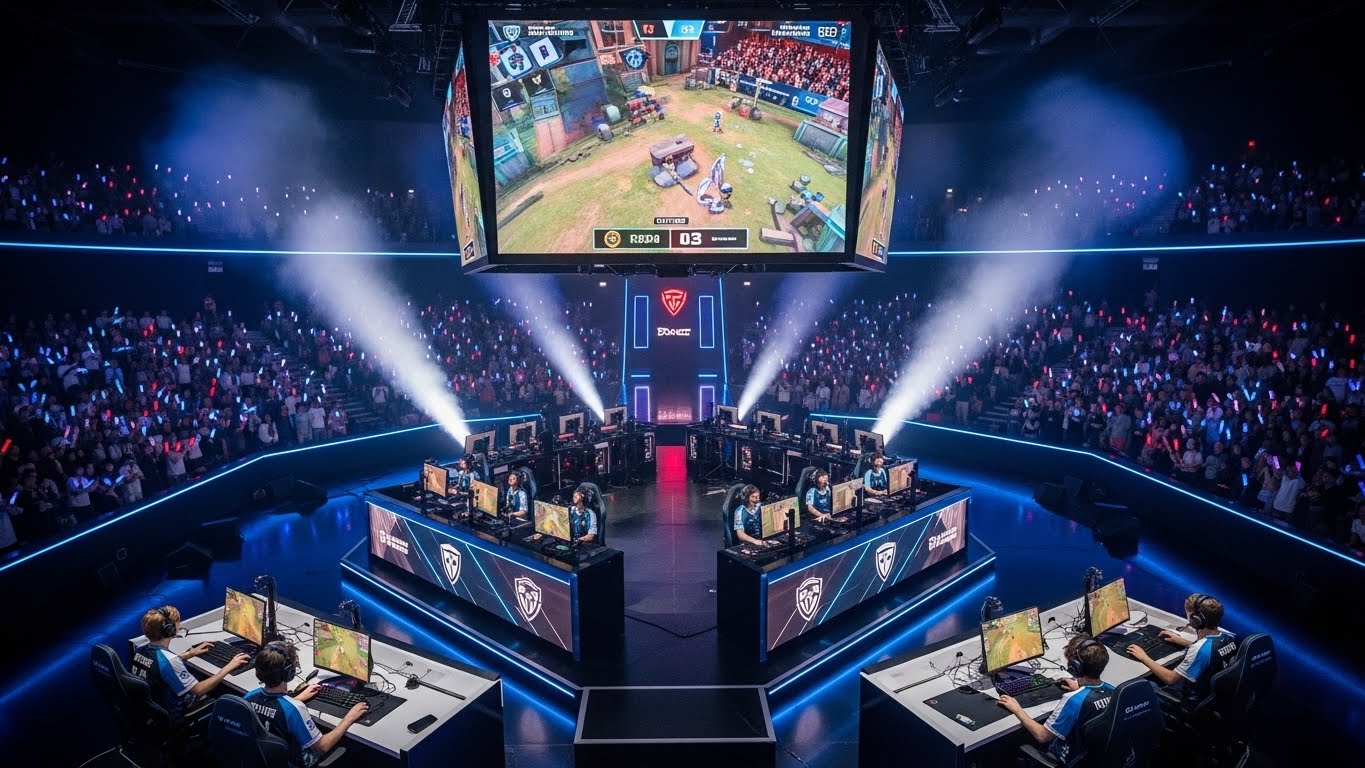
One of the most iconic esports tournaments in history is The International for Dota 2, which set records for its prize pools funded by community contributions. Similarly, League of Legends’ World Championship attracted millions of concurrent viewers and filled stadiums across the globe. Esports became a spectacle that blended the excitement of gaming with the passion of sports fandom.
The Rise of Esports Organizations and Franchises
As esports continued to grow, teams evolved into full-fledged organizations with dedicated infrastructure, training facilities, and sponsorships. These organizations function similarly to sports franchises, complete with branding, merchandise, and fanbases. Teams like Team Liquid, Cloud9, FaZe Clan, and G2 Esports have become household names within gaming circles.
Franchise leagues, such as the Overwatch League and the Call of Duty League, introduced structured seasonal play, city-based teams, and consistent salaries for players. This model mirrored traditional sports leagues and provided stability to the competitive gaming ecosystem.
The Role of Streaming and Digital Media in Esports Expansion
One of the driving forces behind esports’ explosive growth has been the power of streaming platforms. Unlike traditional sports, where broadcasting rights are tightly controlled, esports thrives on accessibility. Twitch, YouTube, and other streaming services allow anyone to tune in and watch live matches, commentary, and behind-the-scenes content.
These platforms not only showcase professional tournaments but also empower individual streamers to build massive audiences. Many professional players double as content creators, strengthening their connection with fans. The ability to interact directly with players through chat and social media has created a unique relationship between fans and competitors, blurring the lines between entertainment and sport.
Esports as a Legitimate Career Path
What was once dismissed as a hobby is now a viable profession. The top esports players earn salaries comparable to athletes in traditional sports, with additional income from sponsorships, streaming, and merchandise sales. Careers in esports extend beyond players—there are roles for coaches, analysts, event organizers, content creators, and even psychologists specializing in player performance.
Educational institutions have also recognized the legitimacy of esports. Universities in North America, Europe, and Asia now offer esports scholarships and academic programs focusing on game design, marketing, and management. This academic acceptance underscores esports’ transformation into a professional industry.
Global Esports Ecosystem and Cultural Influence
Esports has become a global cultural movement that transcends language and geography. Major tournaments attract fans from every continent, and esports athletes are celebrated as celebrities. Events like the League of Legends World Championship and Fortnite World Cup draw massive international audiences, uniting people through a shared passion for gaming.
Countries like China, South Korea, and the United States dominate the esports scene, but emerging markets in Southeast Asia, Latin America, and the Middle East are quickly catching up. Esports has become a tool for cultural exchange, connecting people from diverse backgrounds through competition and entertainment.
Economic Impact of Esports
The esports industry is now valued in the billions, with revenue streams coming from sponsorships, advertising, media rights, ticket sales, and merchandise. Major corporations such as Intel, Coca-Cola, and Nike have invested heavily in esports partnerships, recognizing its marketing potential among younger demographics.
Cities are also investing in esports infrastructure, building arenas and hosting global tournaments to attract tourism and media attention. The economic ripple effect of esports extends to related industries such as technology, fashion, and entertainment.
The Role of Technology and Innovation
Technological innovation continues to shape the esports experience. Advances in high-speed internet, virtual reality, and artificial intelligence are redefining how games are played and watched. Cloud gaming and 5G connectivity have made competitive gaming more accessible than ever before.
Additionally, data analytics play a crucial role in improving player performance. Teams use sophisticated tools to analyze gameplay, study opponents, and develop strategies. This analytical approach mirrors the tactics used in traditional sports and adds a layer of depth to the competition.
The Social and Psychological Aspects of Esports
Esports is not only about competition—it also builds communities and fosters social connections. Online gaming communities provide spaces where people form friendships, collaborate, and express themselves. However, the competitive nature of esports can also bring challenges such as burnout, stress, and toxicity.
Many organizations now employ mental health professionals to help players manage the pressure of competition. Maintaining a healthy balance between gaming and personal life is becoming a central focus in the esports world. As the industry matures, mental wellness is gaining recognition as a key factor in long-term success.
The Intersection of Esports and Traditional Sports
The relationship between esports and traditional sports is evolving. Many traditional sports organizations, including football clubs and basketball franchises, have invested in esports teams. The crossover is natural, as both share elements of competition, teamwork, and strategy.
Esports also offers an inclusive platform for individuals who may not have access to traditional sports due to physical limitations. It redefines what it means to be an athlete in the digital age, emphasizing skill, reflexes, and intelligence over physical attributes.
The Future of Esports: Opportunities and Challenges
The future of esports looks incredibly promising, but it is not without challenges. As the industry grows, maintaining fair competition and integrity becomes vital. Issues like cheating, match-fixing, and player exploitation require strong governance and regulation.
Moreover, ensuring diversity and inclusivity in esports is a continuing challenge. Efforts are being made to create safer spaces for women, nonbinary players, and underrepresented communities. Inclusivity will be a defining factor in the future success of esports.
Looking ahead, esports is likely to merge even more with mainstream entertainment. Virtual and augmented reality may revolutionize how fans experience live matches. As technology advances, the line between physical and digital sports will continue to blur, creating new forms of interactive entertainment.
Esports and Education: A New Frontier
Educational institutions are increasingly recognizing the potential of esports as an academic discipline. Universities now offer degrees in esports management, event production, and game development. High schools and colleges organize esports leagues that teach teamwork, communication, and strategic thinking.
Esports education also encourages STEM learning, as students engage with technology, coding, and design. This integration of gaming and education helps prepare future generations for careers in digital industries, while also legitimizing gaming as a meaningful pursuit.
Community Building and Fan Engagement
A major strength of esports lies in its community-driven nature. Unlike traditional sports that rely on broadcasting networks, esports thrives on direct fan engagement. Players interact with their audience daily through social media and live streams, creating authentic relationships that build loyalty and trust.
Fan engagement extends beyond watching matches. Many fans contribute to crowdfunding tournaments, purchase team merchandise, and participate in fan art and online discussions. This active participation makes esports a deeply interactive form of entertainment.
Conclusion: The Ever-Evolving Legacy of Esports
Esports is more than just competitive gaming—it is a cultural revolution reshaping how people connect, compete, and celebrate talent. From humble beginnings to packed arenas, esports has proven that digital competition holds as much excitement and legitimacy as any traditional sport.
The journey of esports mirrors the evolution of modern technology and human creativity. It represents the spirit of innovation, the thrill of competition, and the power of community. As we look to the future, esports will continue to inspire millions, bridging cultures and generations in a shared digital arena.
The rise of esports marks a new chapter in human entertainment—one where skill, strategy, and passion transcend physical boundaries. It is a world built not just on pixels and code, but on dreams, dedication, and the universal love of play.