championlounge06
Esports, short for electronic sports, has grown from a niche hobby into a global phenomenon. What was once viewed as casual video gaming has transformed into a professional, highly competitive, and multi-billion-dollar industry. It brings together skill, strategy, teamwork, and entertainment, attracting millions of viewers worldwide. Esports represents the convergence of technology and sports, redefining how people compete, spectate, and engage with gaming culture. Its rapid growth has created new career opportunities, expanded entertainment options, and influenced digital culture across the globe.
Origins of Competitive Gaming
The roots of esports trace back to the late 1970s and 1980s, when arcade games gained immense popularity. Titles such as Space Invaders, Pac-Man, and Donkey Kong led to early competitions where players competed for high scores and local recognition. These small tournaments fostered communities, encouraged friendly rivalries, and laid the foundation for competitive gaming culture. Players shared tips, strategies, and achievements, cultivating a sense of camaraderie that persists in modern esports.
With the introduction of home computers and consoles in the 1990s, competitive gaming expanded beyond arcades. Games such as Street Fighter, Warcraft, and Counter-Strike became staples of organized tournaments. Players began investing significant time into mastering their craft, studying strategies, and forming teams. The competitive scene grew more structured, setting the stage for professional esports leagues and tournaments.
The Rise of Online Competition
The widespread availability of the internet in the 2000s transformed esports. Online multiplayer games allowed players from around the world to compete in real time, breaking geographical barriers. Games like StarCraft, Halo, and Counter-Strike: Global Offensive became central to competitive esports, attracting both participants and viewers. Online forums, streaming platforms, and social media helped build global communities, connecting players and fans and fostering a shared culture around competitive gaming.
Professional esports teams began to resemble traditional sports organizations. Teams hired coaches, analysts, and support staff to optimize performance. Sponsorship deals and tournament winnings provided financial incentives, turning competitive gaming into a viable career path. These developments formalized esports as both an entertainment medium and a professional pursuit, paving the way for exponential growth.
Popular Esports Genres and Games
Esports encompasses a variety of genres, each appealing to different types of players and audiences. Multiplayer online battle arena games, or MOBAs, like League of Legends and Dota 2, emphasize strategy, teamwork, and rapid decision-making. First-person shooters such as Counter-Strike: Global Offensive and Call of Duty focus on precision, reflexes, and tactical coordination. Fighting games, including Street Fighter and Super Smash Bros., highlight individual skill, timing, and adaptability, while sports simulations like FIFA and NBA 2K mirror real-world athletic competition in digital form.
The diversity of esports genres ensures a broad appeal. MOBAs attract strategic thinkers, FPS games cater to players who excel at quick reflexes, and sports simulations engage fans of traditional athletics. This variety creates a rich ecosystem where different types of gamers can thrive, fostering multiple sub-communities within the larger esports culture.
Professional Training and Preparation
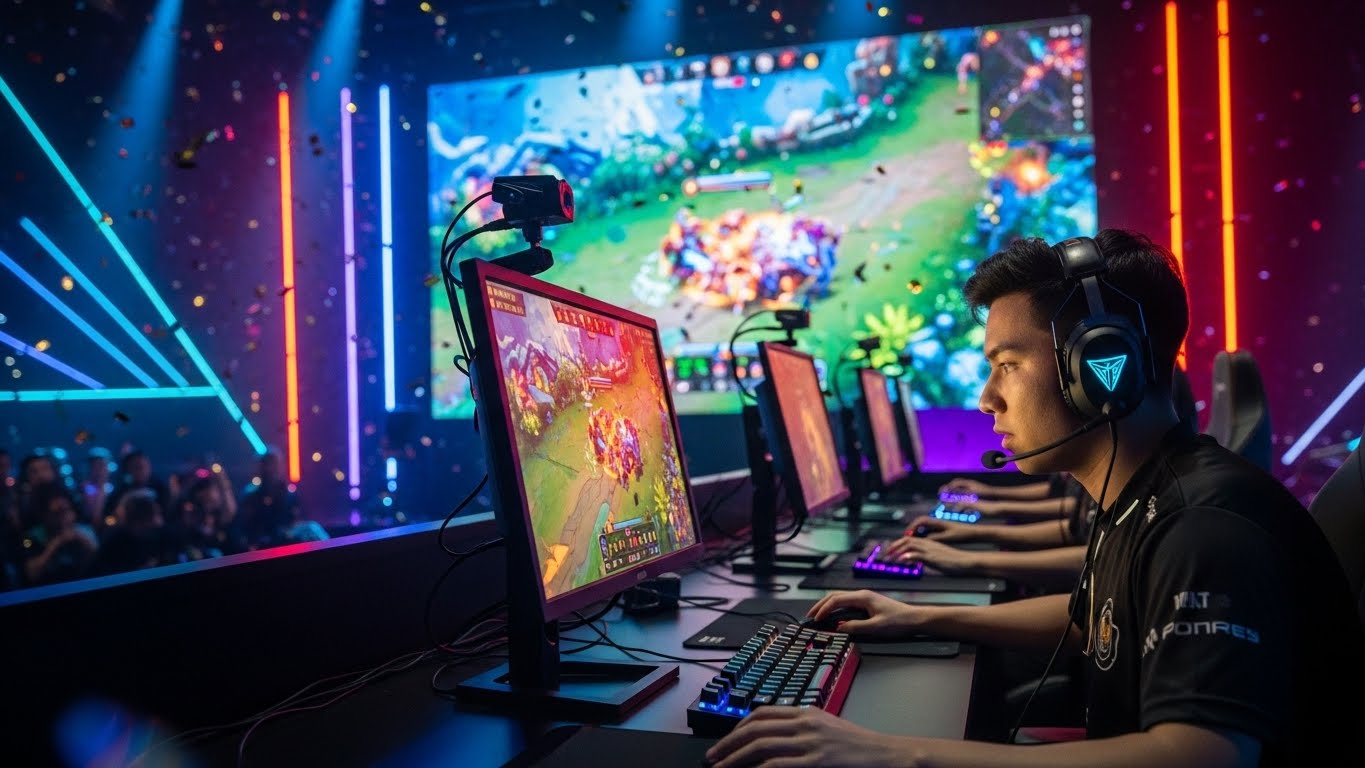
Professional esports players train with a discipline similar to traditional athletes. Daily routines often involve several hours of gameplay, strategic analysis, teamwork exercises, and physical fitness. Mental focus, hand-eye coordination, and quick reflexes are essential skills honed through consistent practice.
Teams rely on coaches and analysts to improve performance. Analysts review past matches, identify weaknesses, and study opponents’ strategies to provide a competitive edge. Physical exercise and proper nutrition support energy levels and prevent injury, while mental health professionals help players manage stress and maintain focus during high-pressure competitions. Training extends beyond mere gameplay; it encompasses strategy, psychology, fitness, and teamwork.
Major Esports Tournaments
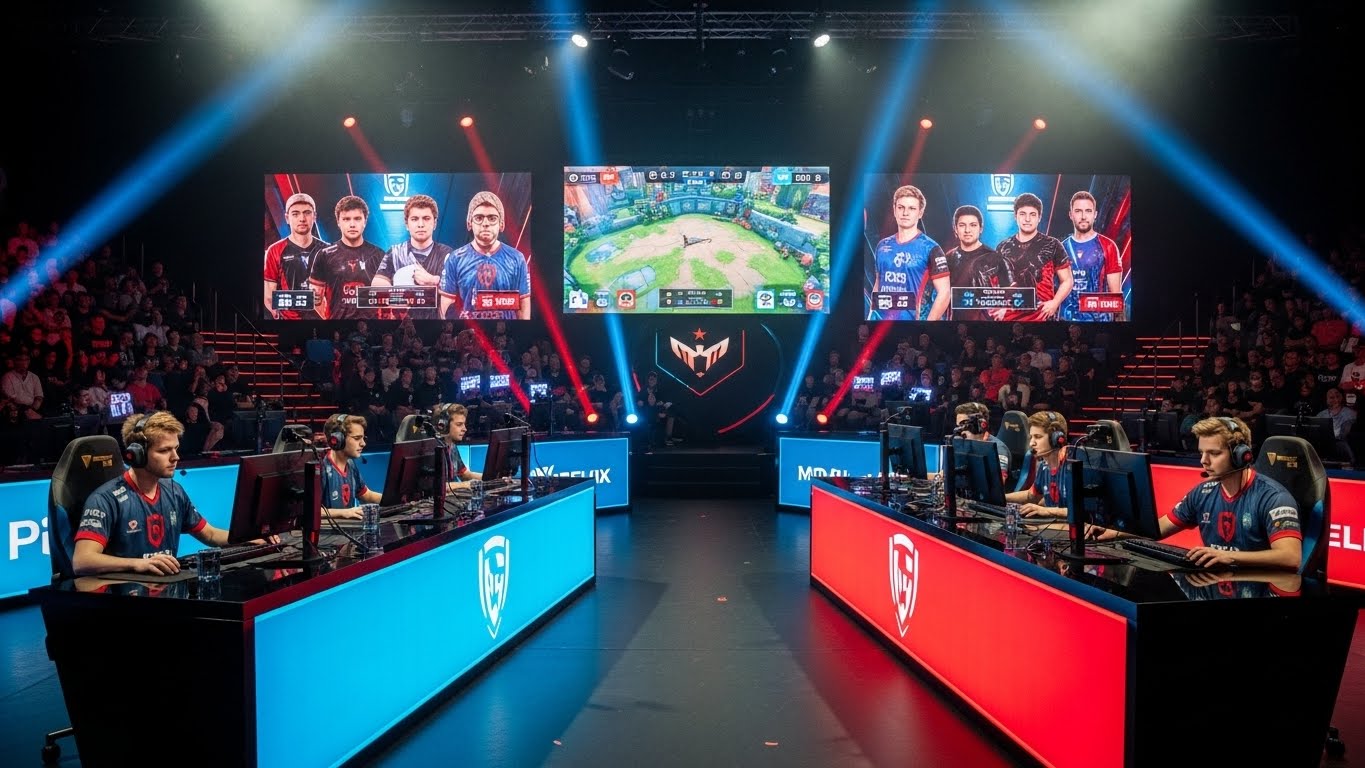
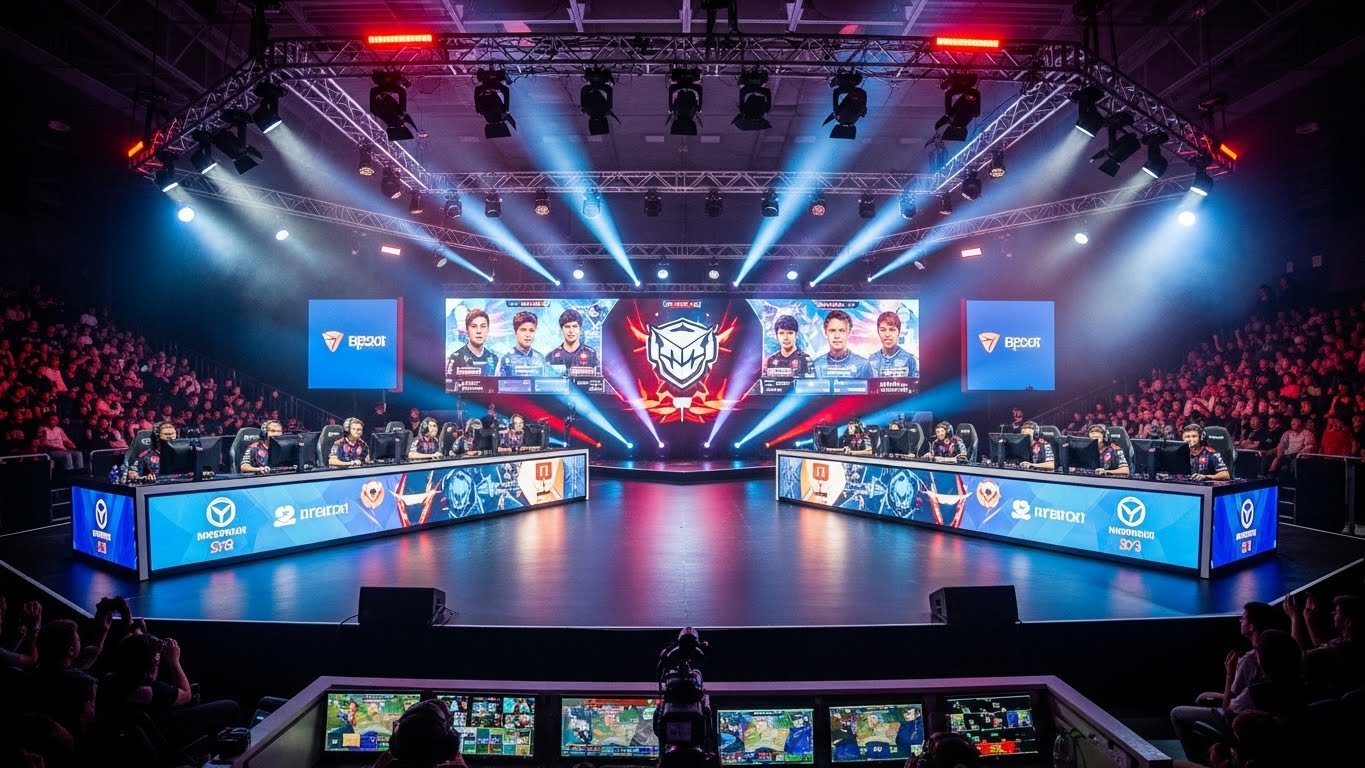
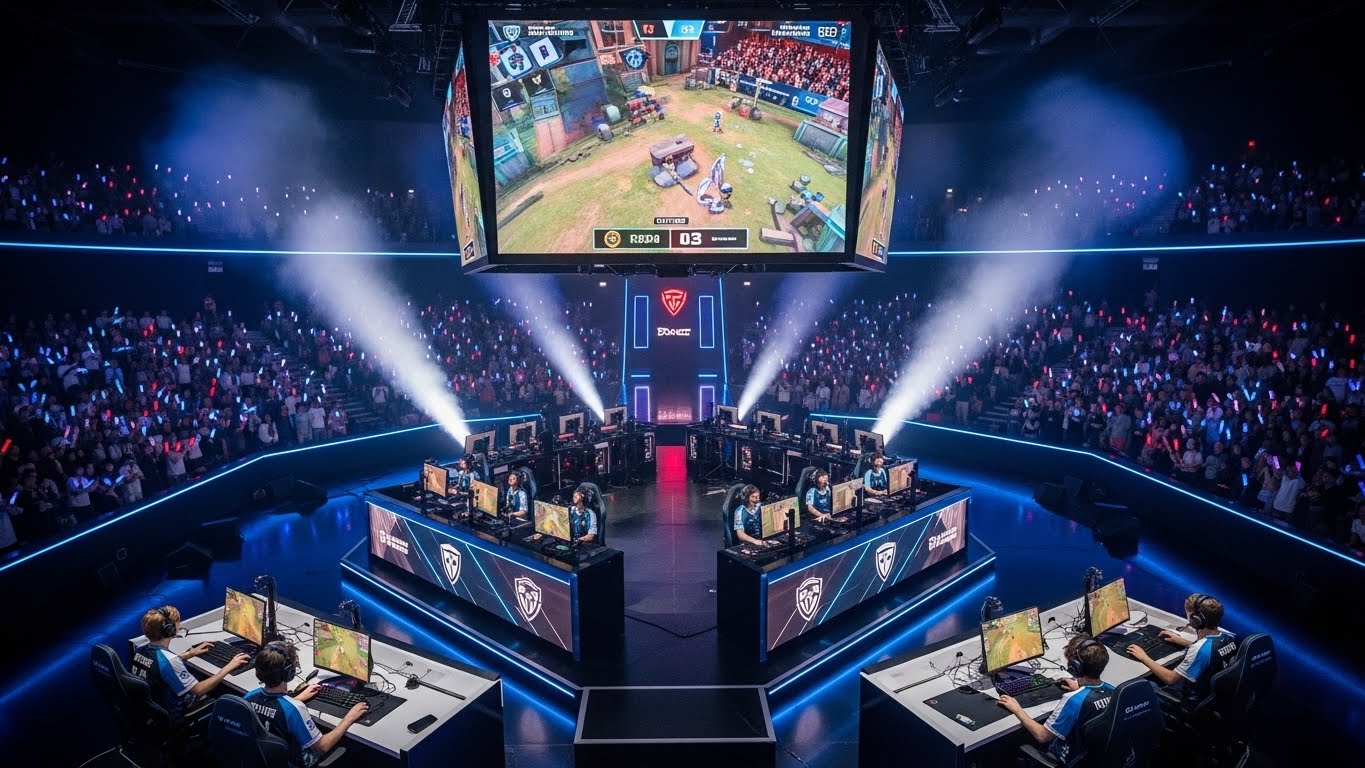
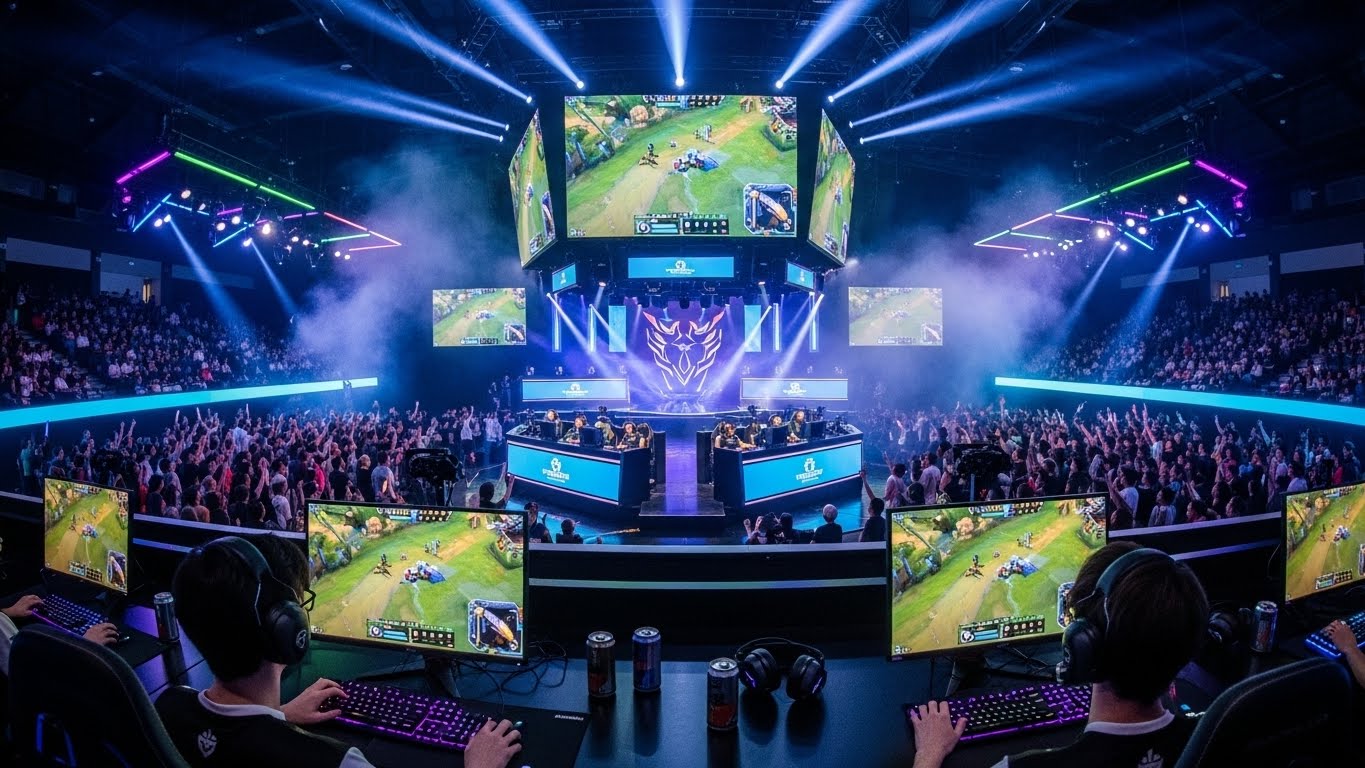
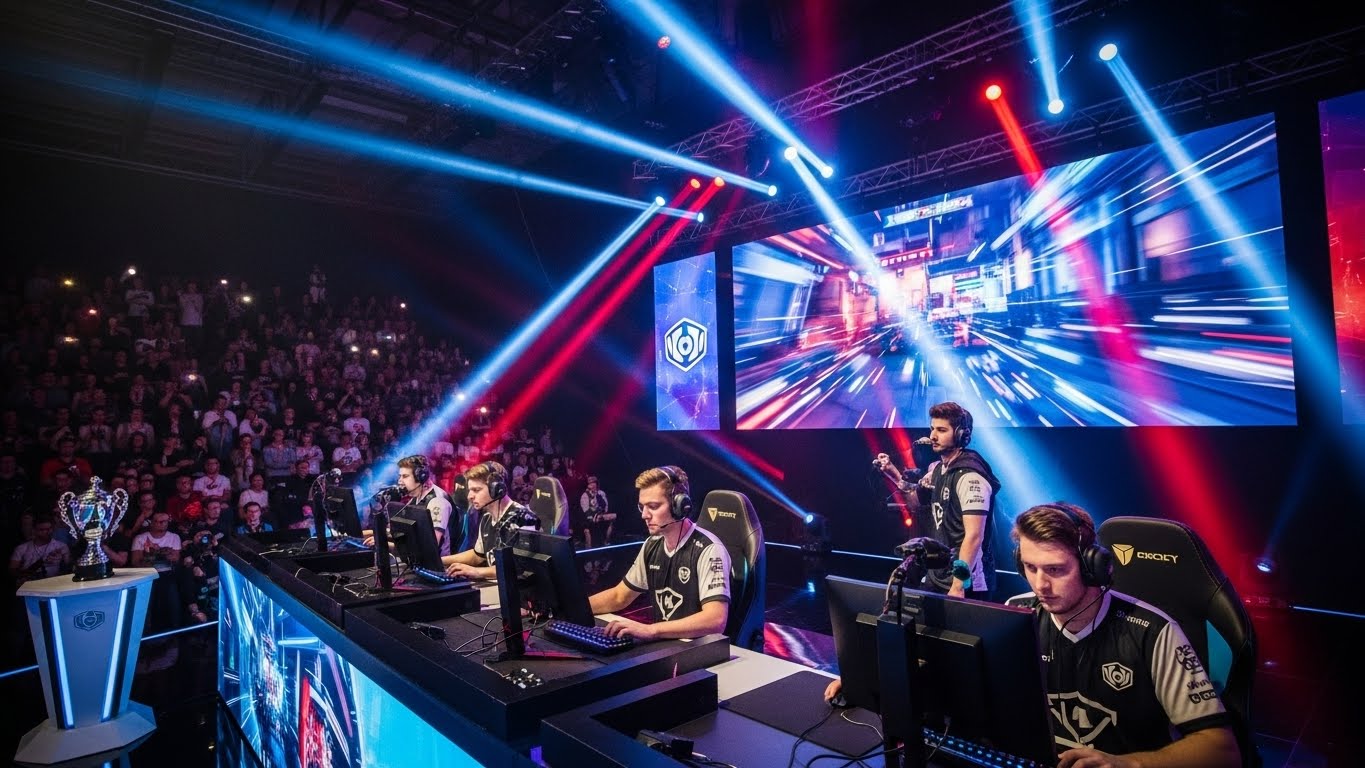
Esports tournaments have evolved into global spectacles. Events such as The International for Dota 2, the League of Legends World Championship, and the Overwatch League Finals attract millions of viewers online and fill arenas with live spectators. Prize pools often reach millions of dollars, reflecting the industry’s growth and professionalism.
High-quality production values enhance the viewing experience, with multiple camera angles, live commentary, player interviews, and audience interaction. Fans follow rivalries, team dynamics, and individual storylines, creating an immersive entertainment experience. Tournaments now combine the excitement of sport with the spectacle of entertainment, further legitimizing esports in the mainstream.
The Esports Community
The esports community is vibrant, diverse, and highly interactive. Fans engage with players, teams, and streamers through social media, forums, and streaming platforms. This interaction fosters a sense of belonging and connection, allowing audiences to actively participate in discussions, content creation, and fandom culture.
Community-driven initiatives, including fan tournaments, online leagues, and meetups, provide opportunities for amateur players to participate and develop their skills. Experienced players often mentor newcomers, sharing insights and strategies. The community emphasizes collaboration, knowledge-sharing, and celebration of talent, forming a critical backbone of esports culture.
Career Paths in Esports
Esports offers a wide range of career opportunities. Beyond professional players, roles include coaches, analysts, commentators, content creators, event organizers, and marketers. Streaming platforms provide revenue streams through subscriptions, donations, and sponsorships, while tournament winnings, team contracts, and endorsements offer additional financial incentives.
Successful esports careers require dedication, adaptability, and continuous skill development. Players must stay updated with game patches, evolving strategies, and competitive trends. Content creators balance skill demonstration with audience engagement, while coaches guide teams to maintain peak performance. The industry’s professionalization ensures that careers are viable and rewarding for those committed to their craft.
Global Influence of Esports
Esports has a significant global presence. Countries invest in infrastructure, including training centers, esports arenas, and educational programs. Universities offer scholarships for esports athletes, recognizing competitive gaming as a legitimate and valuable pursuit. Governments view esports as an economic driver and cultural ambassador, promoting technological innovation and international engagement.
International tournaments foster cross-cultural exchange, with players from diverse backgrounds competing on a global stage. Fans experience different strategies, cultures, and perspectives, building a sense of international community. Esports serves as a platform for connection, collaboration, and cultural exchange, elevating it beyond simple entertainment.
Technology Driving Esports
Technology is the backbone of esports. High-speed internet, advanced gaming hardware, and sophisticated streaming platforms enable real-time competition and global viewership. Data analytics and artificial intelligence enhance player performance, strategic planning, and audience engagement.
Emerging technologies, such as virtual reality, augmented reality, and cloud gaming, promise to further transform esports. These innovations will provide immersive experiences for players and spectators alike, enabling interactive tournaments, personalized content, and expanded accessibility. Technology continues to shape the evolution and future of esports.
Mental Health and Player Well-Being
While esports offers opportunities and excitement, it also presents challenges to mental health. High-intensity competition, long hours of practice, and public scrutiny can contribute to stress, burnout, and fatigue. Teams and organizations increasingly recognize the importance of psychological support and wellness programs to maintain player health.
Balancing gaming with physical activity, rest, and social engagement is essential. Maintaining mental and physical well-being ensures longevity and peak performance in esports careers. Awareness of these challenges has led to more structured support systems and a focus on sustainable practices for players.
Mainstream Recognition and Legitimacy
Esports has gained mainstream recognition. Major media outlets cover tournaments, celebrities invest in teams, and brands sponsor events. Universities and educational institutions support esports programs and scholarships, acknowledging the legitimacy of competitive gaming. Traditional sports organizations have also embraced esports, creating professional divisions and hosting competitions.
Standardized rules, professional leagues, and international tournaments have established esports as a credible and respected form of competition. Its cultural and economic significance continues to grow, bridging the gap between digital entertainment and traditional sports.
The Future of Esports
The future of esports is dynamic, innovative, and immersive. Fans increasingly demand interactive experiences, live engagement, and personalized content. Virtual and augmented reality technologies are likely to redefine both gameplay and spectating. Artificial intelligence and cloud-based solutions will enhance player performance, tournament organization, and fan experiences.
Despite technological advancements, the core of esports remains unchanged: skill, strategy, teamwork, and passion. The industry will continue to evolve, offering exciting opportunities for players, fans, and stakeholders while maintaining its identity as a competitive and culturally significant arena.
Conclusion
Esports has evolved from casual gaming to a global digital arena. It combines skill, strategy, teamwork, and entertainment, offering professional career opportunities, cultural impact, and engaging experiences for millions of fans. Players train like traditional athletes, tournaments captivate audiences, and communities foster connection, mentorship, and shared enthusiasm.
The growth of esports reflects human creativity, technological advancement, and the universal appeal of competition. It has moved beyond a hobby to become a professional, cultural, and economic force. As esports continues to develop, it will offer new experiences, opportunities, and global connections, shaping the future of digital entertainment and competition for generations to come.
Esports celebrates skill, strategy, and innovation, demonstrating that competitive gaming is a legitimate, enduring, and evolving part of modern culture. Its story continues to unfold, offering boundless potential for players, fans, and the industry alike.