championlounge06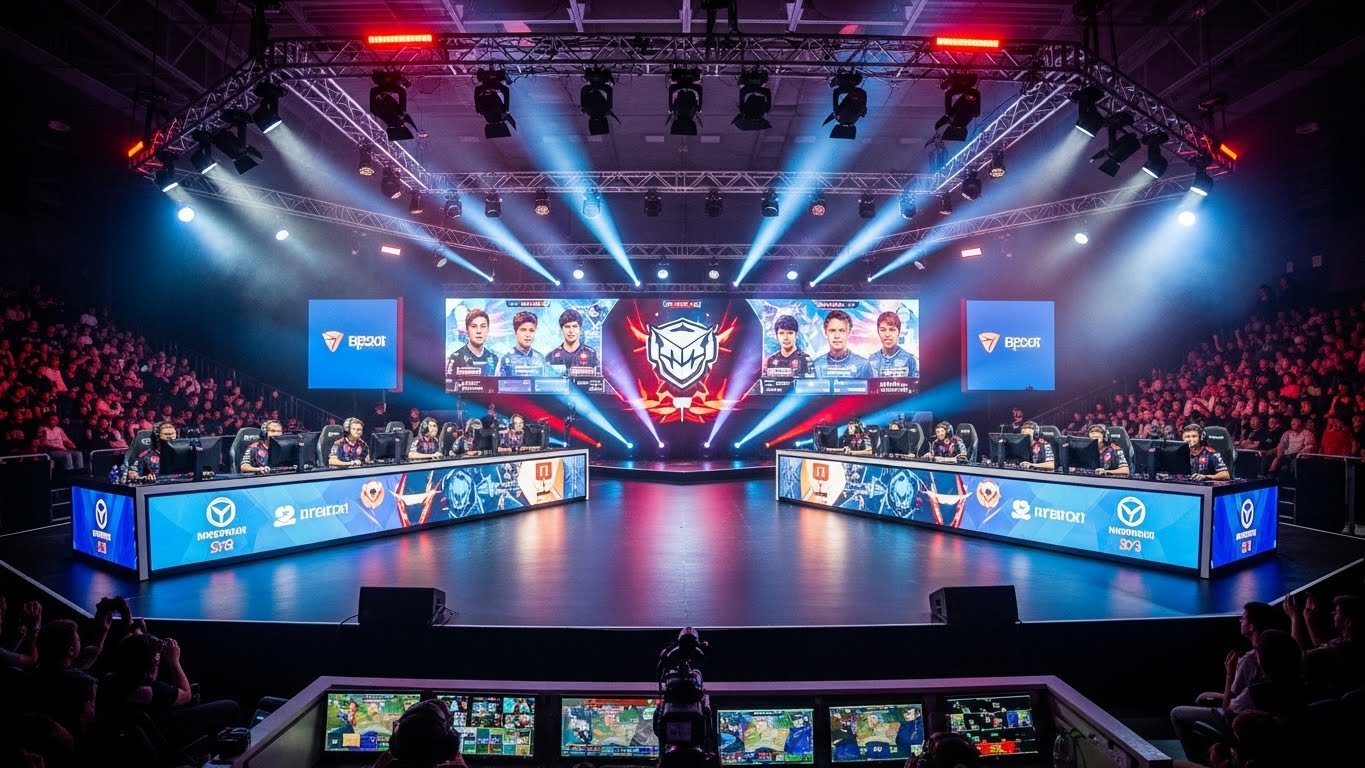
Introduction: The Digital Revolution of Competitive Gaming
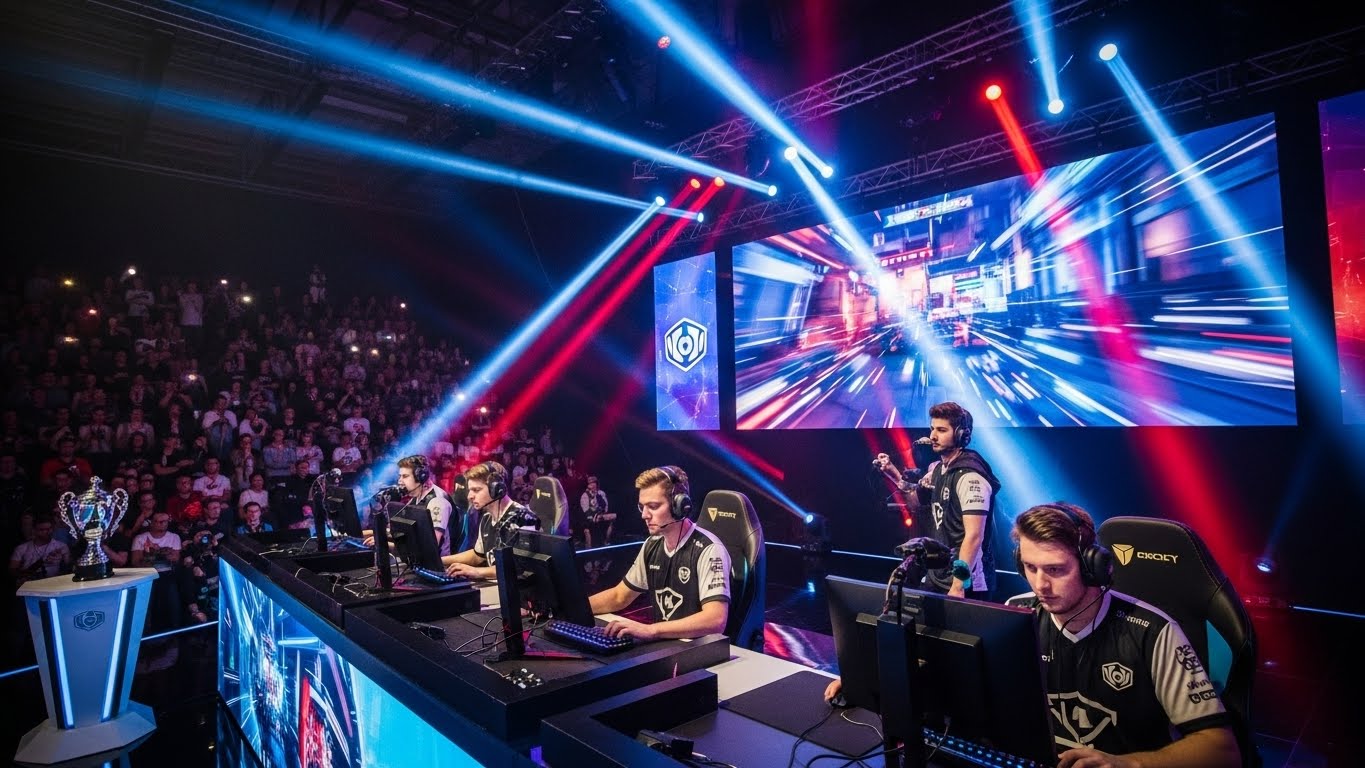
In the past decade, esports has evolved from a small community of gamers into a global phenomenon that rivals traditional sports in both viewership and revenue. What once was a niche pastime has now become a professional industry attracting millions of fans, sponsors, and aspiring athletes worldwide. Esports is not just about playing games; it is a complex ecosystem where technology, entertainment, competition, and culture intersect. Understanding esports today involves exploring its history, professional structure, community influence, and future potential.
Defining Esports: More Than Just Gaming
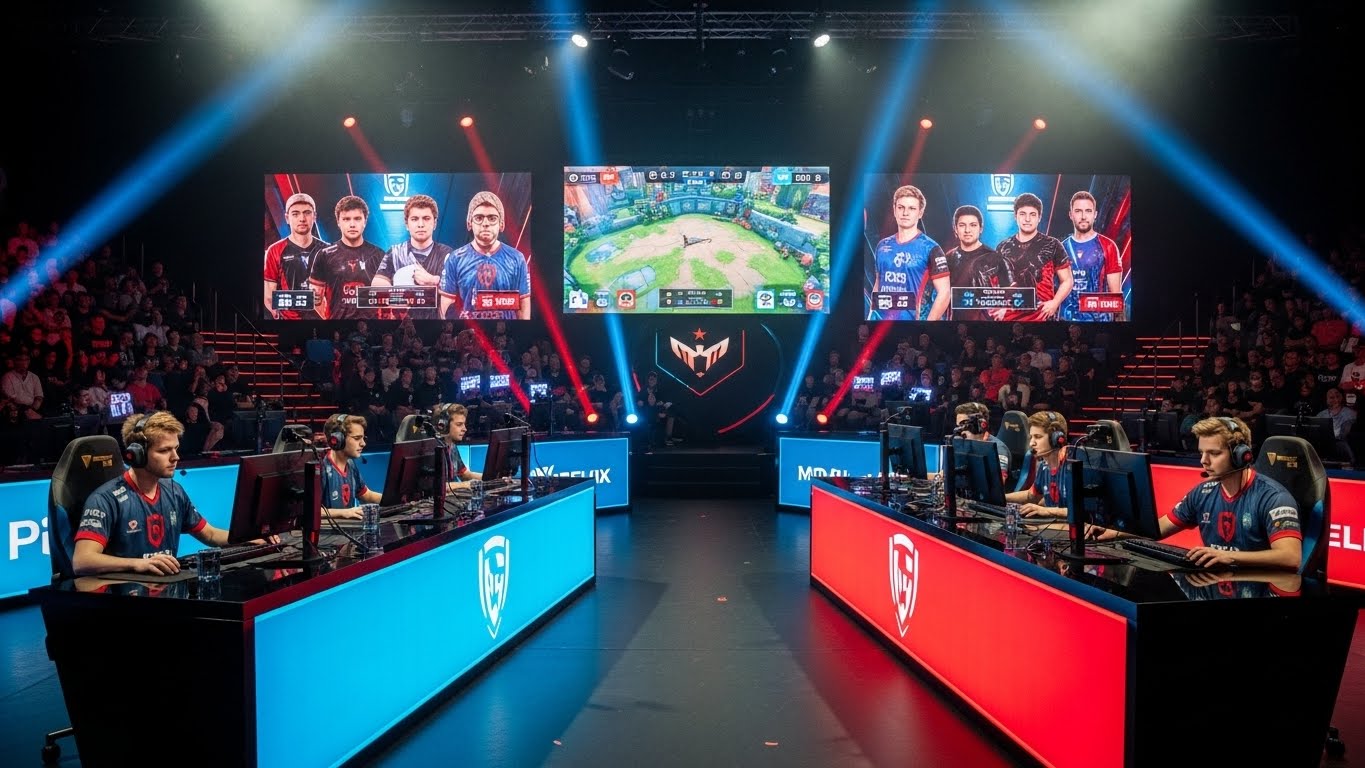
Esports, short for electronic sports, refers to organized competitive gaming where players or teams compete in video games under structured rules and professional settings. Unlike casual gaming, esports emphasizes skill, strategy, teamwork, and consistency. Players train rigorously, often spending hours daily honing their reflexes, communication, and tactical decision-making. Popular genres include first-person shooters, multiplayer online battle arenas, real-time strategy games, fighting games, and sports simulations. Each genre requires a unique blend of skills, but all share the common goal of high-level competitive performance.
The Origins of Competitive Gaming
The roots of esports can be traced back to arcade competitions and early computer tournaments where high scores were a source of pride and local recognition. These early competitions were often informal, taking place in arcades, school computer labs, or online forums. With the rise of the internet, competitive gaming expanded across regions, allowing players to compete virtually. Developers began recognizing the potential of esports, introducing tournament modes and spectator-friendly features that encouraged large-scale competitions. Gradually, these small beginnings evolved into the professional esports ecosystem we see today, complete with leagues, teams, and international tournaments.
Key Games That Shaped Esports
Certain video games have become iconic within the esports industry due to their balance of skill, strategy, and spectator appeal. Multiplayer online battle arenas reward teamwork and tactical thinking, while first-person shooters highlight reflexes, precision, and coordination. Fighting games emphasize individual skill and mental resilience, often featuring intense one-on-one battles. Sports simulation games bridge the gap between traditional sports fans and the gaming community. These games have not only shaped competitive gaming but also influenced how audiences engage with esports, creating dedicated fan bases and global recognition for top players.
Professional Players: The Athletes of the Digital Age
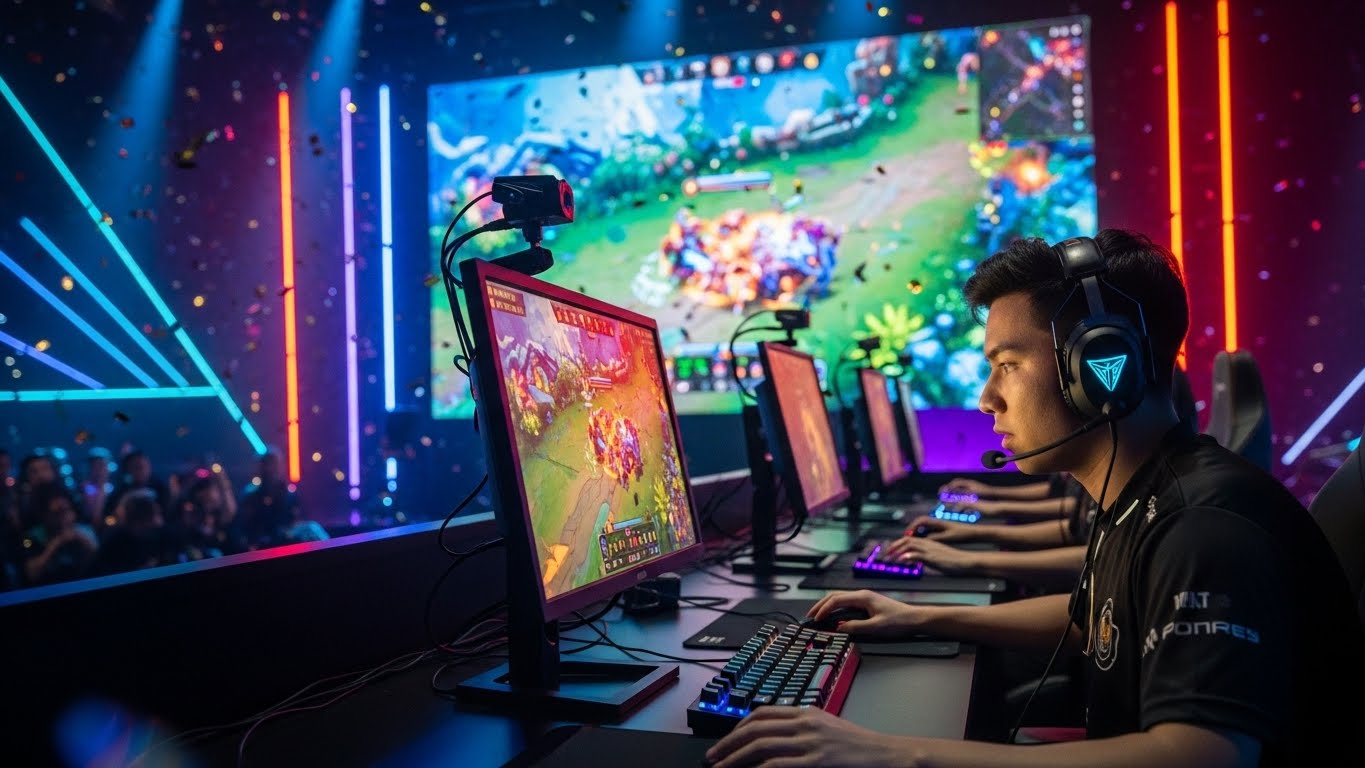
Professional esports players are often mistaken as casual gamers who achieved fame by chance. In reality, they follow highly structured routines, similar to traditional athletes. Daily practice, physical fitness, mental conditioning, and strategic analysis are critical to maintaining peak performance. Top players often work with coaches, analysts, nutritionists, and psychologists to optimize their skills. The pressure of performing consistently in front of millions of viewers requires resilience, focus, and adaptability, making esports players some of the most disciplined athletes in the world.
The Rise of Esports Teams and Organizations
Behind every successful esports player is an organization that manages training, logistics, sponsorships, and brand building. Esports teams operate like traditional sports clubs, with rosters, substitutes, coaches, and support staff. Competitive structures vary across regions, including open tournaments, seasonal leagues, and franchise-based competitions. This organizational framework ensures professional growth, stability, and opportunities for emerging talent. As esports matures, these teams have become brands in their own right, attracting sponsorship deals, merchandising opportunities, and global fan followings.
Streaming and Community Engagement
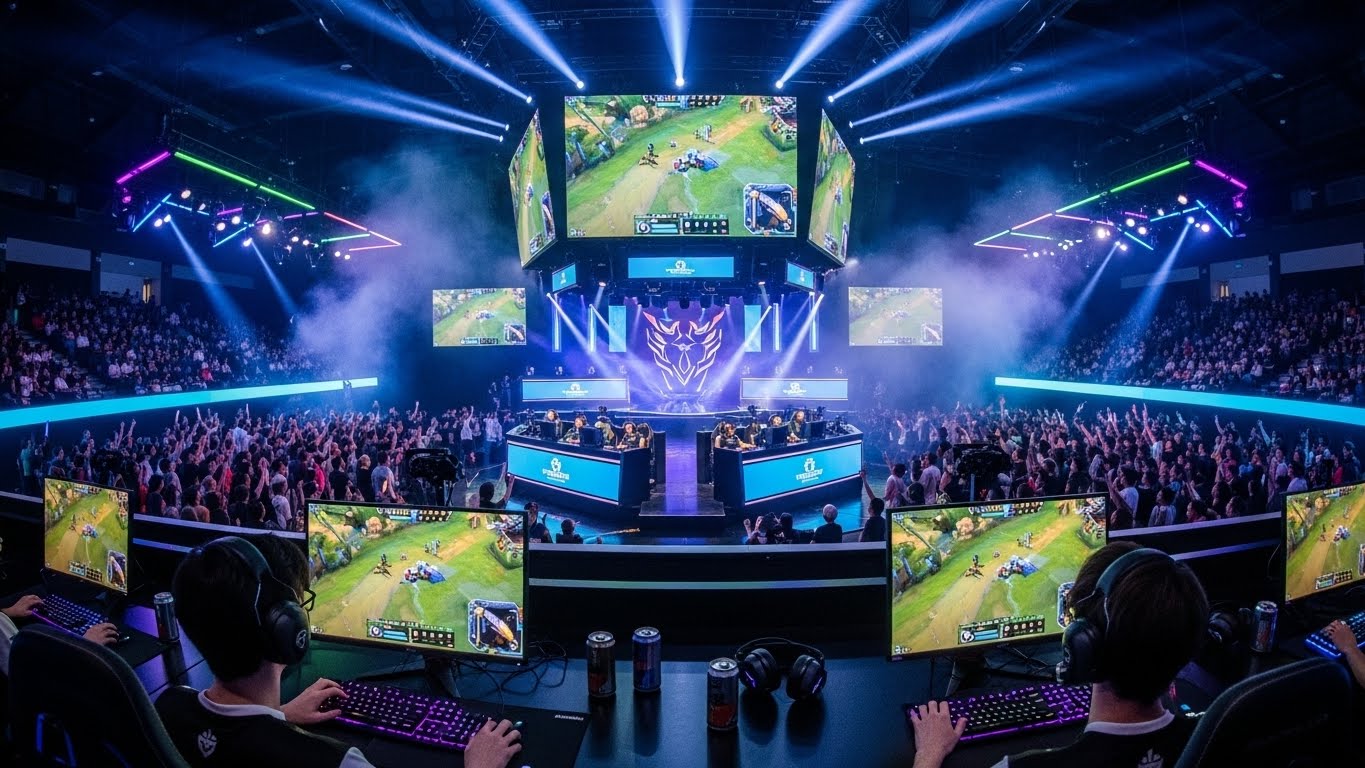
Streaming platforms have revolutionized how esports is consumed and experienced. Fans can watch live matches, interact with players, and participate in discussions in real time. These platforms create communities where viewers feel connected to their favorite players and teams. Content creators further expand the ecosystem by offering tutorials, entertainment streams, and behind-the-scenes insights. Esports thrives not only because of high-level competition but also because it fosters social connections and a sense of belonging among its audience.
Economic Impact and Career Opportunities
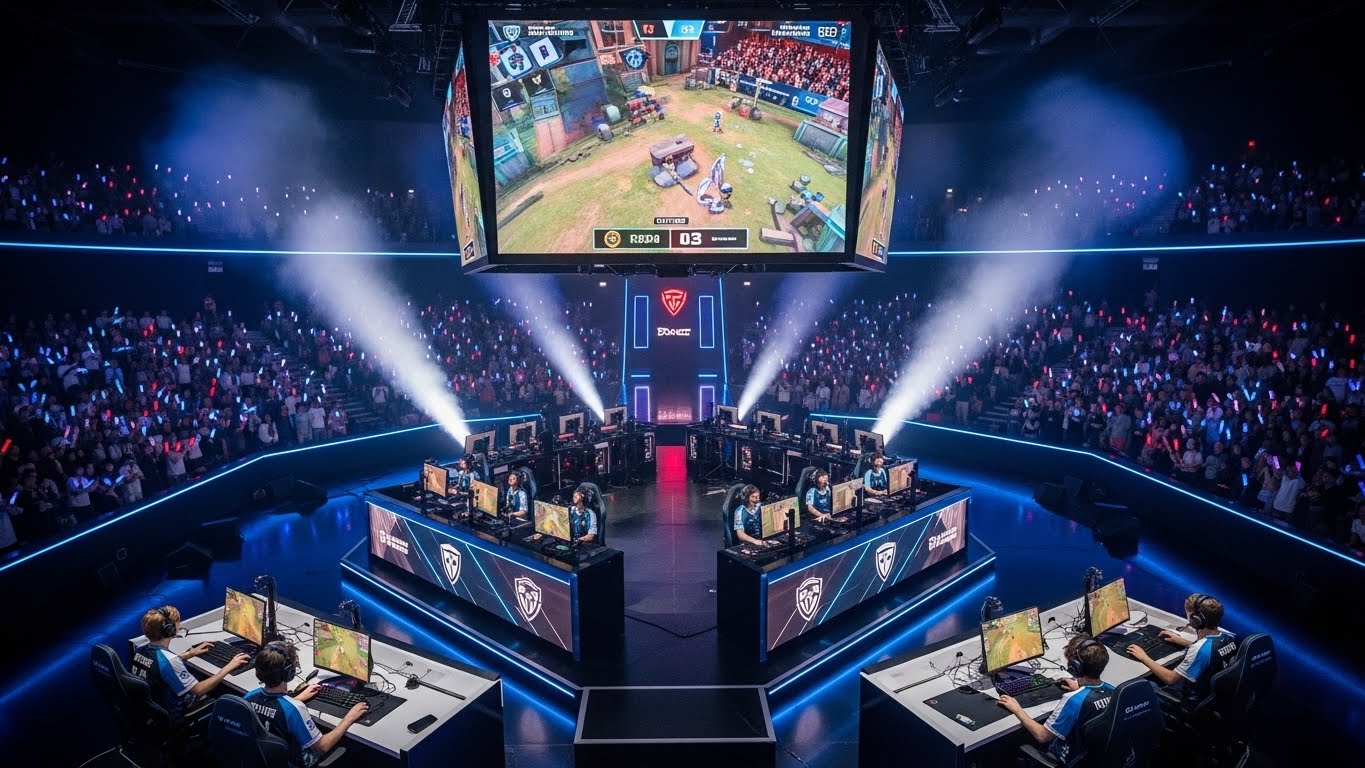
The esports industry has grown into a multi-billion-dollar global market, generating revenue through sponsorships, advertising, media rights, merchandise, ticket sales, and in-game purchases. Beyond professional players, the industry offers career paths in event management, broadcasting, marketing, software development, graphic design, coaching, and journalism. Educational institutions have begun offering specialized courses in esports management, production, and marketing. This economic expansion demonstrates that esports is no longer a hobby but a legitimate industry with sustainable career opportunities.
Technology: The Backbone of Esports
Technology plays a central role in the growth and success of esports. High-performance gaming hardware, low-latency internet connections, and advanced peripherals ensure competitive integrity. On the broadcasting side, sophisticated production techniques, including instant replays, detailed statistics, and cinematic camera angles, enhance the viewing experience. Emerging technologies such as virtual reality, augmented reality, and artificial intelligence are poised to redefine the way esports is played, analyzed, and enjoyed, making the industry more immersive and innovative.
Cultural Impact and Mainstream Recognition
Esports has moved beyond gaming circles to influence mainstream culture. Professional players have become public figures, and teams collaborate with global brands, musicians, and fashion labels. Major sporting organizations now recognize esports as a legitimate competitive field, integrating digital competitions into their portfolios. International tournaments foster cross-cultural interactions, creating global fan communities that transcend borders. Esports has shifted from a subculture to a mainstream phenomenon, particularly among younger generations who view digital competition as both entertainment and sport.
Challenges Facing the Esports Industry
Despite its rapid growth, esports faces significant challenges. Player burnout is common due to demanding schedules and high-performance pressure. Issues such as cheating, unfair play, and the use of performance-enhancing software threaten competitive integrity. Financial instability can affect smaller teams and regional leagues, limiting their long-term viability. Additionally, fostering inclusivity and maintaining respectful behavior within online communities remain ongoing concerns. Addressing these challenges is crucial for the sustainable development and credibility of the esports industry.
Health and Well-being in Esports
Modern esports organizations increasingly prioritize the health and well-being of players. Training regimens now incorporate physical exercise, proper nutrition, sleep schedules, and mental health support. Awareness of posture, eye strain, and repetitive stress injuries has led to improved gaming environments and equipment design. Educating young gamers on responsible gaming habits is also a priority, ensuring that enthusiasm for competition does not come at the cost of personal health. Long-term success in esports is now measured by both performance and the sustainability of players’ well-being.
The Future of Esports
The future of esports is dynamic and full of potential. Technological advancements will create more immersive and interactive experiences for both players and viewers. Grassroots programs and educational initiatives will nurture young talent, expanding the pool of future professionals. Global tournaments will grow in scale, while regional competitions maintain local identity and cultural relevance. Esports may increasingly influence traditional sports, introducing digital elements into established athletic formats. At its core, esports reflects the timeless human desire to compete, excel, and connect with others through shared passion.
Conclusion: More Than Just a Game
Esports represents a paradigm shift in how competition, entertainment, and community intersect in the digital age. It combines technology, skill, culture, and storytelling into an industry that resonates with millions worldwide. Beyond the screen, esports showcases dedication, teamwork, resilience, and ambition. As it continues to grow, esports will not only redefine gaming but also influence broader cultural and professional landscapes, proving that digital competition is more than just a game—it is a global movement shaping the future of entertainment and human connection.