championlounge06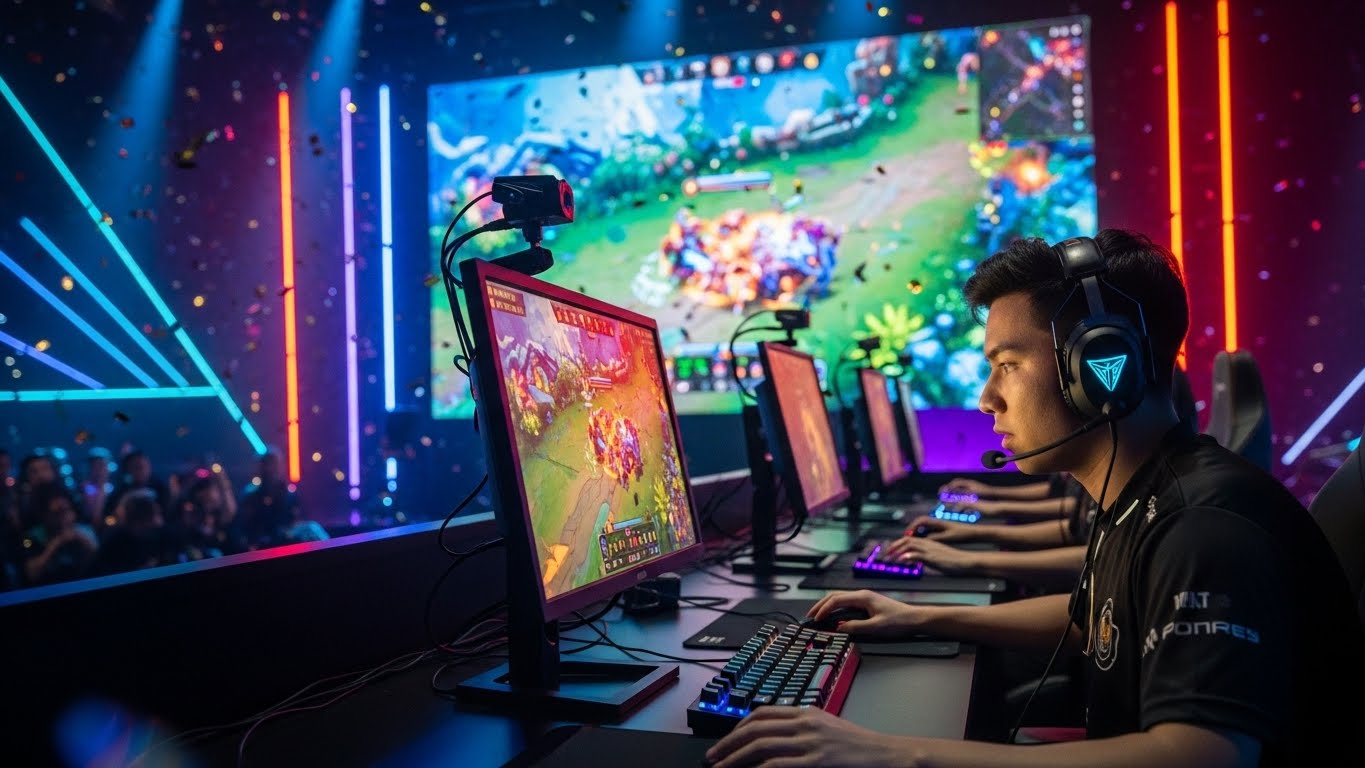
Esports has grown from a niche hobby into a global cultural and professional phenomenon. What was once casual gaming among friends has evolved into structured competitions with professional teams, international tournaments, and millions of dedicated fans. Esports combines skill, strategy, technology, and entertainment, creating a new form of competition that rivals traditional sports in popularity, intensity, and cultural impact.
What Is Esports?
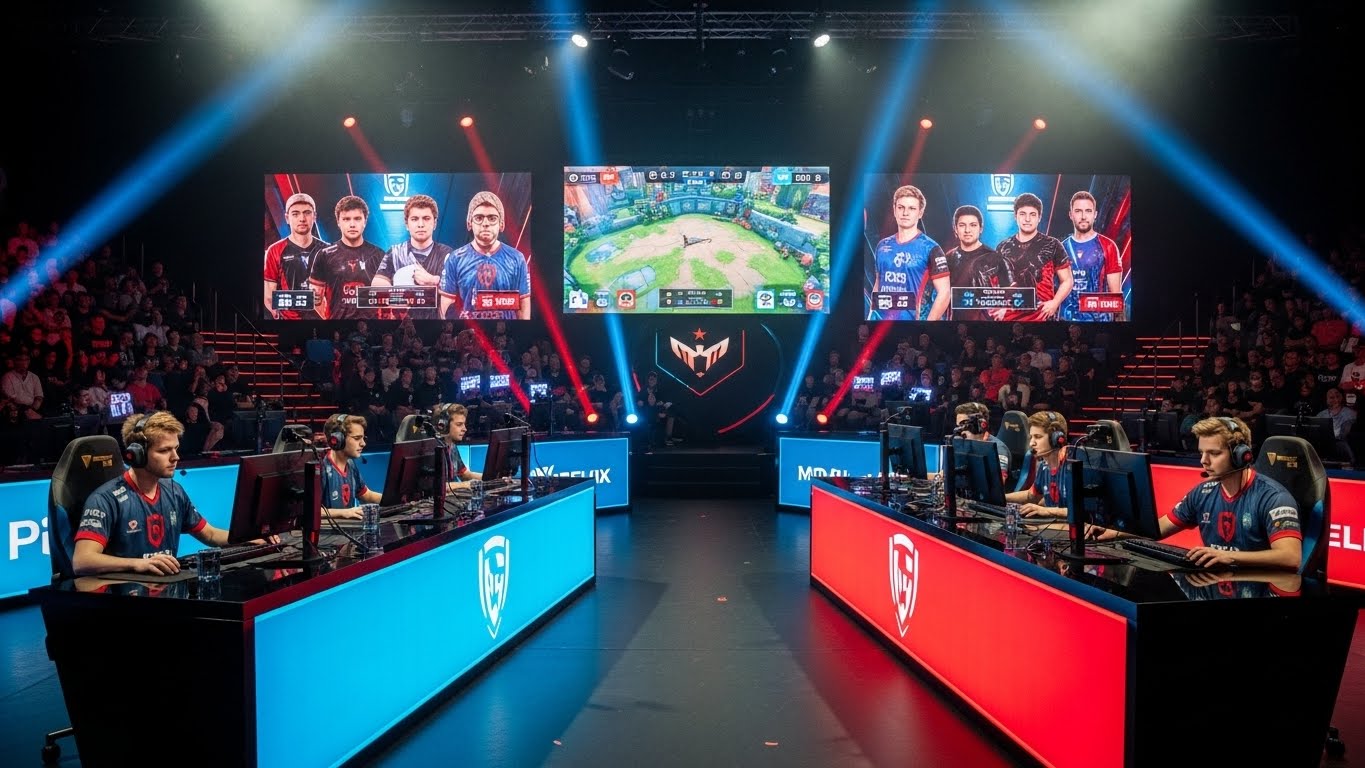
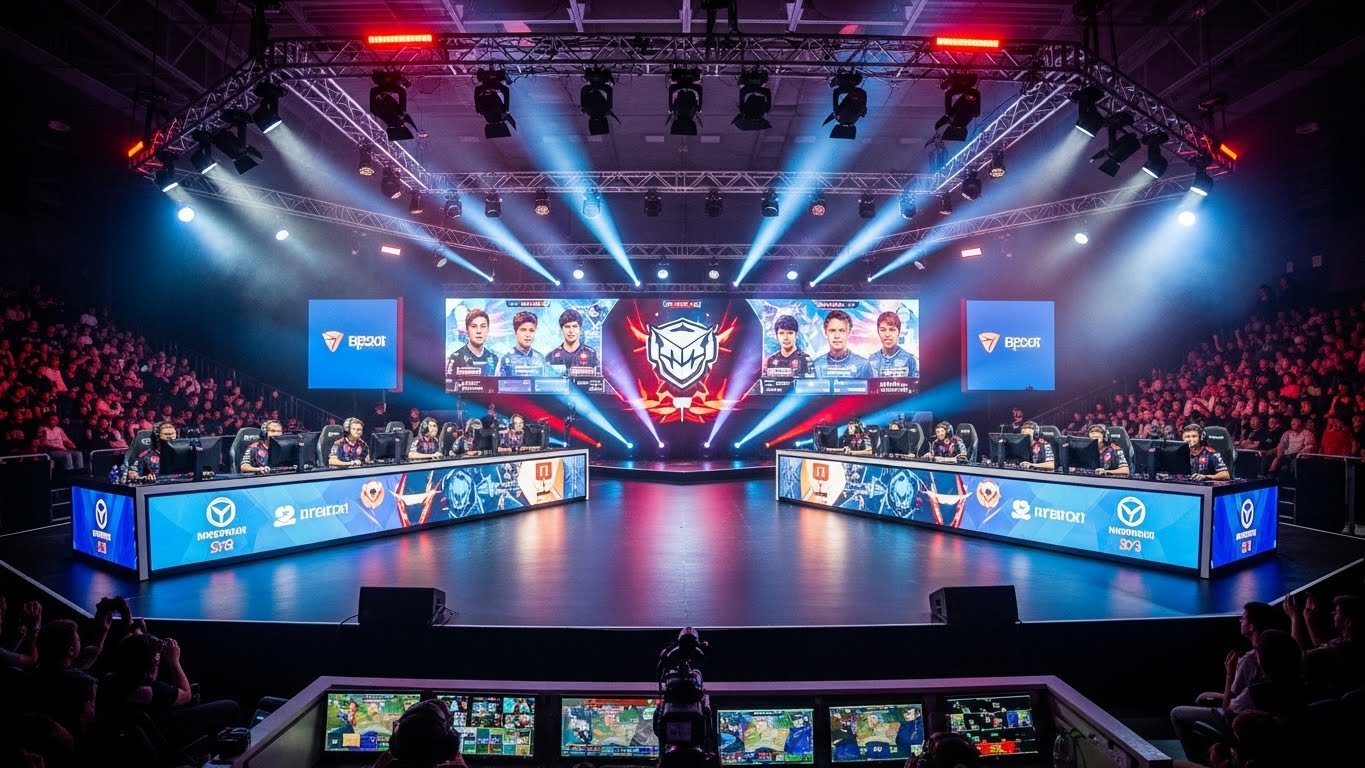
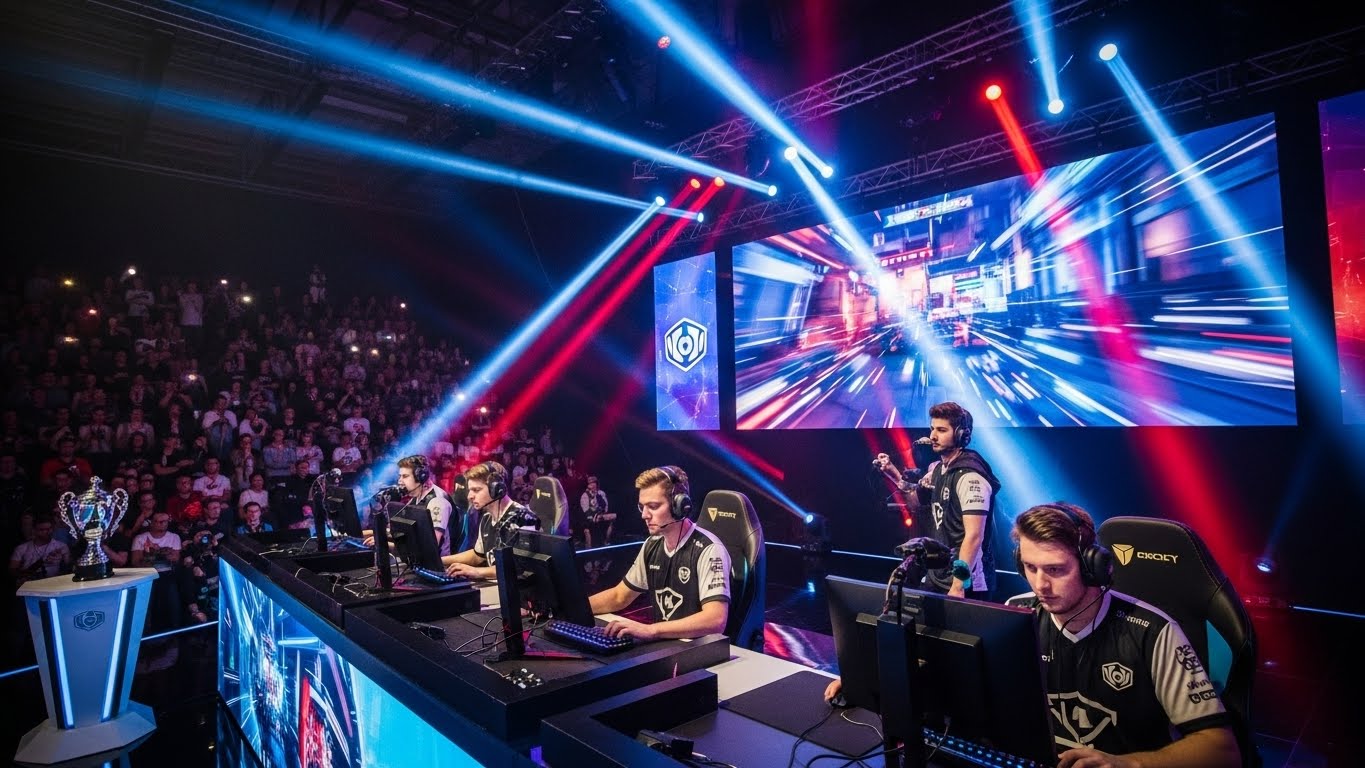
Esports, short for electronic sports, refers to organized competitive gaming. Unlike casual play, esports involves structured tournaments, official rules, and professional players who dedicate hours of training to perfect their skills. Matches are often streamed to global audiences, and the top competitions attract prize pools rivaling those of major traditional sporting events.
Esports is unique because, while competition occurs in digital spaces, the stakes, pressure, and skill level are comparable to any physical sport. Players must combine technical ability, strategic thinking, teamwork, and mental resilience to succeed.
The Origins of Competitive Gaming
The origins of esports can be traced back to early gaming competitions in the late 20th century. Arcades hosted high-score challenges and small local tournaments where players competed for recognition and modest prizes. These early competitions built a community of dedicated gamers and sparked the idea that gaming could be competitive on a larger scale.
The rise of personal computers and internet connectivity in the 1990s changed everything. Games like StarCraft, Quake, and Counter-Strike allowed players to compete online, opening the door to international competition. These developments laid the foundation for modern esports, turning casual gaming into a serious competitive endeavor.
The Professionalization of Esports
As competitive gaming grew in popularity, professional teams and organizations emerged. Players began signing contracts, practicing under strict schedules, and competing in organized leagues. Sponsorships and brand partnerships became common, and tournaments started offering substantial prize money.
Professional esports teams operate similarly to traditional sports franchises, employing coaches, analysts, and support staff to optimize performance. Top players achieve celebrity status, and tournaments attract live and online audiences in the millions. This professionalization has legitimized esports as a recognized industry.
Popular Esports Game Categories
Esports encompasses a wide range of game genres, each with unique skill requirements. Multiplayer online battle arena (MOBA) games, such as League of Legends and Dota 2, focus on teamwork, map control, and strategy. First-person shooters (FPS) like Counter-Strike: Global Offensive and Valorant demand precision, reflexes, and quick decision-making.
Fighting games emphasize timing, prediction, and psychological tactics. Sports simulations, including FIFA and NBA 2K, replicate real-world sports in digital form, appealing to traditional sports fans. Battle royale and strategy games offer dynamic challenges and promote both individual skill and teamwork. This diversity allows esports to attract a broad audience with varying preferences.
Training and Skill Development
Professional esports players undergo rigorous training routines. Daily practice involves mechanical drills, strategy sessions, and reviewing match footage to identify mistakes. Physical fitness is also important, as endurance, posture, and reflexes influence performance during long sessions.
Mental discipline is equally critical. Players must stay focused under pressure, adapt to unexpected situations, and maintain emotional control. High-level esports requires a combination of cognitive ability, physical coordination, and psychological resilience.
Teamwork and Strategy
Many esports games are team-based, making communication and cooperation essential. Teams develop strategies tailored to their strengths and opponents’ weaknesses. Effective teamwork relies on trust, clear communication, and adaptability.
Coaches and analysts play a significant role in strategy development. They study opponents, provide feedback, and ensure players maintain peak performance. Strong team chemistry often distinguishes championship teams from average competitors, highlighting the importance of collaboration in esports.
Spectatorship and Community
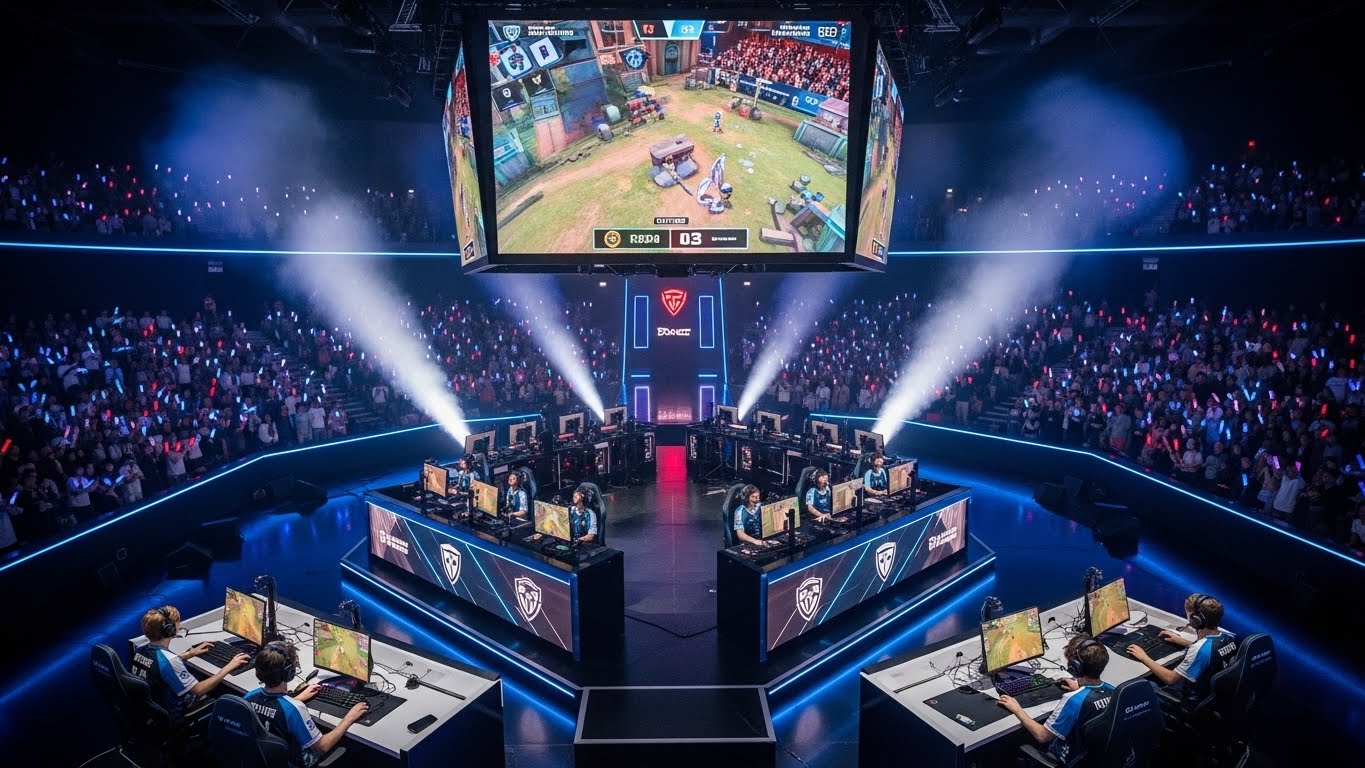
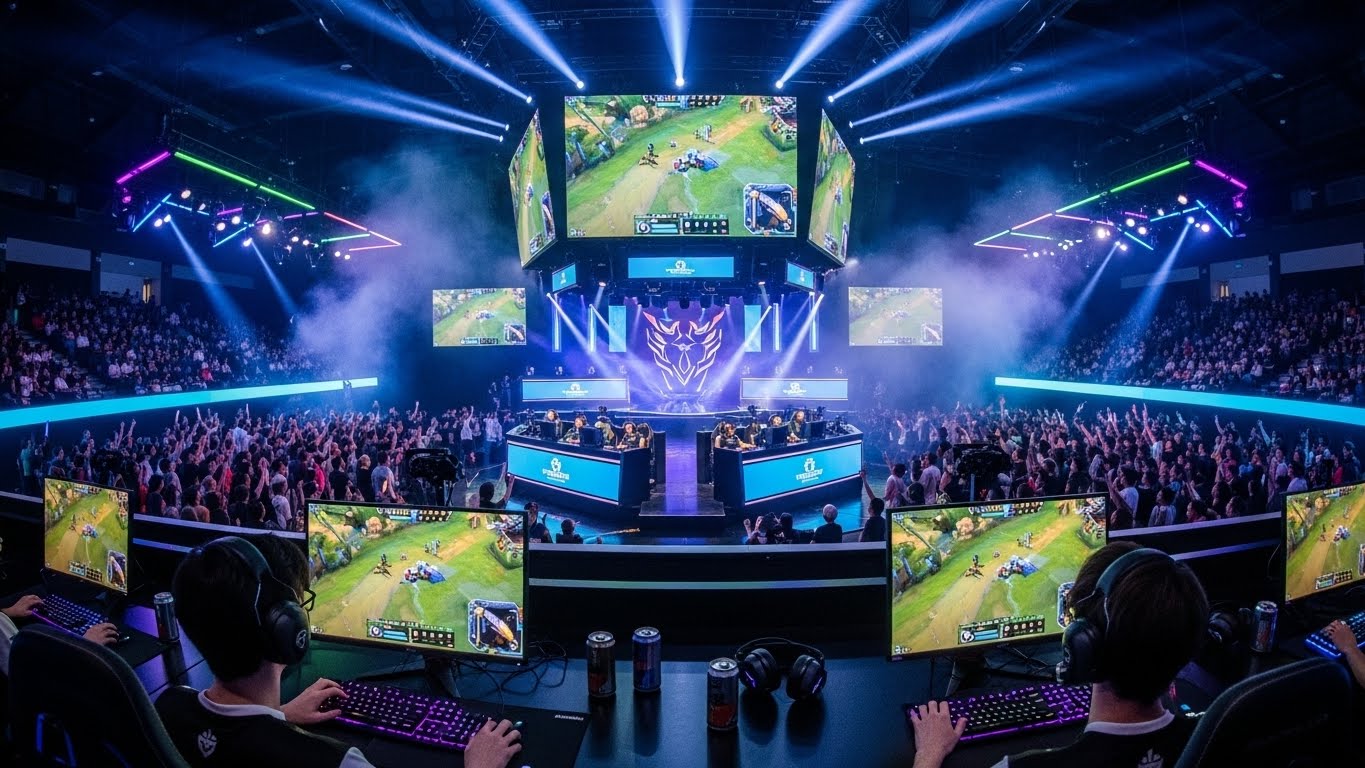
One of the reasons esports has exploded in popularity is its spectator appeal. Fans watch live matches, follow professional leagues, and engage with content through streaming platforms. Commentary and analysis enhance the experience, helping audiences understand complex strategies and appreciate high-level play.
Esports fosters a strong sense of community. Fans discuss matches, celebrate victories, and share their passion with others worldwide. Online communities, forums, and social media create spaces for interaction and collective fandom, making esports both participatory and social.
The Economic Impact of Esports
Esports has become a significant economic driver. Revenue comes from sponsorships, advertising, media rights, merchandise, and event ticket sales. Professional players earn income through salaries, tournament winnings, and personal branding.
The industry also supports diverse careers, including broadcasting, event management, graphic design, marketing, and content creation. The growth of esports has generated new business opportunities and contributed to the global digital economy.
Careers Beyond Playing
Not all esports careers involve playing professionally. Many roles exist in coaching, commentary, analysis, marketing, content creation, and event management. Former players often transition into these positions, sharing their expertise and experience.
Streaming and content creation have opened further opportunities. Personal branding allows gamers to reach global audiences, earn income, and influence esports culture. The industry’s diversity makes esports a sustainable professional ecosystem.
Education and Skill Development
Esports is increasingly recognized in education. Competitive gaming programs in schools and universities teach teamwork, communication, critical thinking, and problem-solving. Students learn to balance competition with academics, developing transferable skills valuable in many careers.
Colleges and universities offer scholarships for esports, reflecting its growing legitimacy as a structured and respected activity. Esports programs provide pathways into technology, business, and media fields, demonstrating that competitive gaming can foster both personal and professional growth.
Inclusivity and Accessibility
Esports has the potential to be highly inclusive. Physical strength, height, and age are less important than skill and dedication. This accessibility allows individuals from diverse backgrounds to participate.
Efforts to improve diversity and representation continue. Women’s esports leagues, mixed-gender competitions, and accessible gaming initiatives aim to make esports welcoming for everyone. Inclusivity strengthens the community and ensures the long-term sustainability of the industry.
Challenges Facing Esports
Despite its rapid growth, esports faces challenges. Player burnout, mental health concerns, and the short career span of competitive gamers are critical issues. Long hours of practice and intense pressure can lead to physical and emotional strain.
Regulation and fair play also remain challenges. Maintaining integrity, ethical standards, and consistent rules across tournaments is essential for long-term credibility. Addressing these challenges responsibly is key to esports’ sustainable growth.
The Future of Esports
The future of esports is full of potential. Emerging technologies, including virtual reality, augmented reality, and AI-driven analytics, will enhance gameplay, training, and viewing experiences. New competitive formats and games will continue to attract audiences worldwide.
Esports is likely to integrate further with mainstream culture, education, and traditional sports. As digital competition becomes more widely accepted, esports will shape the future of entertainment, competition, and social interaction.
Conclusion
Esports represents a modern revolution in competitive culture. It combines strategy, technology, skill, and entertainment, creating a unique form of competition that transcends physical boundaries. From small local tournaments to global championships, esports demonstrates the power of dedication, teamwork, and innovation.
As the industry continues to expand, esports will inspire new generations of players, create career opportunities, and connect communities globally. It is not just a form of gaming; it is a transformative cultural and professional phenomenon shaping the future of entertainment.