championlounge06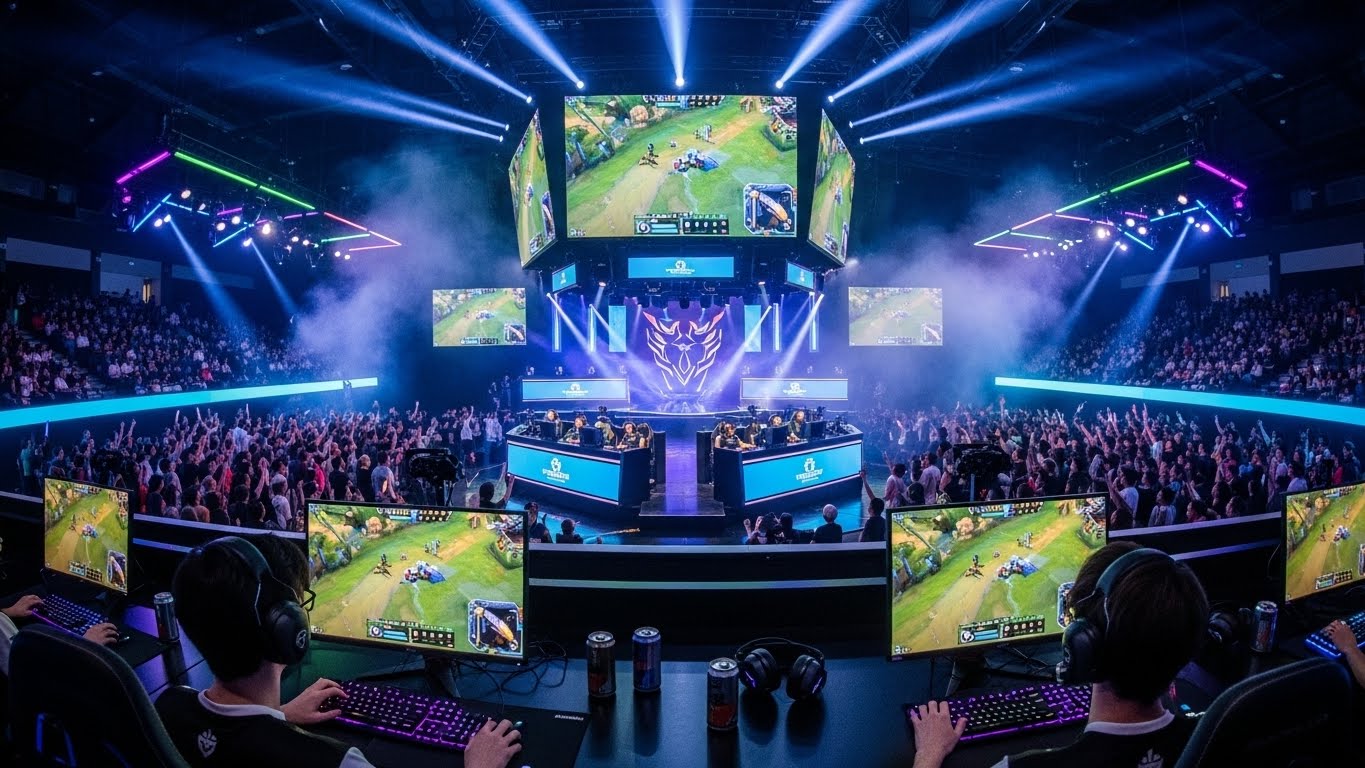
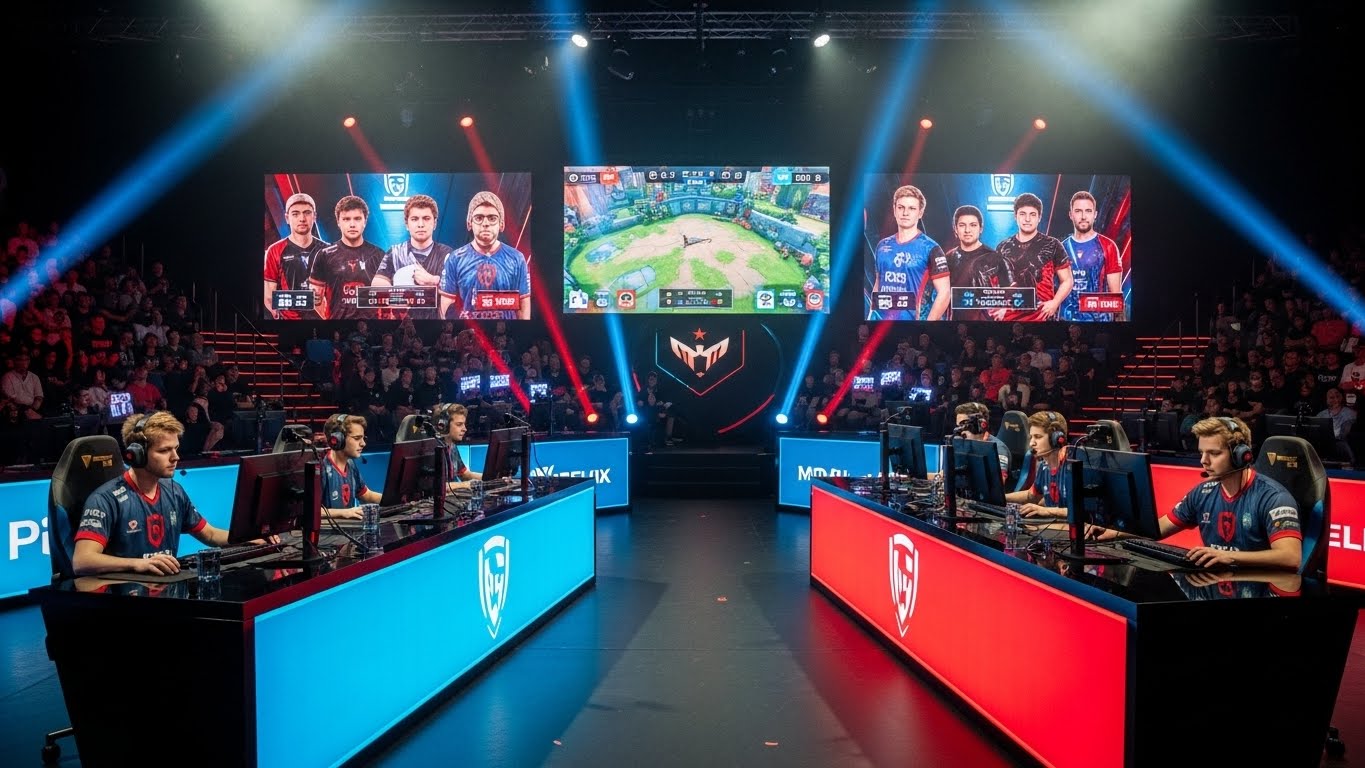
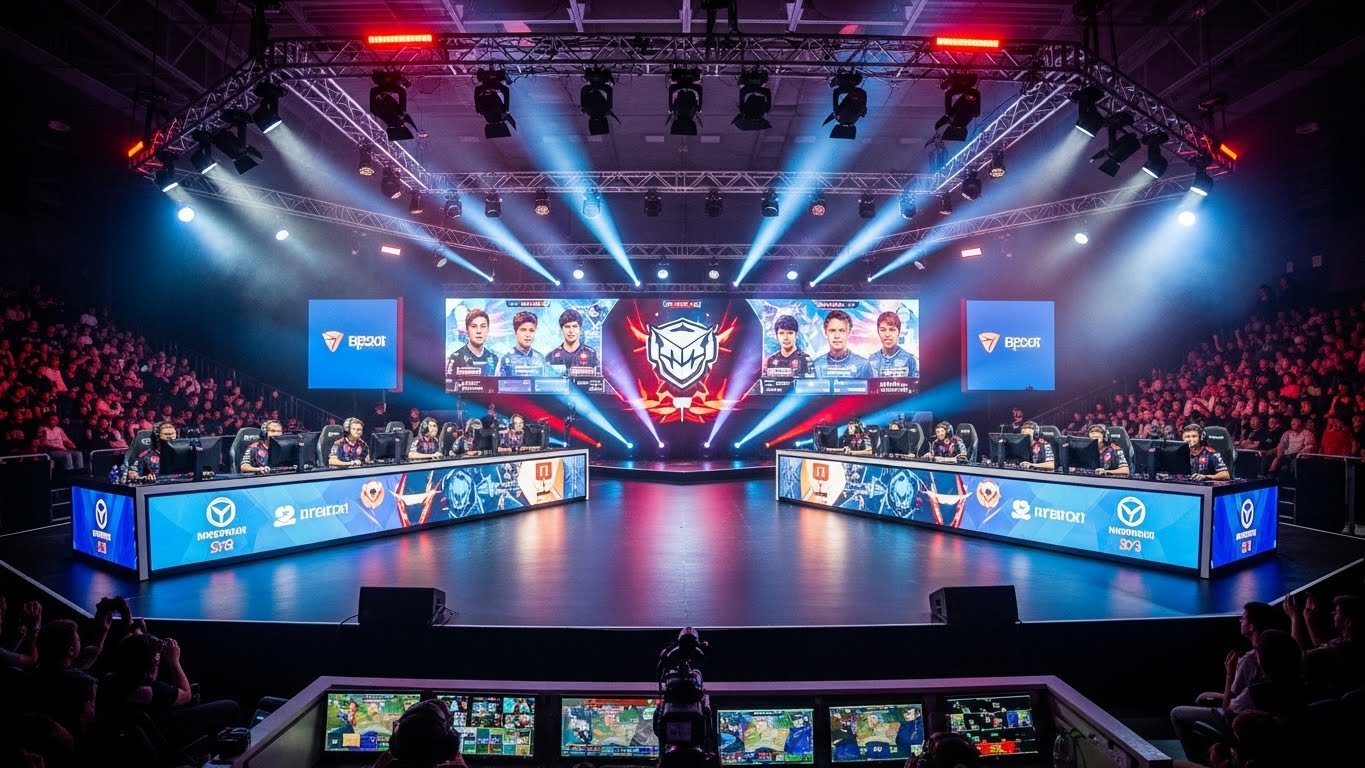
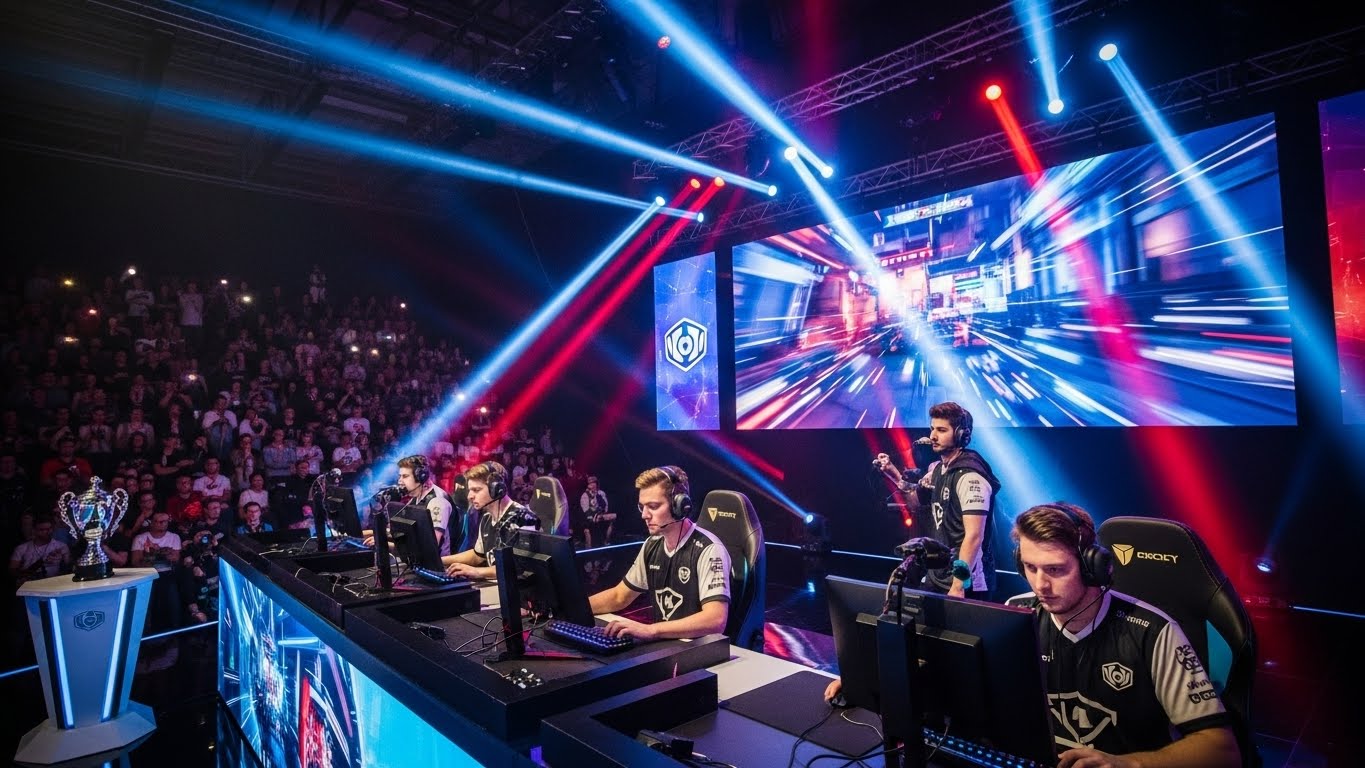
Esports has grown from a small niche of video gaming enthusiasts into a global phenomenon that rivals traditional sports in popularity, revenue, and cultural influence. Once seen as mere entertainment for hobbyists, esports is now a serious competitive arena with professional players, massive audiences, and lucrative sponsorships. This blog explores the evolution of esports, its social and economic impact, the demands on professional players, and how it is shaping the future of entertainment and competition.
Understanding Esports
Esports, short for electronic sports, refers to organized, competitive gaming where individuals or teams compete in tournaments or leagues. Unlike casual gaming, esports requires high-level skills, strategy, teamwork, and discipline. Professional players dedicate hours daily to practice, analyze gameplay, and study opponents. The intensity of competition and preparation in esports is comparable to traditional sports, proving that competitive gaming is more than just a hobby.
What makes esports unique is its digital foundation. Competitions occur in virtual arenas, yet the stakes are real. Players must combine mental agility, quick reflexes, and strategic thinking to succeed, while teams must communicate and collaborate effectively. The digital nature of esports allows it to reach global audiences instantaneously, creating an entirely new form of spectator sport.
The Origins of Competitive Gaming
The origins of esports date back to the early days of video gaming. In the 1970s and 1980s, arcade high-score competitions and local tournaments were popular among gamers. Titles like Space Invaders and Pac-Man laid the foundation for competitive gaming culture. By the 1990s, online multiplayer games enabled players to compete across regions, transforming gaming into a global pastime.
The first professional leagues began to emerge in the late 1990s and early 2000s, including events for games like Quake and StarCraft. These early competitions proved that gaming could be a legitimate sport with organized structures, spectators, and prize money. The introduction of streaming platforms and high-speed internet later enabled fans to watch live gameplay from anywhere in the world, fueling the rapid growth of esports into the mainstream entertainment industry.
Popular Esports Genres and Titles
Esports encompasses a variety of game genres, each appealing to different skills and fan communities. Multiplayer Online Battle Arena (MOBA) games such as League of Legends and Dota 2 require strategic teamwork, quick decision-making, and knowledge of each character’s abilities. First-Person Shooter (FPS) games like Call of Duty and Counter-Strike: Global Offensive demand accuracy, reflexes, and tactical awareness.
Real-Time Strategy (RTS) games, including StarCraft II, emphasize long-term planning, resource management, and quick adaptation. Sports simulation games like FIFA and NBA 2K attract fans of traditional sports while offering a competitive digital experience. Battle Royale games such as Fortnite and PUBG combine survival strategy, fast reflexes, and unpredictability, providing high-stakes excitement for both players and spectators. This diversity allows esports to appeal to a broad audience worldwide.
The Demands of Professional Esports
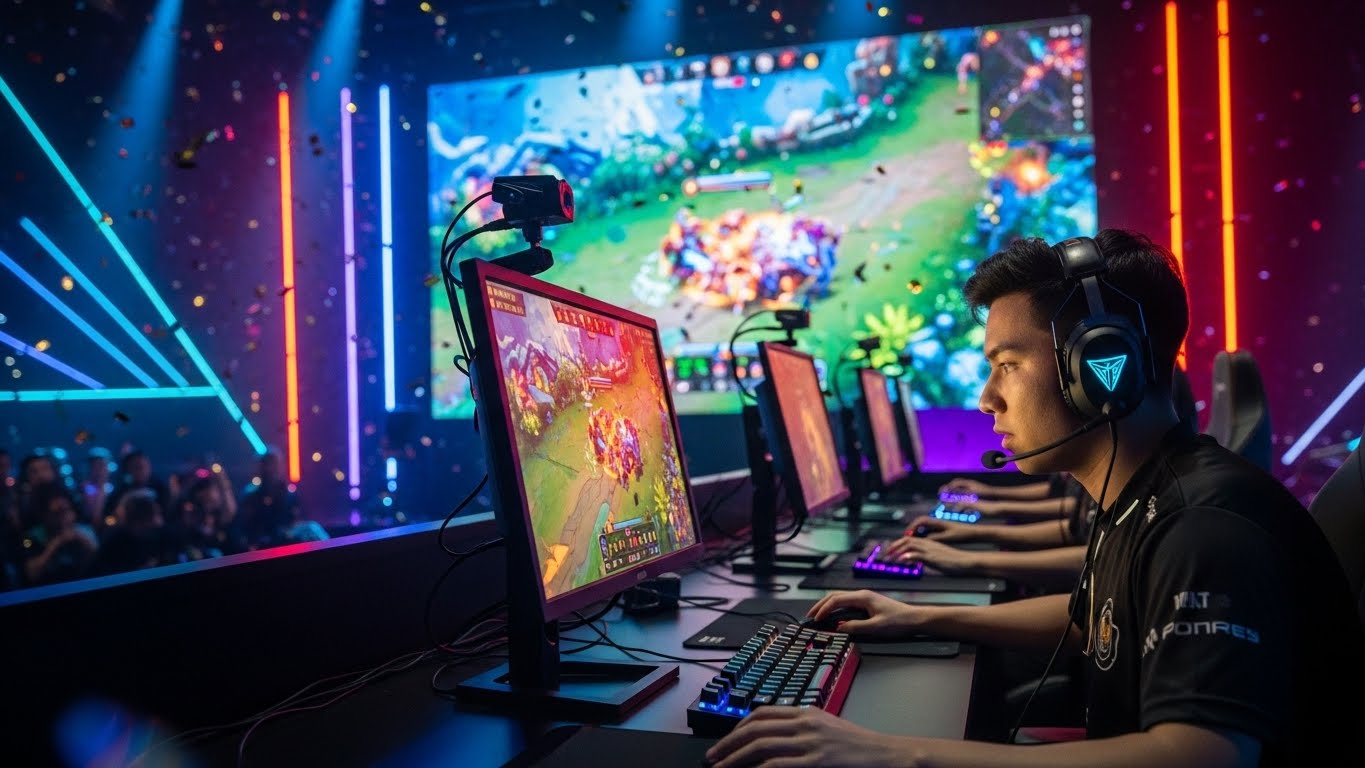
Professional esports players face intense physical and mental demands. While gaming may seem sedentary, competing at a professional level requires endurance, concentration, and fast reflexes. Players often train six to ten hours a day, focusing on mechanical skills, strategy, and team coordination. Practice includes reviewing gameplay, analyzing opponents, and participating in scrimmages to simulate tournament conditions.
Mental resilience is critical in esports. Players must make split-second decisions under pressure, remain composed during high-stakes matches, and quickly recover from mistakes. Emotional control and focus are just as important as technical skill. Many professional players work with psychologists or performance coaches to develop concentration, stress management, and mental fortitude.
Physical and Mental Health in Esports
Although esports occurs in front of a screen, physical health is essential for peak performance. Repetitive strain injuries, eye strain, and posture problems are common among players. To prevent long-term health issues, many professional gamers incorporate exercise routines, stretching, and ergonomic setups into their daily schedules.
Mental health is equally crucial. The pressures of competition, public scrutiny, and long practice hours can lead to stress, anxiety, and burnout. Organizations are increasingly prioritizing player wellness by offering mental health support, structured schedules, and resources to maintain balance. Ensuring physical and mental health is not only beneficial for performance but essential for longevity in esports careers.
The Social Impact of Esports
Esports fosters community and social interaction in ways traditional sports cannot. Online platforms, streaming services, and fan forums create spaces where players and viewers connect over shared interests. Fans support their favorite teams, discuss strategies, and celebrate victories, creating a sense of belonging and shared identity.
Team-based games, in particular, encourage communication, cooperation, and leadership. Players learn to navigate conflicts, coordinate efforts, and develop mutual trust. Esports communities also provide opportunities for mentorship, networking, and skill-sharing, highlighting the social benefits of participating in competitive gaming.
Economic Growth of the Esports Industry
Esports has grown into a multi-billion-dollar industry with diverse revenue streams, including tournament prizes, sponsorships, advertising, merchandise, and media rights. Major tournaments like The International and League of Legends World Championship offer millions of dollars in prize money, attracting the best players worldwide.
Sponsorships from technology companies, apparel brands, and energy drink manufacturers have become a cornerstone of the industry, enabling teams to operate like traditional sports franchises. Streaming platforms offer additional revenue through subscriptions, donations, and advertising. The financial growth of esports has led to new career opportunities in coaching, event management, broadcasting, content creation, and game development.
Education and Career Opportunities
Esports has become a legitimate educational and career pathway. Many universities now offer scholarships for esports players, recognizing both talent and dedication. Academic programs in esports management, marketing, broadcasting, and game development provide students with professional skills and practical experience.
The skills developed through esports—strategic thinking, teamwork, communication, and adaptability—are transferable to a wide range of careers. Professional opportunities extend beyond playing, including coaching, analysis, journalism, content creation, and event organization. As the industry grows, more diverse career paths continue to emerge.
Global Reach and Cultural Influence
Esports has a truly global footprint. Asia, especially South Korea and China, has been a leader in competitive gaming for decades, producing world-class players and professional leagues. North America and Europe have also embraced esports, establishing collegiate programs, professional teams, and fan communities. Emerging markets in South America, the Middle East, and Southeast Asia are expanding rapidly, demonstrating esports’ universal appeal.
Esports influences culture beyond gaming. It impacts entertainment, fashion, language, and media trends. Top players have become public figures and role models, inspiring younger generations to pursue competitive gaming seriously and professionally. International tournaments promote cultural exchange and create shared experiences for millions of fans worldwide.
Challenges in the Esports Industry
Despite its growth, esports faces several challenges. Issues such as cheating, match-fixing, and toxic behavior threaten competitive integrity. Governance structures are still developing, and regulations often lag behind industry growth.
Inclusivity is another ongoing concern. Women and underrepresented communities face barriers to participation and recognition. Health concerns, including physical strain and mental stress, must also be addressed to ensure sustainable careers. Maintaining a balance between commercialization and community integrity is essential for the industry’s long-term success.
The Future of Esports
The future of esports is full of potential. Technological innovations such as virtual reality, augmented reality, and artificial intelligence are likely to transform gameplay, training, and fan engagement. Data analytics will enhance performance, strategy, and audience experience, making esports more dynamic and interactive.
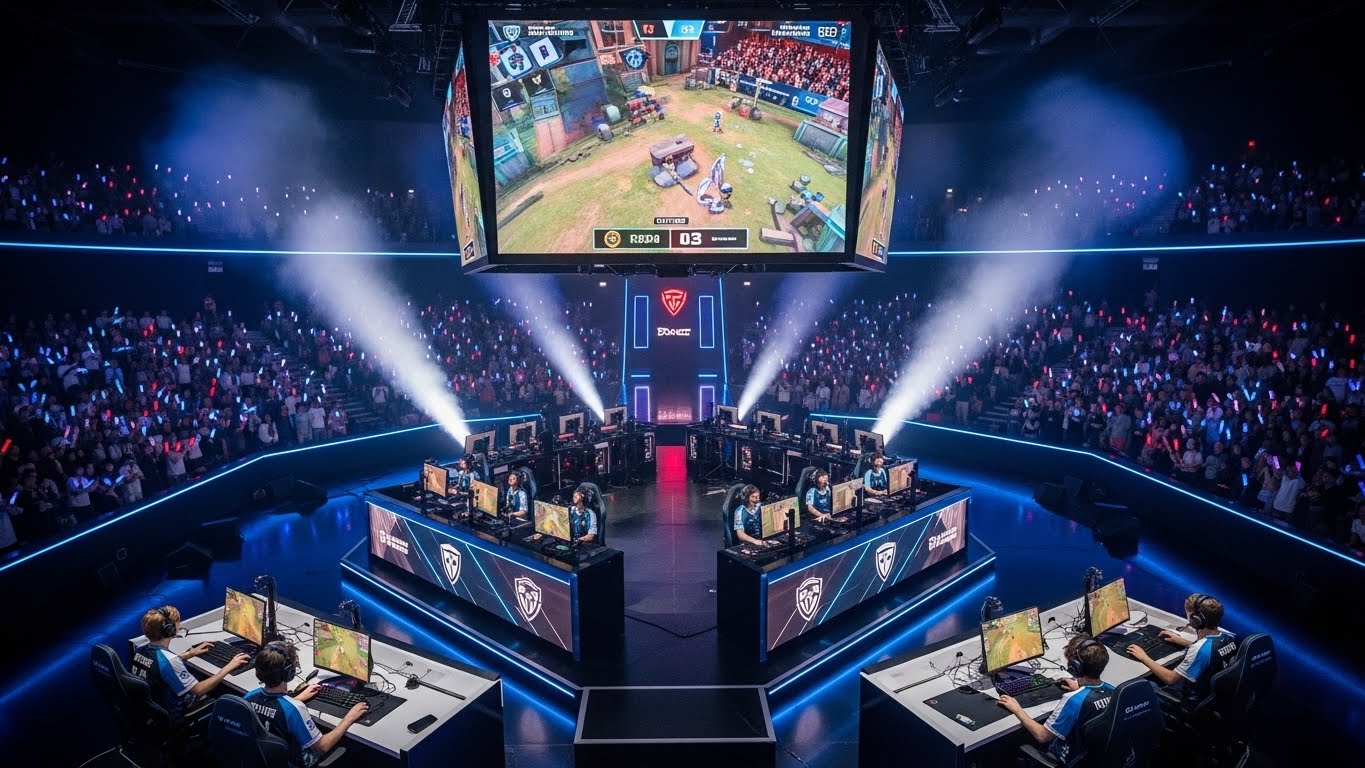
Esports is expected to integrate further with mainstream entertainment, collaborating with traditional sports leagues, hosting large-scale live events, and expanding media coverage. Efforts to improve inclusivity, player health, and professional standards will ensure sustainable growth. Esports is poised to become a defining cultural and entertainment force for decades to come.
Conclusion
Esports has evolved into a transformative global phenomenon that combines competition, entertainment, and innovation. From humble beginnings in arcades to international tournaments with millions of viewers, it demonstrates that skill, dedication, and teamwork are not limited to physical arenas.
Through esports, players develop strategic thinking, resilience, and collaboration, while fans gain community and inspiration. The industry offers economic opportunities, educational pathways, and cultural influence that extend far beyond gaming. While challenges exist, the potential of esports to redefine competition and digital entertainment is undeniable.
Esports is not just a form of play; it is a movement that reflects the future of competition, connection, and creativity in the digital age. Its rise shows that in a world increasingly driven by technology, competition knows no boundaries and passion transcends screens.