championlounge06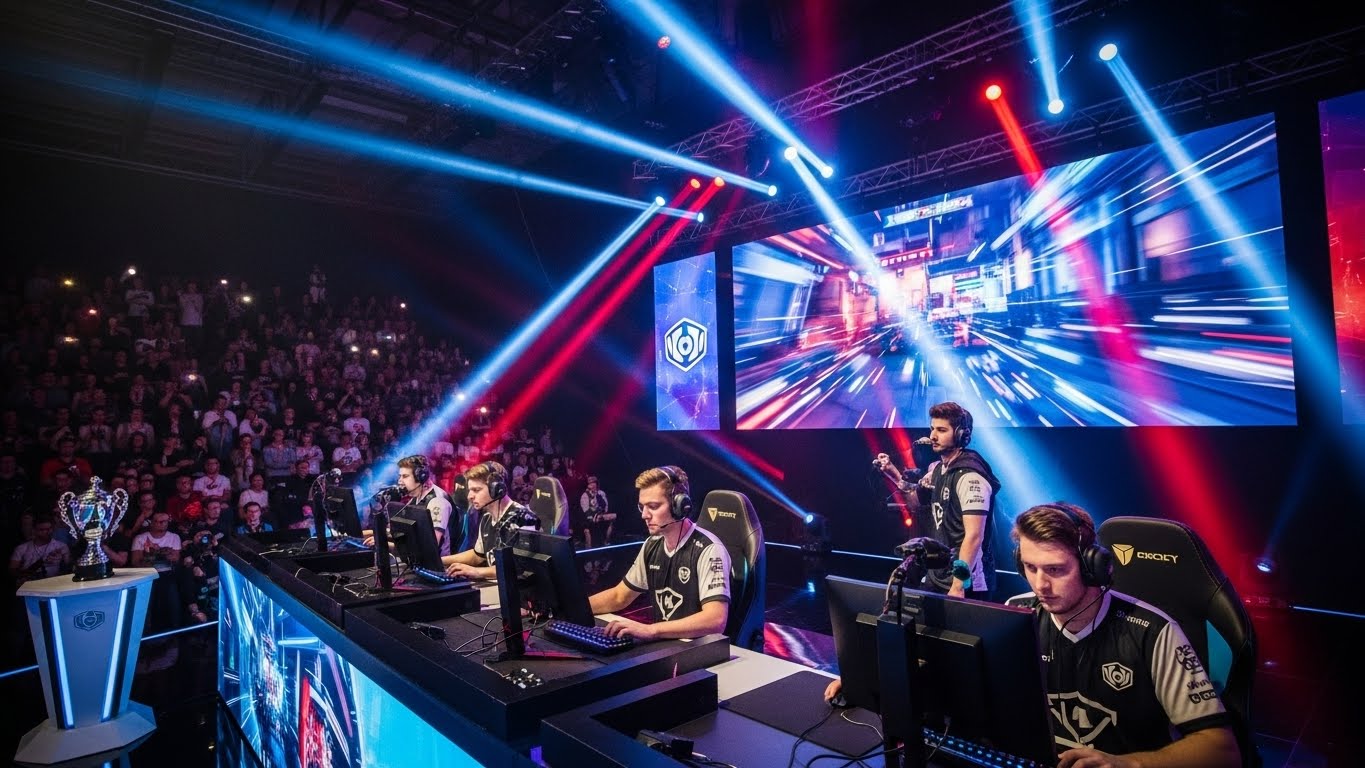
The world of sports has expanded far beyond traditional fields, courts, and stadiums. A new form of competitive engagement has emerged—esports. Short for electronic sports, esports is a realm where digital skill, strategic thinking, and teamwork converge to create a global phenomenon. From small online competitions to stadium-filling tournaments, esports is redefining how we perceive competition, entertainment, and professional achievement. In this blog, we will explore the origins of esports, its growth, cultural significance, economic impact, and the skills and opportunities it offers to players and audiences alike.
Understanding Esports
Esports refers to organized, competitive video gaming where individuals or teams compete against each other in a structured environment. Unlike traditional sports, which emphasize physical prowess, esports combines reflexes, strategy, critical thinking, and communication. Popular genres include multiplayer online battle arenas, first-person shooters, real-time strategy games, sports simulations, and fighting games. Titles like League of Legends, Dota 2, Counter-Strike, Fortnite, and FIFA have become household names, attracting players and viewers worldwide.
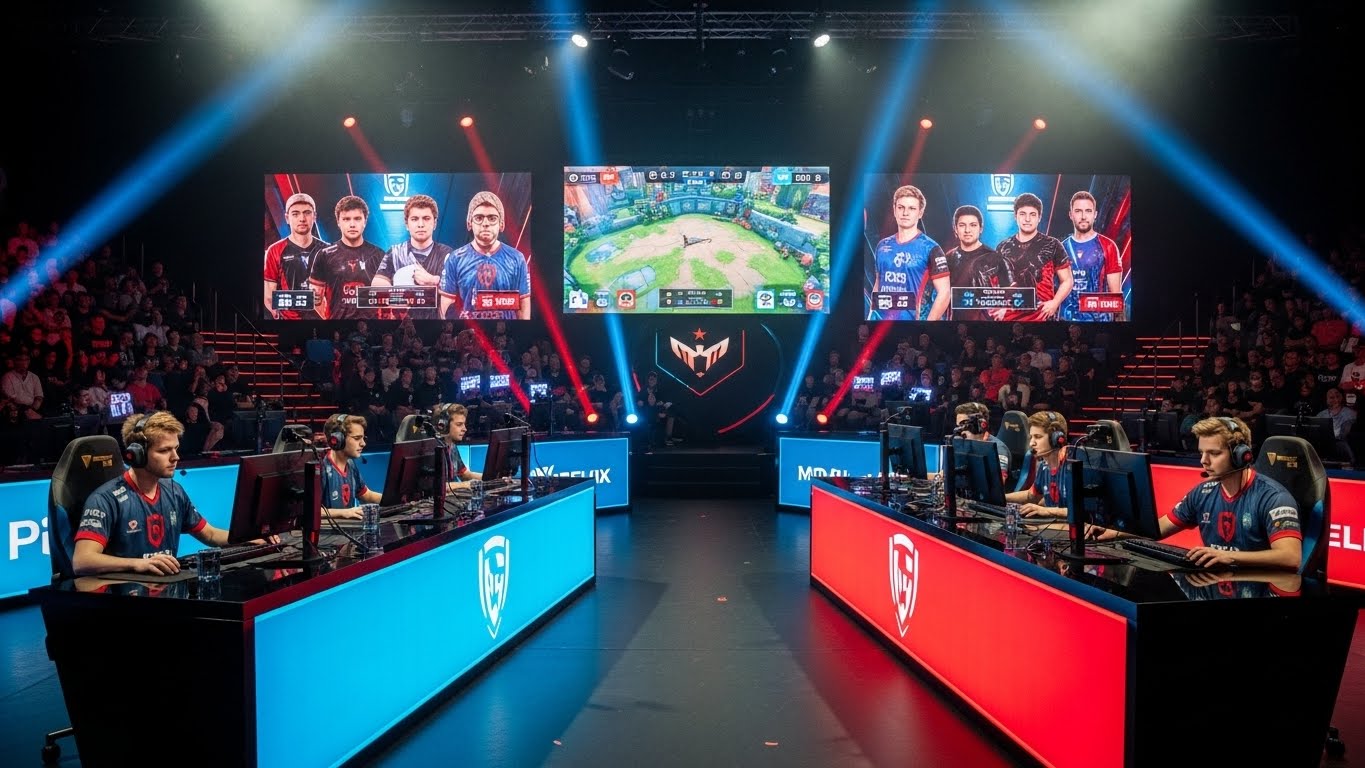
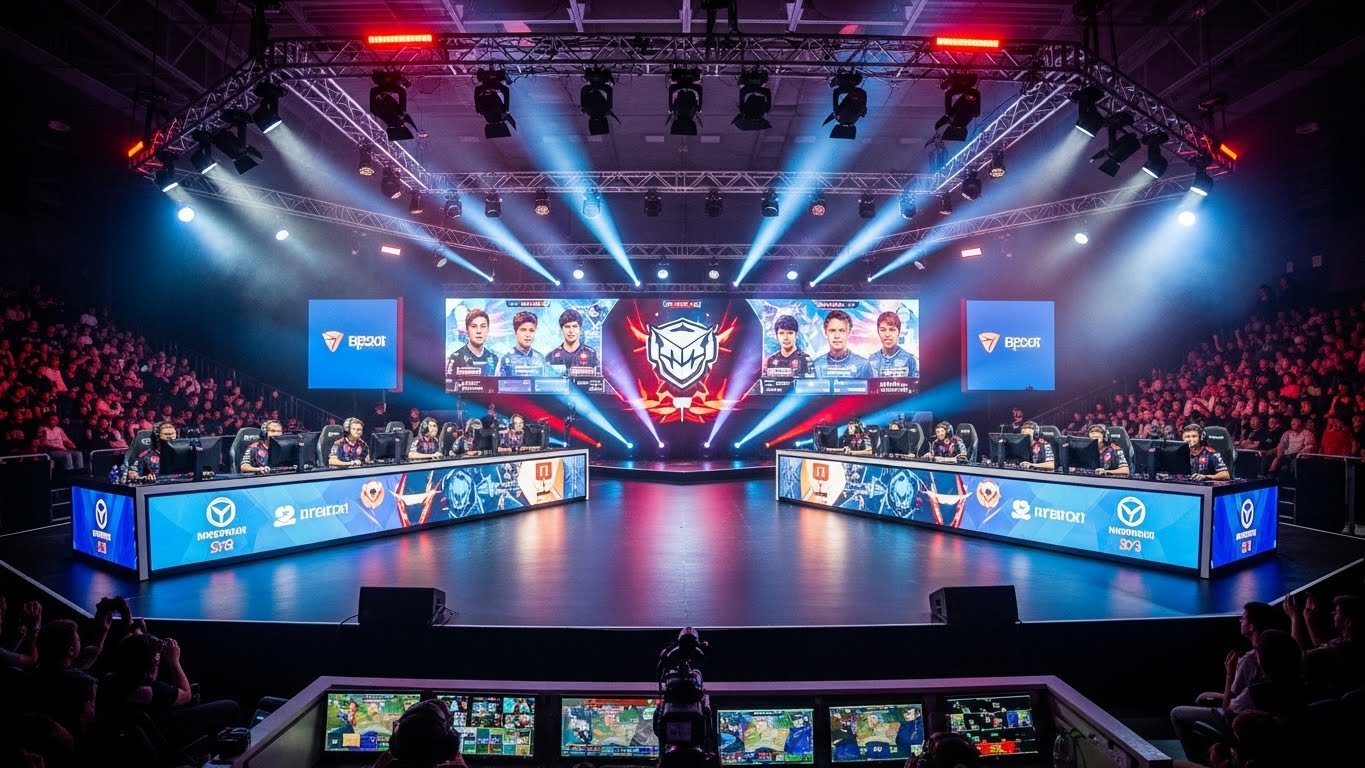
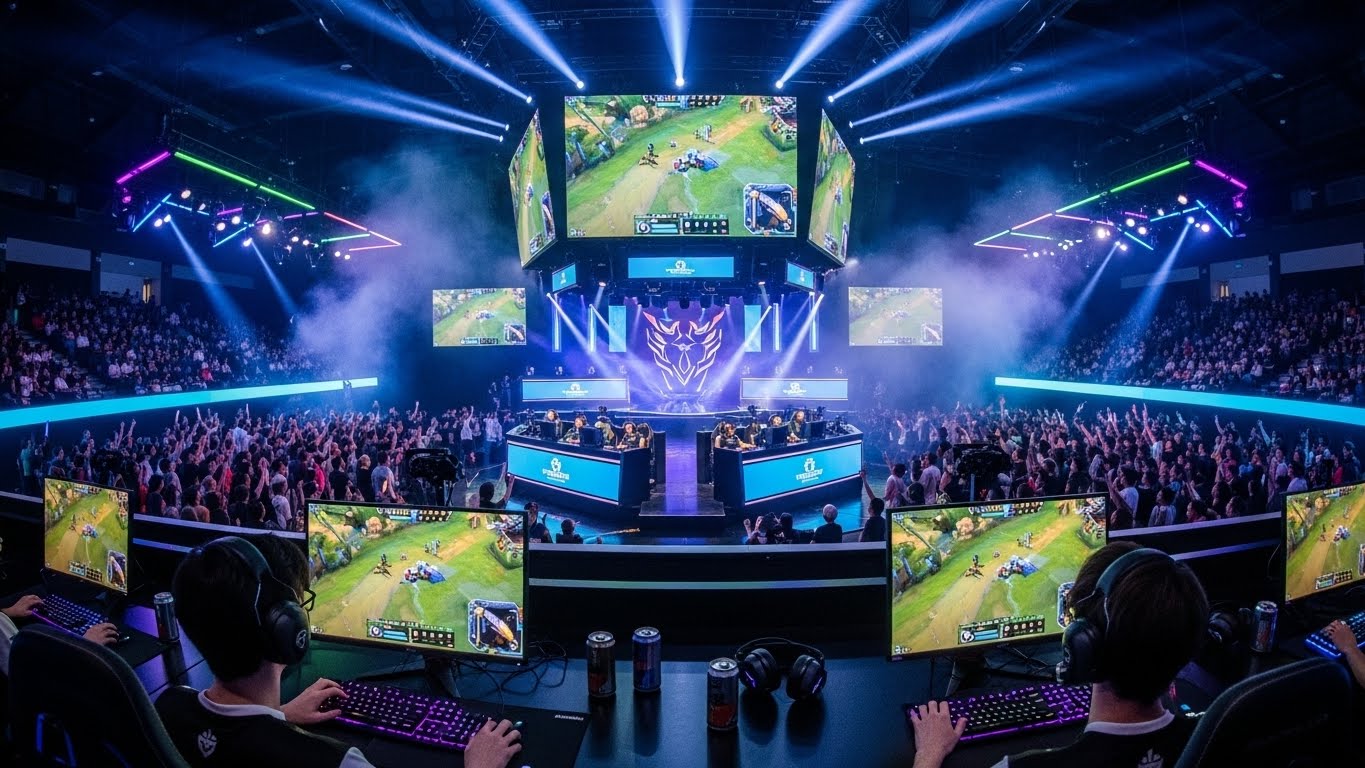
Esports competitions are no longer confined to local gaming cafes or online matches. They have evolved into professional leagues, global tournaments, and live-streamed events that rival traditional sports in audience size and excitement. Viewers can follow matches in real-time, watch highlights, and interact with players through streaming platforms, creating a vibrant and engaged community.
The Growth of Esports
The journey of esports began decades ago with arcade and console competitions, but the modern esports era truly began in the early 2000s with the rise of online multiplayer games. South Korea became a hub for esports, especially with games like StarCraft, where professional players gained celebrity status. Internet cafes, broadcasting channels dedicated to gaming, and sponsorship deals helped turn esports into a viable profession.
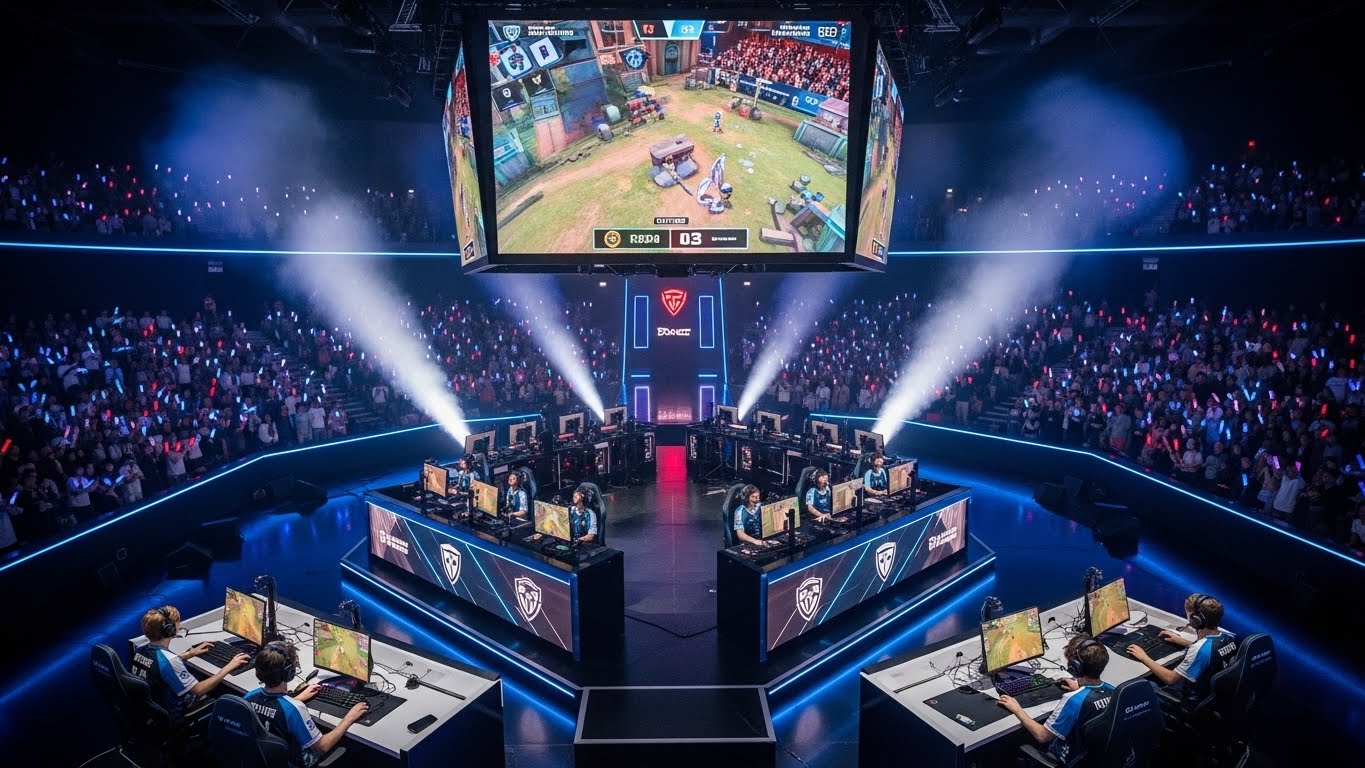
In the last decade, esports has exploded globally. Online streaming platforms allow millions of people to watch live tournaments, while major events like the League of Legends World Championship and The International Dota 2 tournament fill arenas with thousands of fans. Today, esports has developed into a billion-dollar industry, encompassing professional leagues, amateur competitions, content creation, merchandising, and brand partnerships.
Cultural Significance of Esports
Esports has created its own culture, blending gaming, entertainment, and social interaction. Fans engage deeply with the games, teams, and players, often forming communities that transcend geography. Online platforms allow players and fans to share strategies, discuss updates, and celebrate achievements, creating a sense of belonging.
The inclusive nature of esports has also made it a platform for diversity. Unlike many traditional sports that rely on physical attributes, esports is accessible to a wide audience regardless of age, gender, or physical ability. International competitions highlight global collaboration, bringing together players from different cultures and backgrounds. Esports personalities, much like athletes in traditional sports, become role models and influencers, shaping trends and inspiring future generations of gamers.
The Economic Impact of Esports
The economic footprint of esports is immense. Professional leagues, tournaments, streaming, merchandising, and sponsorships generate billions annually. Organizations invest heavily in player development, marketing, coaching, and event production. Major corporations sponsor teams, tournaments, and players, recognizing the value of reaching engaged, tech-savvy audiences.
Beyond professional playing, esports has created a vast ecosystem of careers. Analysts, coaches, event managers, commentators, content creators, and marketing specialists all play essential roles. Universities and colleges now offer scholarships for esports, providing educational opportunities and pathways for future professionals. This economic growth demonstrates that esports is not merely a hobby but a legitimate industry with diverse opportunities.
Skills Developed Through Esports
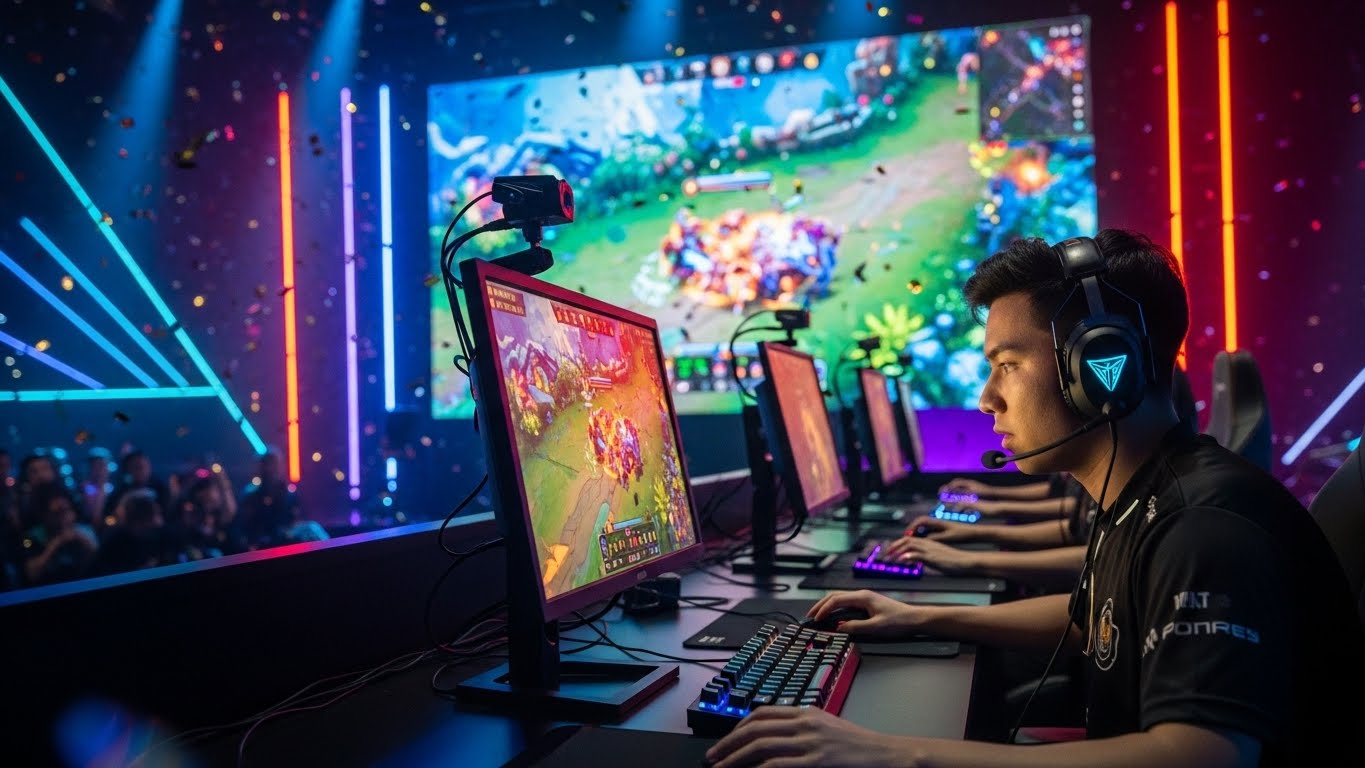
Participating in esports hones a variety of skills. Quick reflexes, hand-eye coordination, and multitasking are fundamental, while strategic thinking, adaptability, and decision-making are equally crucial. Team-based games enhance communication, leadership, and collaboration, as players must coordinate strategies in real-time.
Professional players train rigorously, often dedicating hours daily to practice, review gameplay, and analyze opponents’ strategies. This discipline fosters resilience, time management, and goal-setting abilities. Even casual participants benefit, developing critical thinking, teamwork, and problem-solving skills that are applicable to many aspects of life, including education and careers.
Social Benefits of Esports
Esports offers social advantages that go beyond the screen. Multiplayer games promote collaboration, cooperation, and communication, enabling players to form friendships across distances. For many, esports provides a community and a sense of belonging, especially for individuals who may feel isolated in traditional social settings.
Educational institutions have recognized these benefits. Schools and universities establish esports programs, clubs, and competitions, promoting engagement and teamwork among students. Participation can improve cognitive skills, focus, and discipline, while scholarships provide tangible incentives for dedication and excellence.
Challenges in Esports
Despite its rapid growth, esports faces several challenges. Physical health concerns, such as eye strain, poor posture, and repetitive stress injuries, are common among players who spend long hours gaming. Mental health issues, including stress, burnout, and pressure to perform, are also significant. Organizations are increasingly implementing wellness programs, structured training schedules, and psychological support to address these concerns.
Another challenge is regulation. Unlike traditional sports, esports lacks standardized governance, leading to potential issues like cheating, unfair play, and inconsistent rules across tournaments. Public perception can also be a barrier. Many still view esports as entertainment rather than a professional pursuit, despite its proven skill requirements and economic impact.
Esports and Technology
Esports is inseparable from technology. High-performance gaming hardware, fast internet connections, and advanced software enable competitive gameplay. Innovations like virtual reality, augmented reality, and artificial intelligence are beginning to shape esports experiences, making gameplay more immersive and strategic.
Streaming technology has transformed how audiences engage with esports. Viewers can interact in real-time, follow their favorite players, and even participate in live discussions. Social media and digital platforms amplify the reach of esports, connecting millions worldwide and creating new opportunities for engagement and monetization.
The Future of Esports
The future of esports is both promising and transformative. With technological advancements and global interest, esports is expected to grow even further, both in audience size and professional opportunities. Virtual reality tournaments, global online competitions, and integration with traditional sports industries are on the horizon.
Educational programs will continue to formalize esports careers, teaching management, analytics, game design, and broadcasting. The industry is likely to become more structured and professional, with standardized rules, player welfare programs, and sustainable career paths. As esports evolves, it will continue to influence how society views competition, entertainment, and professional achievement.
Conclusion
Esports has moved beyond its origins as a niche hobby to become a global cultural and economic powerhouse. It challenges traditional definitions of sports, blending skill, strategy, and digital innovation to create a unique competitive arena. From the dedication of professional players to the enthusiasm of millions of fans, esports demonstrates the power of technology to transform entertainment and community engagement.
With continued growth, innovation, and recognition, esports is not just a part of gaming culture—it is shaping the future of competition. Whether as a career, a community, or a form of entertainment, esports exemplifies how passion, strategy, and digital technology can create experiences that inspire, connect, and redefine what it means to compete in the modern age.