championlounge06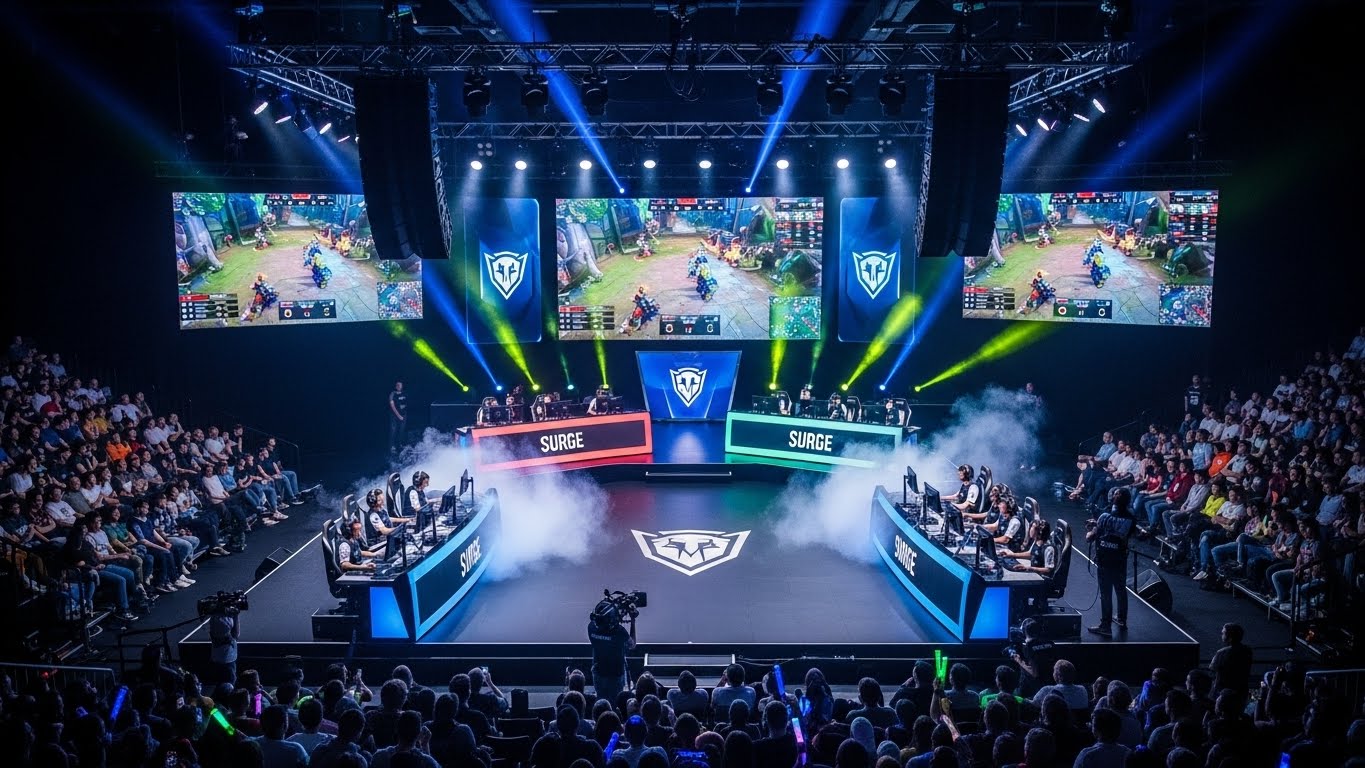
Esports has emerged as one of the most transformative and influential entertainment industries of the modern era. What began as casual competitions among small groups of video game enthusiasts has evolved into a global phenomenon with professional teams, massive tournaments, lucrative sponsorships, and millions of dedicated fans. Today, esports is recognized as a legitimate competitive pursuit, comparable to traditional sports in terms of skill, strategy, and spectacle. This blog explores the origins, evolution, cultural impact, technological innovations, challenges, and future of esports, highlighting why it has become a central pillar of contemporary entertainment.
The Origins of Esports
The roots of esports trace back to the early days of video gaming. Before high-speed internet and professional leagues, competitive gaming existed in small pockets of arcade halls, university computer labs, and local gaming communities.
Early Competitions
In the late 1970s and 1980s, games like Space Invaders, Pac-Man, and Donkey Kong became competitive outlets. High-score competitions attracted players who sought recognition and bragging rights. These early contests emphasized precision, skill, and strategy.
Community and Online Connectivity
The 1990s marked the rise of local area network (LAN) tournaments and early online gaming. Titles such as Quake, StarCraft, and Counter-Strike allowed players to compete beyond their immediate surroundings, forming the foundations of international gaming communities. These platforms fostered collaboration, rivalry, and community-building, all essential elements of modern esports.
The Evolution of Esports into a Professional Industry
Esports has transformed from grassroots competitions to a full-fledged industry with structured teams, leagues, sponsorships, and media coverage.
Professional Teams and Organizations
Modern esports teams operate with professional management similar to traditional sports clubs. Teams employ coaches, analysts, psychologists, and support staff to optimize performance. Players often train for several hours daily, following structured regimens that focus on skill development, strategy, teamwork, and mental conditioning.
Competitive Titles and Genres
Esports encompasses a wide range of game genres. Multiplayer online battle arenas (MOBAs) such as League of Legends and Dota 2 dominate the scene, while first-person shooters (FPS) like Counter-Strike: Global Offensive and Call of Duty attract significant competitive audiences. Fighting games, real-time strategy titles, sports simulations, and battle royale games also contribute to the diverse landscape of esports.
Tournaments and Prize Pools
Large-scale tournaments are the centerpiece of esports. Events like The International, League of Legends World Championship, and Fortnite World Cup attract millions of viewers worldwide. Prize pools can reach tens of millions of dollars, offering players both recognition and substantial financial reward. These tournaments provide entertainment for audiences and career opportunities for players.
Economic Impact of Esports
Esports has grown into a multi-billion-dollar industry with a wide economic footprint, encompassing sponsorship, streaming, merchandising, and media rights.
Sponsorships and Brand Integration
Global brands invest heavily in esports to reach younger, digitally connected audiences. Sponsorship deals fund tournaments, team operations, marketing campaigns, and player salaries. Partnerships with technology companies, beverage brands, and apparel lines are common, integrating esports seamlessly into broader commercial ecosystems.
Streaming Platforms and Content Creation
Live streaming has revolutionized esports viewership. Platforms allow fans to watch matches, follow player streams, and interact with communities in real-time. Many professional players supplement their income by creating content, engaging with fans, and building personal brands that extend beyond competition.
Merchandise and Fan Engagement
Merchandise, including jerseys, accessories, collectibles, and digital items, fosters fan loyalty and provides additional revenue streams for teams. These offerings strengthen community identity, allowing fans to actively support their favorite players and organizations.
The Role of Technology in Esports
Technology is at the heart of esports, enabling competitive play, immersive experiences, and global connectivity.
High-Performance Gaming Hardware
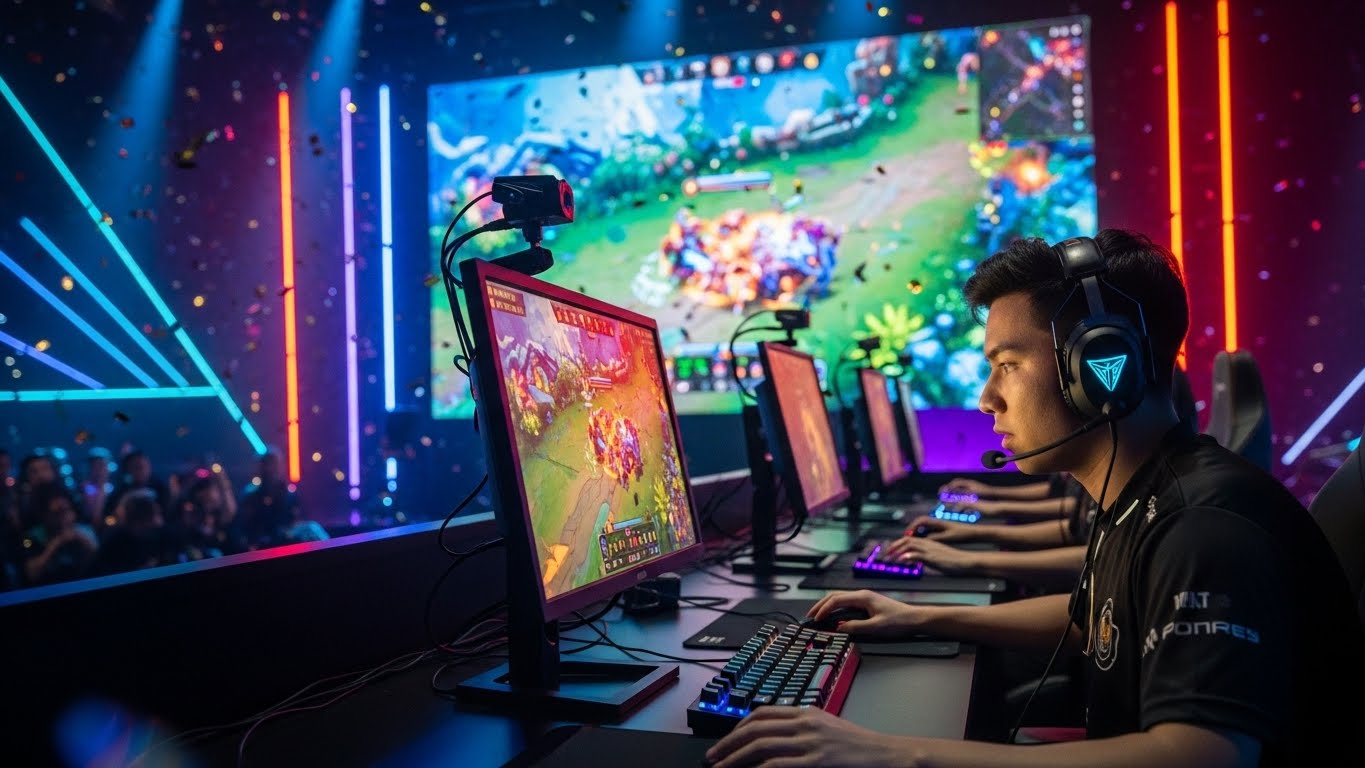
Professional esports players rely on top-tier hardware, including high-refresh-rate monitors, precision mice, mechanical keyboards, and gaming computers optimized for performance. These tools are essential for precise control, reaction time, and overall competitive advantage.
Online Connectivity and Servers
Global server networks allow players from different regions to compete in real-time with minimal latency. Reliable online infrastructure ensures fair competition and facilitates international tournaments that connect players worldwide.
Broadcast Production and Spectator Experience
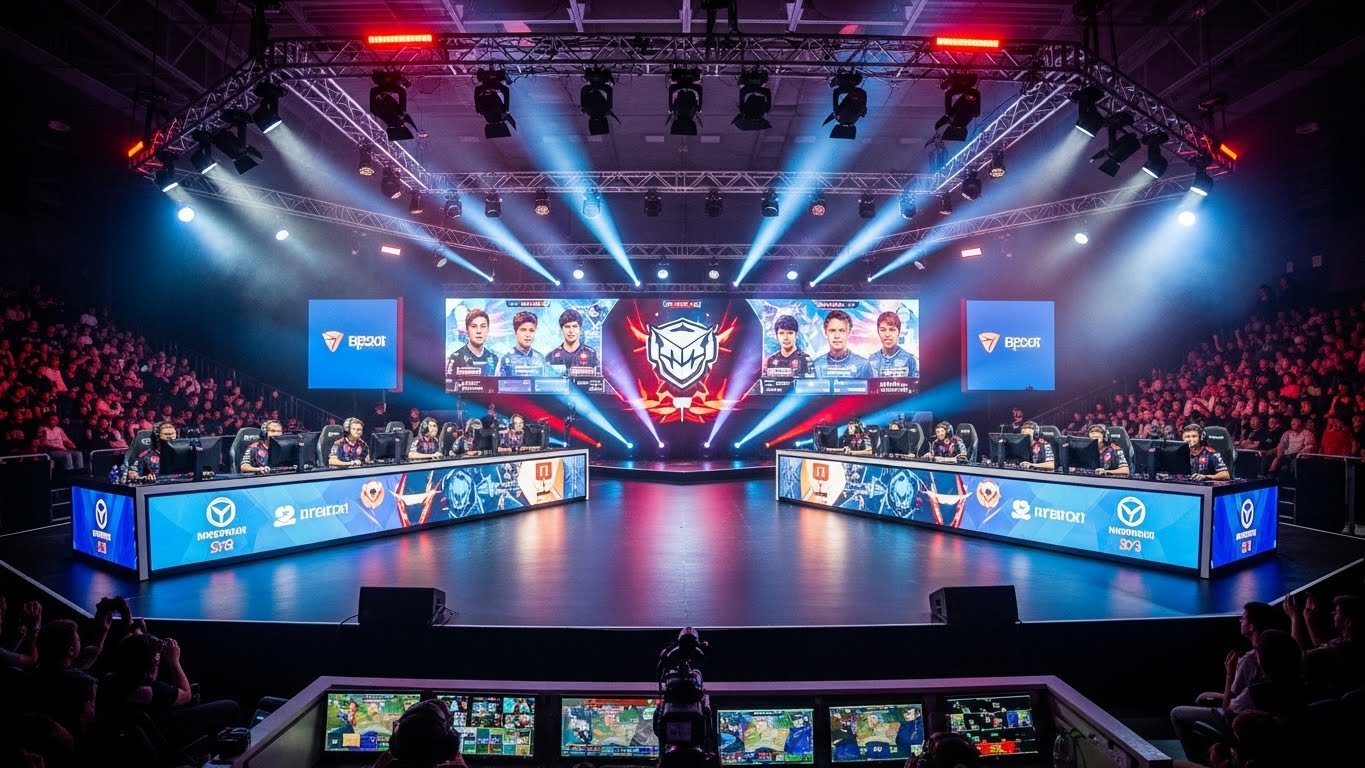
High-quality broadcasts enhance esports as a spectator sport. Commentary, instant replays, analytical breakdowns, and visual overlays enrich the viewing experience, making matches exciting and accessible to both casual and hardcore audiences.
Virtual Reality and Emerging Technologies
Virtual reality, augmented reality, and other emerging technologies are expanding the possibilities for esports. Immersive gameplay, interactive environments, and hybrid event formats promise new experiences for both players and spectators in the coming years.
Social and Cultural Impact of Esports
Esports has grown into a global cultural phenomenon, influencing youth culture, education, and social interaction.
Community Building
Esports communities thrive both online and offline. Fans gather on forums, social media, and streaming platforms to discuss strategies, follow tournaments, and celebrate victories. Local gaming events and esports conventions provide opportunities for real-world interaction, networking, and community bonding.
Shaping Youth Culture
Younger generations view esports as a legitimate form of entertainment, competition, and even career aspiration. Esports influences fashion, music, language, and lifestyle choices, with players and streamers serving as role models for digital-native audiences.
Education and Skill Development
Educational institutions are increasingly embracing esports through scholarships, clubs, and curriculum integration. Participation teaches teamwork, strategic thinking, problem-solving, and communication skills. Many schools and universities recognize esports as a platform for developing leadership and professional skills.
Mental Health and Personal Growth
Competitive gaming can improve cognitive skills, focus, and resilience. Structured training promotes discipline and personal growth, while community support helps players navigate challenges, build confidence, and foster a sense of belonging.
Esports as a Spectator Experience
Watching esports is a dynamic and interactive form of entertainment, drawing millions of viewers globally.
Narrative and Rivalry
Spectators are captivated not only by gameplay but also by the stories behind players and teams. Rivalries, personal journeys, and tournament arcs create compelling narratives that enhance the entertainment value of esports.
Live Events and Arenas
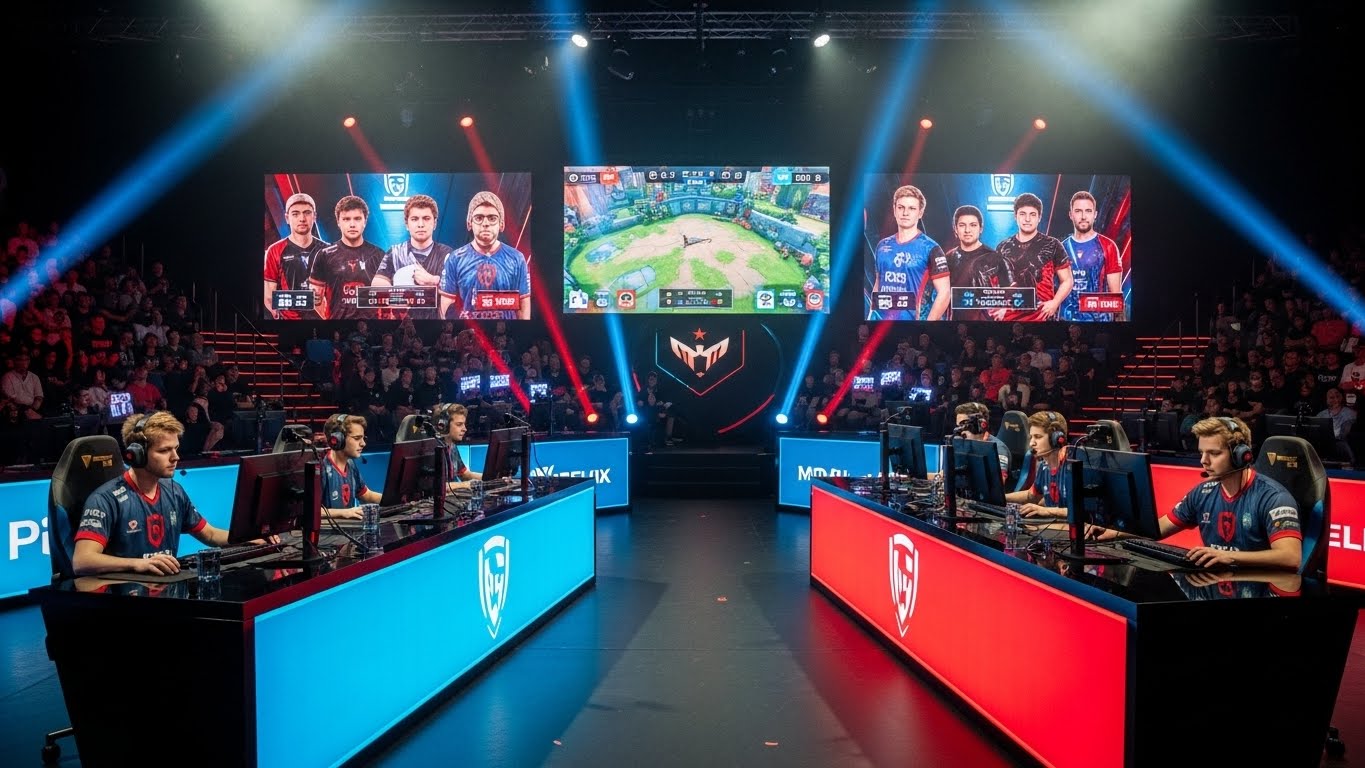
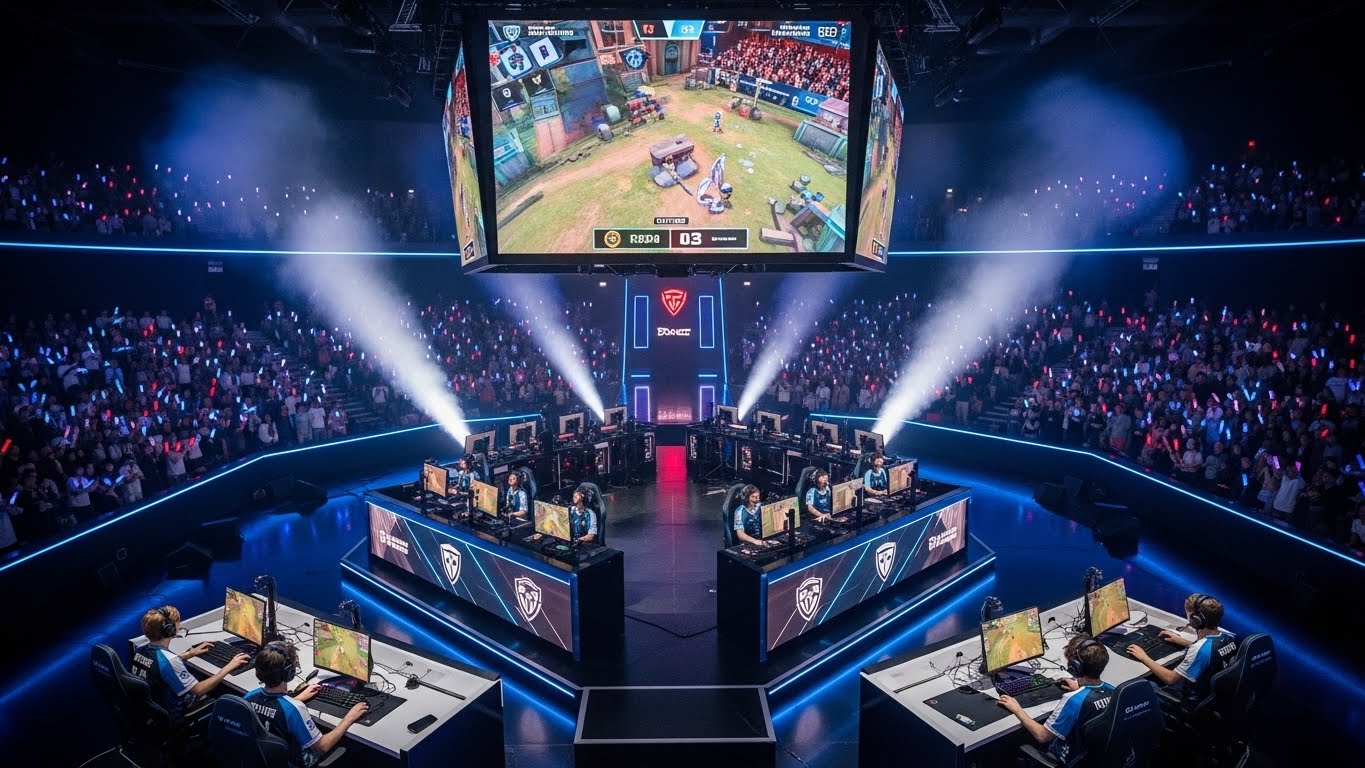
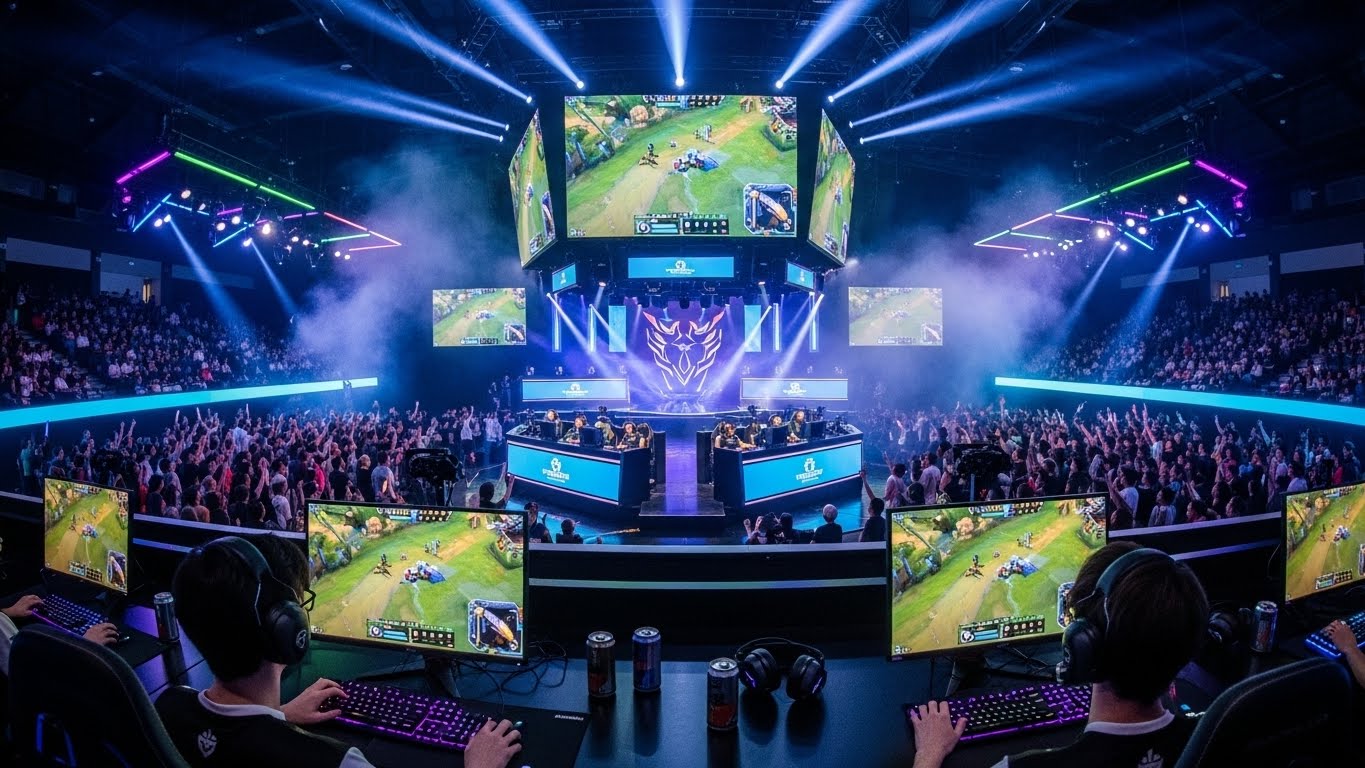
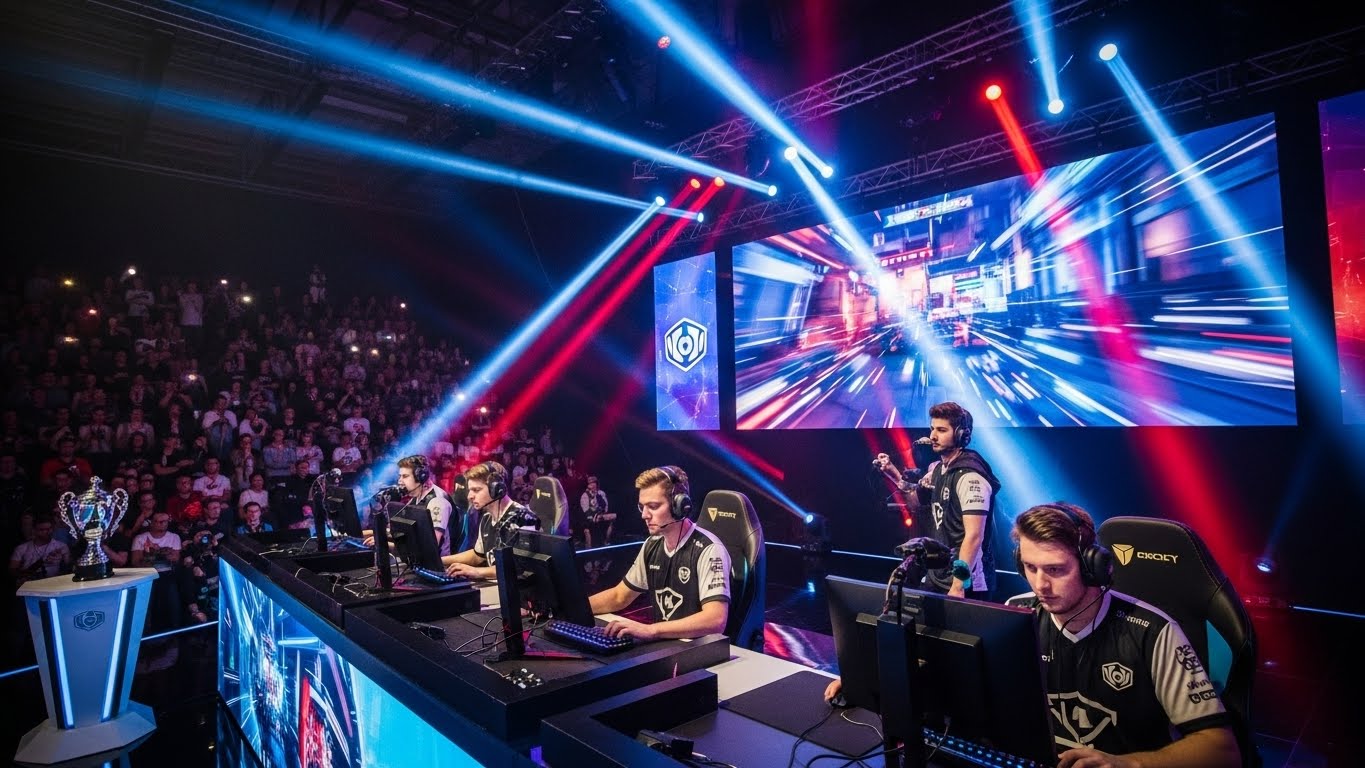
Major tournaments attract massive live audiences, with arenas hosting thousands of fans. The energy in these venues mirrors that of traditional sports, with cheering crowds, immersive lighting, and cinematic production amplifying excitement.
Streaming Engagement
Live streams allow spectators to interact with players and other fans in real-time. Chat features, donations, and virtual rewards create participatory experiences, transforming viewers into active participants rather than passive observers.
Challenges Facing the Esports Industry
Despite rapid growth, esports faces unique challenges that must be addressed for sustainable development.
Player Health and Wellness
Intense practice schedules can result in physical strain, mental fatigue, and burnout. Teams are increasingly incorporating wellness programs, ergonomic setups, and balanced schedules to support long-term player health.
Competitive Integrity
Maintaining fair play is critical. Issues like cheating, account boosting, and collusion threaten competitive credibility. Strong regulations, monitoring, and enforcement measures are essential to preserve trust.
Regulation and Governance
Esports operates across multiple countries with varying legal frameworks. Standardized rules, licensing, and contractual agreements are vital for ensuring fairness, player rights, and tournament legitimacy.
Financial Sustainability
While top-tier teams and tournaments are profitable, smaller organizations often face financial instability. Revenue diversification through sponsorships, media rights, and merchandising is necessary to maintain industry growth.
The Future of Esports
Esports continues to evolve, with technological innovation, global expansion, and cultural integration shaping its trajectory.
Expansion into Mobile Esports
Mobile esports is democratizing competitive gaming, reaching regions with limited access to PCs or consoles. Accessible gameplay and competitive formats are attracting new players and audiences worldwide.
Hybrid Integration with Traditional Sports
Esports increasingly intersects with traditional sports, including partnerships with professional leagues, co-branded events, and shared media coverage. This integration legitimizes esports and broadens its audience base.
Immersive and Interactive Experiences
Virtual reality, augmented reality, and cloud gaming will redefine the esports experience. Immersive formats will allow players and spectators to engage with digital competitions like never before.
Global Cultural Influence
Esports will continue fostering global communities and cultural exchange. Multilingual broadcasts, international tournaments, and cross-cultural collaborations will strengthen esports as a unifying digital phenomenon.
Conclusion: Esports as a Defining Entertainment Medium
Esports has transformed from niche competitions into a global entertainment powerhouse. It combines skill, strategy, technology, and community in ways that traditional sports cannot fully replicate. With professional teams, large-scale tournaments, streaming platforms, and engaged fan bases, esports has established itself as a legitimate career path, cultural force, and economic driver.
As technology advances and audiences expand, esports will continue shaping the entertainment landscape, providing immersive, interactive, and culturally relevant experiences. It is more than a pastime; it is a dynamic, evolving industry that reflects the digital age’s creativity, connectivity, and competitive spirit.
Esports has not just arrived—it is here to stay, transforming the way the world plays, watches, and connects through the universal language of competition.