championlounge06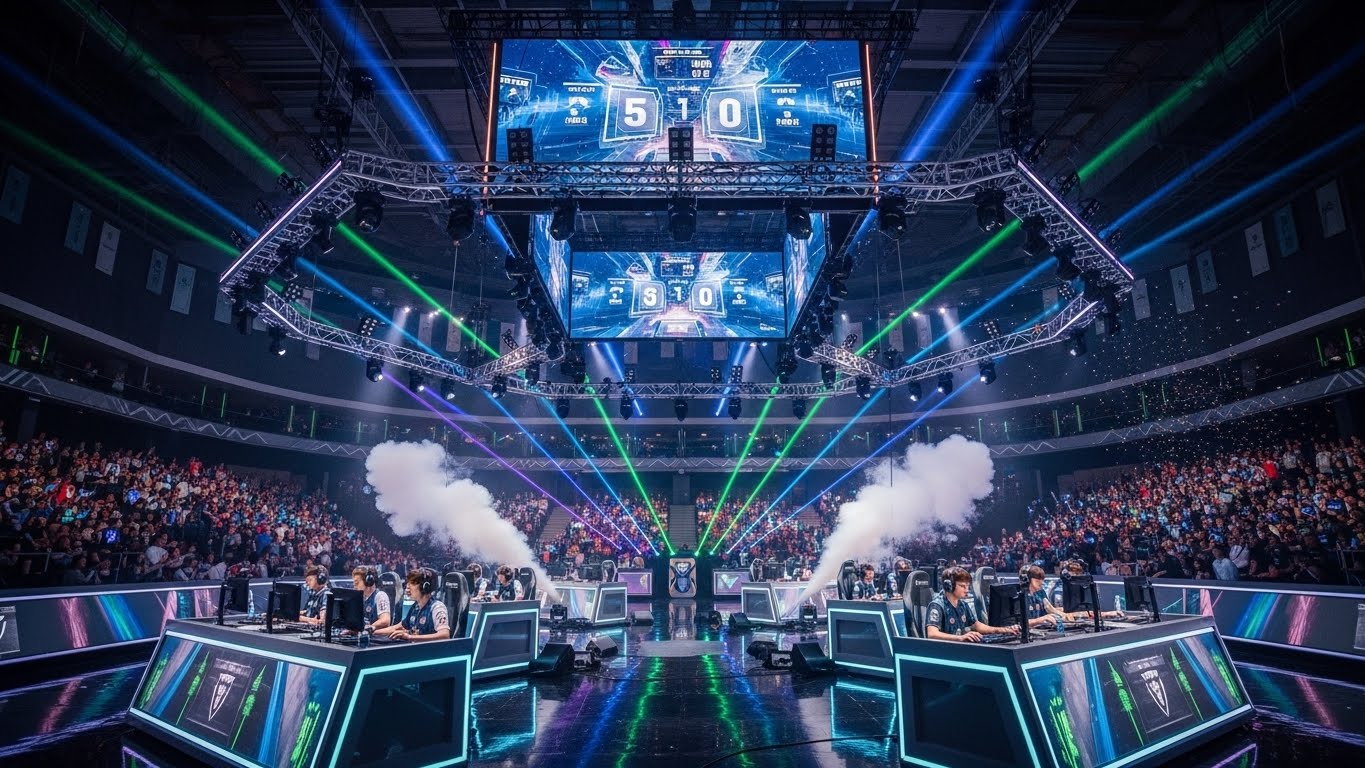
In recent years, esports has transitioned from a niche hobby into a global multi-billion-dollar industry, captivating millions of fans and players around the world. What was once seen as a subculture confined to the realm of video game enthusiasts has now become a mainstream form of entertainment, with major tournaments filling arenas and global sponsorships flowing in. But what exactly is esports, how has it evolved, and what does its future hold? This blog post will take a deep dive into the rise of esports, its current state, and the future trajectory of this exciting digital sport.
The Birth of Esports: From Arcade Machines to Competitive Play
The roots of esports can be traced back to the early days of video games, but the rise of competitive gaming began to take shape in the 1990s. The first notable example of organized gaming competitions was the “Red Annihilation” tournament held in 1997 for the first-person shooter game Quake. The event, which saw players from around the world gather to compete for a Ferrari, set a precedent for future esports tournaments. However, it wasn’t until the early 2000s that esports began to gain significant momentum.
During this period, games like StarCraft and Warcraft III helped lay the foundation for what would become an esports dynasty. These games allowed players to compete in tournaments that drew attention from both fans and sponsors. In countries like South Korea, esports gained immense popularity, thanks in part to government support and the development of professional gaming leagues, particularly with StarCraft.
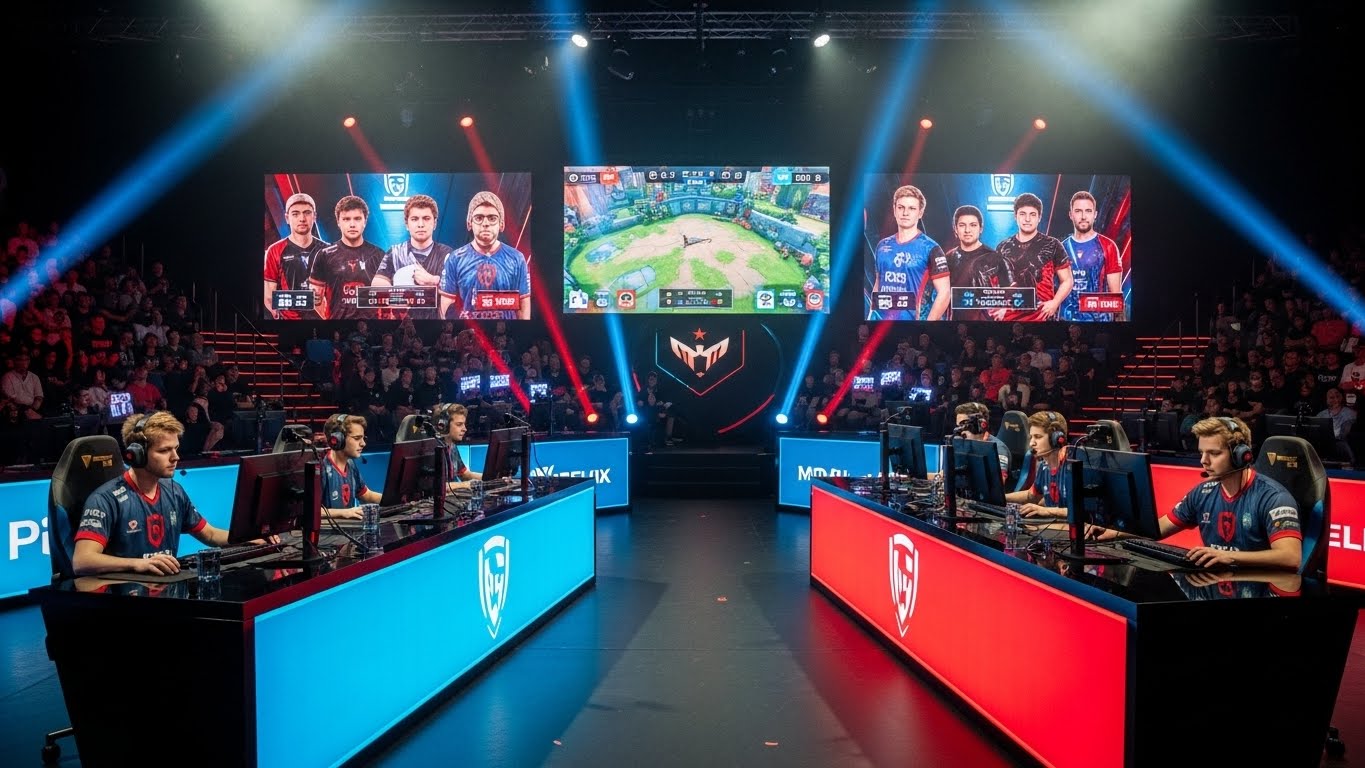
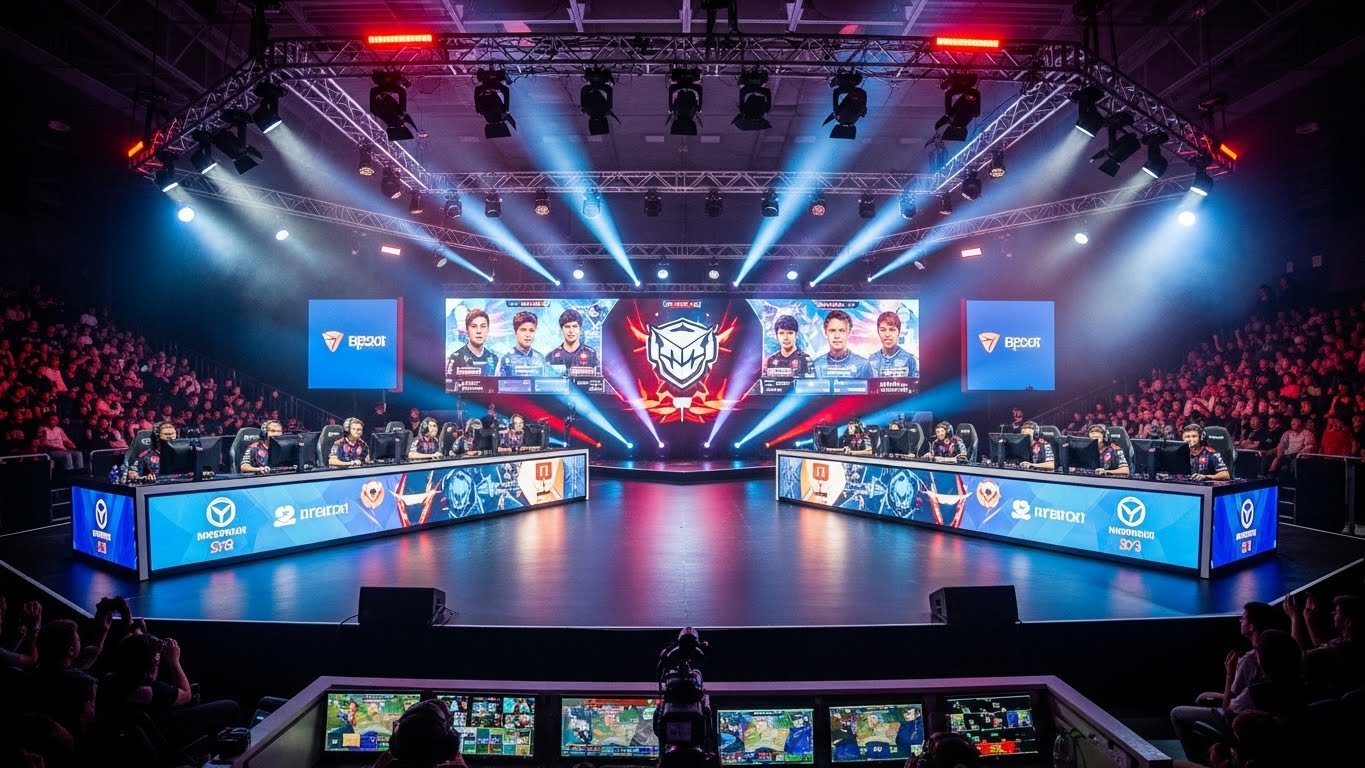
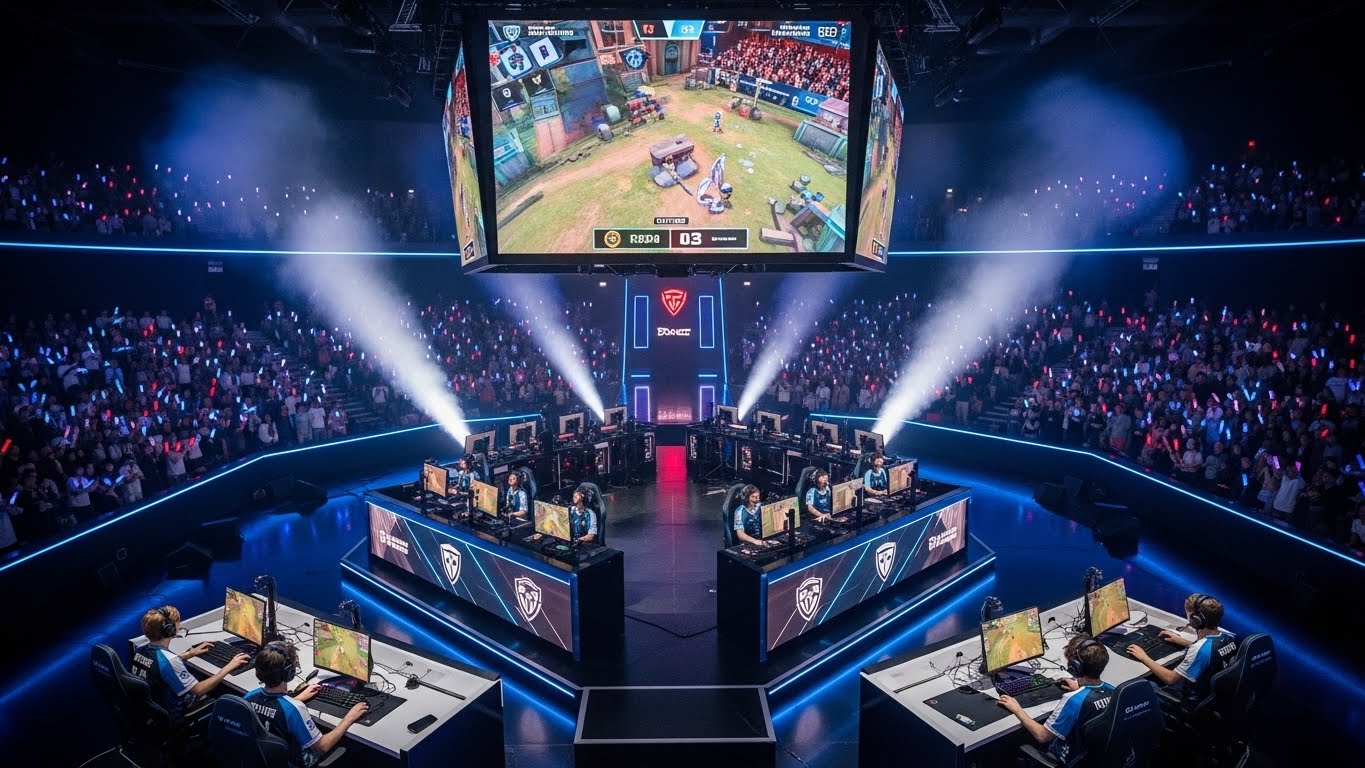
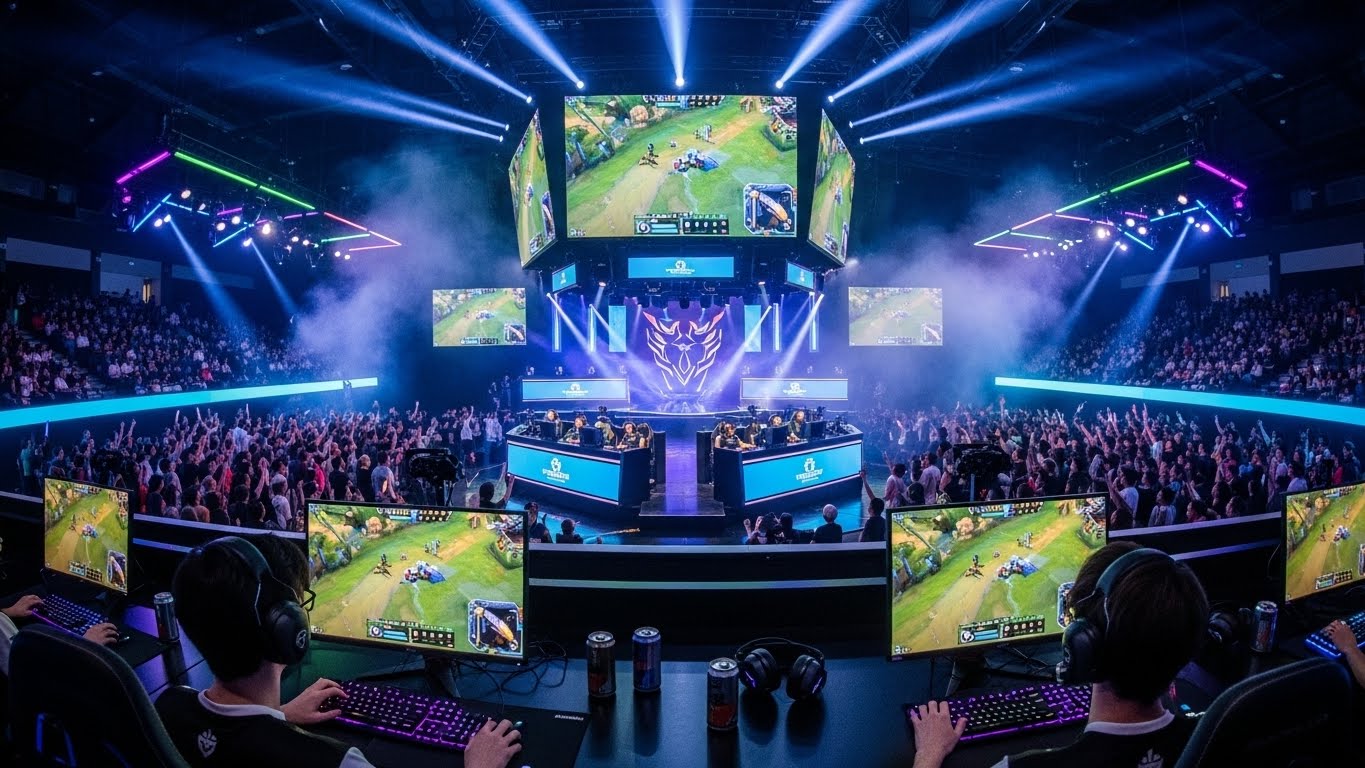
The widespread availability of high-speed internet and the rapid rise of streaming platforms such as Twitch and YouTube provided the perfect environment for esports to flourish globally. Gamers could now broadcast their gameplay to a worldwide audience, turning gaming into a spectator sport. Major competitions such as The International (Dota 2), League of Legends World Championship, and CS:GO Major became more than just competitions; they became cultural events, drawing crowds in the thousands, if not millions.
The Rise of Esports Tournaments and Professionalization
As esports grew in popularity, so did the level of competition. Tournaments, once small affairs, became multi-million-dollar events with enormous prize pools and professional teams. The International 2018, a Dota 2 tournament, set a record for the largest esports prize pool in history at over $25 million. The prize money alone was enough to draw the attention of players, investors, and fans alike, signaling that esports was becoming more than just a pastime.
In the world of esports, professionalization has become a key theme. The rise of esports organizations, sponsors, and professional leagues has created a more structured competitive ecosystem. Teams such as Cloud9, Fnatic, and Team Liquid, to name a few, have become household names, and their players are now seen as professional athletes.
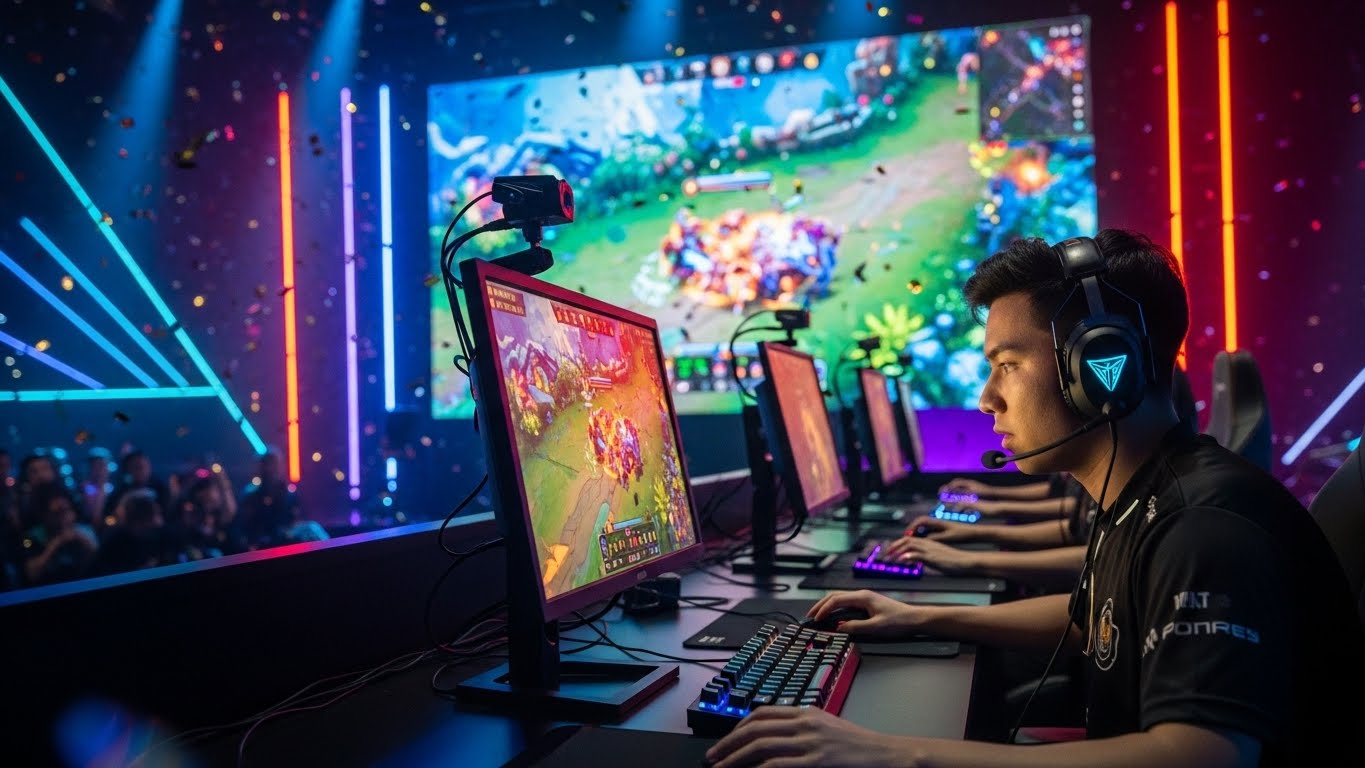
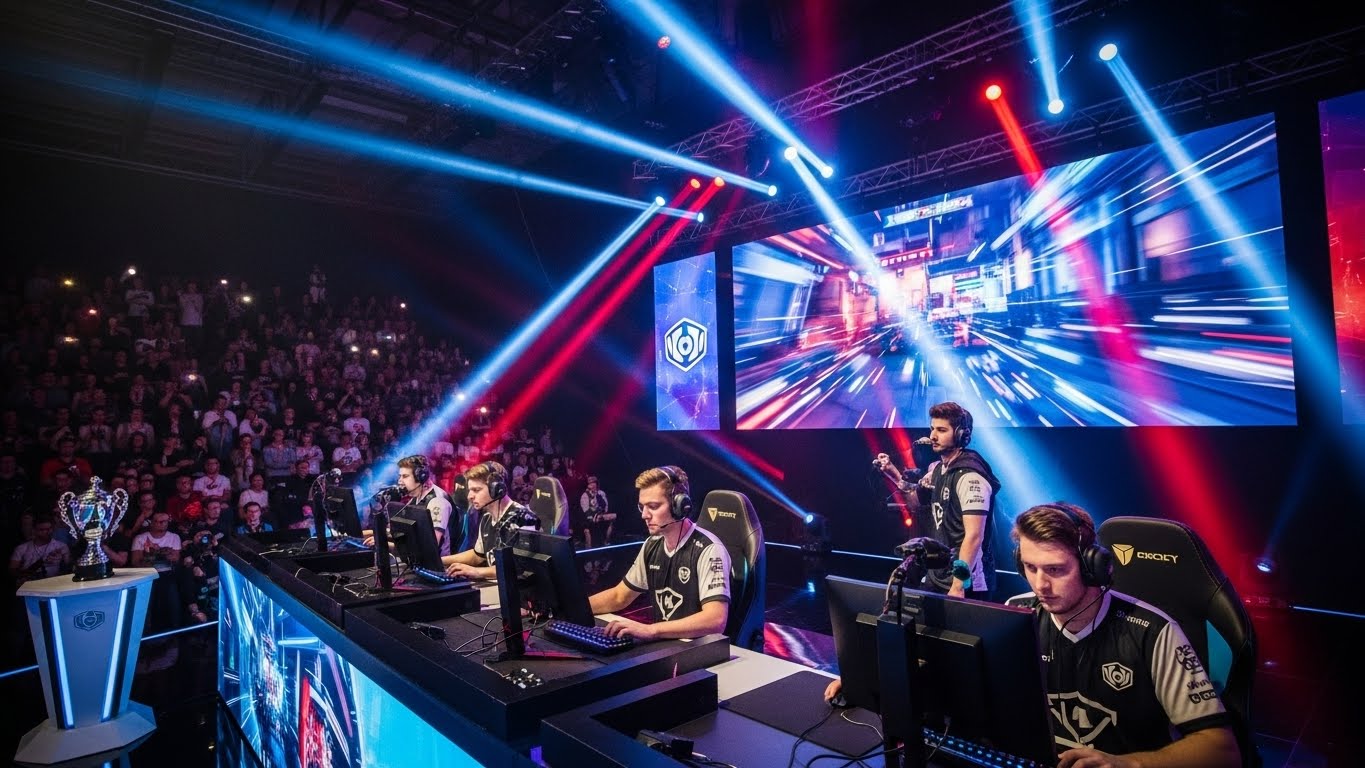
Training, team management, and strategy are all integral aspects of modern esports. Similar to traditional sports, players now follow strict training regimens, practicing for hours each day to hone their skills. Some players even work with coaches, analysts, and psychologists to improve their in-game performance and mental resilience. Esports organizations have embraced professional management structures, with dedicated staff handling everything from sponsorships and marketing to team operations and logistics.
A Global Fanbase: The Changing Face of Entertainment
One of the most remarkable aspects of esports’ growth is the rise of its fanbase. Just as traditional sports have massive fan followings, esports has cultivated a unique, passionate community. According to a Newzoo report, there were over 450 million esports enthusiasts globally as of 2020, with projections showing this number increasing to over 650 million by 2023. The fandom is not limited to watching events in person; millions of fans tune in online to watch streams of professional players, tournaments, and casual gaming content.
This growth has been driven by several factors. First and foremost, the accessibility of esports is a key contributor. Unlike traditional sports, where access to stadiums and live events can be expensive or geographically limited, esports allows fans to watch events from the comfort of their own homes for free or at a very low cost. Streaming platforms such as Twitch have become the primary hubs for esports consumption, where fans can interact with their favorite players, join live discussions, and immerse themselves in the gaming world.
Moreover, the rise of social media has allowed esports personalities to connect directly with their followers. Players, streamers, and teams build their brands through social platforms like Twitter, Instagram, and YouTube. Many players even stream their practice sessions or offer insights into their training routines, giving fans a behind-the-scenes look at what it takes to be a professional gamer.
The Business of Esports: Sponsorship, Revenue, and Market Growth
Esports has become a lucrative business, with brands eager to tap into the massive and highly engaged gaming audience. Sponsorships from major companies such as Coca-Cola, Intel, and Red Bull have become commonplace, and these partnerships have helped fund tournaments, prize pools, and team operations. The amount of money flowing into esports is staggering. According to a report from Newzoo, the global esports market was valued at over $1 billion in 2021, and that figure is expected to grow rapidly in the coming years.
Esports organizations have diversified their revenue streams to include merchandising, advertising, media rights, and ticket sales for live events. Many of these organizations have even expanded into creating their own content, such as documentaries, series, and even television shows, to further engage their audiences and attract new fans.
Moreover, the increased recognition of esports as a legitimate sport has led to its integration into mainstream media. In 2020, ESPN began broadcasting esports competitions on television, further legitimizing the genre in the eyes of traditional sports fans. Major sports networks like TBS and Turner Sports also began airing esports tournaments, signaling a cross-over between the worlds of traditional sports and esports.
The Role of Esports in Education: Scholarships and University Programs
Another notable development in the world of esports is its growing connection to education. As esports has become more professional, educational institutions have recognized the potential of competitive gaming as a legitimate career path. Colleges and universities across the globe are now offering esports scholarships and even building dedicated esports arenas on their campuses.
Many institutions now have esports programs, with student teams competing in regional and national leagues. This growth is not just limited to the United States; countries like South Korea and China have long had esports programs, and they are now being replicated in Europe and other regions. As esports continues to grow in stature, it’s likely that we’ll see even more academic opportunities in the future, ranging from undergraduate degrees in esports management to specialized training for players.
The Future of Esports: Expansion, Diversity, and Mainstream Acceptance
So, what does the future hold for esports? The trajectory seems clear: continued growth, diversification, and further mainstream acceptance. As technology advances, the line between traditional sports and esports will continue to blur. Virtual reality (VR) and augmented reality (AR) could bring new dimensions to competitive gaming, allowing players to engage in new types of immersive experiences that could reshape how esports tournaments are held.
In addition, esports will likely continue to expand its reach into new regions, especially in Asia, Africa, and Latin America. With mobile gaming rapidly growing, it’s possible that mobile esports will become even more prominent, drawing in new players and fans who may not have access to high-end gaming PCs or consoles.
Diversity in esports is another area that has seen progress, though there’s still work to be done. Historically, esports has been male-dominated, but in recent years, more women and non-binary individuals have started to participate, both as players and as part of the broader esports ecosystem. There’s a growing push for inclusion and representation, and as more women rise to prominence in esports, it’s likely that we will see a more balanced and diverse industry in the coming years.
Finally, the potential for esports to integrate into the Olympic Games remains a topic of discussion. While esports has not yet been included in the Olympics, the International Olympic Committee (IOC) has expressed interest in bringing esports into the fold. Should this happen, it would further solidify esports’ place as a major global sport, bringing even more attention to competitive gaming.
Conclusion: The Sky’s the Limit for Esports
Esports has come a long way in a relatively short period of time, transforming from a niche pastime into a thriving global industry. With millions of fans, growing sponsorships, and the professionalization of players and teams, esports is poised to continue expanding and evolving. As technology advances, new opportunities for innovation will arise, and the world of competitive gaming will continue to captivate audiences worldwide.
For those who are part of the esports ecosystem—whether as players, fans, or investors—the future holds exciting possibilities. Esports is no longer just a trend; it’s a powerful force in the world of entertainment, with a reach that shows no signs of slowing down. The game is just getting started, and the sky’s the limit.