championlounge06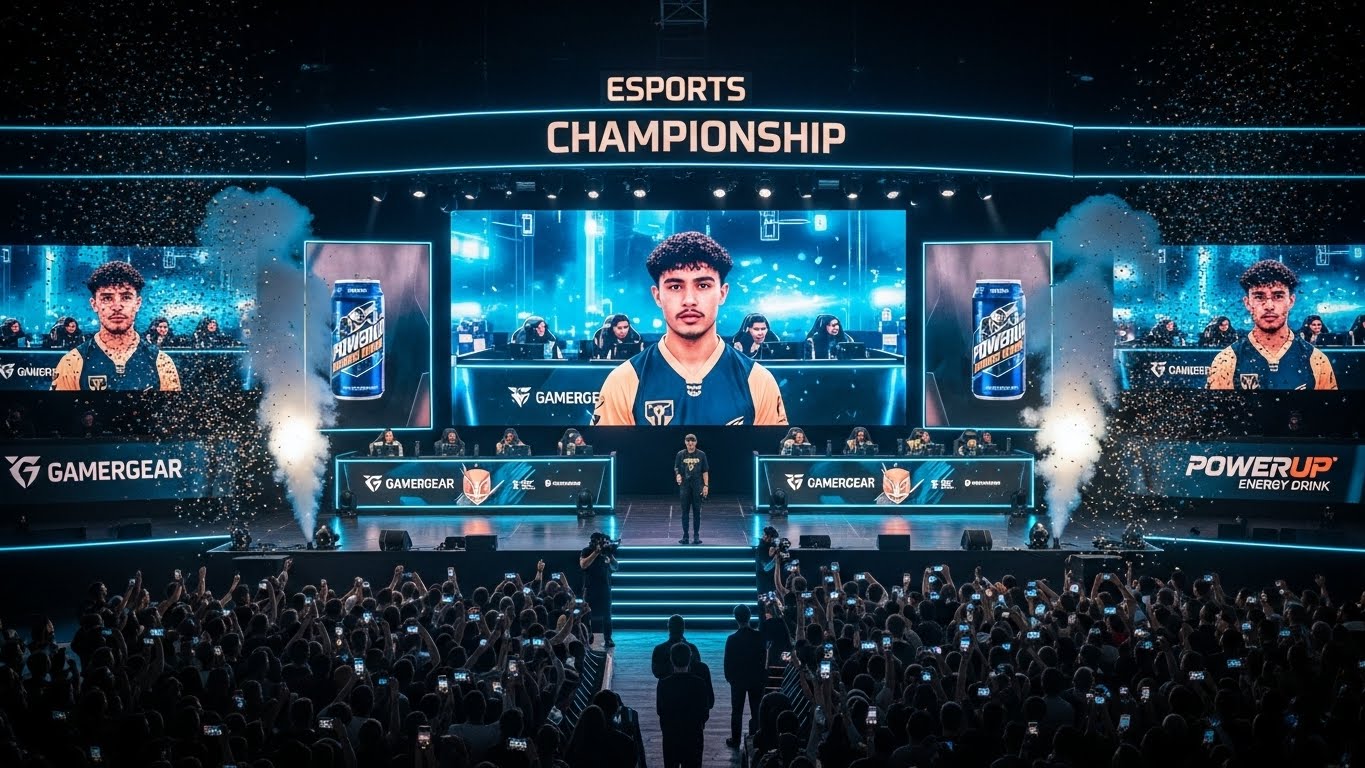
Esports, or competitive video gaming, has grown from a niche pastime to a global powerhouse of entertainment, competition, and culture. What was once viewed as a simple hobby has evolved into a multi-billion-dollar industry, drawing millions of fans and creating opportunities for professional players, content creators, and brands. The rise of esports is a story of technological innovation, passionate communities, and shifting cultural values. This article explores the origins, growth, structure, and future of esports, highlighting how it has reshaped modern entertainment and created an entirely new competitive landscape.
Understanding the Roots of Esports
The concept of competitive gaming is not new. Early video game competitions date back to the late twentieth century, when arcades were filled with players attempting to achieve the highest score on classic games. These competitions were small and informal, but they laid the foundation for the structured tournaments that would follow. With the rise of personal computers and home consoles, gaming became more accessible, allowing multiplayer experiences that connected players in the same room and eventually across the world.
As internet speeds improved, online gaming communities began to form. These communities represented the earliest version of modern esports culture. Competitive titles emerged, skill levels increased, and the idea of organized tournaments gained traction. What was once friendly competition among friends slowly transformed into a recognized form of entertainment and athleticism.
The Evolution into a Professional Industry
The shift from casual gaming to professional esports occurred gradually but steadily. Developers began designing games with competitive structures in mind, incorporating rankings, ladders, and balance updates to support organized play. Companies hosted official tournaments with prize pools, attracting players who devoted significant time to training and mastering their craft.
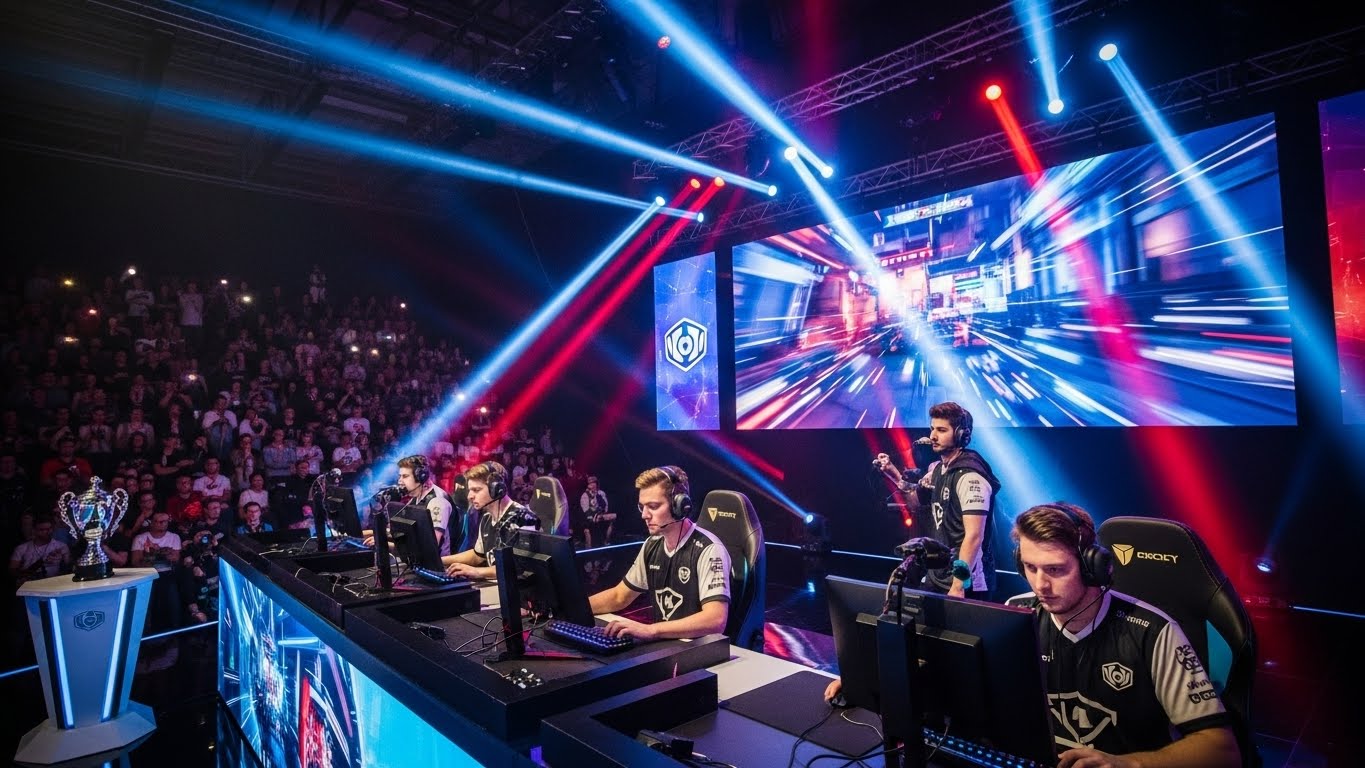
Over time, esports adopted many of the structures found in traditional sports. Teams formed, complete with coaches, analysts, managers, and training facilities. Sponsorships and endorsements helped fund players’ careers, while large tournaments offered life-changing prize money. Broadcasting platforms emerged, enabling fans worldwide to watch matches live. These changes solidified esports as a legitimate industry with dedicated fans, skilled athletes, and growing economic influence.
What Makes Esports Unique
Esports stands out from traditional sports in several ways. It requires mental precision, fast reflexes, strategic thinking, and in many cases, deep teamwork. The barrier to entry is accessible compared to physical sports, making esports inclusive of various ages, genders, and backgrounds. Esports also evolves quickly, responding to technological developments and player creativity. New games emerge, strategies shift, and the community actively participates in shaping the future of competitive play.
Another unique feature is the relationship between players and fans. Digital platforms allow continuous interaction, turning players into influencers with dedicated audiences. This connection creates a community-driven atmosphere where fans feel personally invested in their favorite teams and players.
Popular Genres and Games in Esports
Esports encompasses many genres, each offering unique gameplay and competitive structures. While the diversity of games enriches the industry, some genres dominate global competitions.
Multiplayer Battle Arenas
Strategic team-based games are among the most popular esports genres. They require coordination, continuous communication, and deep tactical understanding. Each match feels unique, shaped by player decisions, team composition, and in-game objectives.
First-Person Shooters
Fast-paced shooters remain staples of the esports world. These games demand precision, map knowledge, quick reflexes, and flawless teamwork. Competitive shooters bring high intensity and excitement, drawing millions of fans who enjoy dynamic and adrenaline-filled matches.
Sports Simulations
Digital versions of traditional sports also contribute to esports. Players compete in virtual soccer, basketball, racing, and more. These games blend realistic physics with online competition, offering a familiar yet modern form of sports entertainment.
Strategy and Card Games
Strategic games appeal to players who enjoy thinking several steps ahead. They challenge participants to evaluate resources, predict opponent moves, and make optimal decisions under pressure. This genre highlights the intellectual side of esports and attracts a dedicated audience.
The Role of Streaming and Online Platforms
The growth of esports is closely tied to online streaming platforms. These platforms allow fans worldwide to watch live competitions, follow their favorite players, and learn new strategies. Streaming has made esports accessible to global audiences and helped cultivate communities that discuss, analyze, and celebrate competitive gaming.
Player personalities also play a significant role. Many professional players stream their practice sessions, interacting with fans and offering insight into their skills and routines. This transparency gives esports a unique appeal compared to traditional sports, where behind-the-scenes access is often limited.
Training and the Life of an Esports Athlete
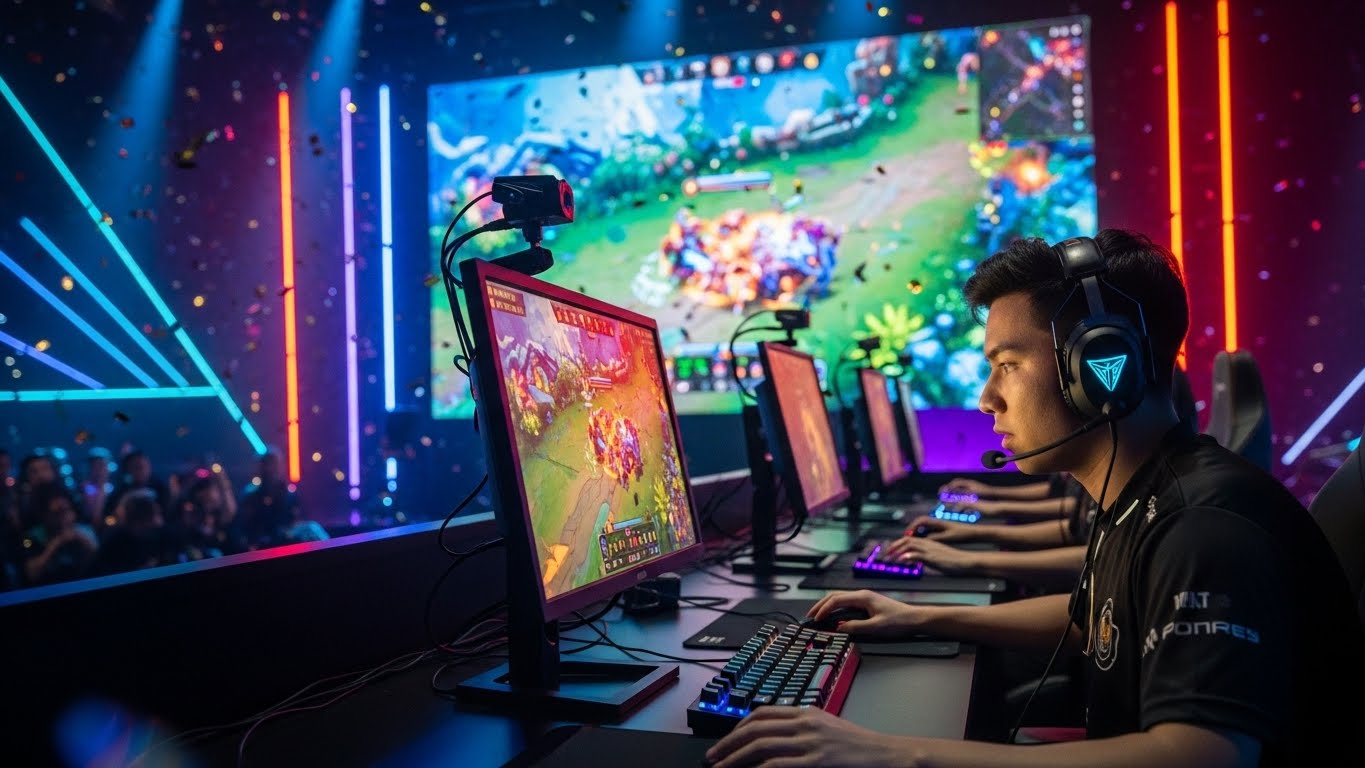
Contrary to stereotypes, professional esports players undergo rigorous training. They practice for long hours, study strategies, analyze opponents, and maintain physical and mental health. Reaction time, hand-eye coordination, decision-making speed, and teamwork are essential skills developed through disciplined training.
Many teams provide structured environments for players. These include training houses or facilities with advanced equipment, coaches, fitness trainers, and nutritionists. The goal is to optimize player performance and longevity, as careers in esports can be demanding on both the mind and body.
The Business Behind Esports
Esports is not only a competitive activity but also a thriving business ecosystem. The industry generates revenue through sponsorships, advertising, merchandise, media rights, ticket sales, and digital products. Major brands invest in esports because of its highly engaged and tech-savvy audience.
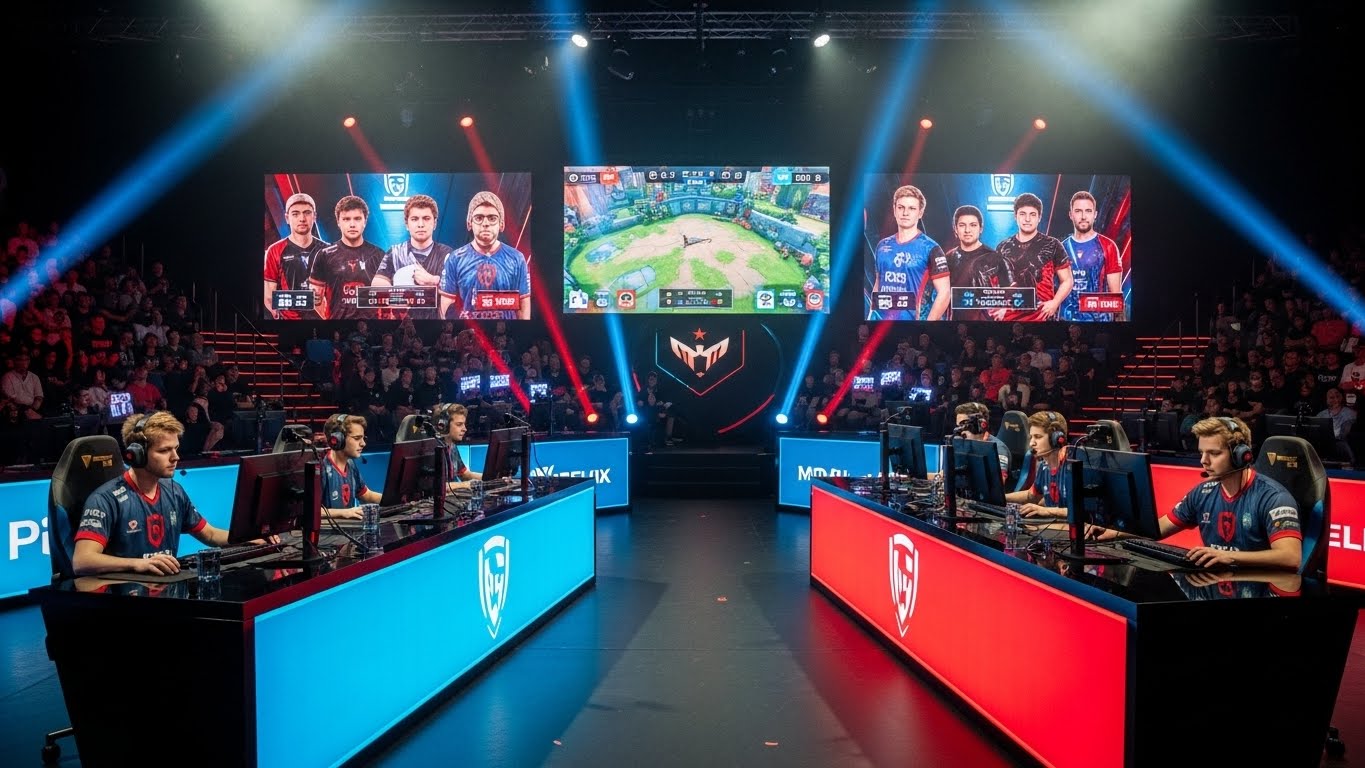
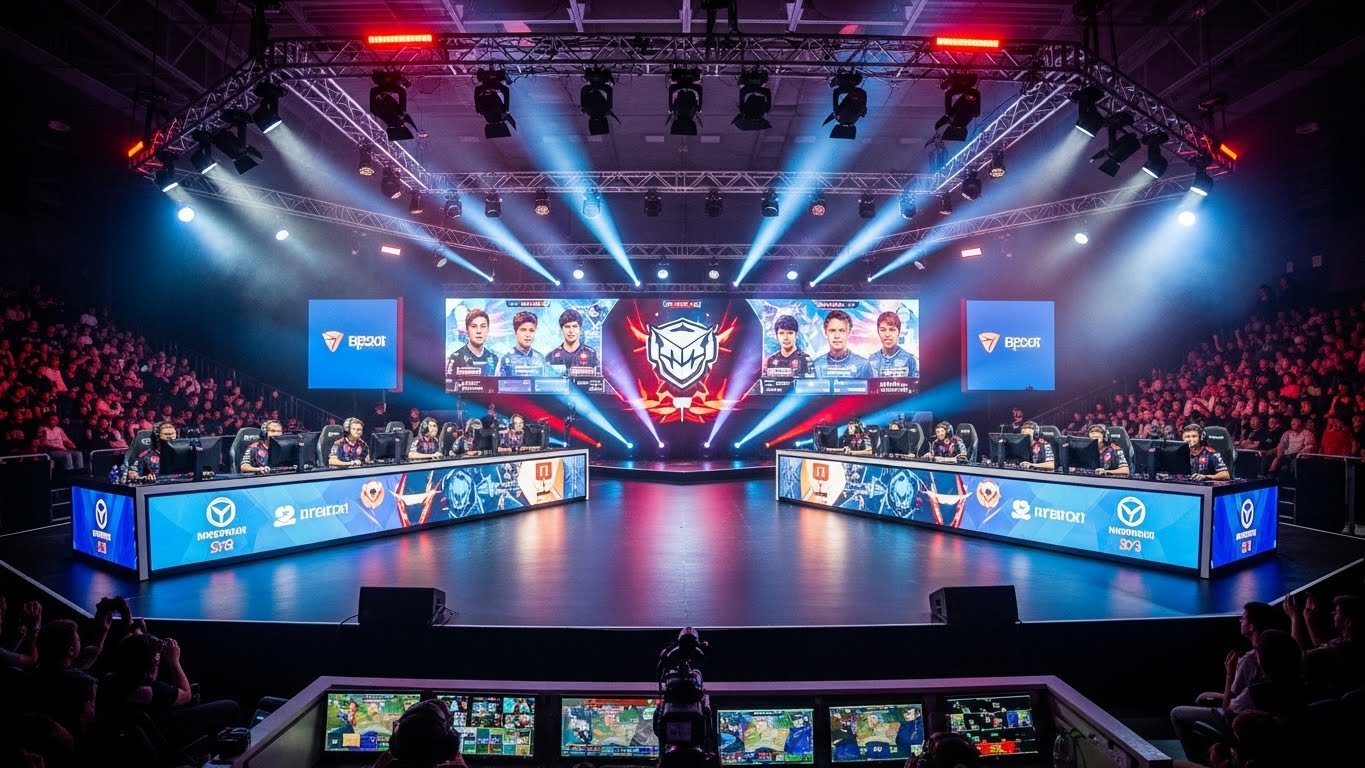
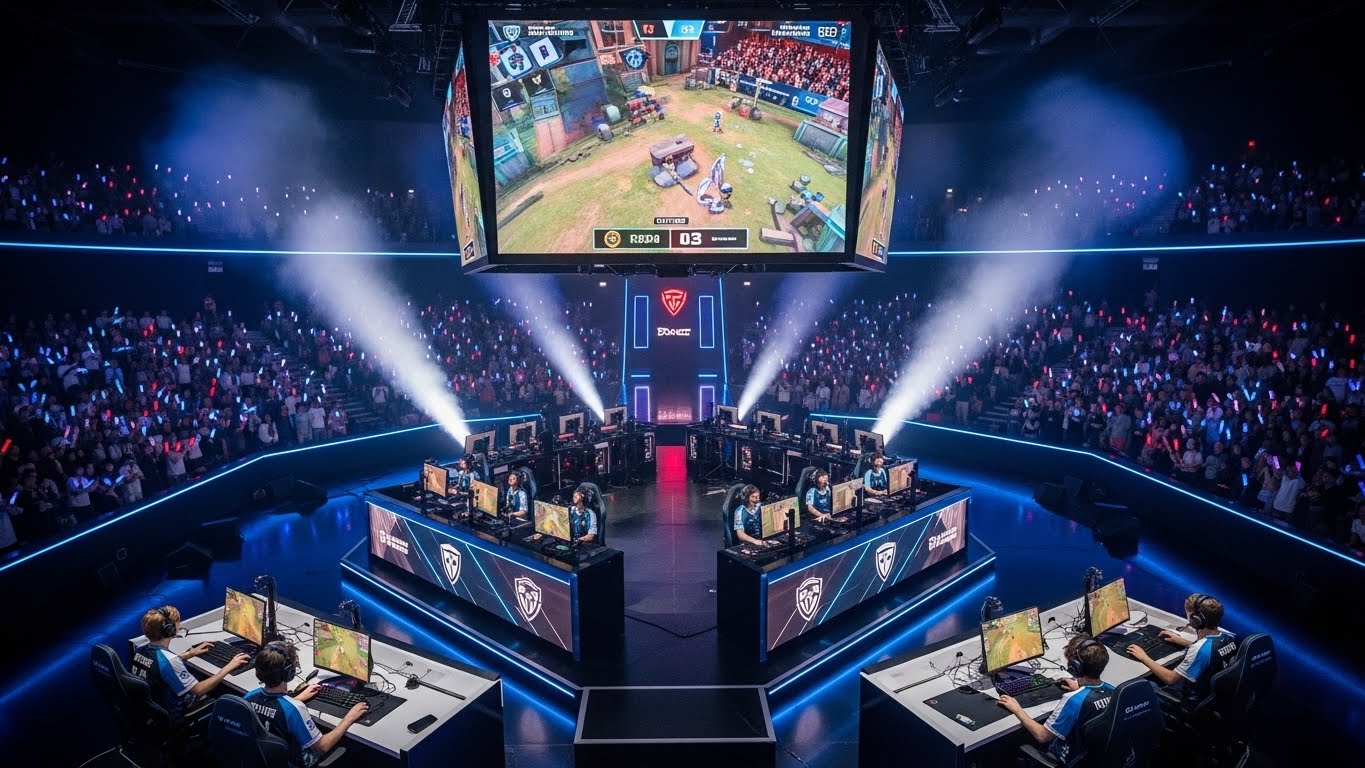
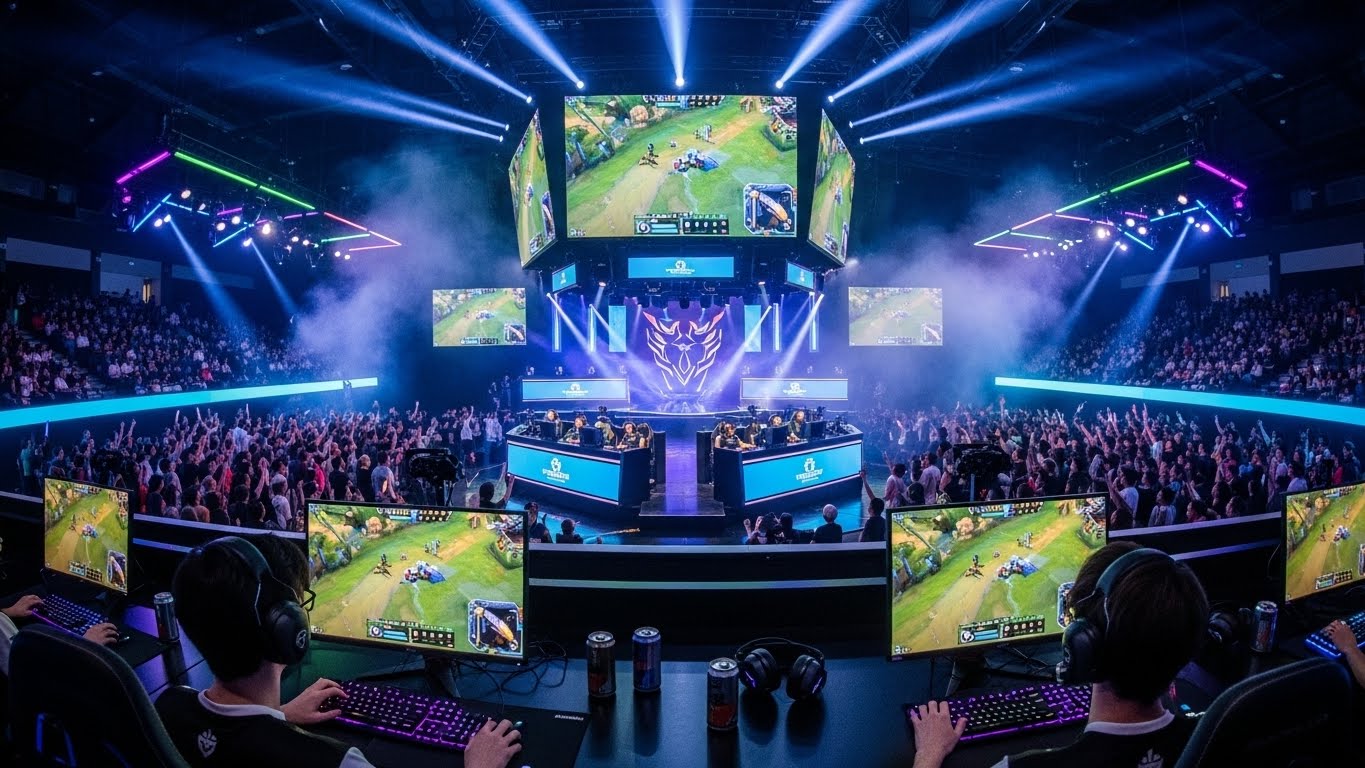
Tournaments attract massive viewership, rivaling traditional sporting events. Large arenas host live finals, filled with cheering fans, professional lighting, commentary desks, and dramatic presentations. This professional atmosphere enhances the spectator experience, elevating esports to the level of mainstream entertainment.
Community and Culture in Esports
Esports communities are diverse and global. Fans support teams, analyze gameplay, share strategies, and engage in friendly debates. Gaming culture encourages creativity, collaboration, and a strong sense of belonging. Players and fans form tight-knit networks where they celebrate victories, discuss updates, and connect through shared passion.
The culture also includes creators, artists, commentators, and analysts who contribute to the ecosystem. Their work enriches esports by offering storytelling, entertainment, and insight. Esports culture is vibrant, energetic, and constantly evolving.
The Impact of Esports on Youth and Education
Esports has opened new opportunities for young people. Academic institutions now offer scholarships for competitive gaming, acknowledging the discipline and skill required. Students participate in collegiate leagues, gaining experience, teamwork skills, and in some cases, pathways to professional careers.
Gaming also supports cognitive development. It improves multitasking, strategic thinking, memory, and problem-solving skills. Many educational systems recognize esports as a valuable extracurricular activity that promotes teamwork, communication, and leadership.
Challenges Facing the Esports Industry
Despite its success, esports faces challenges. Player burnout is a concern due to long practice hours and high pressure. Ensuring fair competition, maintaining integrity, and combating cheating require constant vigilance. Inclusivity and diversity continue to be important topics, as esports aims to welcome players of all backgrounds.
Another challenge lies in the rapid pace of technological change. Games can lose popularity quickly, requiring teams and players to adapt. Maintaining stable career paths in such a dynamic environment demands flexibility and strong organizational support.
The Future of Esports
The future of esports is filled with possibilities. Advancements in technology will enhance gameplay, broadcasting quality, and viewer engagement. Virtual reality and augmented reality may introduce new forms of competitive gaming. Mobile esports will continue to grow, reaching regions where traditional gaming setups are less accessible.
Esports is also expected to expand into mainstream media, potentially becoming a regular part of television broadcasts and global sporting events. As younger generations grow up with gaming as a central part of their culture, esports will only become more influential.
Conclusion
Esports has transformed the entertainment landscape, blending technology, skill, competition, and community into a vibrant global phenomenon. It has created new opportunities for athletes, inspired millions of fans, and established itself as a legitimate and powerful industry. The growth of esports symbolizes a shift in how society views digital entertainment and competition.
As technology advances and communities continue to grow, esports will shape the future of sports, media, and culture. It stands as a testament to human innovation, creativity, and the enduring desire for challenge and connection. The world of esports is just beginning, and its potential is limitless.