championlounge06
Introduction: The Birth of a Digital Sporting Era
In just a few decades, esports has transformed from a niche hobby enjoyed in dimly lit internet cafés to a global entertainment powerhouse drawing millions of passionate fans. What began as informal gatherings of players testing their skills against one another has blossomed into a multibillion-dollar industry filled with professional athletes, world championships, sponsorship deals, and massive arenas filled with spectators. This remarkable rise invites a deeper look into how esports gained its momentum, why it continues to grow, and what the future holds for this digital sporting revolution.
The Evolution of Competitive Gaming
Esports did not emerge overnight. The earliest form of competitive gaming can be traced back to the late twentieth century, when video game competitions were organized around classic arcade titles. These were largely casual events, but they ignited a spark that would eventually evolve into the esports communities known today.
The widespread availability of personal computers and home gaming consoles in the 1990s opened the door for more structured competitions. Games like real-time strategy and first-person shooters developed loyal followings. Early tournaments were often held at local LAN parties where players connected their computers to battle it out in person. This laid the foundation for the social and competitive aspects that define modern esports.
As online gaming became more accessible, players could compete from the comfort of their homes against others across the world. This shift dramatically increased participation and built communities that were no longer limited by geography. Sponsors, developers, and organizers began to invest more heavily, seeing the potential of competitive gaming as both a sport and a form of large-scale entertainment.
The Rise of Professional Esports Teams
With growing interest came the birth of professional esports organizations. These teams operate similarly to traditional sports clubs, with coaches, analysts, trainers, and management staff supporting their rosters. Players undergo rigorous training schedules, review match footage, and participate in team-building exercises to maintain cohesion and improve synergy.
Professional players are often scouted from ranked ladders or smaller tournaments. Once signed, they receive salaries, benefits, and sponsorship deals. The environment has become so competitive that many players dedicate their entire day to practice, strategy sessions, and scrimmages.
Teams also build strong fan bases. Supporters follow their favorite players on social platforms, purchase team merchandise, and tune in to live tournaments. Some organizations even host fan meet-and-greet events, further strengthening the bond between players and their audiences. This evolution has helped solidify esports as a legitimate career path for talented gamers worldwide.
The Business Behind Esports
The business infrastructure supporting esports is vast and growing rapidly. Revenue streams come from sponsorships, advertisements, merchandising, media rights, ticket sales for live events, and crowdfunding efforts through community support. Game publishers play a critical role as well, often hosting tournaments and providing prize pools to incentivize competition.
Brands unrelated to gaming, such as automotive companies, beverage manufacturers, and financial institutions, have increasingly recognized the potential of partnering with esports. These partnerships introduce new resources into the industry while allowing brands to market directly to the younger, digitally engaged audience that esports attracts.
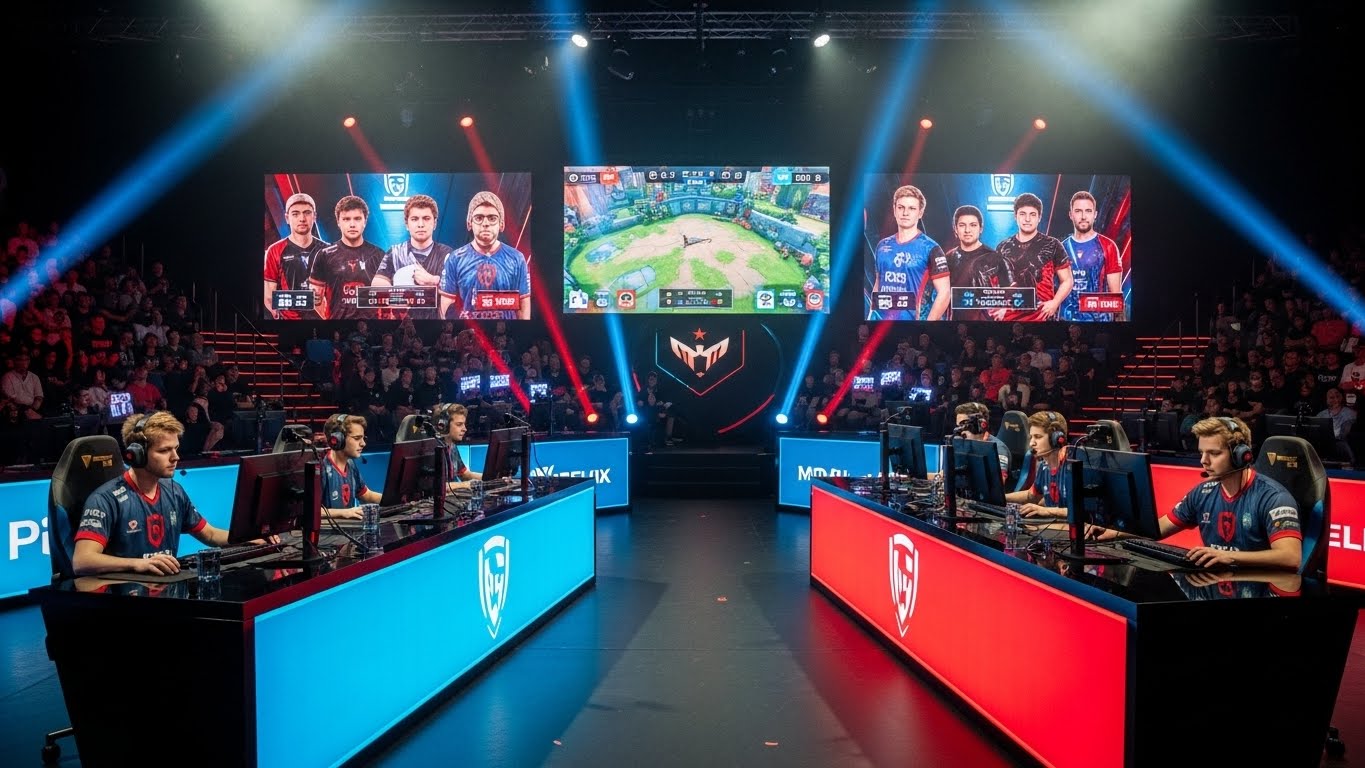
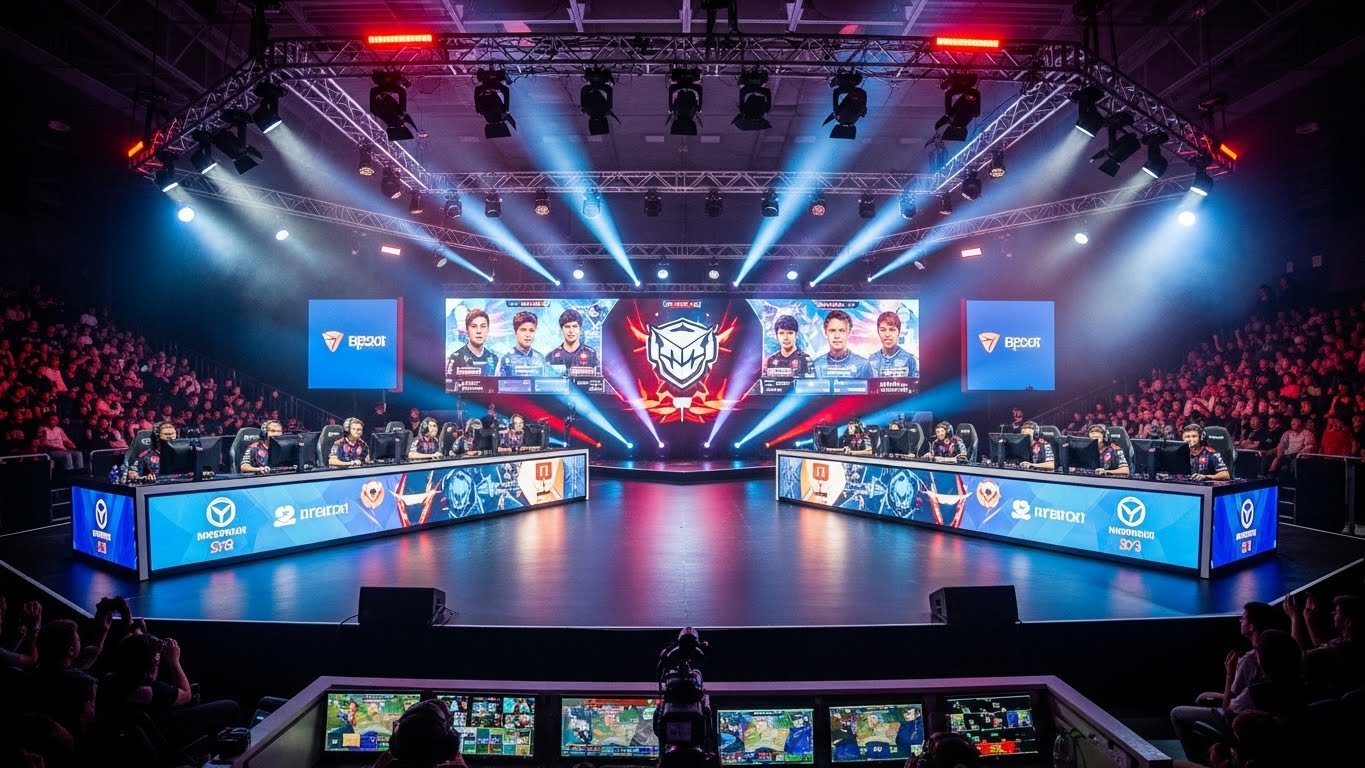
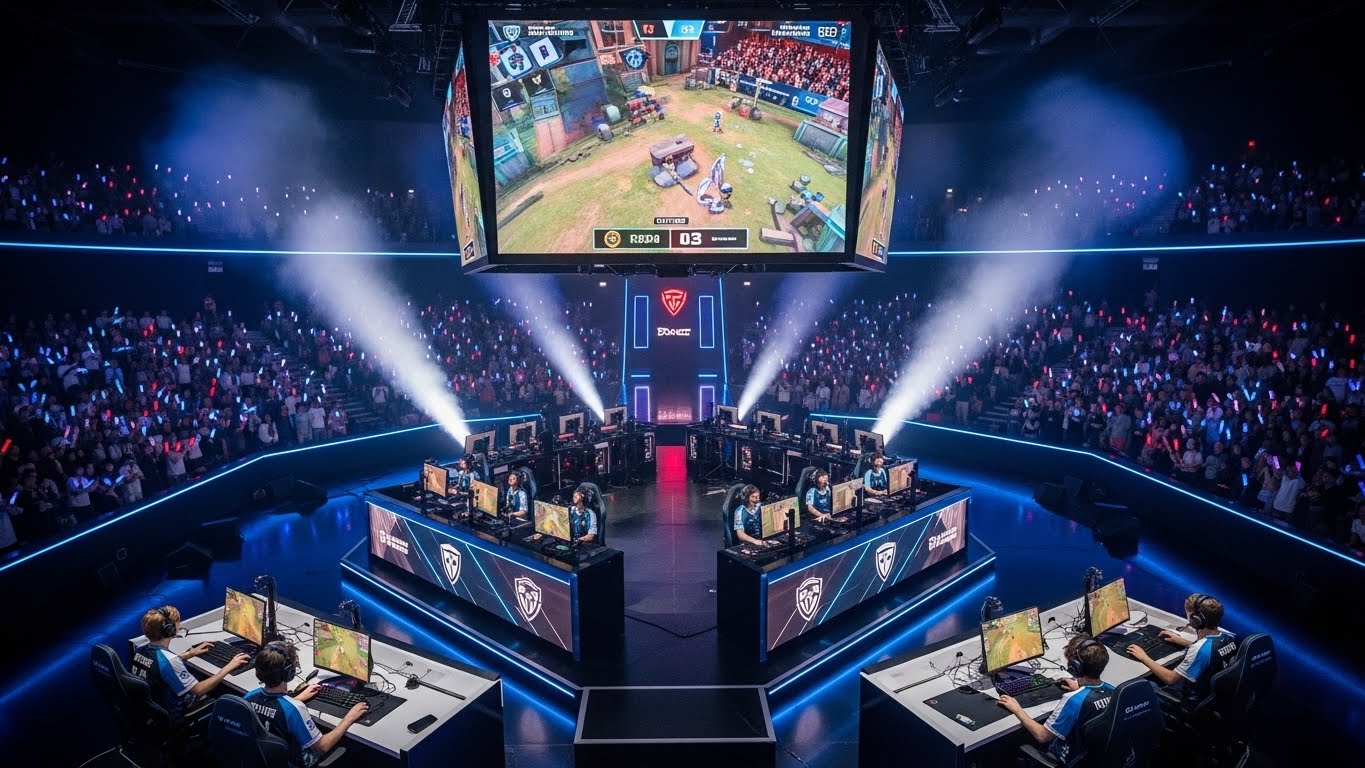
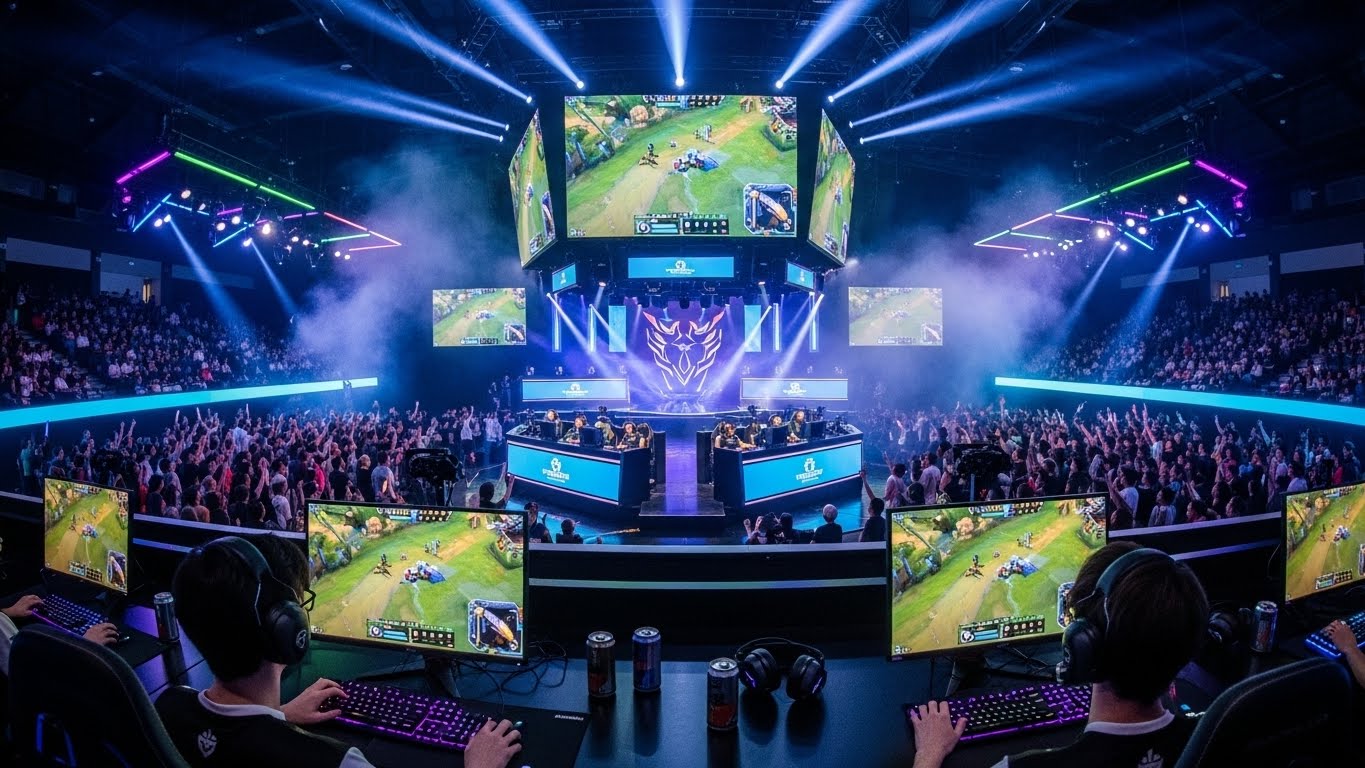
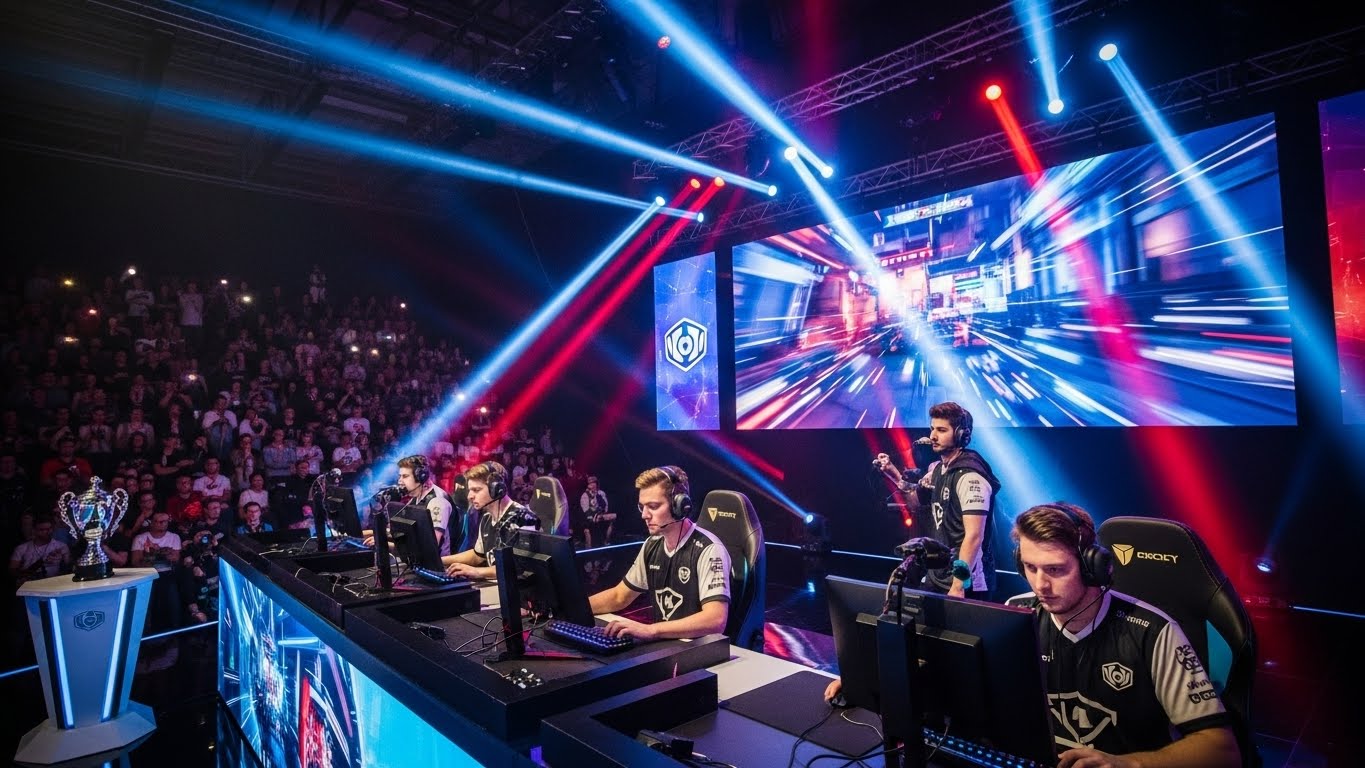
Tournament organizers have also elevated the viewing experience. High-quality production, expert commentary, and in-depth analysis bring a level of professionalism that rivals traditional sports broadcasts. With elaborate stage setups, impressive lighting, and energetic audiences, major esports finals feel no less monumental than championship games in other sporting arenas.
Popular Genres and Games Dominating Esports
The esports landscape encompasses a wide range of game genres, each offering different styles of competition. Some of the most popular include:
Multiplayer Online Battle Arena Games
These titles involve two teams competing to control the battleground and achieve strategic objectives. They require teamwork, coordination, and deep knowledge of gameplay mechanics. Their complexity and rapid pace make them exciting to watch and play.
First-Person Shooters
Fast-paced and adrenaline-fueled, these games demand quick reflexes and precise aim. Teams coordinate positions, strategies, and equipment choices to outmaneuver opponents in tactical matches.
Battle Royale Titles
These games blend survival aspects with large-scale combat. Players compete to be the last one standing, which creates unpredictable and thrilling matches.
Fighting Games
One-on-one combat games showcase mechanical mastery, timing, and psychological mind games. Each match becomes a display of skill and strategic counterplay.
Sports Simulation Games
Digital recreations of popular sports allow players to compete using real-world tactics and strategies. These titles often attract fans who appreciate both gaming and traditional sports.
Each genre contributes to the diversity of the esports scene, ensuring that fans with different tastes can find competitions they enjoy.
The Viewer Experience: Why Fans Love Esports
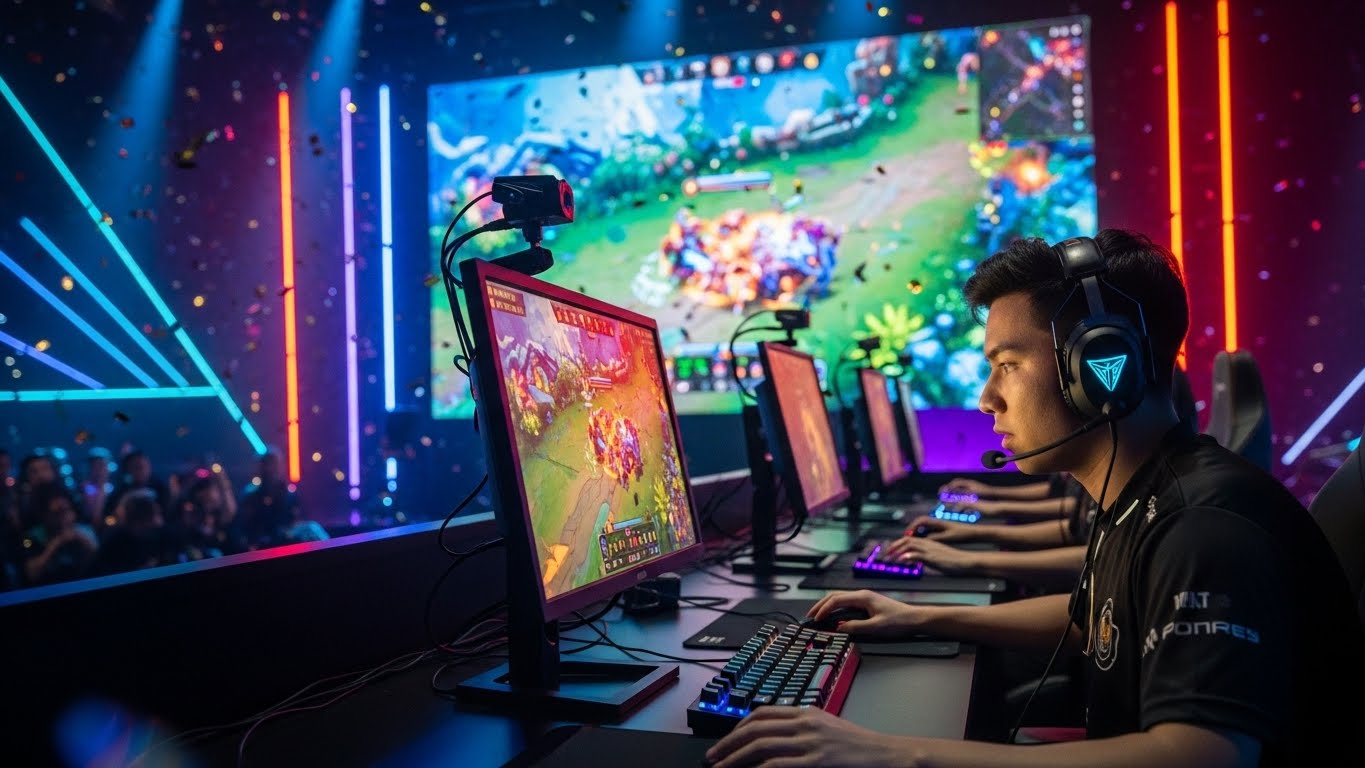
Esports has captivated millions for many reasons, one being the sheer excitement of high-level gameplay. Spectators witness skillful plays, unexpected comebacks, and nail-biting moments that keep them glued to their screens. The digital nature of esports allows for dynamic camera angles, instant replays, and detailed overlays that enhance understanding and engagement.
Another appeal lies in the personalities of the players. Professional gamers often live-stream their daily practice or interact with fans online. This accessibility fosters a deep sense of connection and makes fans feel closer to their favorite competitors than is possible in many traditional sports.
Community engagement is also a major driver. Online forums, social media groups, and watch parties create spaces where fans can share their excitement, analyze plays, and cheer together. This sense of belonging strengthens the esports culture and draws new individuals into the scene every year.
The Challenges Facing the Esports Industry
Despite its tremendous growth, esports faces challenges that must be addressed to ensure long-term stability. One major concern is player burnout. The demanding practice schedules and psychological pressure of constant competition can take a toll on mental and physical health. Organizations are starting to prioritize player wellness by introducing structured rest periods, physical training, and mental health support.
Sustainability is another issue. While major teams and tournaments thrive, smaller organizations struggle to secure funding and remain competitive. Ensuring financial stability for all levels of esports will require strategic planning, supportive policies, and continued investment.
There are also ongoing conversations about standardizing rules and regulations. Different games and regions operate under varied systems, making it difficult to create universal guidelines. As esports moves closer to being recognized globally as an official sport, establishing governing bodies may become necessary.
Education and Career Opportunities in Esports
Esports is no longer limited to playing games competitively. It has expanded into a diverse ecosystem with opportunities in coaching, event management, video production, content creation, marketing, broadcasting, and more. Universities around the world now offer esports scholarships, degree programs, and varsity teams.
Students interested in gaming can pursue careers in game design, programming, graphic design, or data analytics to support the esports industry behind the scenes. This educational shift reflects the seriousness with which institutions view esports and highlights its long-term potential.
The Future: What Lies Ahead for Esports
As technology continues to advance, several emerging trends are expected to shape the future of esports. Virtual reality could introduce new competitive formats that blend physical movement with digital play. Artificial intelligence may revolutionize training, helping athletes analyze their performance and identify areas for improvement.
There is also a possibility of esports becoming part of global sporting events. Conversations have already begun at international levels regarding its inclusion among traditional athletic competitions. If this becomes a reality, esports will gain even greater legitimacy and cultural recognition.
The expansion of mobile gaming is another influential factor. Mobile esports has already gained traction in various regions, attracting huge numbers of players and spectators. Its accessibility ensures that the industry will continue growing, especially in emerging markets.
Conclusion: A Digital Legacy in the Making
Esports has evolved into far more than competitive gaming. It is a cultural movement, a career pathway, a global entertainment phenomenon, and a reflection of how technology continues to shape modern society. From humble beginnings to packed stadiums filled with cheering fans, esports showcases the limitless possibilities of digital innovation and human creativity.
The future of esports promises continued evolution, greater inclusivity, and new ways for players and fans to connect. Whether you are a seasoned gamer, a curious observer, or someone discovering this world for the first time, one thing is clear: the realm of esports is only just beginning to rise, and its impact will be felt for generations to come.