championlounge06
In the past decade, the world of competitive gaming has transformed from a niche hobby into a global phenomenon. What was once a subculture of dedicated gamers has now evolved into a multi-billion-dollar industry, drawing millions of viewers and participants from all corners of the globe. Esports, or electronic sports, has become one of the fastest-growing sectors in entertainment, competing with traditional sports for attention, sponsorship, and audience loyalty. In this post, we will explore the key factors behind the rise of esports, the impact on gaming culture, the major players in the industry, and the future prospects of this exciting arena.
What is Esports?
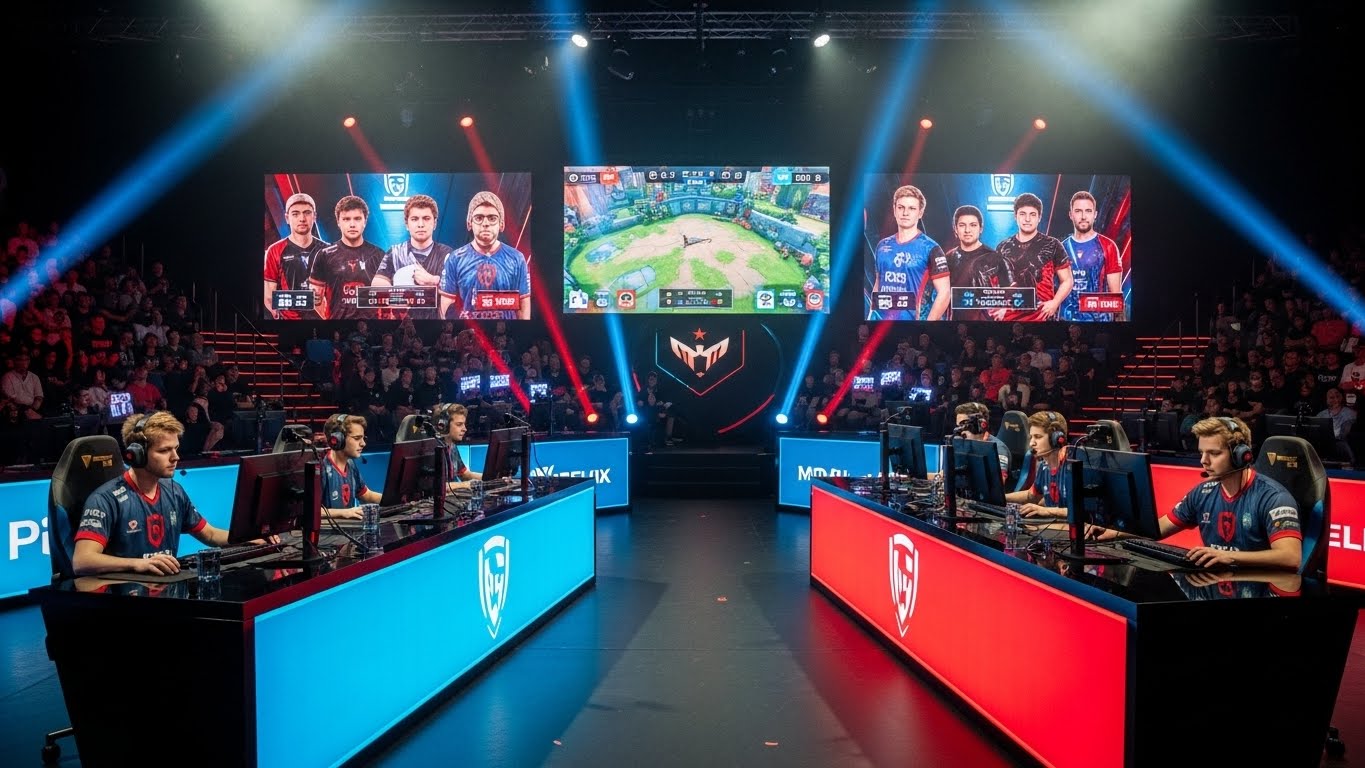
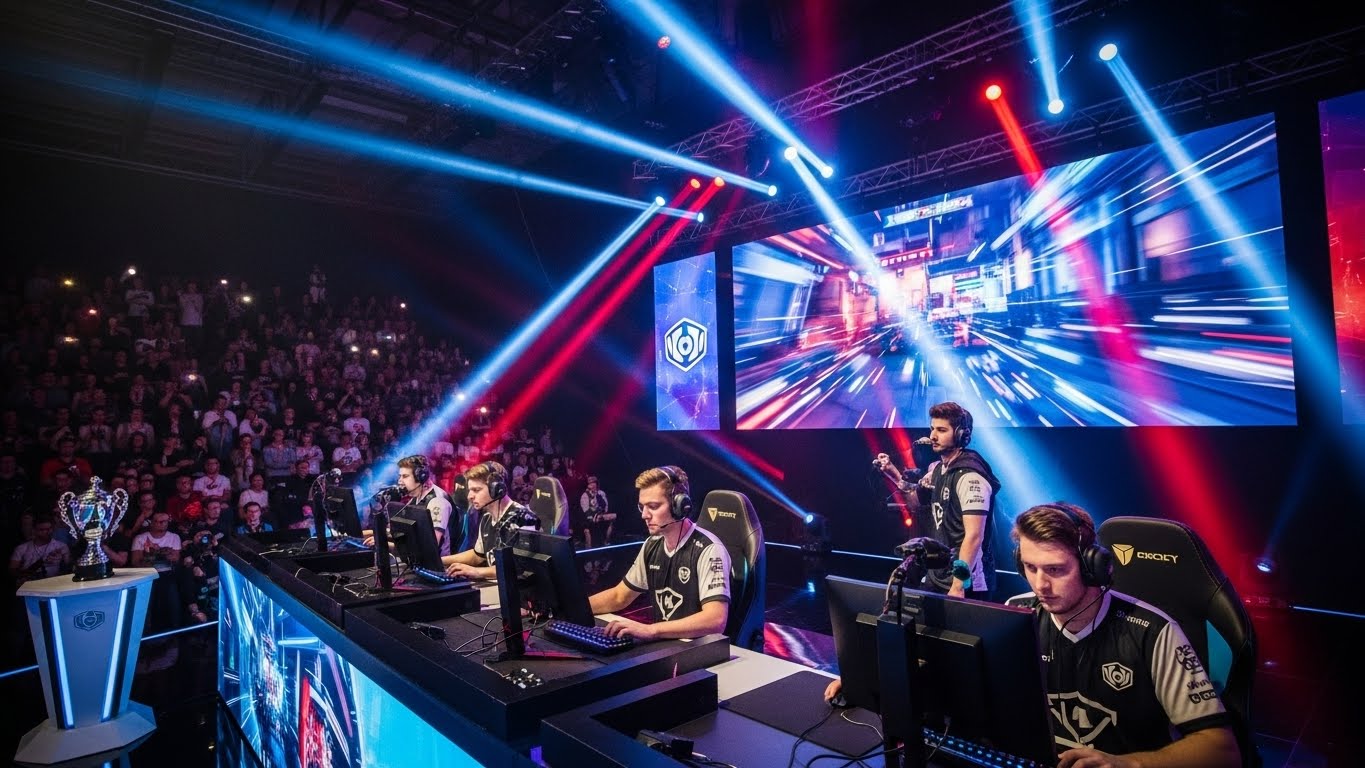
Esports refers to organized, multiplayer video game competitions, particularly between professional players, individually or as teams. While esports is often associated with titles like League of Legends, Dota 2, Counter-Strike: Global Offensive, and Fortnite, the industry spans a wide range of genres, from first-person shooters to real-time strategy games, and even sports simulation games like FIFA and NBA 2K.
Esports has evolved from casual online competitions to large-scale tournaments with hefty prize pools, professional players, sponsorships, and global fan bases. Players train rigorously to develop their skills, and events are often broadcast live, drawing millions of viewers through platforms like Twitch, YouTube, and traditional media channels.
The Growth of Esports: From a Hobby to a Business
The rise of esports can be traced back to the early 2000s, but its explosive growth happened in the last five years. Several factors have contributed to this meteoric rise.
1. The Digital Revolution and Streaming Platforms
With the growth of high-speed internet and the advent of streaming platforms such as Twitch, YouTube Gaming, and Facebook Gaming, esports became more accessible to a wider audience. These platforms allowed gamers to broadcast their gameplay live, giving fans the ability to watch matches, interact with players, and follow their favorite teams.
Twitch, which was launched in 2011, played a pivotal role in esports’ growth. It provided a dedicated platform for gamers to stream their competitions and offered tools for real-time interaction with their audience. Esports tournaments, initially confined to local events, could now reach a global audience. In turn, this led to increased viewership, creating a snowball effect where more brands and organizations invested in the ecosystem.
2. Major Sponsorships and Investment
Esports is no longer just about gamers competing for glory; it has evolved into a multi-million-dollar business. Corporations, including some of the world’s largest brands such as Coca-Cola, Intel, Red Bull, and Mercedes-Benz, have jumped on the esports bandwagon by sponsoring tournaments, teams, and events. In fact, sponsorships are a primary source of revenue for many esports organizations.
Additionally, investment has poured in from traditional sports teams, celebrities, and tech giants. The Philadelphia 76ers, for example, acquired the esports team Dignitas in 2016, marking one of the first major crossovers between traditional sports and esports. Tech companies such as Microsoft and Amazon have also invested heavily in the space, with Microsoft supporting Halo tournaments and Amazon owning the streaming platform Twitch.
3. Professionalization of Esports
As esports gained popularity, organizations began to develop professional leagues and tournaments with standardized rules and structures. Major titles such as League of Legends, Overwatch, and Call of Duty now feature official professional leagues with franchise teams, player contracts, salaries, and sponsorships.
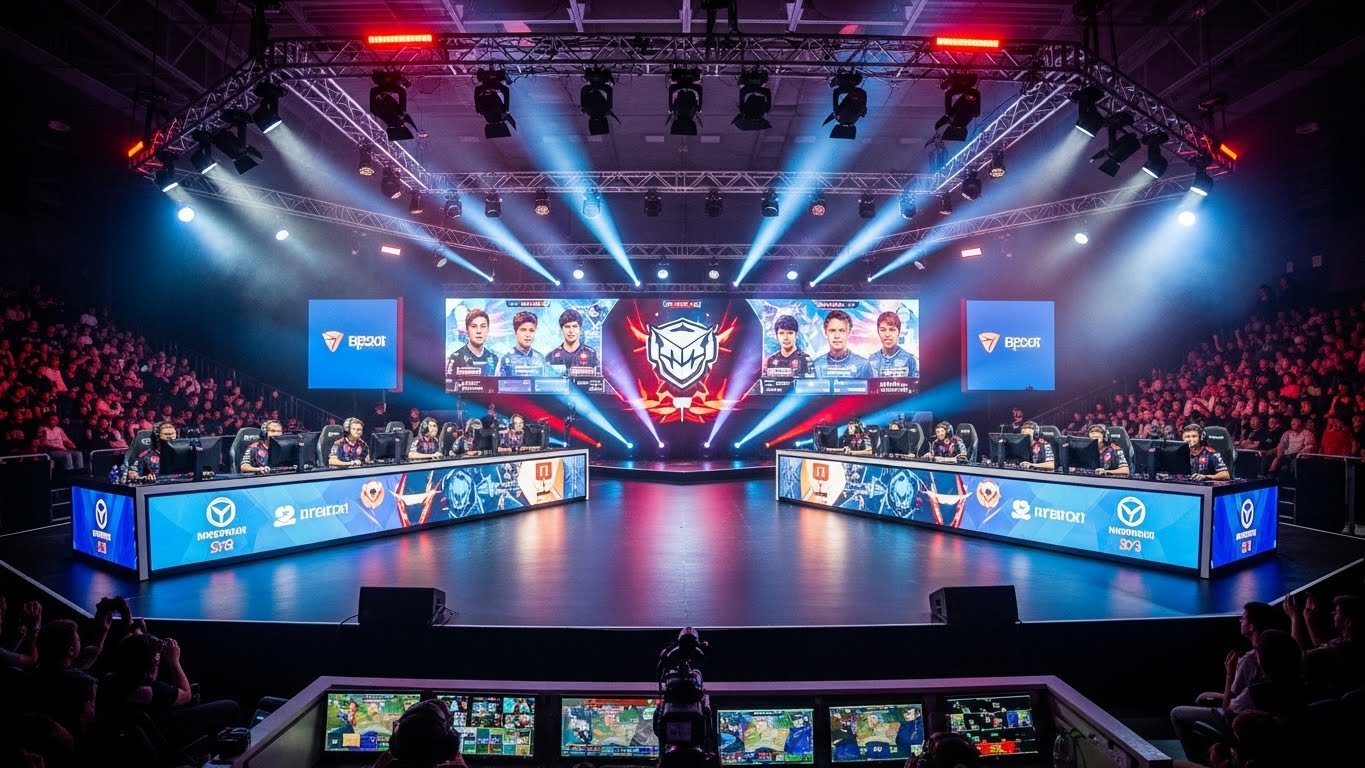
The establishment of dedicated esports arenas, such as the ESL One in Katowice, Poland, and The International in Seattle, Washington, has further cemented esports as a legitimate, high-profile industry. These events are not only opportunities for players to showcase their skills but also attract thousands of fans, both on-site and online.
The Esports Ecosystem: Key Components
Esports is a complex ecosystem with various stakeholders working together to create a thriving competitive environment. To understand the full scope of the industry, it’s essential to break down its key components:
1. Players and Teams
Professional players are the backbone of the esports industry. These individuals dedicate years of their lives to mastering their chosen games, participating in regional and international tournaments, and consistently performing at the highest level. As in traditional sports, players often belong to teams, which are sponsored and supported by larger organizations.
Top players can earn impressive salaries, prize money from tournaments, and even streaming revenue from platforms like Twitch. The life of an esports athlete is demanding—players spend long hours practicing, studying gameplay strategies, and maintaining their physical and mental health to ensure peak performance.
2. Tournaments and Leagues
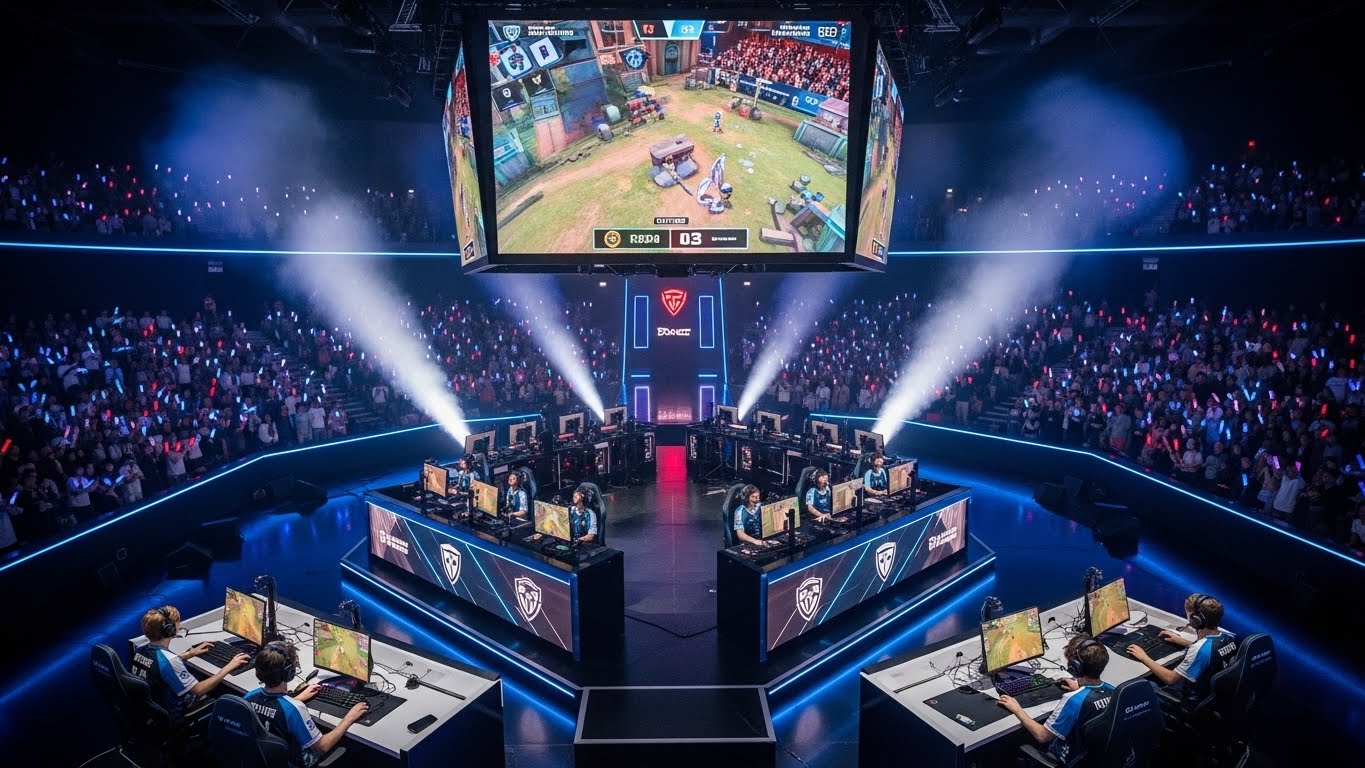
Esports tournaments range from small-scale events with modest prize pools to massive global spectacles with millions of dollars in rewards. Some of the most iconic esports tournaments include:
- The International (Dota 2): Known for having the largest prize pool in esports history, often surpassing $30 million.
- League of Legends World Championship: The annual finale of the League of Legends esports scene, with millions of viewers tuning in worldwide.
- CS:GO Major Championships: One of the most prestigious tournaments in Counter-Strike: Global Offensive.
In addition to one-off tournaments, there are also professional leagues, like the Overwatch League and Call of Duty League, which are modeled after traditional sports leagues, featuring franchise teams and seasonal play.
3. Broadcast and Media
The growth of esports would not have been possible without its global media coverage. Streaming platforms like Twitch and YouTube Gaming are the primary outlets for esports content. These platforms offer live streams of tournaments, behind-the-scenes content, interviews, and fan interaction.
Moreover, traditional media outlets such as ESPN have started covering esports events, legitimizing the industry further. Some broadcasts are even shown on cable television, drawing in audiences who may not typically engage with online gaming content.
4. Brands and Sponsors
Esports has attracted a wide variety of sponsors and advertisers from industries outside of gaming, ranging from food and beverage companies to tech giants and automotive brands. These sponsorships help fund events, pay players, and support esports organizations. With a young, engaged, and tech-savvy audience, esports has become an attractive advertising channel for brands seeking to reach a global and digital-first demographic.
The Cultural Impact of Esports
Esports has had a profound effect on gaming culture, society, and the way we view competitive entertainment.
1. Gaming as a Legitimate Career
In the past, gaming was often seen as a hobby or a pastime, but esports has helped shift that perception. Professional gaming is now considered a legitimate career path for many young people, especially with the advent of esports scholarships at universities and colleges. Many esports organizations also provide full-time employment to players, coaches, analysts, and content creators, making it possible for individuals to earn a living while doing what they love.
2. Creating a Global Community
One of the most remarkable aspects of esports is its ability to connect people across the globe. Gamers can compete and interact with others from different countries and cultures, creating a truly international community. The rise of esports has contributed to the breaking down of geographical and cultural barriers, as players and fans unite over their shared passion for competitive gaming.
3. New Forms of Entertainment
Esports is part of a larger trend toward digital entertainment, where traditional sports, movies, and music are no longer the only forms of entertainment. The interactivity of esports, combined with the fast-paced action and the growing sophistication of game design, offers a new and engaging way to enjoy sports and competition. It’s an experience that is not only visual but also highly participatory, with fans interacting with players, betting on outcomes, and even influencing in-game events through social media.
The Future of Esports: What Lies Ahead?
While esports has already achieved remarkable success, it’s still in its early stages of development. The next few years will likely bring significant changes and innovations to the industry.
1. Esports as a Mainstream Sport
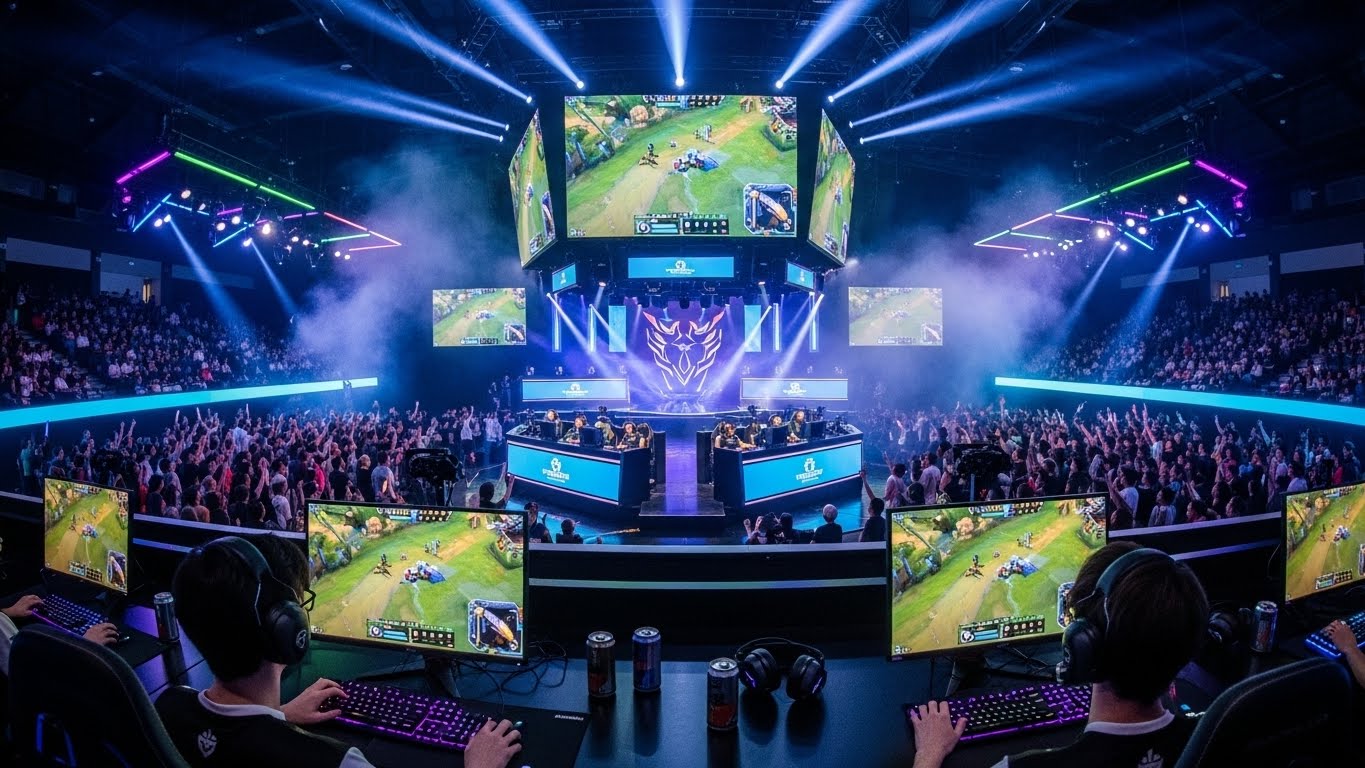
Esports is on a path to becoming as mainstream as traditional sports. Just like football or basketball, esports events will continue to fill arenas, garner sponsorship deals, and draw in huge audiences both in-person and online. It’s possible that esports will become an Olympic sport, as there have been ongoing discussions about including esports in the Summer or Winter Games.
2. Virtual and Augmented Reality (VR/AR)
One of the most exciting developments in gaming and esports is the potential of virtual reality (VR) and augmented reality (AR). These technologies could revolutionize how games are played and experienced, adding a new layer of immersion to esports competitions. The next generation of esports could involve players competing in virtual worlds that feel indistinguishable from reality, offering a fresh and futuristic take on competitive gaming.
3. Expansion to New Regions
While esports is already massive in countries like South Korea, China, and the United States, it’s poised for expansion into new regions. The growth of internet infrastructure in regions like Africa and Southeast Asia presents a huge opportunity for esports to reach even more fans and players.
Conclusion
Esports has come a long way since its humble beginnings, and it’s clear that the future of this industry is bright. With increasing investment, expanding audiences, and new technologies on the horizon, esports is set to continue its ascent as a dominant force in the world of entertainment. Whether you’re a gamer, a fan, or someone who’s simply interested in the evolution of digital sports, there’s no denying that esports is shaping the future of competitive gaming and the entertainment industry at large.