championlounge06
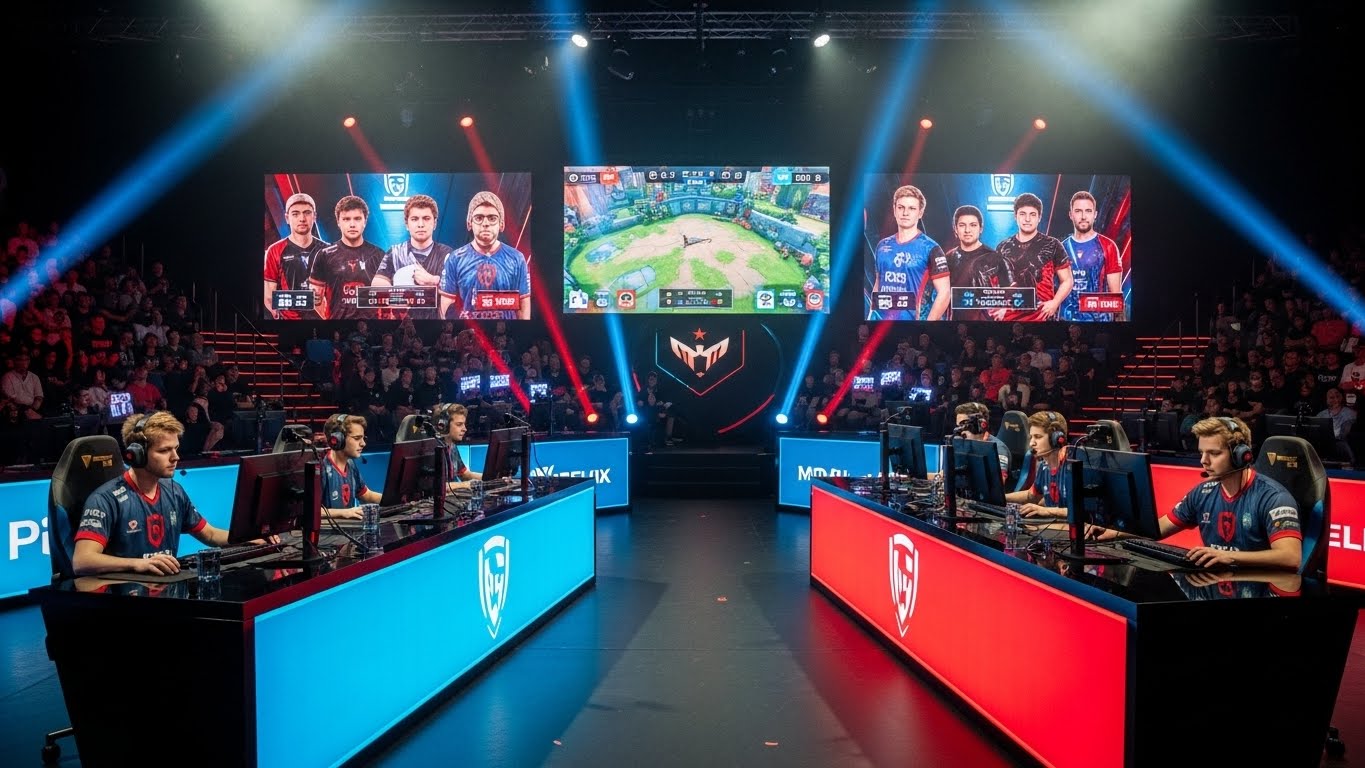
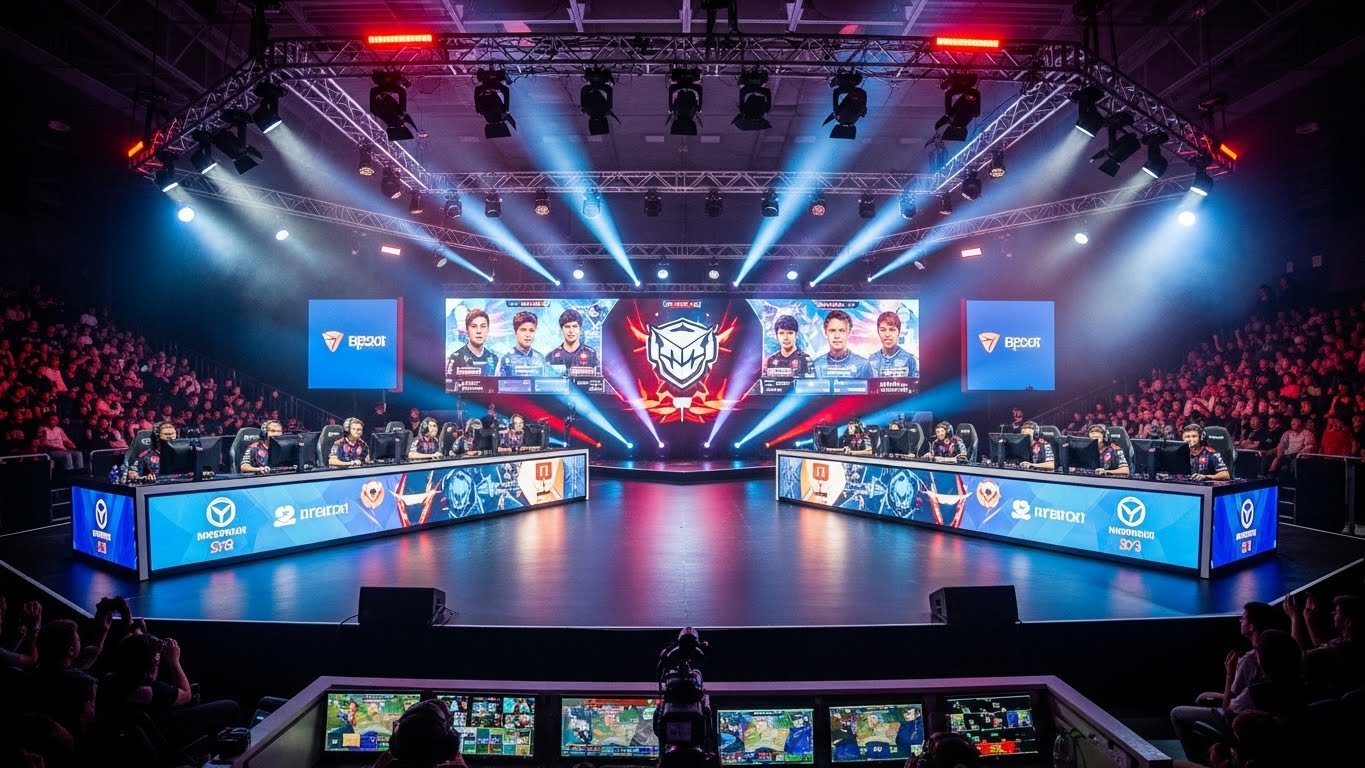
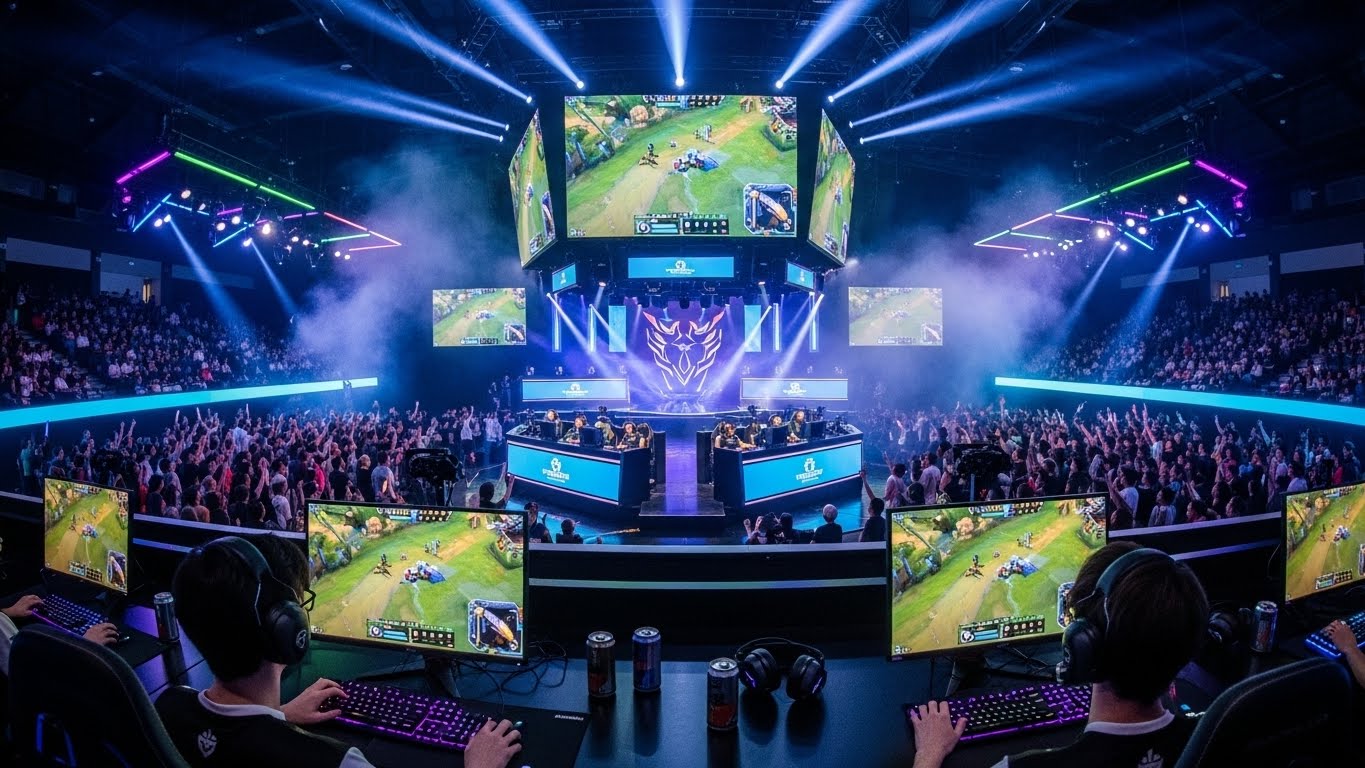
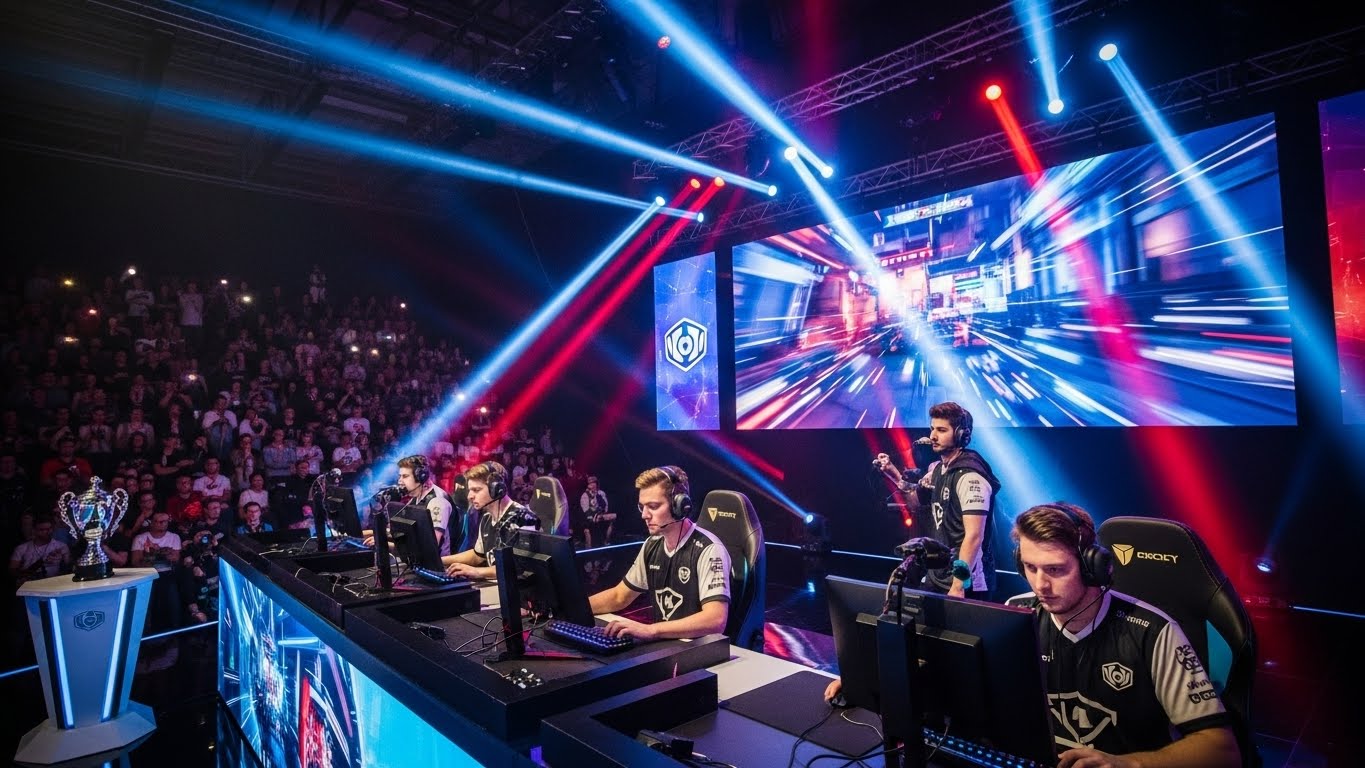
Esports, or electronic sports, has emerged as one of the most exhilarating and rapidly growing industries in the world. What once started as a niche hobby for passionate gamers has now transformed into a global phenomenon. Millions of people around the world are watching competitive gaming, with tournaments that offer prize pools in the millions, drawing in fans from all walks of life. But how did esports get to where it is today, and what makes it so captivating? In this blog post, we will explore the rise of esports, its impact on the gaming and sports industries, and what the future holds for this exciting form of entertainment.
The Early Beginnings of Esports
The journey of esports dates back to the early days of video gaming. In the 1970s, arcade games like Pong and Space Invaders began to gain popularity, and players started to compete against each other. However, the first true esports tournament came in 1997 with the launch of the Red Annihilation tournament for the game Quake. This event attracted a large audience and was the first time a professional-level competition was organized for a video game. The winner of that tournament, Dennis “Thresh” Fong, went on to become one of the first esports superstars.
However, the true breakthrough for esports came in the early 2000s when titles like StarCraft (1998) and Warcraft III (2002) took competitive gaming to the next level. These games introduced the concept of real-time strategy, with players competing not only for speed and accuracy but also for their ability to outthink their opponents in a complex, strategic environment. This laid the foundation for the esports scene as we know it today.
The Boom of Esports in the 2010s
The 2010s marked the real boom of esports. The rise of streaming platforms like Twitch and YouTube Gaming allowed players to broadcast their gameplay to a global audience. This was a game-changer, as it made esports accessible to millions of people who could now watch high-level gameplay from the comfort of their homes. The ability to follow professional players and teams in real-time created a sense of community and excitement that fueled the growth of the industry.
One of the most significant milestones during this time was the rise of League of Legends (LoL), a multiplayer online battle arena (MOBA) game that quickly became one of the most popular esports titles. Riot Games, the developer behind League of Legends, organized The League of Legends World Championship, which quickly became one of the largest and most prestigious tournaments in the esports world. In 2019, the World Championship garnered over 100 million viewers, putting esports on the map as a legitimate form of entertainment.
Esports as a Professional Career
As esports grew in popularity, it started to become a legitimate career path for talented players. Organizations began forming professional teams across various games, offering contracts and salaries to their players. The competitive scene also expanded to include coaches, analysts, broadcasters, and other support staff, transforming esports into a multi-faceted industry.
Professional esports players, especially in games like Dota 2, Counter-Strike: Global Offensive, and Overwatch, began earning substantial prize money. For example, the The International (Dota 2’s annual tournament) set a record for the largest prize pool in esports history, with over $40 million in 2019. The prize money, combined with sponsorships, streaming deals, and merchandise sales, has made esports a highly profitable industry.
Esports organizations such as Team Liquid, Cloud9, and FaZe Clan have become household names, signing top-tier players and creating a loyal fanbase. With the introduction of high-paying sponsorship deals from major brands like Nike, Coca-Cola, and Intel, esports has been able to attract top-tier talent from around the world and solidify its place as a serious industry.
The Influence of Esports on Traditional Sports
Esports has not only become a significant cultural phenomenon in its own right, but it has also influenced traditional sports in various ways. Many traditional sports organizations, such as the NBA, NFL, and European football clubs, have recognized the growing influence of esports and have made strategic investments into the industry.
For example, in 2018, Team Dignitas (an esports organization) was acquired by the Philadelphia 76ers NBA team. Other professional sports teams have followed suit by establishing their own esports divisions. This crossover between traditional sports and esports has helped both industries grow, with traditional sports teams embracing the digital revolution and esports organizations benefiting from the established infrastructure and fan bases of traditional sports.
The Global Reach of Esports
One of the most fascinating aspects of esports is its global reach. Unlike traditional sports, which can be limited by geography, esports can be played and watched by people from any part of the world, as long as they have access to a computer and an internet connection. This makes esports uniquely positioned to reach a diverse, global audience.
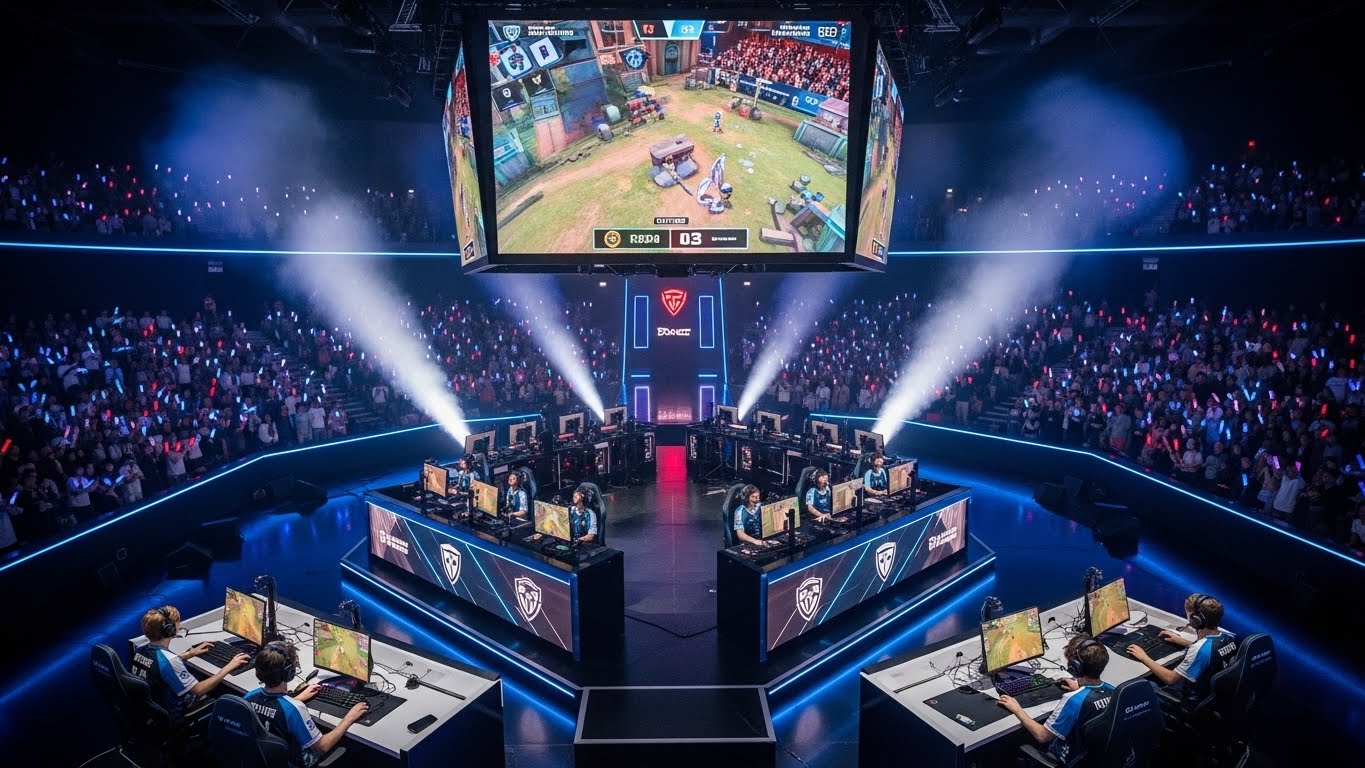
Esports tournaments are also held in various regions around the world, from North America and Europe to Asia and Oceania. The League of Legends World Championship has been hosted in cities like Los Angeles, Paris, and Seoul, bringing together teams and fans from different cultures to celebrate the game. This global appeal has allowed esports to break cultural and language barriers, with players and fans coming together to share in the excitement of the competition.
The Role of Streaming and Social Media
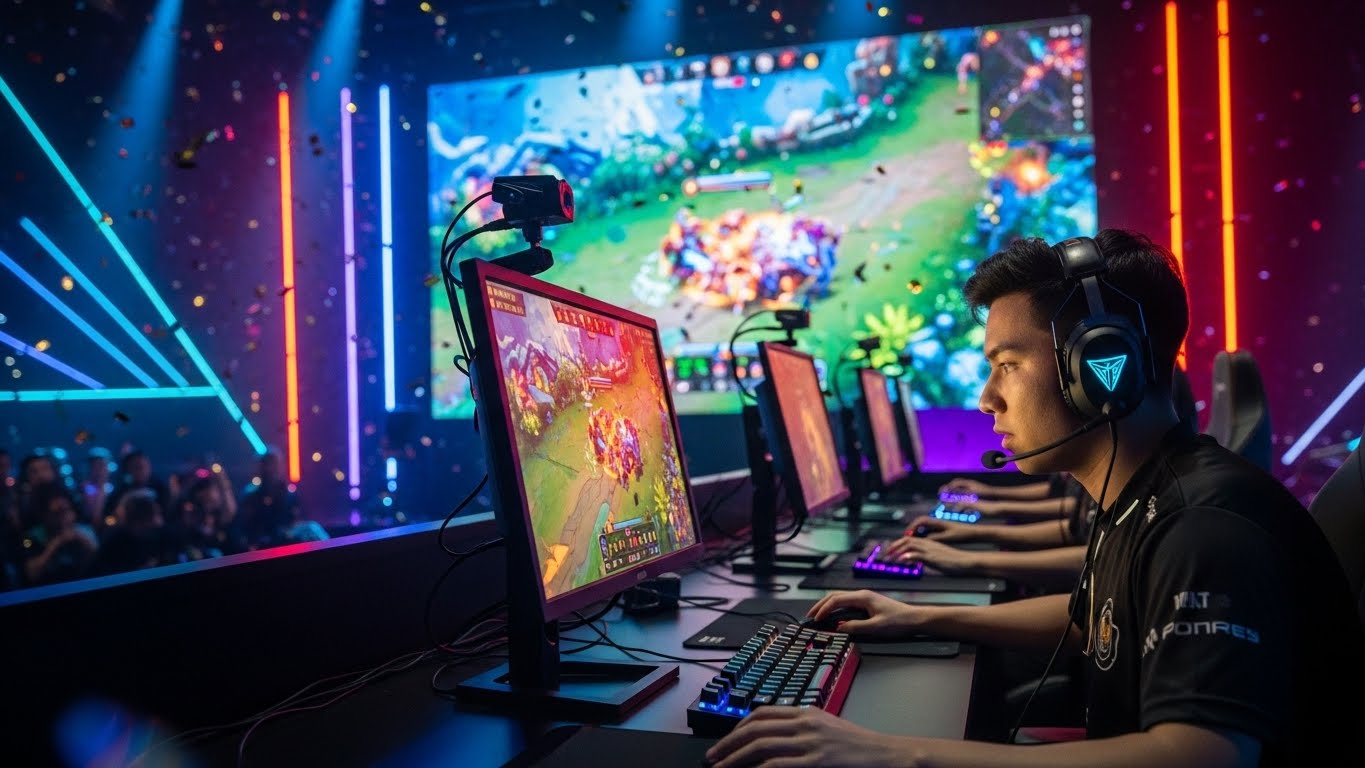
Streaming platforms like Twitch and YouTube Gaming have played a critical role in the rise of esports. These platforms allow players to live-stream their gameplay and interact with their audience in real-time. For many professional esports players, streaming has become a key part of their career, as it allows them to build a personal brand and connect with fans outside of tournament play.
In addition to streaming, social media platforms like Twitter, Instagram, and TikTok have become essential tools for esports players and organizations to engage with their fanbase. Esports influencers and content creators have gained massive followings, often rivaling those of traditional athletes, and have become influential figures within the gaming community.
The ability to build an online presence and grow a fanbase through streaming and social media has helped many esports players turn their passion into a full-time career. Streamers like Ninja and Shroud have made millions through a combination of sponsorships, ads, and fan donations, highlighting the financial potential of the esports industry.
The Future of Esports
As we look ahead, the future of esports seems brighter than ever. The industry is continuing to grow at an exponential rate, with more games being developed with a competitive focus, new tournaments emerging, and more mainstream media coverage. The rise of virtual reality (VR) and augmented reality (AR) could bring a new level of immersion to esports, opening up even more possibilities for innovation and engagement.
Furthermore, esports is starting to gain more legitimacy as a form of sports entertainment. Many countries are recognizing esports as a legitimate sport, with some even offering college scholarships for aspiring esports athletes. In fact, ESL, one of the largest esports organizations, has partnered with various universities around the world to create competitive gaming leagues, allowing students to compete at a high level while pursuing their degrees.
The esports industry is also seeing more women getting involved, both as players and in other roles such as coaching, broadcasting, and content creation. This inclusivity is helping to broaden the appeal of esports and ensure that it remains a dynamic and diverse space for everyone.
Conclusion
Esports is no longer just a trend; it has become a cultural and economic powerhouse. From humble beginnings as casual competitions among friends to becoming a global industry worth billions, esports has evolved into one of the most exciting and engaging forms of entertainment. With its growing fanbase, its influence on traditional sports, and the increasing opportunities for players and content creators, the future of esports looks incredibly promising.
Whether you’re a dedicated player or a casual viewer, the esports phenomenon is here to stay, and its impact on both the gaming world and the broader entertainment landscape will only continue to grow in the coming years. So, grab your controller, tune in to the next big tournament, and get ready to experience the future of sports.