championlounge06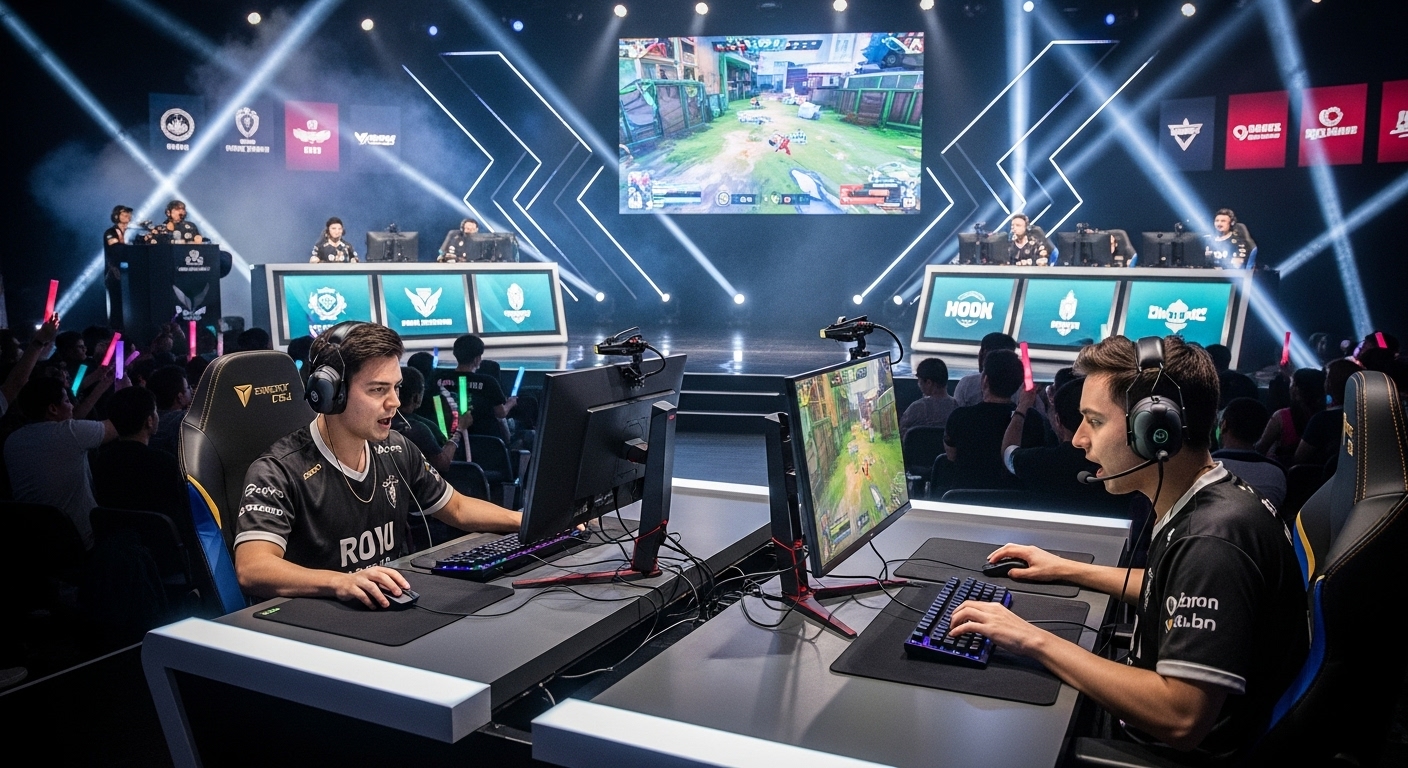
Introduction: The Rise of Esports
Over the last few decades, esports has transitioned from a niche hobby into a global cultural and economic powerhouse. What started as a pastime for a few dedicated gamers has evolved into a multi-billion dollar industry that draws millions of viewers, creates massive employment opportunities, and shapes the future of digital entertainment. Today, esports stands as one of the most exciting and fast-growing sectors in entertainment and sports, captivating audiences of all ages across the globe.
This blog post will explore the evolution of esports, its impact on traditional sports, the role of technology in shaping the future of gaming competitions, and the potential for esports to continue its meteoric rise.
What is Esports?
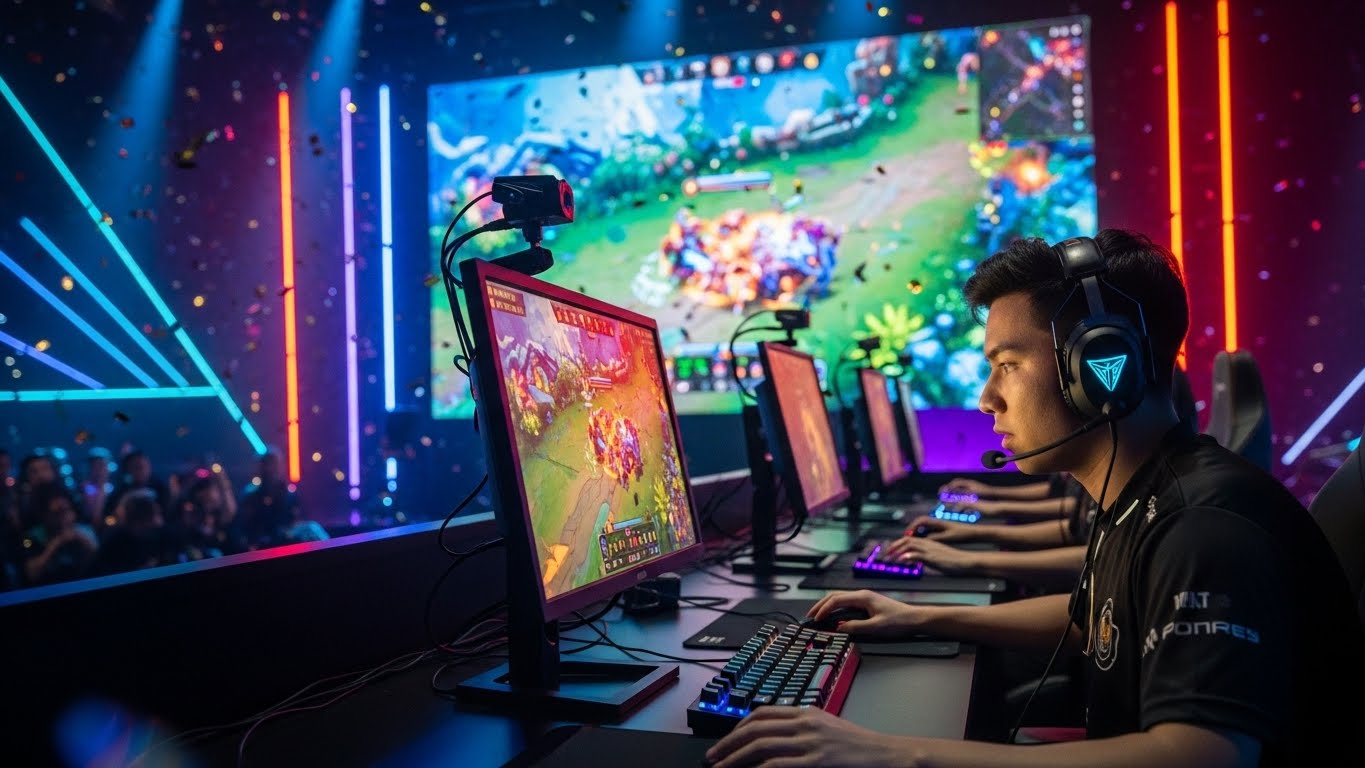
At its core, esports refers to competitive video gaming where individuals or teams compete in various video games, often professionally. These tournaments are held across a wide array of games, including strategy games, first-person shooters (FPS), sports simulation games, and multiplayer online battle arenas (MOBAs). Popular games in the esports ecosystem include titles like League of Legends, Counter-Strike: Global Offensive, Fortnite, Dota 2, Overwatch, and Call of Duty, among others.
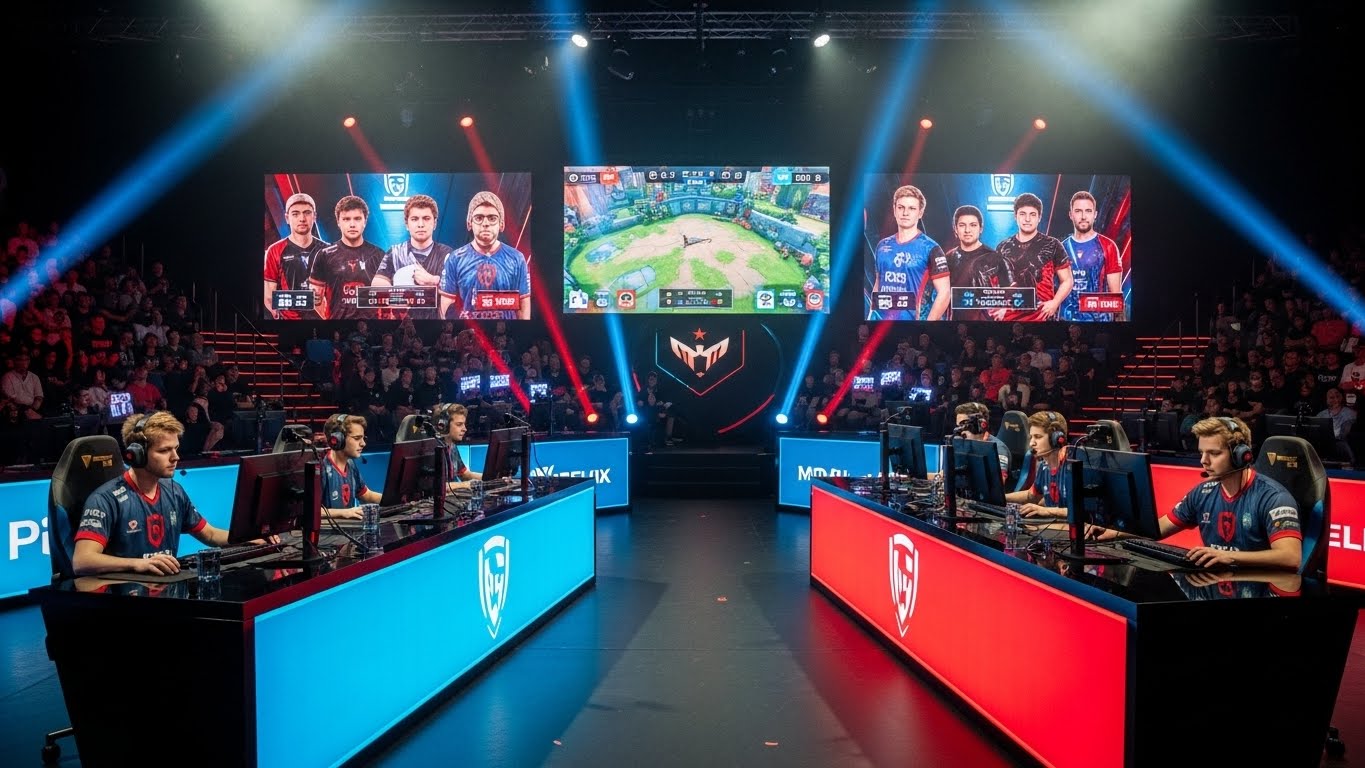
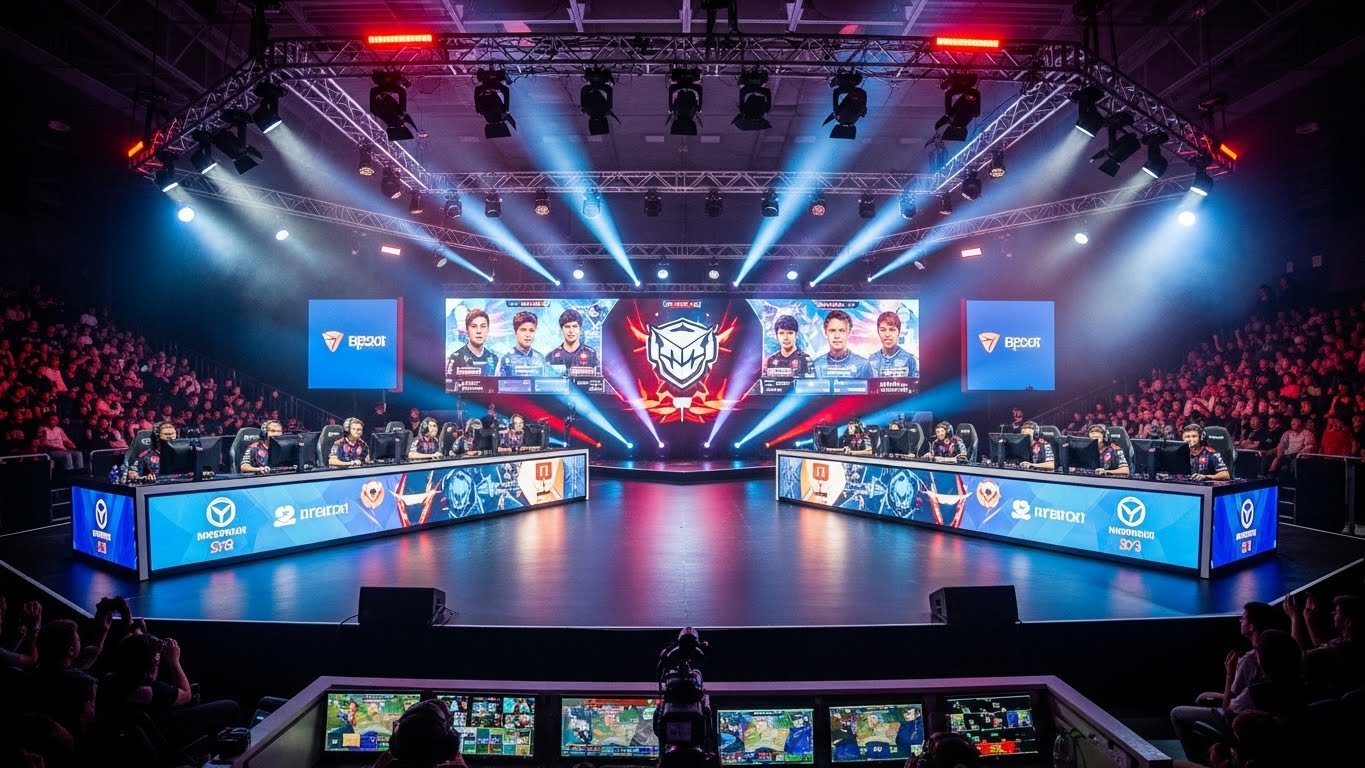
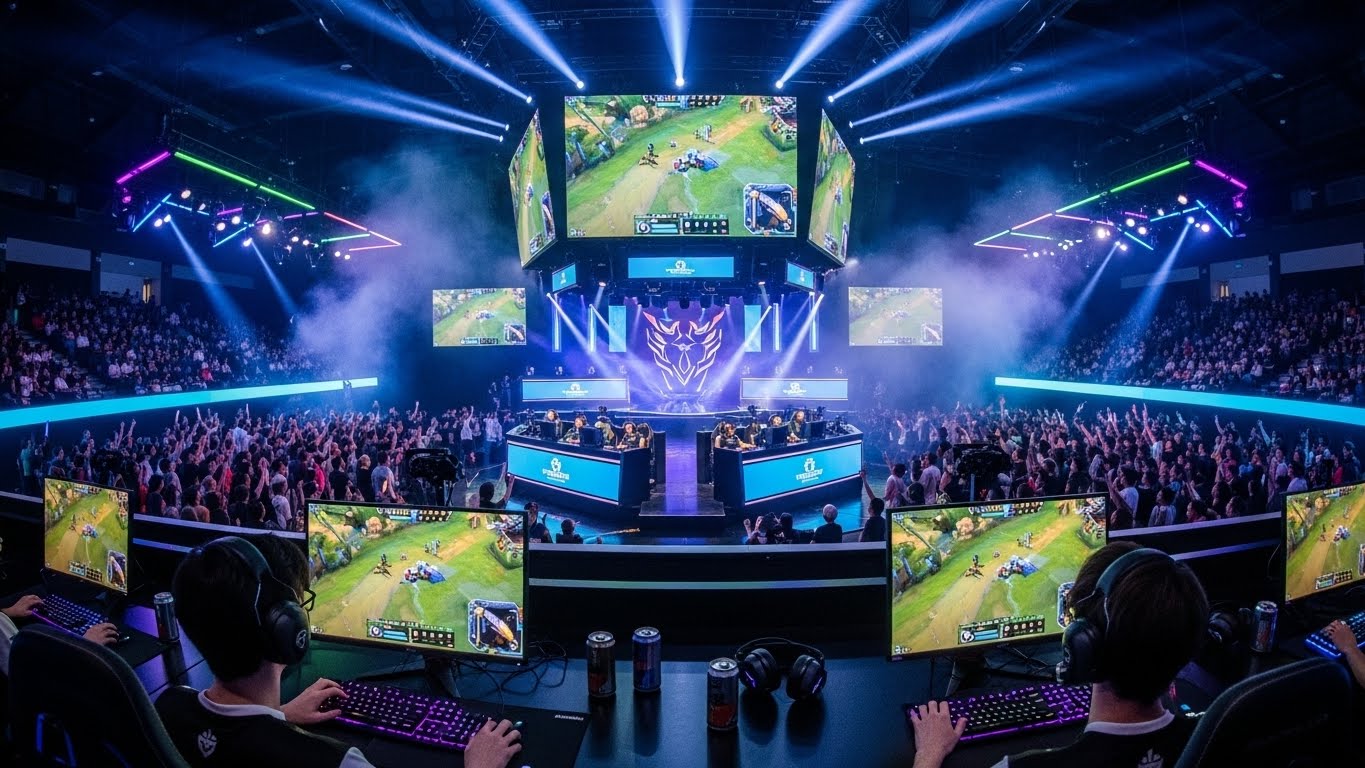
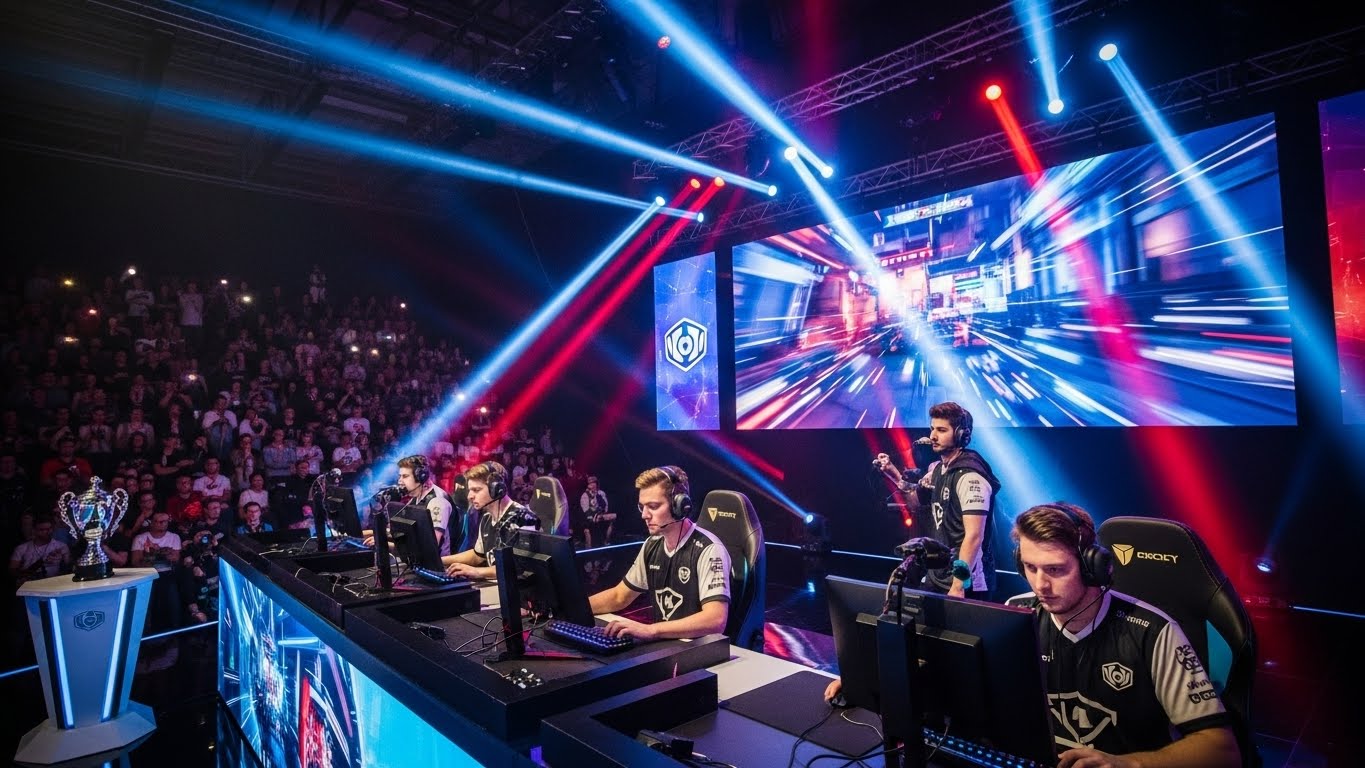
Esports events are typically organized in a tournament format and often feature professional players, coaches, analysts, and commentators, making them similar in structure to traditional sports events. These competitions are broadcast live on streaming platforms such as Twitch, YouTube Gaming, and other media outlets, attracting viewers worldwide.
The Origins of Esports
The concept of esports can be traced back to the 1970s and 1980s, when arcade gaming was at its peak. However, it wasn’t until the late 1990s and early 2000s that esports began to take shape in a more recognizable form. One of the earliest examples of organized competitive gaming was the Red Annihilation tournament for Quake in 1997. This was the first large-scale, nationwide esports event, and its success laid the groundwork for the esports phenomenon we know today.
The growth of esports truly accelerated with the rise of internet connectivity and online multiplayer games. As broadband internet became more accessible in the 2000s, gamers could compete with others around the world from the comfort of their homes. The StarCraft series, particularly StarCraft: Brood War (1998), is often credited with being a major catalyst in the development of competitive gaming in South Korea, which went on to become one of the global epicenters of esports.
In the mid-2000s, the creation of major esports tournaments like the World Cyber Games (WCG) and the Electronic Sports World Cup (ESWC) further solidified the competitive gaming scene as a legitimate and widely recognized part of the gaming culture.
The Professionalization of Esports
The professionalization of esports came about in the late 2000s and early 2010s, as organizations, sponsors, and broadcasting networks began to take an interest in the industry. Teams were formed, players started to receive salaries, and large companies began investing heavily in the growth of the industry. These factors played a crucial role in turning esports into a legitimate profession, much like traditional sports.
As professional esports grew, players began to train full-time and travel the world to compete in tournaments with prize pools often reaching into the millions of dollars. One of the most notable events that solidified esports as a global enterprise is the The International (TI), an annual Dota 2 tournament that has boasted prize pools exceeding $30 million in some years.
Esports and Traditional Sports: A Symbiotic Relationship
One of the most intriguing aspects of esports is how it has influenced and been influenced by traditional sports. The intersection between esports and traditional sports is growing, with many esports teams adopting the same structure as sports organizations.
For example, esports teams now have coaching staff, analysts, and even sports psychologists to ensure players perform at their peak. Esports organizations often have branding and sponsorships similar to sports teams, partnering with well-known companies and signing multi-million-dollar deals with corporations such as Coca-Cola, Red Bull, Intel, and Mercedes-Benz.
Furthermore, many traditional sports organizations have taken steps to invest in esports. Football clubs like Manchester City, FC Barcelona, and Paris Saint-Germain have all launched their own esports teams to compete in games like FIFA and Rocket League. Additionally, the National Basketball Association (NBA) created its esports league, NBA 2K League, which is based on the popular basketball video game NBA 2K. This growing trend highlights how traditional sports entities see the value of esports in attracting a younger, digitally native audience.
Esports also offers an alternative pathway for athletes to pursue competitive careers. While traditional sports can be physically demanding and have limited career longevity due to age and injury, esports players can often maintain a competitive edge into their late 20s and early 30s, making it an attractive option for young gamers.
The Role of Technology in Shaping Esports
One of the primary driving forces behind the rise of esports is the rapid advancement of technology. The development of faster internet speeds, high-definition graphics, and advanced gaming consoles and PCs has elevated the quality of gaming, making esports events more engaging for both players and viewers.
High-definition streaming platforms such as Twitch and YouTube Gaming have allowed fans to watch live streams of esports tournaments with ease, creating a real-time, interactive experience. These platforms have also allowed fans to connect with their favorite players, watch training sessions, and engage in live chat discussions during competitions.
Virtual reality (VR) and augmented reality (AR) technologies also hold significant promise for the future of esports. VR has the potential to revolutionize how players compete and how viewers experience esports. Imagine watching a Counter-Strike match from the perspective of a player in the game or competing in a 360-degree immersive environment. Although these technologies are still in their infancy, they hold vast potential to transform esports as we know it.
Additionally, advancements in artificial intelligence (AI) could help create smarter and more engaging gaming experiences. AI is already being utilized in esports training, helping players refine their skills through data analysis and predictive models. As AI technology improves, it may also be used to create virtual opponents that can challenge even the most seasoned players, making practice more competitive and varied.
The Economic Impact of Esports
Esports is no longer just a hobby; it is a billion-dollar industry. According to recent estimates, the global esports industry is worth over $1 billion annually, and this figure is expected to grow exponentially in the coming years. The revenue comes from various sources, including sponsorships, advertising, media rights, merchandise sales, and ticket sales for live events.
Esports has also created a wide range of job opportunities, from professional players and coaches to analysts, broadcasters, and content creators. Beyond the competitive aspect, esports has opened up career paths in areas such as game development, marketing, and event management.
As more people engage with esports through live-streaming platforms, gaming conventions, and local tournaments, the demand for jobs in this sector continues to grow. For example, esports organizations require community managers to engage with fans, social media strategists to build their online presence, and event organizers to plan massive esports events. All of these roles contribute to the broader economy, further cementing esports as a significant cultural and economic force.
The Future of Esports
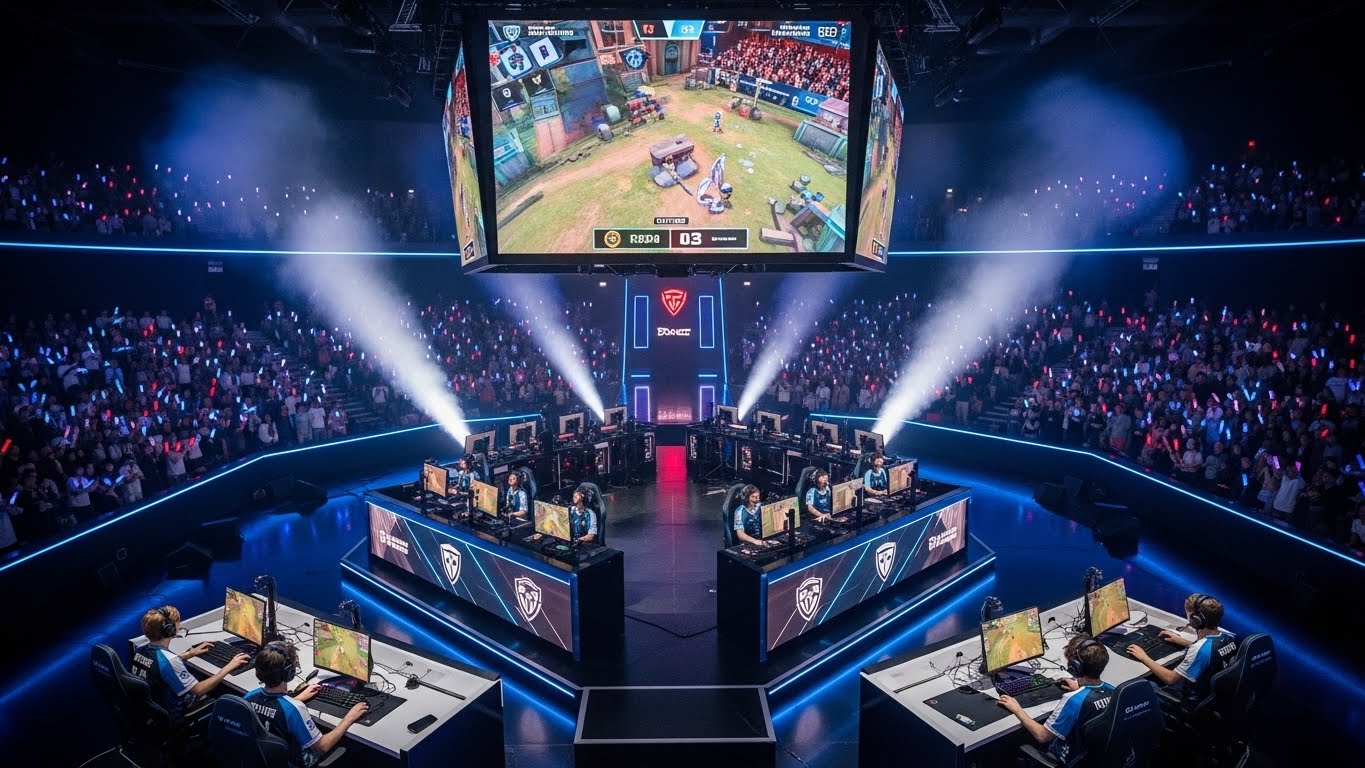
Looking ahead, the future of esports is incredibly promising. One of the key factors contributing to this optimism is the increasing mainstream acceptance of esports as a form of entertainment. Esports are being featured in more countries, and tournaments are being held in massive arenas. Even large media companies are getting involved, with major broadcasters such as ESPN and TBS airing esports events.
As the esports ecosystem matures, new opportunities will continue to emerge. One possibility is the inclusion of esports in the Olympics. Discussions around this have already begun, and while challenges remain in terms of defining esports as a traditional sport, the possibility of seeing esports athletes on the Olympic stage is becoming more likely.
Moreover, esports will continue to evolve with the introduction of new gaming technologies, better internet infrastructure, and even more captivating gaming experiences. Virtual reality and augmented reality have the potential to change how players interact with the game, while innovations in gaming hardware will likely improve the overall competitive experience.
Conclusion: A Thriving Digital Age
Esports has firmly established itself as a global phenomenon, transforming the landscape of gaming and entertainment. From humble beginnings in arcades to a multi-billion dollar industry, esports has changed the way we perceive competitive gaming and opened up new career paths for young people. With technology continuing to advance, and traditional sports and esports becoming more intertwined, the future of competitive gaming looks brighter than ever.
For fans, players, and organizations alike, the rise of esports signifies a new era of entertainment that is as dynamic, inclusive, and engaging as anything that has come before it. The world of esports is just getting started, and its growth shows no signs of slowing down. As long as there are passionate gamers, dedicated fans, and innovative technologies driving the industry, esports will continue to thrive and shape the future of entertainment for generations to come.