championlounge06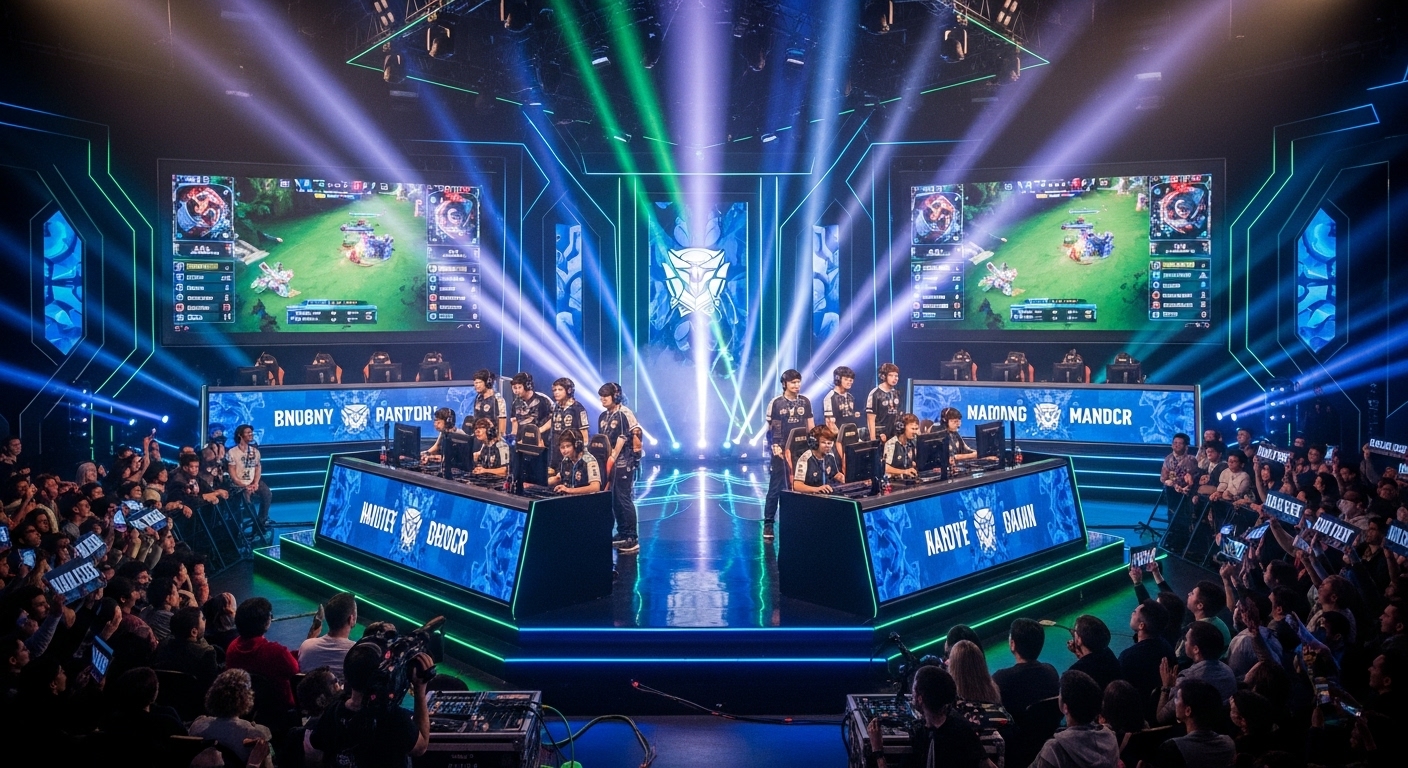
Introduction: The Rise of Esports
In the past decade, esports has exploded from niche gaming communities into a global cultural and economic phenomenon. What was once considered a casual pastime has now become a professional, organized, and highly competitive industry. Millions of fans follow live tournaments, watch their favorite players online, and celebrate esports as both entertainment and sport. Competitive gaming has created careers, inspired innovation, and fostered global communities, proving that esports is more than just playing video games—it is a legitimate form of competition, storytelling, and culture in the digital era.
The Origins of Competitive Gaming
Esports has humble beginnings. In the 1980s and 1990s, small tournaments for games like Space Invaders, Street Fighter, and early PC strategy games attracted local communities. Players competed for trophies or small prizes, but the concept of professional gaming was virtually nonexistent. With the advent of faster internet and multiplayer platforms in the 2000s, games like StarCraft, Counter-Strike, and Warcraft II created the foundation for organized competitions. This period marked the beginning of a transition: from casual, informal matches to structured tournaments with significant audiences.
The Evolution into a Professional Industry
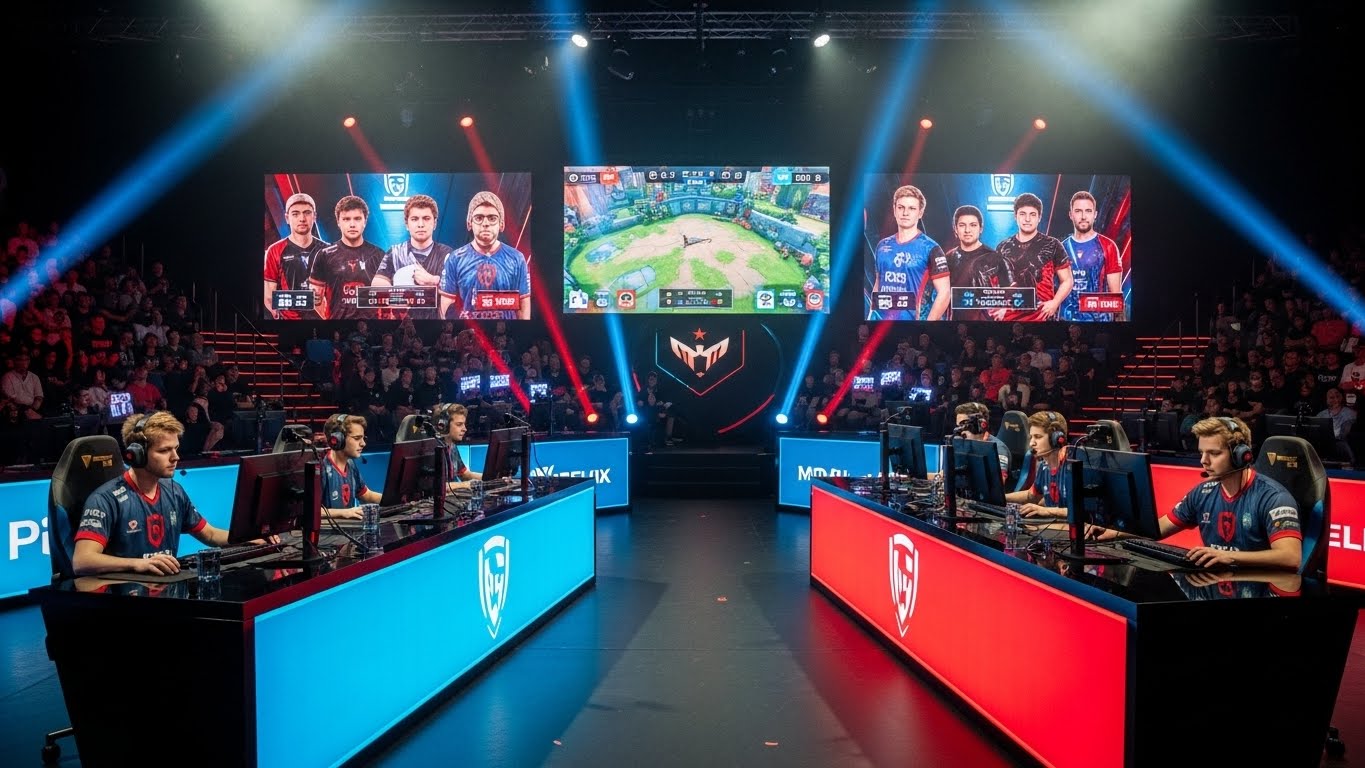
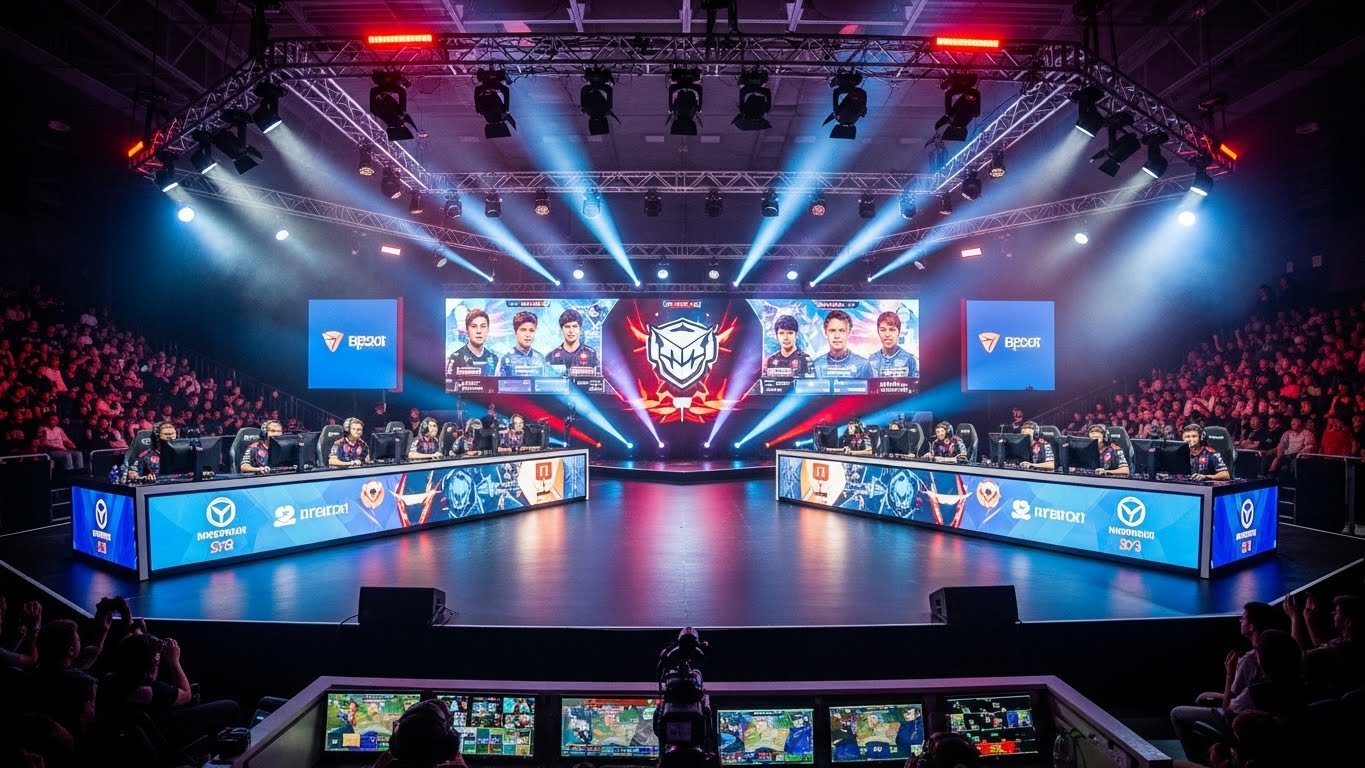
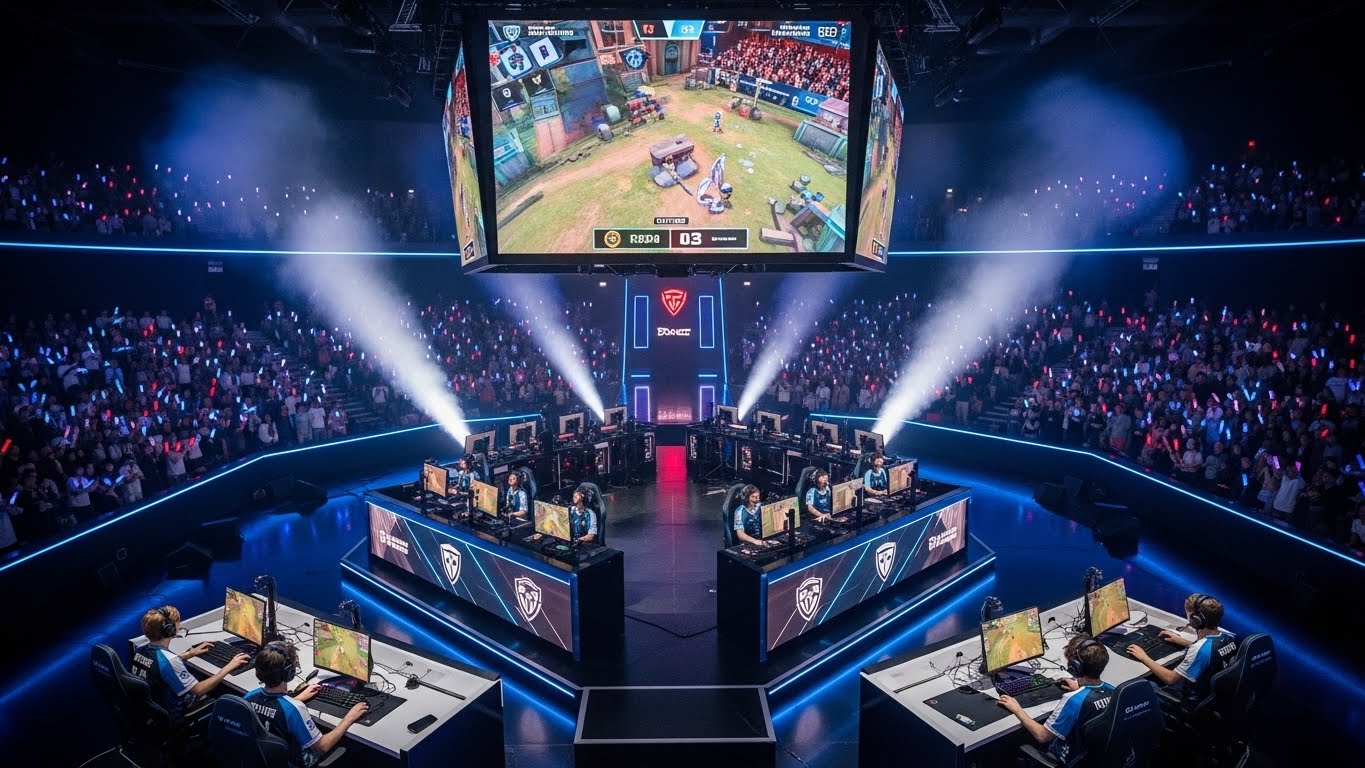
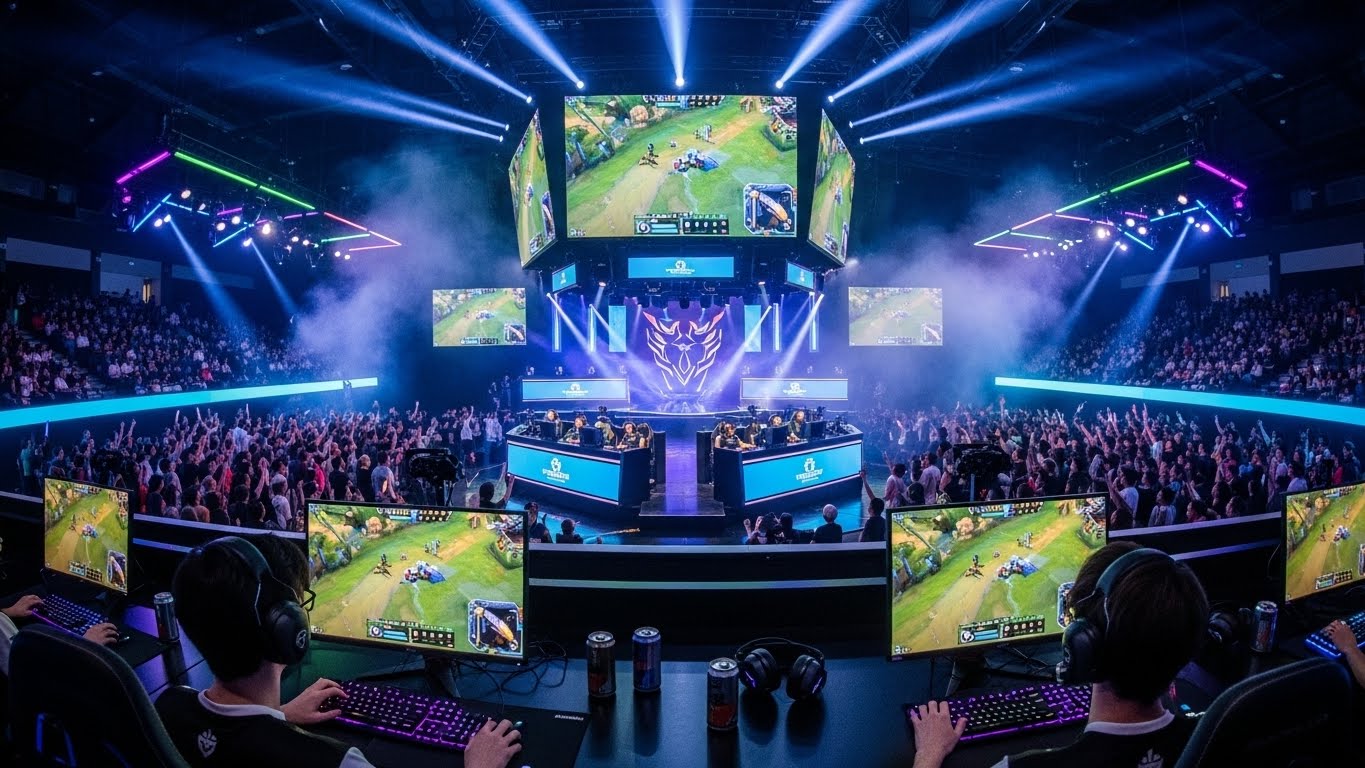
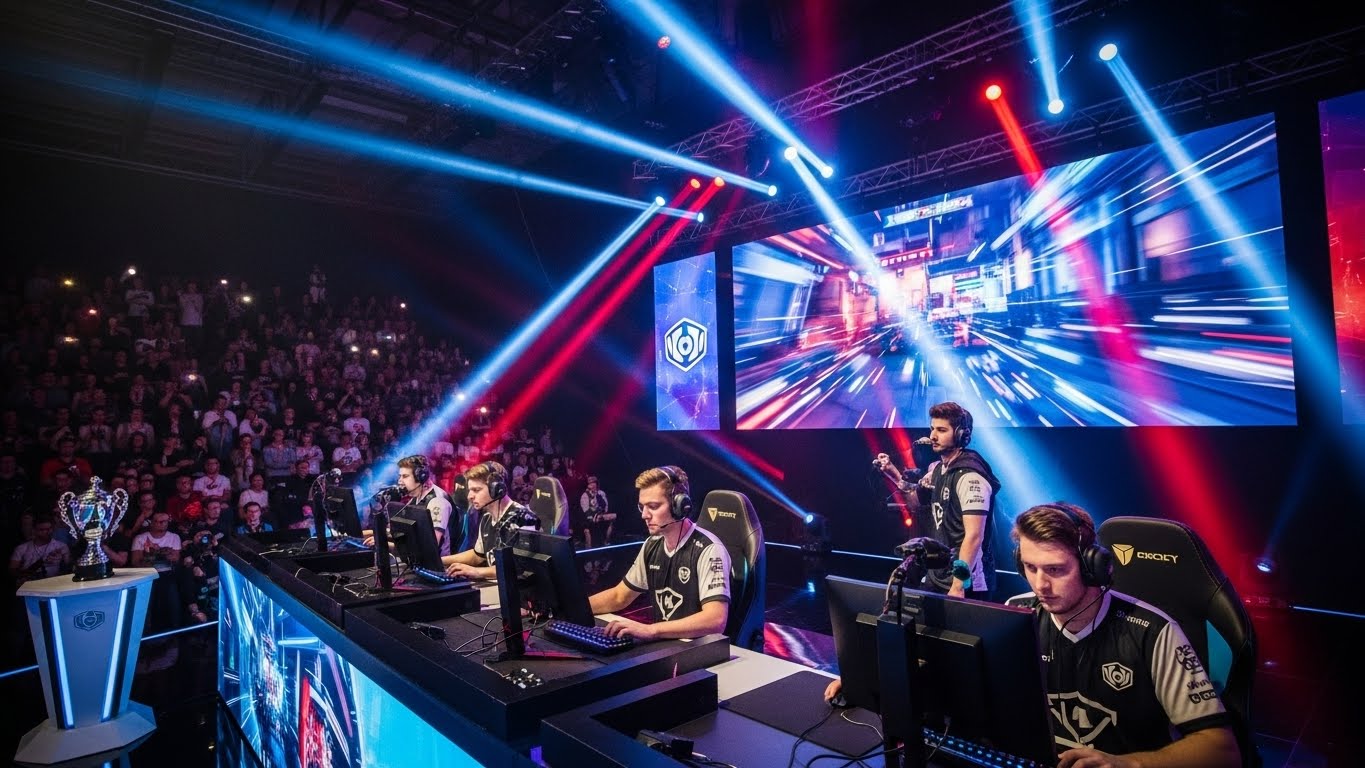
The professionalization of esports is one of its most remarkable aspects. Today, esports players train intensively, often dedicating eight to twelve hours a day to practice. Teams hire coaches, analysts, psychologists, and nutritionists to optimize performance. Top-tier players earn salaries comparable to traditional athletes, supplemented by tournament winnings, sponsorships, and merchandise sales. Professional leagues, such as the League of Legends Championship Series and Dota 2’s The International, now fill stadiums with tens of thousands of fans, while millions more watch online. Esports has transformed from hobby to full-time profession, creating a structured ecosystem with careers beyond just playing.
Popular Esports Genres and Games
Esports spans multiple genres, each demanding unique skills. Multiplayer online battle arenas, or MOBAs, like League of Legends and Dota 2, emphasize strategy, teamwork, and real-time decision-making. First-person shooters, such as Counter-Strike: Global Offensive and Valorant, test reflexes, aim precision, and communication. Sports simulations, including FIFA and NBA 2K, offer digital competition that mirrors real-life sports. Battle royale games like Fortnite and Apex Legends blend strategy, survival, and fast-paced action. Each genre attracts distinct audiences, yet all share a focus on skill, competition, and entertainment.
The Role of Streaming in Esports Growth
Streaming platforms have revolutionized the way esports is consumed. Fans no longer rely solely on attending live events; they can watch matches, interact with players, and join communities in real time. Live streaming has made esports more accessible, allowing smaller teams to reach global audiences and giving fans an intimate connection to players and games. Streamers have become influencers, shaping trends, commentary, and fan engagement. The combination of live competition and interactive content has helped esports achieve unprecedented growth and cultural relevance.
Economic Impact of Esports
Esports has evolved into a multi-billion-dollar industry. Revenue comes from tournament prize pools, team sponsorships, media rights, merchandise, and in-game purchases. Brands invest heavily in esports to connect with younger, digitally native audiences. Esports events create economic opportunities beyond gaming, including media production, event management, marketing, and technology. Independent developers and small teams also benefit from global exposure, making esports both a cultural and economic powerhouse. Its financial impact demonstrates that esports is not just entertainment—it is a thriving, innovative industry shaping the future of media and sports.
Global Reach and Cultural Influence
Esports is a global phenomenon, connecting players and fans across continents. International tournaments draw competitors from diverse regions, highlighting different cultures and play styles. Esports has influenced music, fashion, and social media, with players often becoming trendsetters. It has also created inclusive spaces where players can form communities regardless of gender, ethnicity, or geography. The cultural impact of esports extends beyond gaming, shaping digital entertainment, identity, and social interaction in ways traditional sports rarely match.
Cognitive and Psychological Benefits of Esports
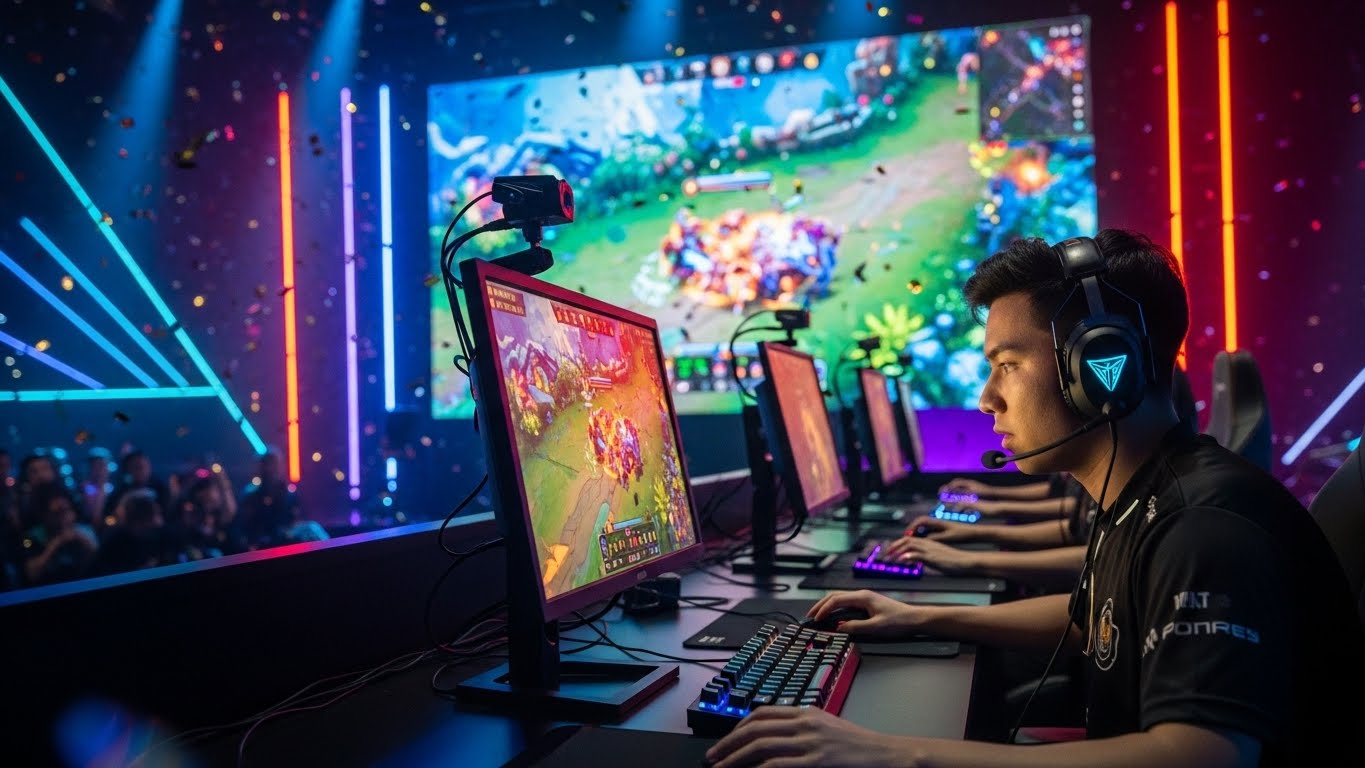
Competitive gaming requires advanced cognitive and psychological skills. Players must think strategically, make split-second decisions, and adapt to dynamic environments. Esports fosters problem-solving, critical thinking, multitasking, and teamwork. It also encourages resilience, focus, and stress management, as players learn to perform under pressure. Studies indicate that structured gameplay can improve memory, hand-eye coordination, and decision-making abilities. While moderation is essential, esports offers significant mental and social benefits, challenging the misconception that gaming is purely recreational or distracting.
Technology as the Backbone of Esports
The rapid advancement of technology has propelled esports into the mainstream. High-performance computers, gaming consoles, and low-latency internet connections enable seamless competitive play. Analytics tools allow teams to study opponents and refine strategies. Virtual reality and augmented reality are emerging as new frontiers, offering more immersive and interactive esports experiences. As technology continues to advance, esports will evolve in ways that expand its reach, engagement, and creative potential, blending innovation with competition.
Women and Diversity in Esports
While esports has traditionally been male-dominated, efforts to increase diversity have gained momentum. Female players, commentators, and team managers are now gaining recognition and breaking barriers. Initiatives promoting inclusivity are encouraging broader participation and creating welcoming environments for underrepresented communities. Greater diversity enriches the competitive scene, expands audiences, and inspires new generations of gamers. By embracing inclusivity, esports not only becomes more equitable but also strengthens its cultural impact and sustainability.
The Psychological and Emotional Impact of Competition
Esports engages players and fans on emotional and psychological levels. Players experience adrenaline, excitement, and focus during high-stakes matches. Fans develop strong connections with teams and players, experiencing joy, suspense, and disappointment alongside the competition. Esports builds communities through shared experiences, discussion, and fandom. The emotional intensity of esports rivals that of traditional sports, demonstrating that competitive gaming is not only mentally challenging but also emotionally compelling.
Challenges Facing Esports
Despite its success, esports faces several challenges. Player burnout, online toxicity, and issues with monetization and regulation are ongoing concerns. Maintaining fair competition, healthy work-life balance, and ethical sponsorship practices is essential for long-term growth. The industry is actively addressing these challenges through structured governance, wellness programs, and community management. Overcoming these obstacles ensures that esports remains sustainable, professional, and enjoyable for players and fans alike.
The Future of Esports
The future of esports is bright and full of possibilities. Integration with traditional sports, educational programs, and mainstream entertainment will continue to legitimize competitive gaming. Emerging technologies such as virtual reality, augmented reality, and AI coaching will redefine the experience for players and fans. Global connectivity and cultural exchange will expand audiences and talent pools. Esports is positioned to continue evolving, shaping entertainment, technology, and culture in ways that are both innovative and transformative.
Conclusion: Esports as a Defining Force in Modern Entertainment
Esports has redefined the concept of competition, blending skill, strategy, entertainment, and technology into a cultural phenomenon. From modest beginnings in small tournaments to international arenas with massive audiences, esports has grown into a legitimate, professional, and influential industry. Its economic, social, and cultural impact continues to expand, demonstrating that competitive gaming is far more than a pastime—it is a revolution in entertainment. Esports represents the convergence of passion, talent, and innovation, inspiring players, fans, and creators across the globe. In the digital age, esports stands as a testament to how gaming can entertain, challenge, and connect the world.