championlounge06
Introduction
Esports has emerged as one of the most significant and rapidly growing sectors in the global entertainment industry. What began as a niche activity for gamers has blossomed into a multi-billion-dollar industry, attracting millions of viewers, professional players, sponsors, and media attention worldwide. In the past few decades, competitive video gaming has evolved from local tournaments held in small arenas to global spectacles that rival the viewership of traditional sports. This blog delves into the evolution of esports, exploring its origins, growth, and the factors that have propelled it into the cultural mainstream.
The Origins of Esports: Competitive Gaming in Its Infancy
The concept of esports dates back to the early days of video games, where competition and gaming naturally overlapped. In the 1970s, the first-ever video game competition, the “Space Invaders Championship,” was held, attracting thousands of participants and marking the birth of competitive gaming. However, it wasn’t until the late 1990s and early 2000s that esports truly began to gain momentum, with multiplayer online games becoming a central focus of competitive gaming.
The early years of esports were defined by grassroots tournaments and local LAN parties, where players would gather in one location to compete against each other. Games like “Quake,” “StarCraft,” and “Warcraft III” led the charge, offering complex strategies and multiplayer modes that allowed gamers to compete at the highest level. By 1997, the first major international esports event, the Red Annihilation tournament for “Quake,” was held, giving rise to the idea of esports as a professional pursuit.
The Role of the Internet in Expanding Esports
The rise of the internet in the late 1990s and early 2000s was crucial in expanding the reach of esports. Online gaming became more accessible, allowing players from different parts of the world to compete against one another. Multiplayer games like “Counter-Strike,” “StarCraft,” and “World of Warcraft” became incredibly popular, attracting competitive players and large online communities. As internet speeds improved and broadband connections became more widespread, the foundation for modern esports was laid.
In the early 2000s, esports began to gain recognition in South Korea, where the government and private companies invested heavily in the development of competitive gaming infrastructure. The Korean Professional Gaming League (KeSPA) was established, and televised tournaments featuring games like “StarCraft” became a national pastime. South Korea became a global hub for esports, with professional players, teams, and tournaments drawing massive audiences both in-person and on television.
The Streaming Revolution: Bringing Esports to the Masses
One of the most significant milestones in the growth of esports came with the rise of streaming platforms. In 2011, Twitch launched as a platform dedicated to live streaming video game content, providing a space for gamers to broadcast their gameplay and connect with audiences. Twitch became the go-to platform for esports events, enabling fans to watch live tournaments and interact with players in real-time.
Streaming platforms like Twitch played a pivotal role in making esports accessible to a global audience. No longer were esports tournaments confined to physical arenas or cable TV broadcasts; they could now be streamed online to millions of viewers worldwide. For fans, this meant the ability to watch major tournaments, follow their favorite teams and players, and engage with the esports community from anywhere. The interactive nature of streaming also allowed viewers to support players through donations and subscriptions, fostering a sense of community and engagement.
Twitch’s impact on esports is undeniable. Major tournaments like “The International” for “Dota 2” and the “League of Legends World Championship” consistently attract millions of viewers, many of whom watch the events live via streaming platforms. With esports increasingly accessible to fans around the world, the scope of competitive gaming has expanded beyond traditional sports.
Esports as a Global Industry: Major Tournaments and Professional Leagues
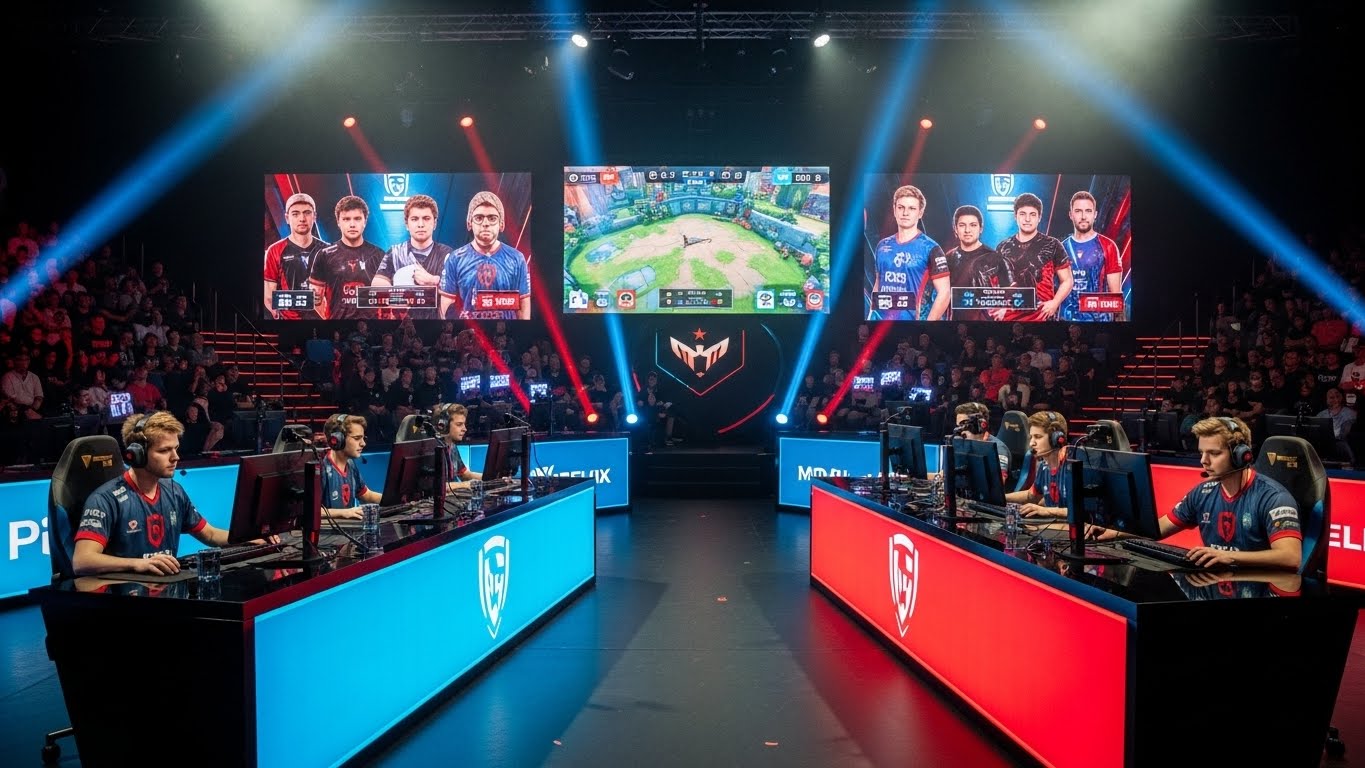
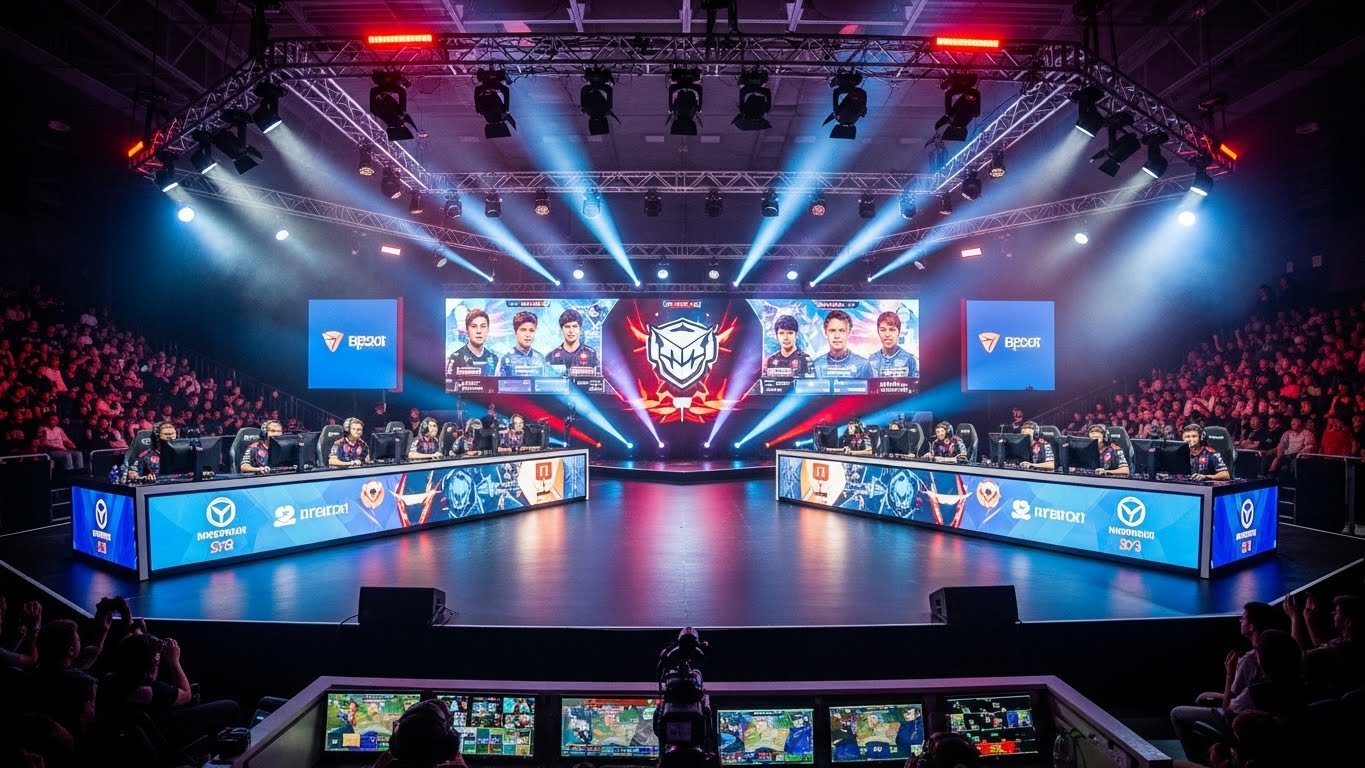
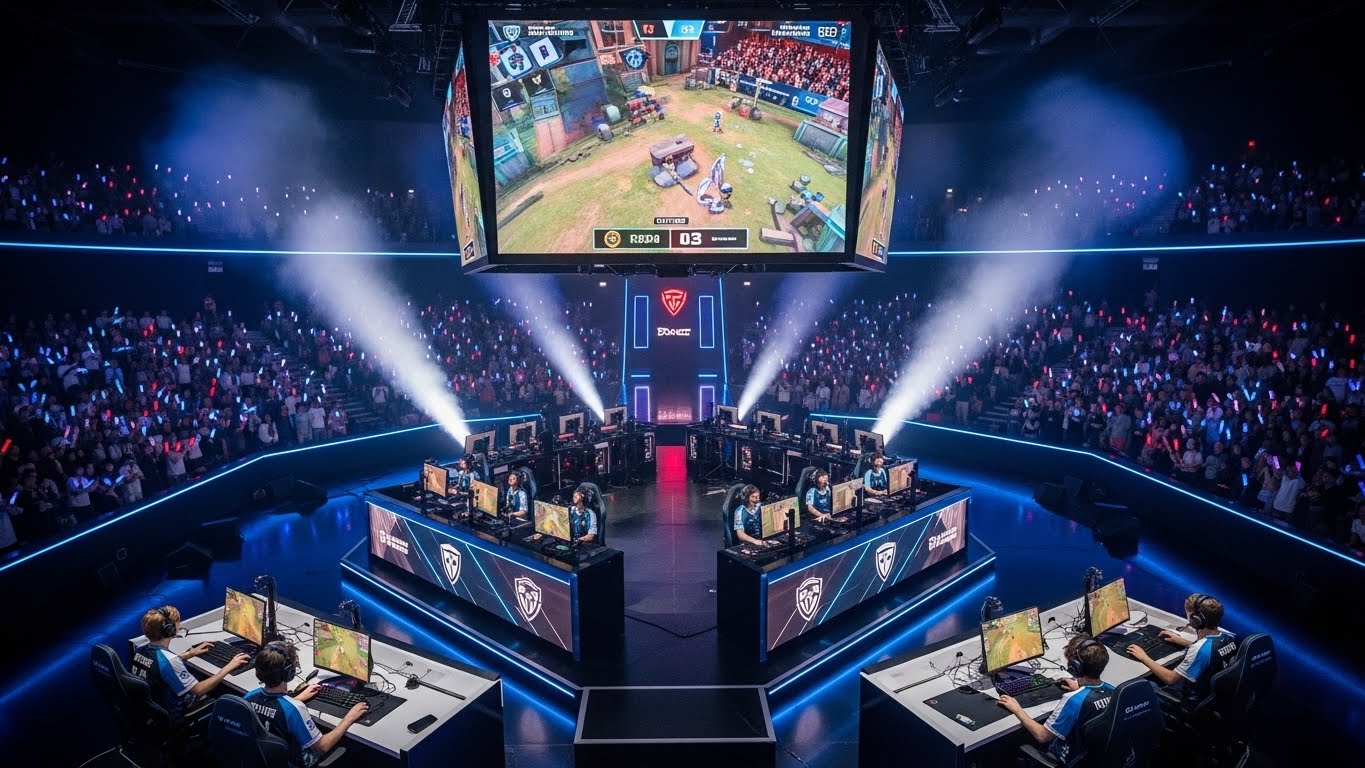
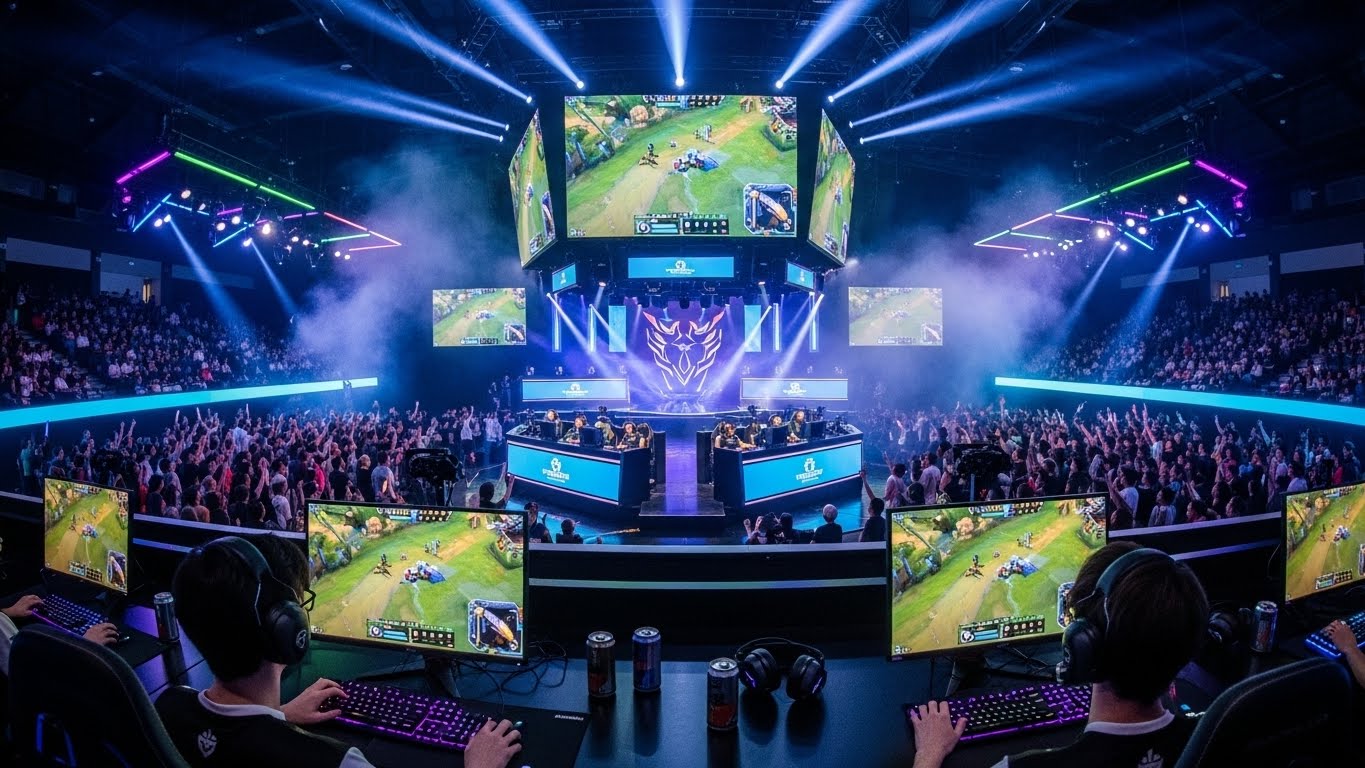
As esports grew in popularity, it transformed from a grassroots hobby into a legitimate global industry. Professional teams, sponsors, and media outlets began to recognize the value of esports as a form of entertainment. Today, esports is a multi-billion-dollar industry, with revenue streams generated from sponsorships, media rights, advertising, merchandise, and ticket sales.
Esports tournaments have become major events in their own right, with prize pools reaching into the millions of dollars. For instance, “The International,” the world championship for the game “Dota 2,” has a prize pool that regularly exceeds $30 million, making it one of the largest prize funds in the world. Other tournaments, such as the “League of Legends World Championship” and the “Overwatch League,” offer similar financial incentives, further solidifying esports as a professional industry.
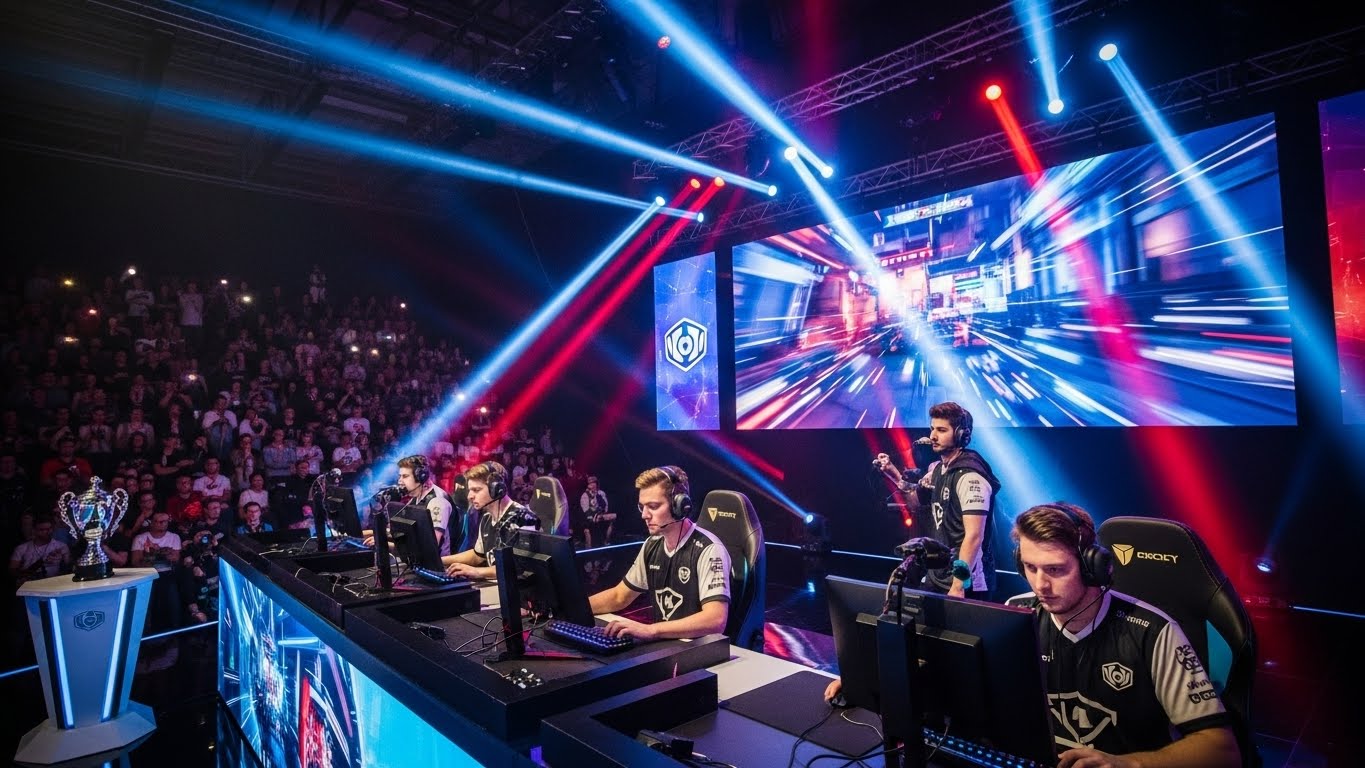
The rise of professional esports teams has mirrored the structure of traditional sports organizations. Teams like Team Liquid, Cloud9, and Fnatic have become well-known entities in the esports world, signing top-tier players, organizing sponsorships, and building global fanbases. These teams now operate much like professional sports franchises, with dedicated coaching staff, analysts, and support teams. In fact, many esports athletes follow a training regimen similar to that of professional athletes, practicing for hours each day to perfect their gameplay and strategies.
The Impact of Sponsorship and Media Rights
Sponsorship and media rights have played a significant role in the rise of esports. Major global brands, such as Red Bull, Coca-Cola, Intel, and Nike, have partnered with esports teams, tournaments, and content creators to tap into the industry’s growing audience. These sponsorships have not only provided financial backing to teams and players but have also helped elevate esports to a level of mainstream recognition.
Media rights have also contributed to the financial growth of esports. Streaming platforms like Twitch and YouTube have signed lucrative deals to broadcast esports tournaments, giving advertisers access to millions of viewers. As the esports audience continues to grow, these media rights deals have become increasingly valuable, with networks like ESPN and Fox Sports now broadcasting select esports events on television. The integration of esports into traditional media channels has brought further legitimacy to the industry, attracting more viewers and advertisers.
The Social and Cultural Impact of Esports
Esports has not only transformed the gaming world but also had a profound social and cultural impact. As competitive gaming has become more mainstream, it has helped challenge long-standing stereotypes about gaming being a solitary or antisocial activity. In reality, esports has become a highly social and communal experience.
Esports fosters a sense of community among players and fans, creating shared experiences through online discussions, live streams, and tournament viewership. Fans follow their favorite players and teams, interact with one another on social media, and form lasting friendships with people who share a common passion for gaming. Esports is a global, inclusive platform where people of all ages, backgrounds, and cultures can come together to celebrate the games they love.
Moreover, esports has served as a powerful vehicle for diversity and inclusion within gaming. While gaming has traditionally been male-dominated, women and minority groups have made significant strides in the competitive gaming scene. Female esports players, such as Sasha “Scarlett” Hostyn, who is widely considered one of the best “StarCraft II” players in the world, have broken down barriers and demonstrated that women can compete at the highest level in esports.
Esports and Education: Creating New Career Pathways
Esports has also made its mark in education, offering new career opportunities for students. Many universities now offer esports programs, scholarships, and courses dedicated to developing future esports professionals. These programs provide students with the skills needed to pursue careers in game design, broadcasting, marketing, and event management.
In addition, esports has become an integral part of many school and college sports programs, with competitive gaming leagues being established at high schools and universities around the world. Esports not only allows students to pursue their passion for gaming but also teaches valuable life skills such as teamwork, communication, and time management.
The Future of Esports: New Technologies and Global Growth
The future of esports is incredibly promising. With the rise of technologies like virtual reality (VR) and augmented reality (AR), esports is set to become even more immersive and interactive. VR gaming, in particular, has the potential to revolutionize competitive gaming by providing a more immersive experience for both players and viewers.
In addition, mobile esports is rapidly growing in popularity, with mobile games like “PUBG Mobile” and “Free Fire” attracting massive audiences worldwide. As mobile gaming continues to expand, esports will become more accessible to players and viewers who may not have access to high-end gaming PCs or consoles.
The global reach of esports is also expanding. With tournaments held across the globe and streaming platforms accessible in nearly every country, esports has the potential to become even more international. The increasing interest in esports from markets in Asia, Latin America, and Africa is helping drive the global expansion of the industry.
Conclusion
Esports has evolved from a niche hobby into a multi-billion-dollar global industry. From its humble beginnings in local tournaments to its rise as a mainstream form of entertainment, esports has captured the imaginations of millions of fans around the world. As the industry continues to grow, its cultural impact will only become more pronounced, shaping the future of gaming, entertainment, and competition. With advances in technology, sponsorship deals, and global participation, esports is set to remain at the forefront of the entertainment world for years to come.