championlounge06
Introduction
Esports, once a niche activity for passionate gamers, has emerged as one of the fastest-growing industries in the entertainment world. From humble beginnings in local LAN tournaments to global competitions broadcast to millions, esports has carved its place in mainstream culture. With professional teams, sponsorships, massive prize pools, and a global fan base, esports today is a multi-billion-dollar industry. But how did it get here, and where is it headed? In this article, we’ll explore the history, current state, and future of esports.
The Birth and Early Days of Esports
The history of esports traces back to the late 20th century when competitive gaming was still a novel concept. While people had been playing games for fun for decades, the idea of organized, competitive play was relatively new. In 1972, Stanford University hosted the first known video game competition, called the “Intergalactic Spacewar Olympics,” where participants competed in the game Spacewar. This event can be considered one of the earliest instances of organized competitive gaming, although it lacked the large-scale structure we associate with esports today.
The true dawn of esports came in the 1990s, when gaming titles like Doom and Warcraft helped popularize online play. Multiplayer gaming became a cornerstone, and the rise of the internet allowed players across the globe to compete against each other from the comfort of their homes. Tournaments such as the Red Annihilation in 1997, which featured the game Quake, set the stage for what would become a burgeoning competitive scene.
The early 2000s marked a turning point for esports with the emergence of major online multiplayer games like Counter-Strike, StarCraft, and Warcraft III. These games introduced players to a competitive environment that encouraged teamwork, strategy, and practice. The World Cyber Games (WCG) and the Electronic Sports World Cup (ESWC) were founded during this time, offering international competition and further legitimizing esports as a global phenomenon.
The Rise of Major Esports Titles and the Growth of Streaming
The mid-to-late 2000s saw the rise of several game titles that would dominate the esports scene for years to come. Games like League of Legends, Dota 2, and StarCraft II defined the next generation of esports. These titles not only introduced new forms of competitive play but also attracted massive fan bases, laying the groundwork for large-scale tournaments and events.
League of Legends (LoL), developed by Riot Games, became one of the most influential games in esports. Its competitive scene grew rapidly, culminating in the League of Legends World Championship, an annual event that has boasted multimillion-dollar prize pools and millions of viewers globally. The International, Dota 2’s world championship tournament, is another prime example of how esports events can rival traditional sports in terms of audience and prize money.
Streaming platforms like Twitch and YouTube Gaming played a pivotal role in expanding the reach of esports. With the advent of high-speed internet and streaming technology, gamers could now broadcast their gameplay to the world in real-time. This allowed fans to watch their favorite players, teams, and tournaments live, creating a sense of community around these events.
As these streaming platforms grew in popularity, so did the professionalization of esports. Content creators began to gain significant followings, and professional players transitioned from amateur status to full-time athletes, often supported by sponsorships and contracts with esports organizations. The industry began to operate like traditional sports, with teams and players getting paid to compete, sponsors investing in events, and large-scale broadcast deals with networks like ESPN and TBS.
Esports and Its Cultural Impact
Esports has evolved beyond just a hobby or a competition—it has become a global cultural phenomenon. The rise of esports has brought gaming into mainstream conversation, shifting the perception of gaming from a niche activity to a legitimate form of entertainment. Esports has inspired new career paths, brought gaming into educational institutions, and forged an entire subculture of dedicated fans and professionals.
In addition to entertainment, esports has been a driving force in the development of technology and digital culture. Streaming platforms, for example, have popularized “live” content consumption, with esports tournaments leading the charge. The esports industry’s focus on innovation has also influenced game design, with developers considering competitive balance and spectator engagement as essential parts of the gaming experience.
The impact of esports is also evident in the way it has influenced traditional sports. For example, some traditional sports organizations, including professional soccer and basketball teams, have invested heavily in esports, either by sponsoring teams or creating their own esports divisions. The collaboration between esports and traditional sports is a natural one, as both share a similar structure and audience: fans who love competition and entertainment.
The Economics of Esports: Sponsorships, Prize Pools, and Viewership
One of the key factors driving the growth of esports is its massive economic potential. Esports has turned into a highly lucrative industry, thanks to various revenue streams such as sponsorships, advertising, media rights, ticket sales, and merchandise.
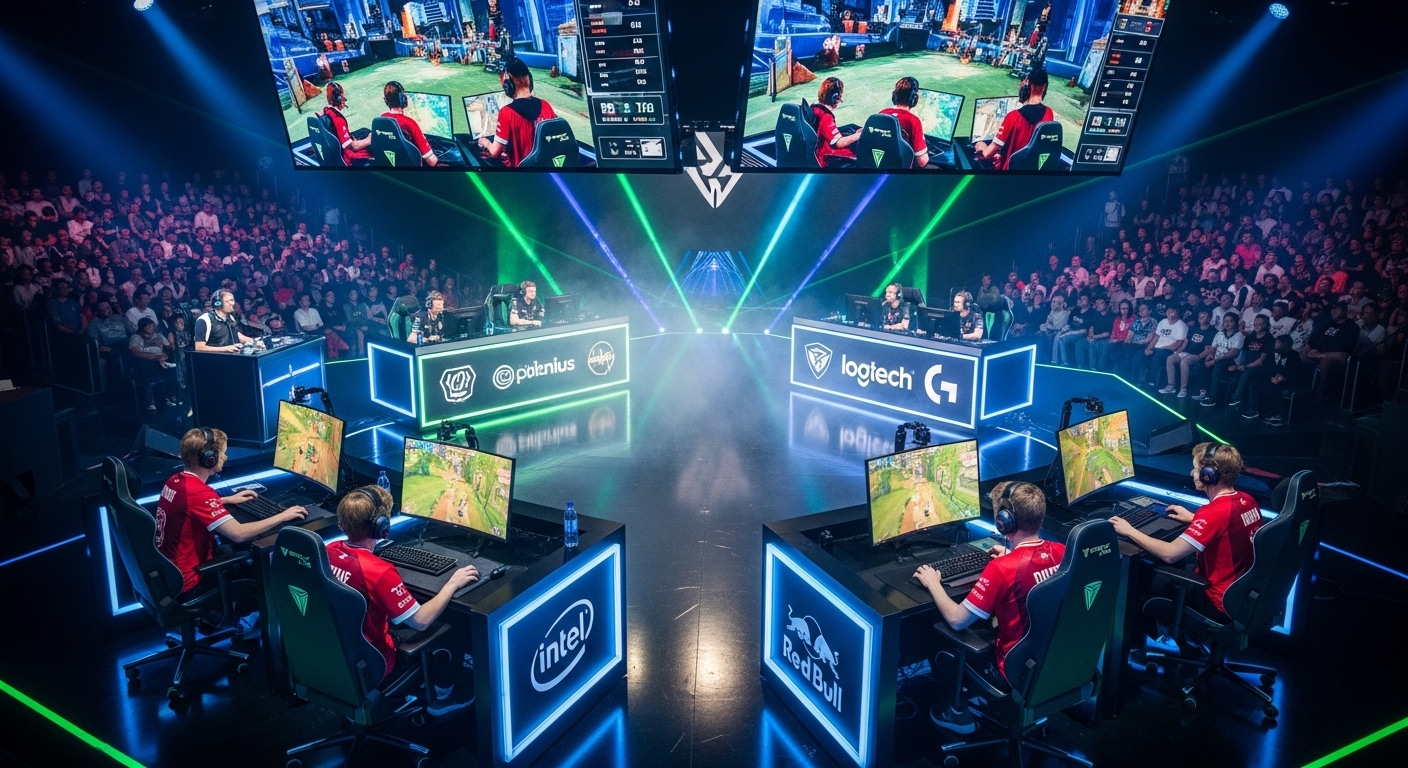
Sponsorships have been a cornerstone of esports’ financial success. Major brands like Coca-Cola, Red Bull, Intel, and Nike have all signed on as sponsors for esports events and teams. This influx of sponsorship money has allowed esports organizations to grow rapidly and build professional infrastructures, such as team houses and coaching staffs.
Prize Pools have also seen a meteoric rise. For example, The International, the annual Dota 2 tournament, has set records for prize pool size, with over $40 million up for grabs in 2021. These enormous prize pools attract the best players and create a competitive ecosystem where the stakes are high. This trend has influenced other tournaments, leading to bigger prizes across the board.
Viewership is another major revenue driver. The global reach of esports tournaments is staggering, with millions of viewers tuning in to watch live broadcasts. In 2020, League of Legends reached over 100 million unique viewers during its World Championship, and The International regularly attracts millions of viewers from all over the world. The popularity of esports has been particularly prominent in regions such as South Korea, China, and North America.
The financial success of esports has also opened doors for new ventures, such as esports arenas, digital platforms, and even the creation of esports-focused television networks. As esports becomes more integrated into the mainstream entertainment landscape, it continues to attract big investments from both within and outside the gaming world.
Challenges Facing Esports Today
Despite its rapid growth, esports faces several challenges that could impact its future trajectory. These challenges include issues related to sustainability, the physical and mental health of players, and the lack of universal regulation.
Sustainability is one of the primary concerns. While esports is incredibly lucrative, it is still a young industry, and its long-term stability remains uncertain. Many teams rely on sponsorships and prize money to stay afloat, and with an increasingly competitive market, there is a risk that some organizations could collapse. Additionally, the constant churn of new games and changing trends in gaming could impact the longevity of certain titles, forcing esports organizations to adapt quickly to new developments.
Player health is another concern. Professional esports players, particularly those who specialize in games that require high levels of precision and quick reflexes, often face physical ailments such as carpal tunnel syndrome, neck and back pain, and eye strain. The mental health of players is also a growing concern, as the pressure to perform at a high level can lead to stress, anxiety, and burnout. Esports organizations are beginning to recognize the importance of player well-being and are instituting measures such as regular health checkups, mental health support, and a focus on work-life balance.
Regulation in esports is still in its infancy. With no universal governing body overseeing the industry, esports tournaments can often lack consistent rules and standards. Issues such as cheating, match-fixing, and player contracts have raised concerns about the integrity of competitive gaming. To address these issues, many organizations are working towards the establishment of governing bodies and regulations to ensure fair play and ethical standards.
The Future of Esports: Trends and Predictions
As esports continues to evolve, there are several exciting trends and developments to keep an eye on. One of the most significant is the rise of mobile esports. With the proliferation of smartphones and mobile gaming, titles like PUBG Mobile and Mobile Legends have gained massive followings. Mobile esports is expected to grow rapidly, especially in regions such as Southeast Asia and India, where mobile gaming is incredibly popular.
Another emerging trend is the integration of virtual reality (VR) and augmented reality (AR) into esports. VR technology has the potential to revolutionize esports by providing more immersive experiences for both players and spectators. Esports tournaments could soon be broadcast in VR, allowing fans to feel as though they are physically present at the event, regardless of their location.
The mainstreaming of esports is another key trend. In the future, esports could become a regular part of traditional media outlets, with live broadcasts of tournaments appearing on cable television or through streaming services. As esports becomes more accepted as a legitimate form of entertainment, it may even be included in major events like the Olympics, further cementing its place in the global cultural landscape.
Conclusion
Esports has come a long way since its humble beginnings, evolving into a global powerhouse of entertainment and competition. The growth of the industry is a testament to the passion of gamers and the innovation of developers, organizers, and players. As the industry continues to expand, it faces both exciting opportunities and complex challenges. Whether you’re a casual fan or a dedicated follower, it’s clear that esports is here to stay, and its future looks brighter than ever.